Vadim Epstein is a Moscow-based media artist, theorist and VJ whose practice spans net art, science art and AI-driven generative video. Working under the handle eps696, he shifted his focus toward artificial intelligence and machine learning in 2017, after two decades in club visuals and creative coding. He founded the studio in[visible] in March 2009, producing visuals for concerts, festivals and commercial events.
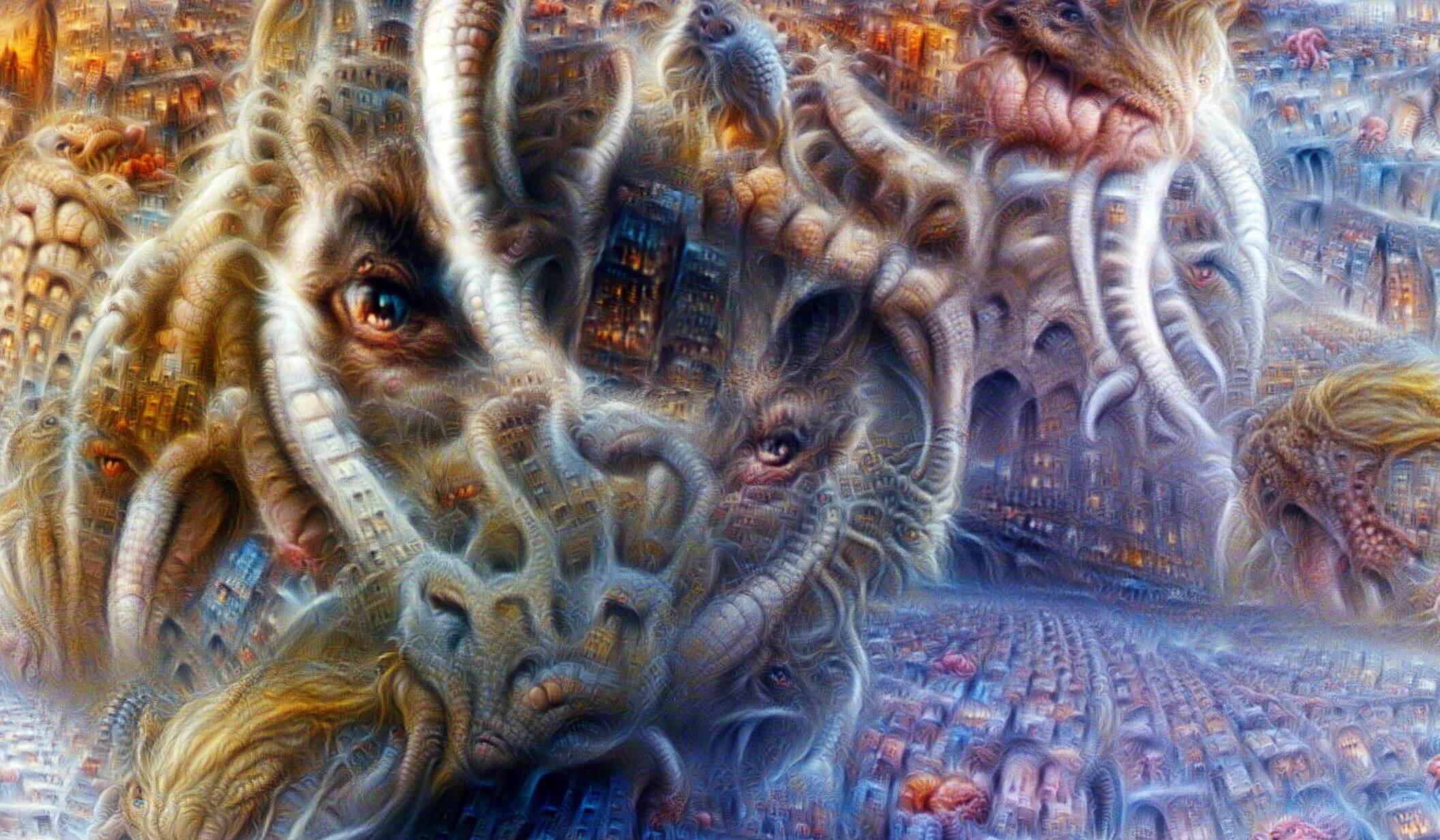
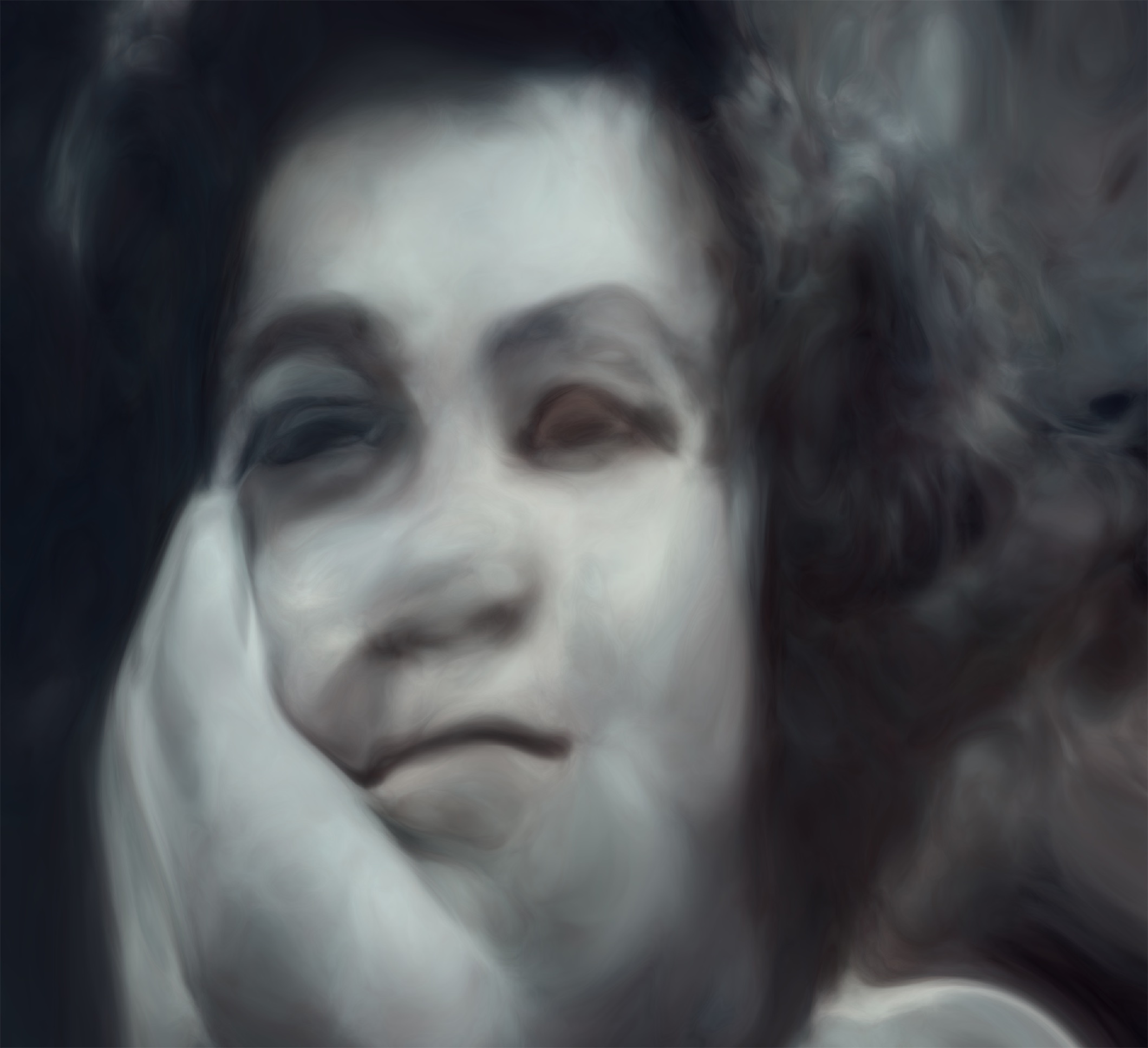
In the creative AI community he is recognized for developing Aphantasia, a tool built on OpenAI's CLIP model that generates distinct multicolored visuals, some of which he minted on Hic et Nunc. Epstein describes the tool's namesake condition, on its GitHub project page, as “the inability to visualize mental images, the deprivation of visual dreams”. His 2021 series Saga comprises three music videos built from CLIP-generated imagery, moving from a dreamlike temple sequence through a study poised between Deep Dream and Klimt to a three-dimensional piece exploring cellular space. In 2022 he extended the approach with TEOPEMA, a collection made with COH and released on the BrainDrops platform in an edition of 696, which he described as capturing a state “where the real and the ideal merge, occasionally swapping their places and turning into one another”.