Thomas Noya is a Venezuelan multimedia artist and educator based in Los Angeles, working across computational systems, still and moving image to explore how algorithmic, commercial and cultural forces shape behavior and meaning.His work returns often to nostalgia, colour and texture, rendered with meticulous detail and conceptual rigour.
Noya grew up in Montalbán, a rural farming town in Venezuela, and left the country in 2015.He earned a BSc in Digital Arts Computing, with first-class honours, from Goldsmiths, University of London, and later began an MFA in Design Media Arts at UCLA, with Casey Reas on his thesis committee.His introduction to generative art came through a Goldsmiths course on generative drawing, where he first encountered the flocking algorithm developed by Craig Reynolds and the work of Vera Molnár and Ken Perlin.
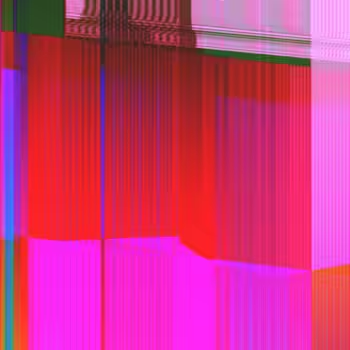
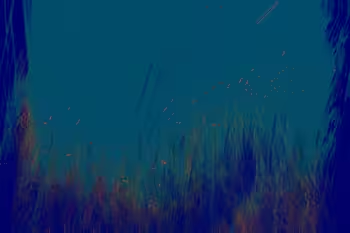
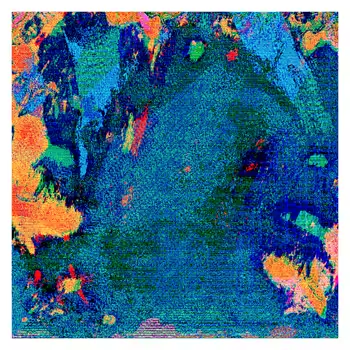
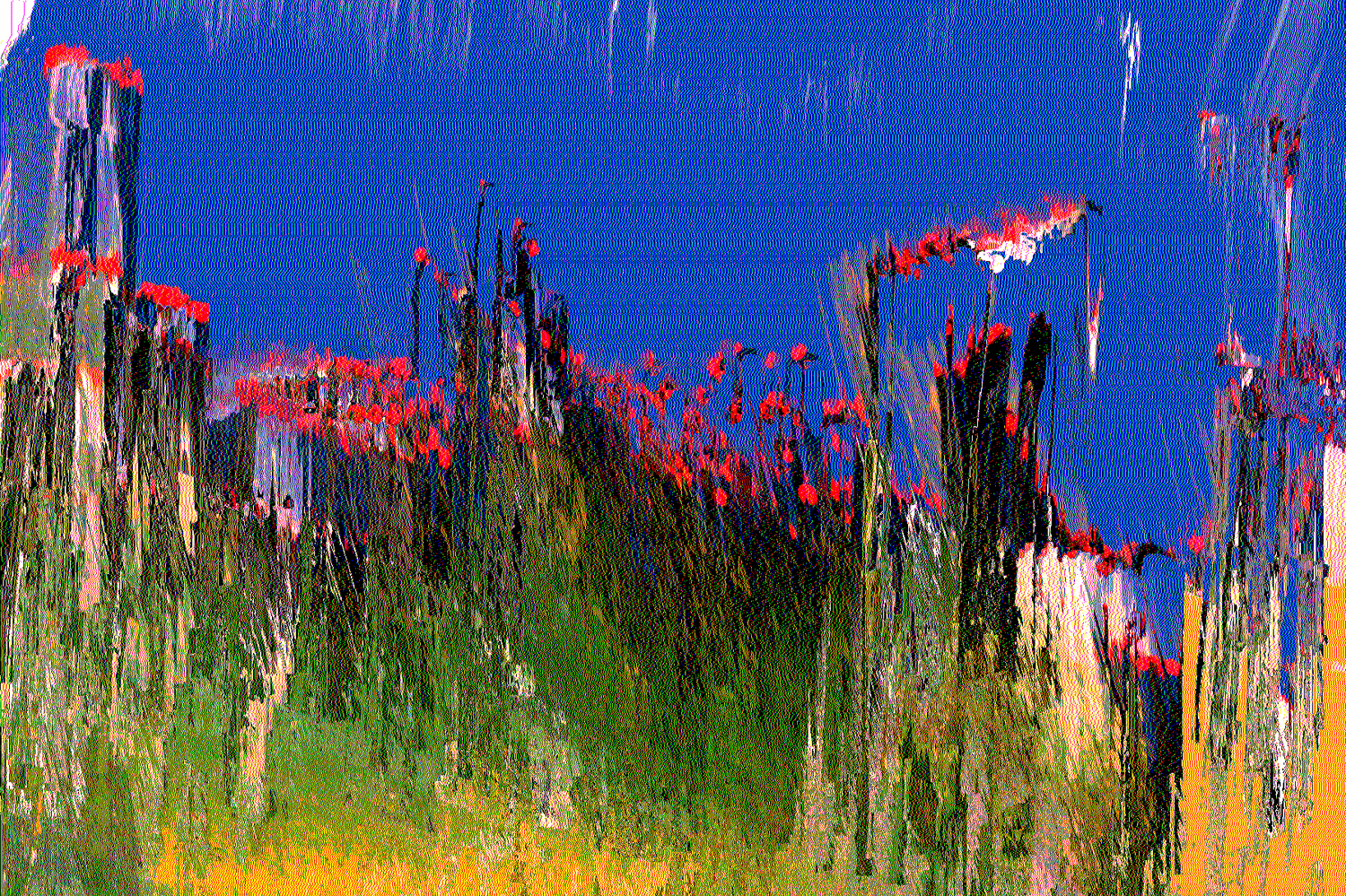
In February 2023 his work CIUDAD CENTRAL appeared in the “Seed Edition”, Blind Gallery's first show on fxhash, alongside three other generative artists.That April he released WTBS.TXT with the Waiting To Be Signed podcast, an AI-powered generative collection of 365 editions built from more than 50 episodes of the show.In November 2023 Noya premiered Desde Lejos at Bright Moments' event in Buenos Aires, a series of generative landscapes built with a flocking algorithm and inspired by memories of his childhood in Montalbán and by the paintings of the Venezuelan artist Armando Reverón.That same year he also showed the glitch-based generative series THX–1 at Verse's “Imperfections” exhibition in London, distorting and dithering his own collapsed StyleGAN outputs into a curated edition of 400.,
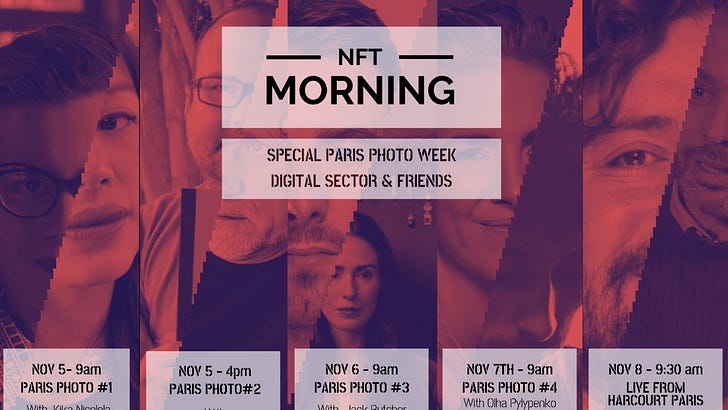
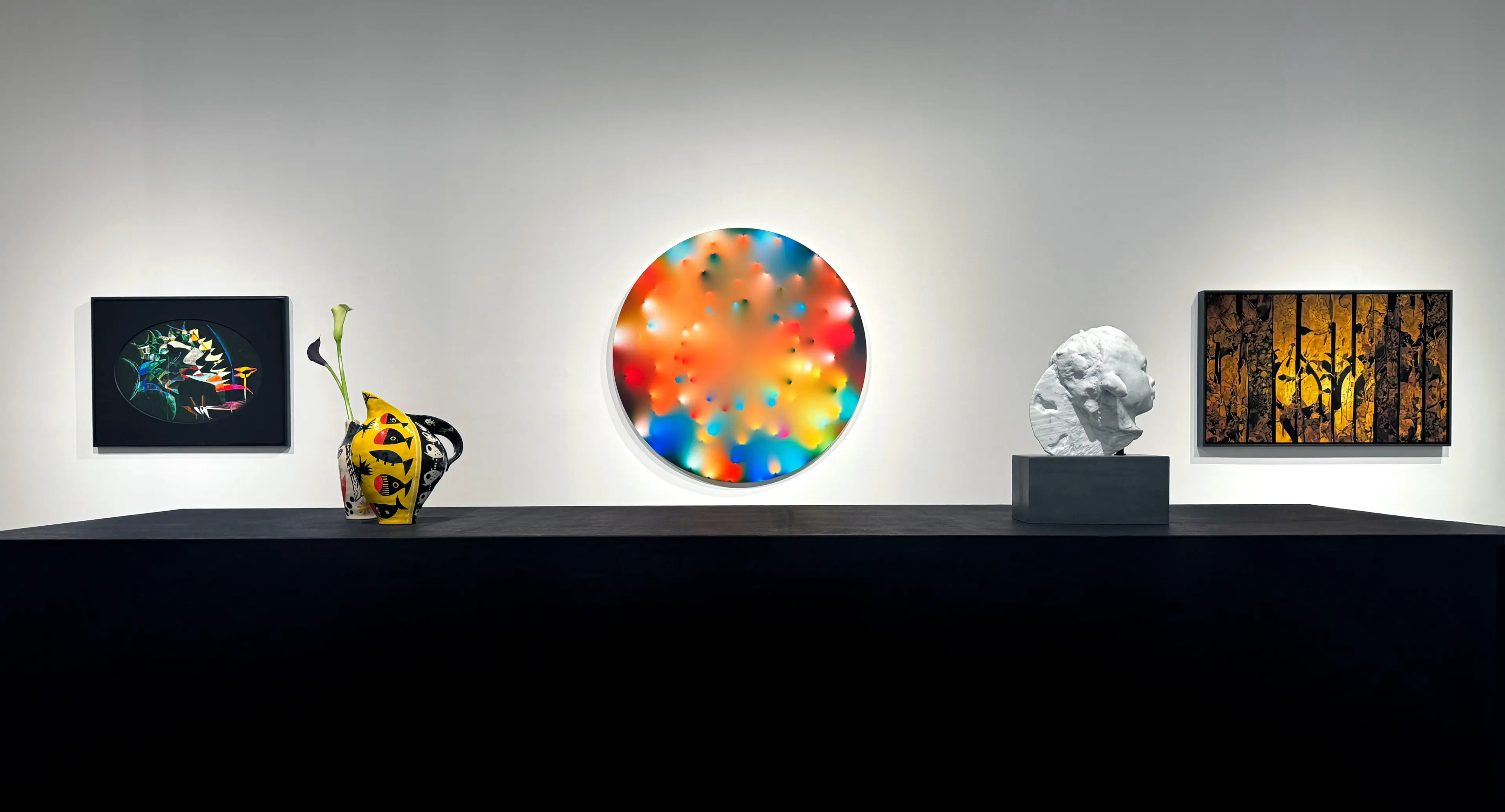
In 2024 Noya and Erika Weitz released Cymatic, a project visualizing sound through photography and generative art, shown at Paris Photo.,In 2025 he joined the group exhibition “Groundwork” at Heft Gallery in New York, showing Total Recall: All Clear #21 alongside artists including Nancy Burson, Jan Robert Leegte and Emily Xie.,
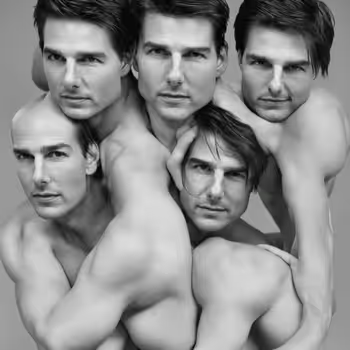
For his MFA thesis Rendered Beliefs, begun in 2025, Noya uses a diffusion-model image series to examine AI-generated evangelical masculine body culture through a queer and feminist lens, developing a framework he calls the computational grotesque and SlopMaxxxing. In 2026 he began Biophonía, made with Miguel Noya, translating decades of field recordings from the Valles Altos de Carabobo in Venezuela into a generative audiovisual system developed within a UCLA working group led by Casey Reas.