Richard Vigniel, known as RVig (French, b. 1976), is a generative artist who has been working in digital art since 1999.,Based in Geneva after training in computer science and engineering at INSA Lyon and McGill University, he writes his own code to produce work he has described as “always very lively, colourful, and organic”, often built around colour, music, or poetry drawn from outside sources.
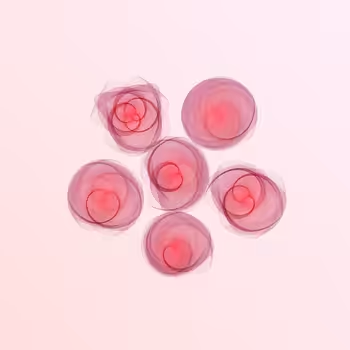
Vigniel's prints and installations were shown at exhibitions from 2011 onward, including the FTWeekend Festival in London and the Lausanne Art Fair.,He discovered Art Blocks in late 2020, and in August 2021 released his debut long-form generative collection, Flowers, on the platform, selling out 6,158 editions within an hour. He has called Flowers his breakthrough moment in web3.Half of the collection's initial proceeds went to charity and carbon offsetting, including Swiss Solidarity and MyClimate.
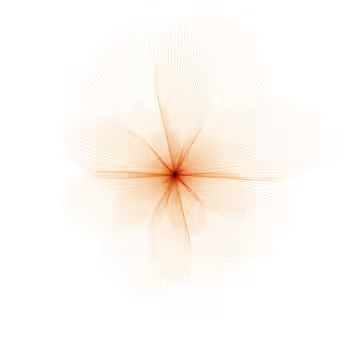
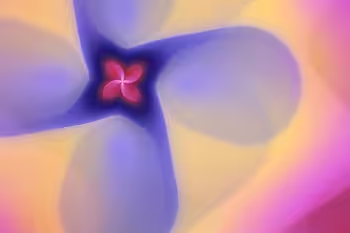
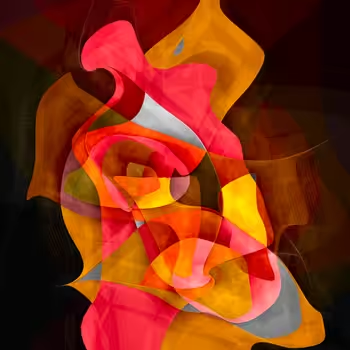
His next Art Blocks collection, Nebula, moved into animated and interactive generative art built from thousands of intersecting, layered curved shapes.Volute followed in December 2022, drawing on two decades of experimenting with spirals and pixel feedback loops to generate radial symmetries that resemble flowers, volutes and arabesques, with colours sourced from nature.,Alchimie, released on Art Blocks Studio, reconciled the interweaving lines of Flowers with the pixel flows of Volute, transforming a simple palette of two colours and random squares into complex, organic-looking structures.
Les Fleurs du Mal reinterprets Charles Baudelaire's 1857 poetry collection of the same name, rendering its 126 poems as ribbons whose movement follows the structure of each poem's text.The work won Arab Bank Switzerland's Digital Art Prize, announced at the NFC Summit in Lisbon in May 2024.,
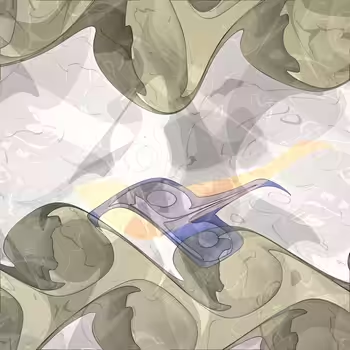
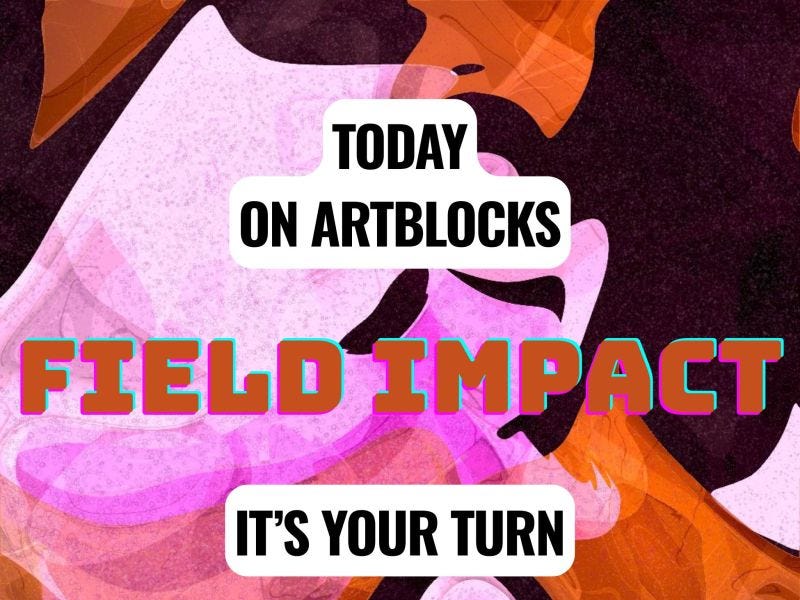
In 2025 Vigniel partnered with Mario Stephan on Field Impact, a generative series released through MSF's Art4Care program on Art Blocks Studio that translates real Médecins Sans Frontières humanitarian data, such as vaccinations, medical treatments and emergency interventions by country and year, into generated images.,Each piece draws its three-colour palette from MSF's photo library, and 60% of sales proceeds go directly to funding the organisation's field operations.