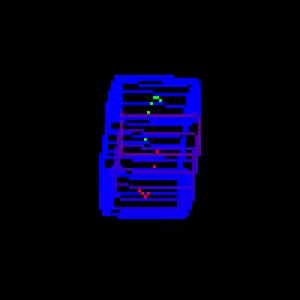
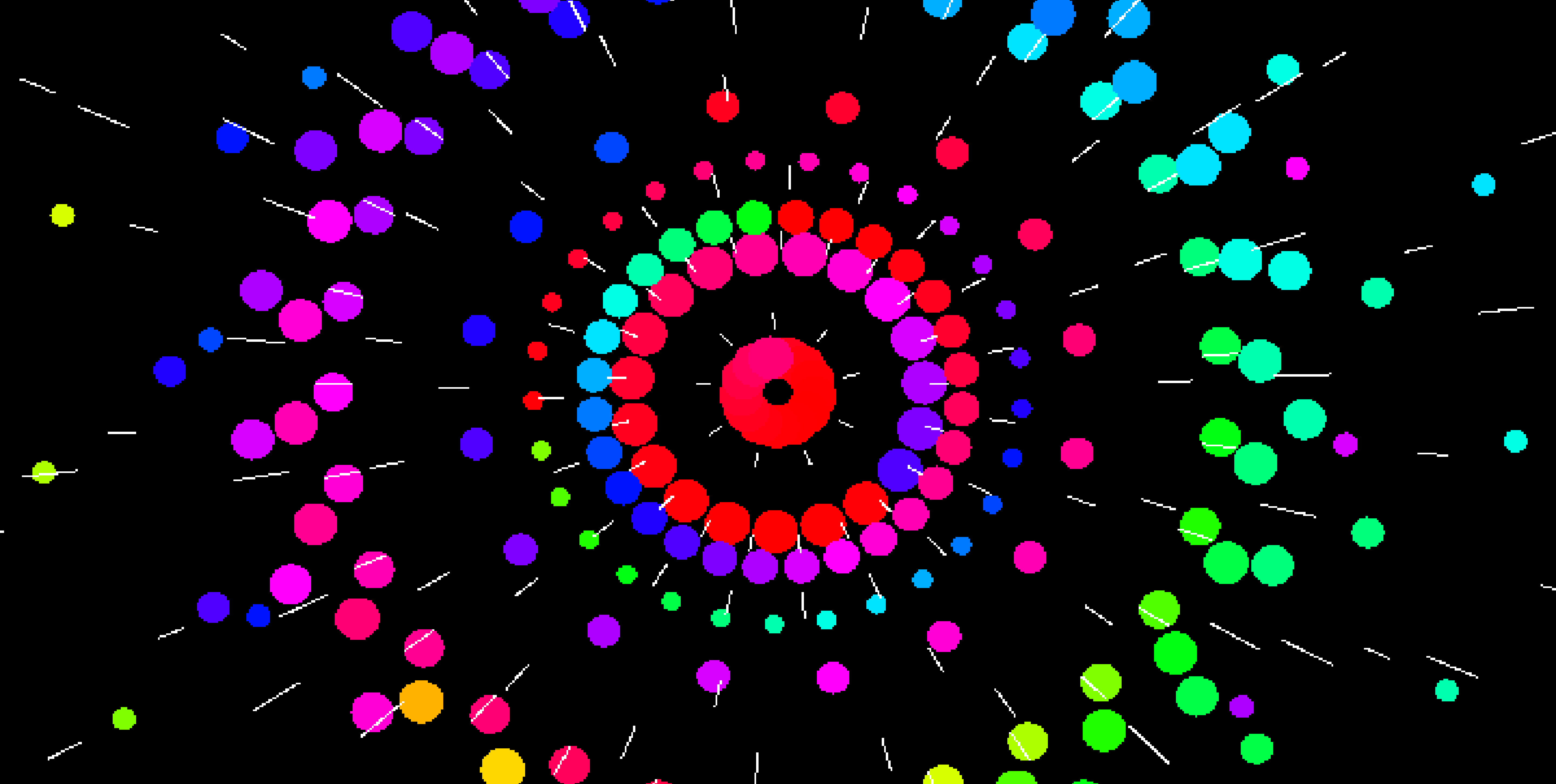
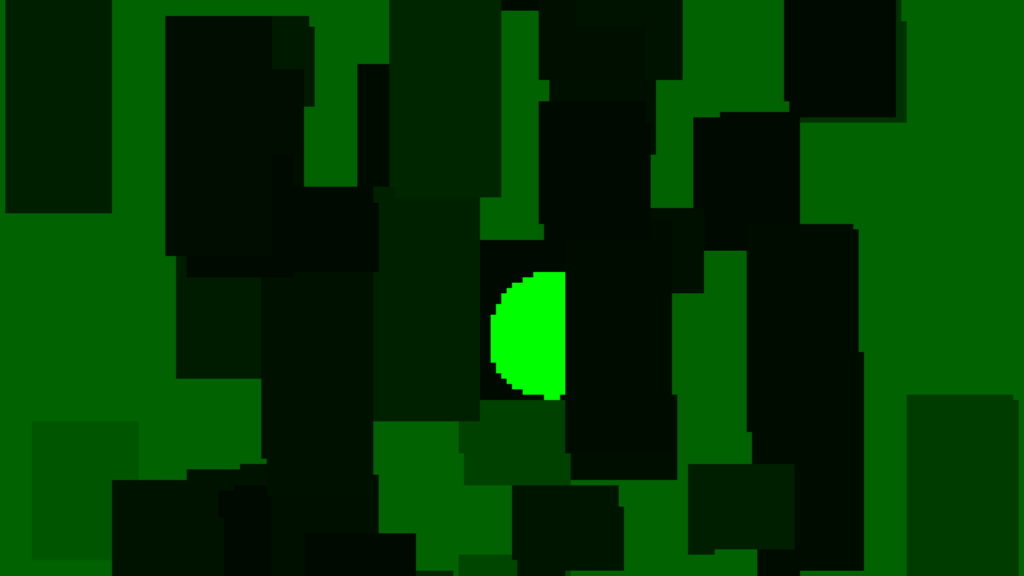
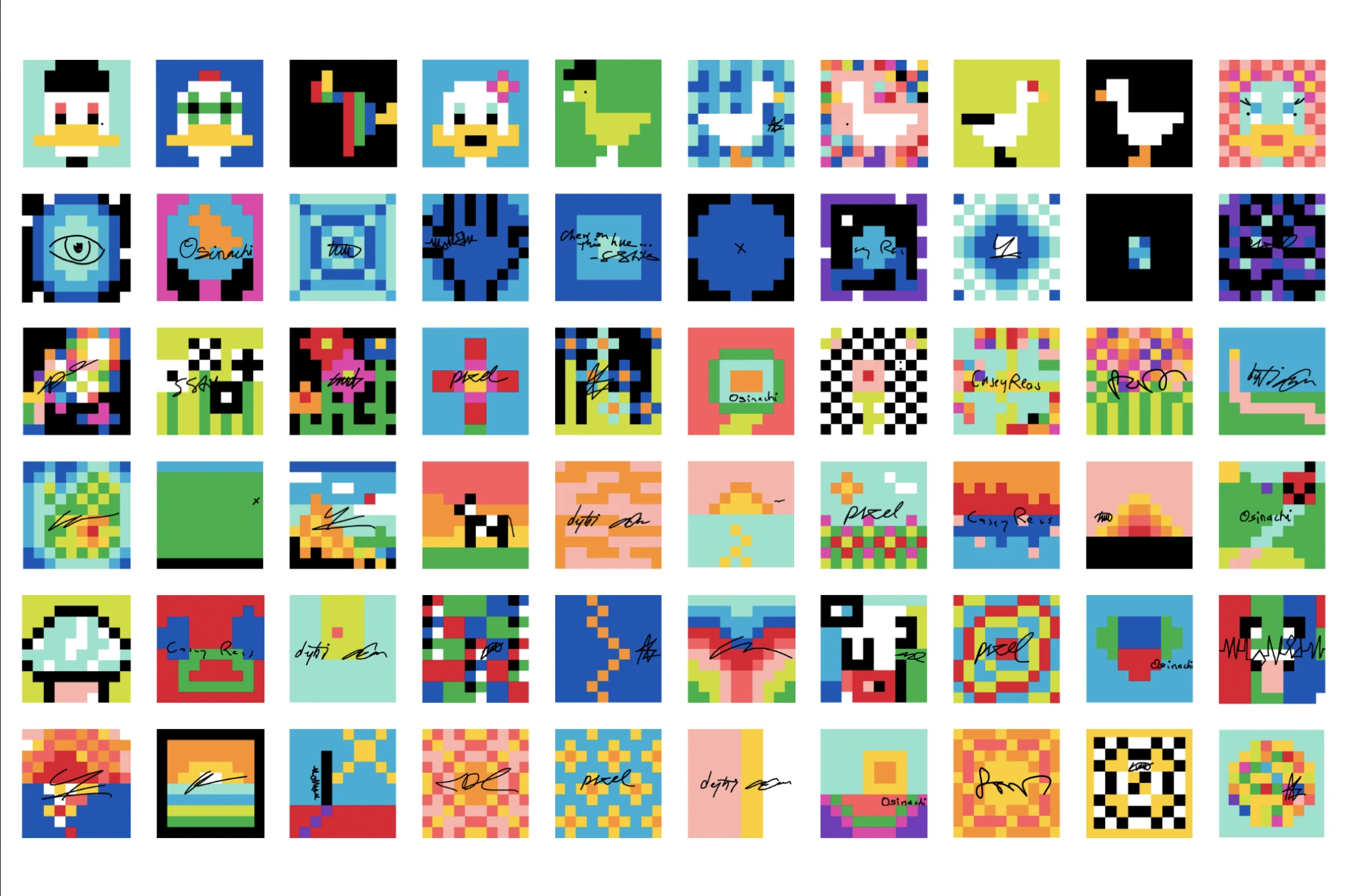
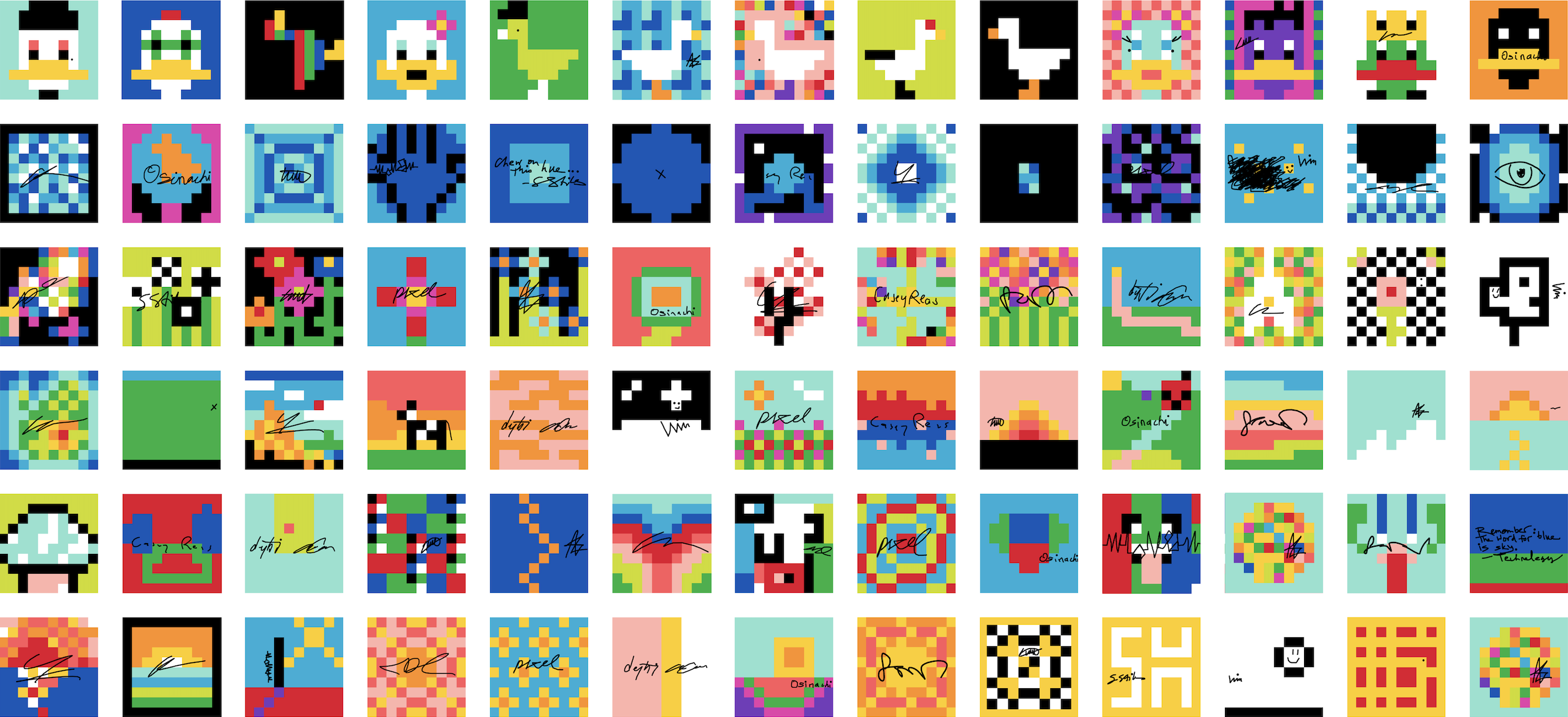
p1xelfool is a São Paulo-based generative artist who works in thick, low-resolution pixel grids rendered as animated GIFs and browser-based code, exploring time, perception and humanity's psychological relationship to screens. Built with Processing and p5.js, the pixelated, high-contrast aesthetic is a deliberate return to the rawness of early computer graphics.,,
Before adopting the name p1xelfool, the artist spent about eighteen years moving between music, graphic design, photography and painting, learning to design websites as a teenager and later earning an art and design degree followed by a degree in advertising. Design work remained the main source of income for most of that time, until sales on Hic et Nunc allowed a full-time move into art in 2021.The screen-based aesthetic is partly informed by the philosopher Byung-Chul Han's writing on the flatness of screens, which the artist has said the work tries to counter by offering an embodied, sensuous relationship to computation rather than a passive one.
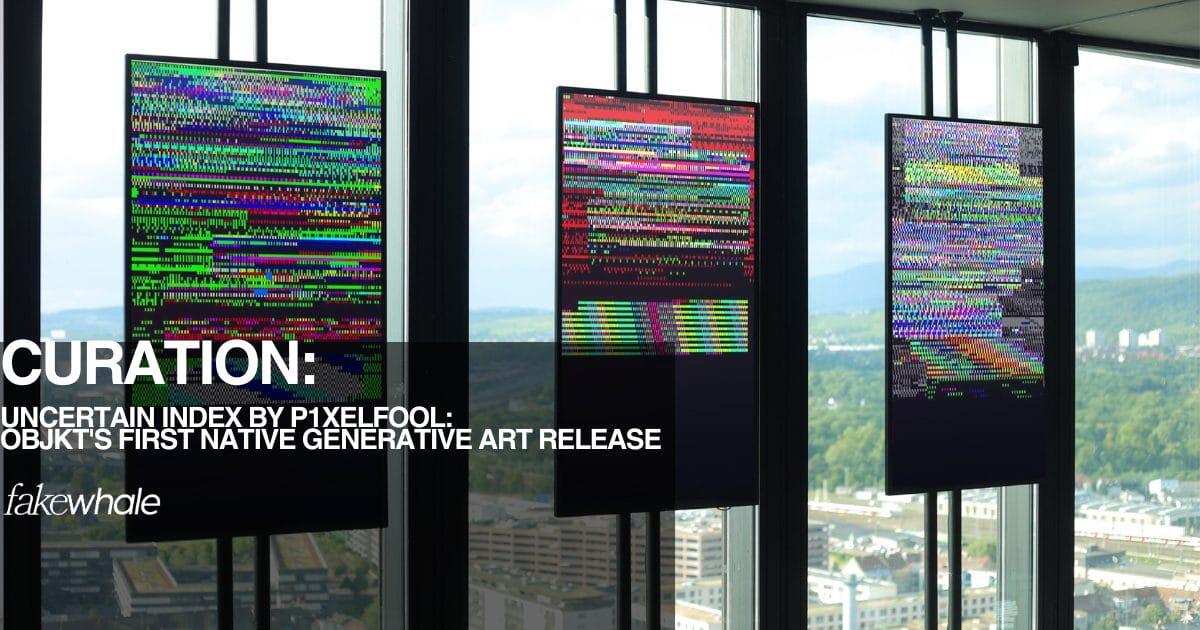
éon, named for the geological unit of time, was sold as an affordable twenty-four-hour open edition with unsold pieces burned at the close of the sale.gämma, a solo presentation curated by Casey Reas, was shown on Feral File in 2022.,lūmen, exhibited at Bright Moments in Mexico City in 2022, was the artist's first work designed to be minted in person, shown on a large screen intended to evoke a temple.,uncertain index launched on objkt.com in July 2024 as the platform's first native generative art release, built with p5.js so that manipulating data arrays in the code produces outputs largely beyond the artist's control. The work was previewed at a Fakewhale press showcase during WUF Basel earlier that June.
In 2023 p1xelfool was one of fifteen artists in “The First 15”, the Museum of Modern Art's blockchain-based postcard project.,That year the collective presentation “Refreshing the Loop” at the Museum of the Moving Image paired the artist's work with Francoise Gamma's, exploring shared influences including abandonware and technopaganism.