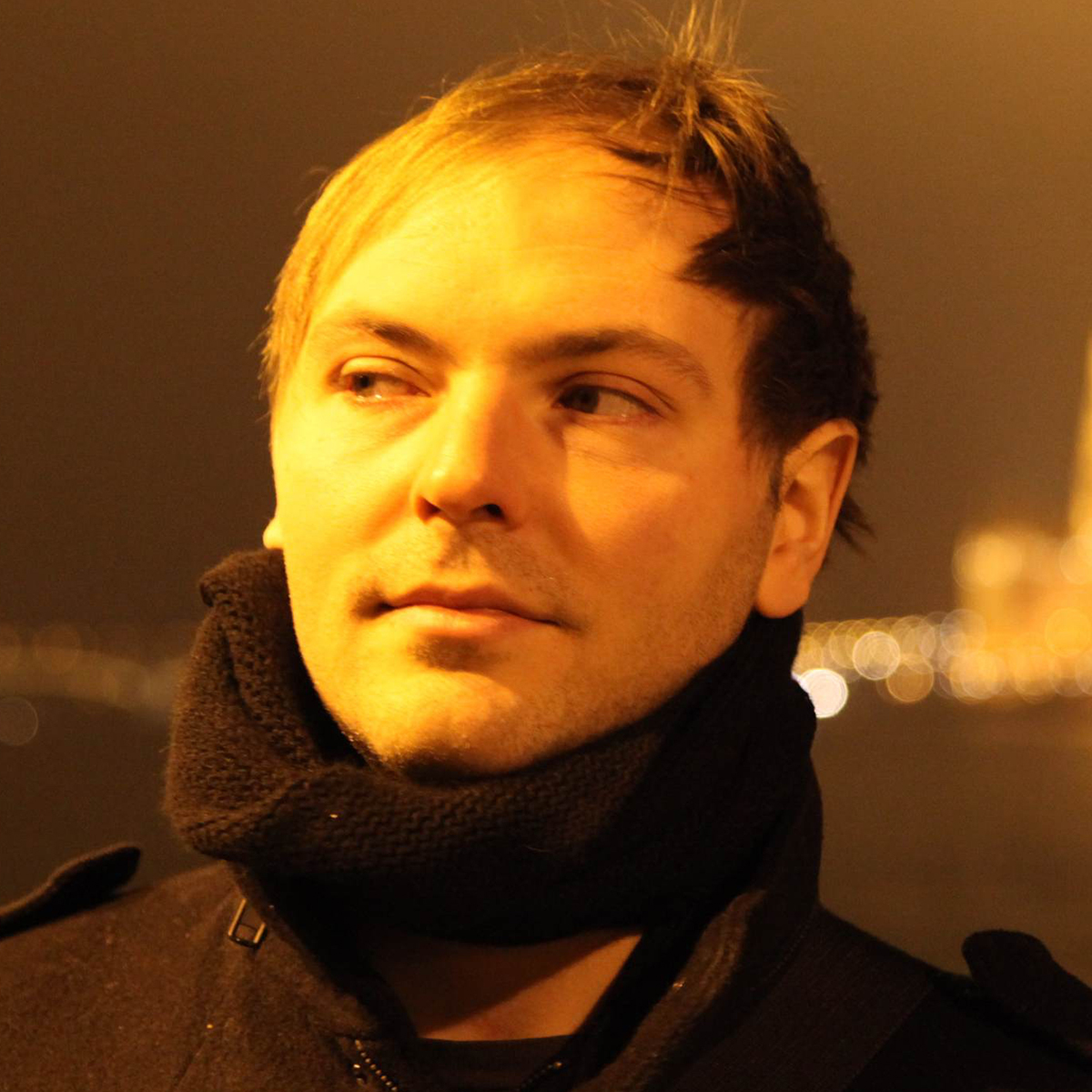
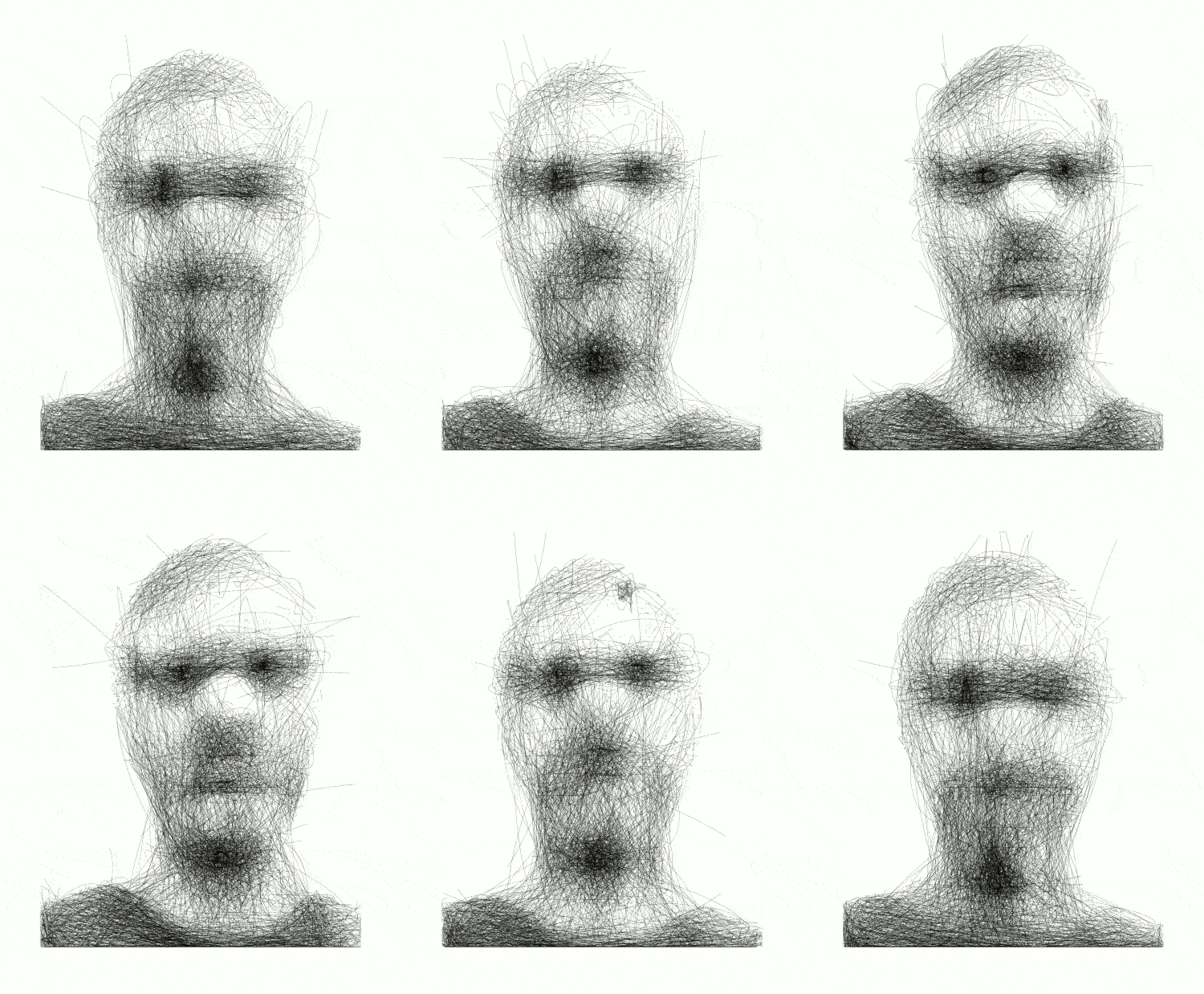
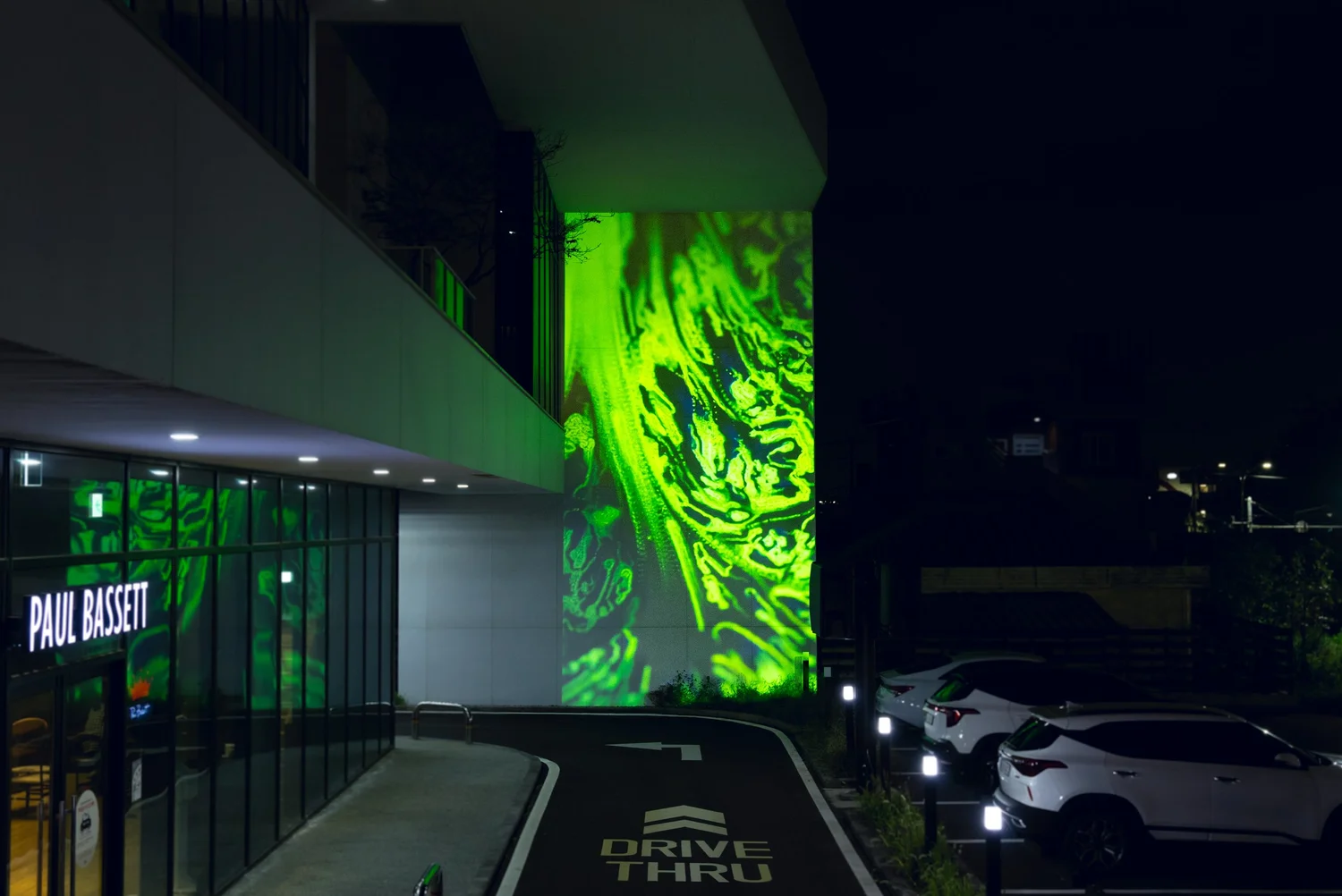
Mihai Grecu (Romanian, b. 1981) is a visual artist and filmmaker based in Paris.,His work sits at the intersection of experimental cinema, artificial intelligence, and computer-generated imagery, using allegory and the recontextualization of propaganda images to create dreamlike visions that question the authority and reliability of images.
Grecu grew up in Ceaușescu-era Romania, where, in his words, state power, military spectacle, and religious symbolism were deeply entangled.He studied graphic arts at the University of Art and Design in Cluj-Napoca and fine arts at the École Supérieure des Arts Décoratifs de Strasbourg, then continued his research at Le Fresnoy, the Studio National des Arts Contemporains.,In 2022 he premiered Nicolae at the International Film Festival Rotterdam, a creative documentary that recreates the late Romanian dictator Nicolae Ceaușescu, who died in 1989, as a hologram projected into present-day Romania.
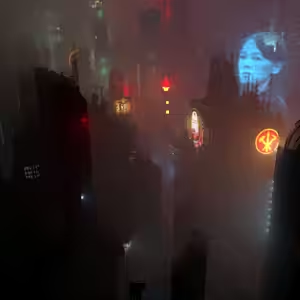
His series Subliminal Ghosts depicts otherworldly apparitions taking over mental landscapes, blending mystical and supernatural imagery with computer-generated visuals to ask whether ghosts might emerge from the rise of artificial intelligence. Neo-Pyongyang, a series of dystopian landscapes inspired by the North Korean capital, moves between documentary and science fiction to imagine an alternative present.
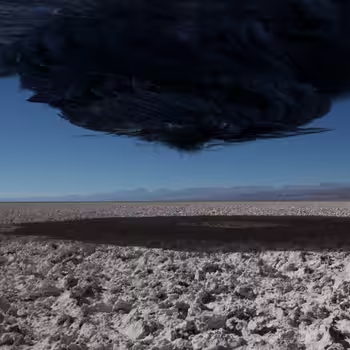
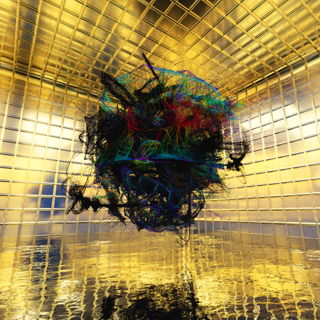
He has won the Prix du Syndicat Français de la Critique de Cinéma for his documentary work. His films and artworks have been shown at festivals including Rotterdam, the Festival du Nouveau Cinéma in Montreal, Clermont-Ferrand, and Videobrasil, and in exhibitions at the Grand Palais and Ars Electronica.,In 2024 his series Desert Spirits was shown in the exhibition “(In)surrection” at the Scopitone festival in Nantes, presented as an example of levitation achieved through advanced technology rather than natural forces.The following year he showed the holographic installation Digital desert via Biju Gallery at the RAD Art Fair in Bucharest.In 2024, in collaboration with the gallery Galerie Data, he released The last tree, which he has described as a series of visual metaphors on the artificial nature of man-made latent spaces, made by collaborating with AI to conjure visions of monumental installations within a synthetic desert.