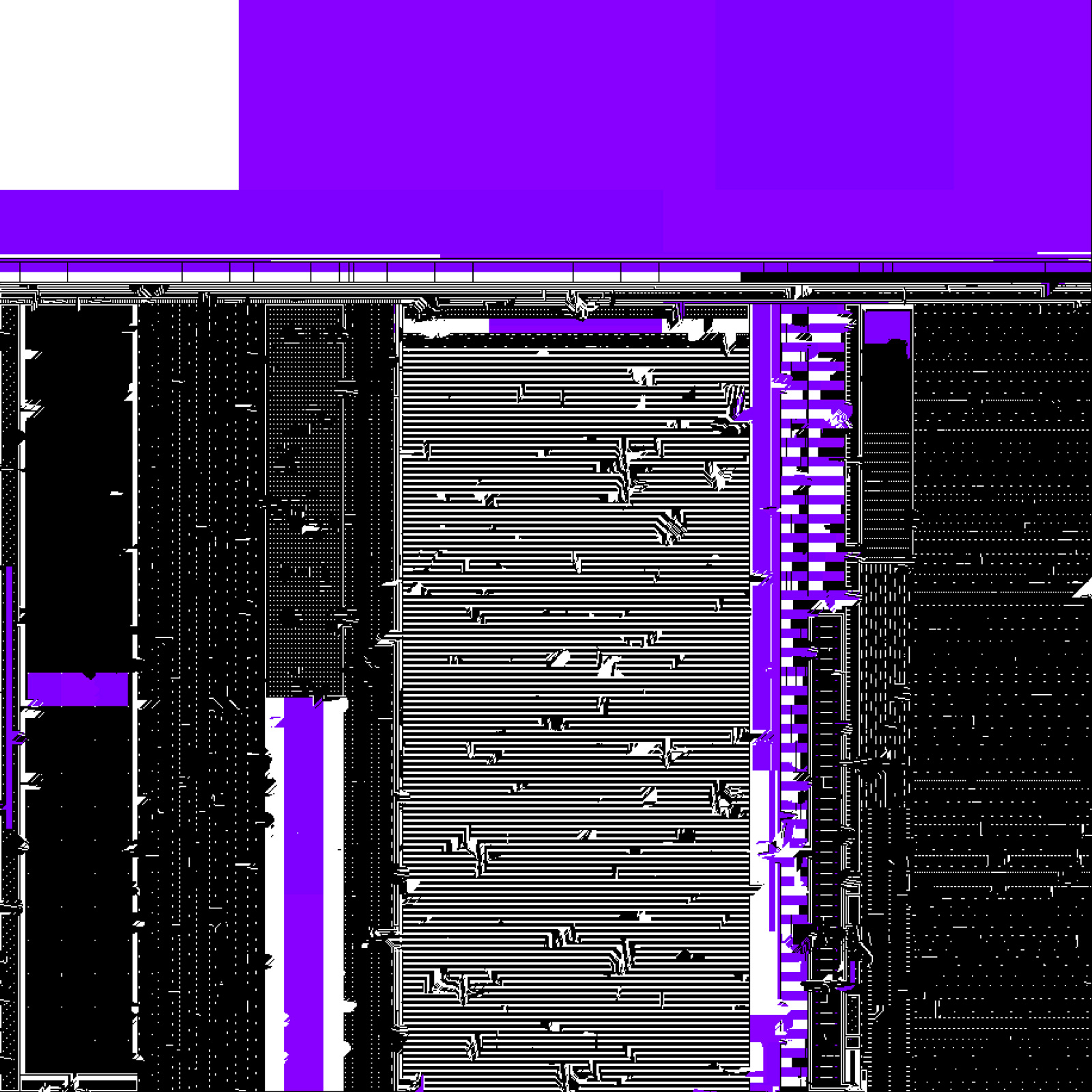
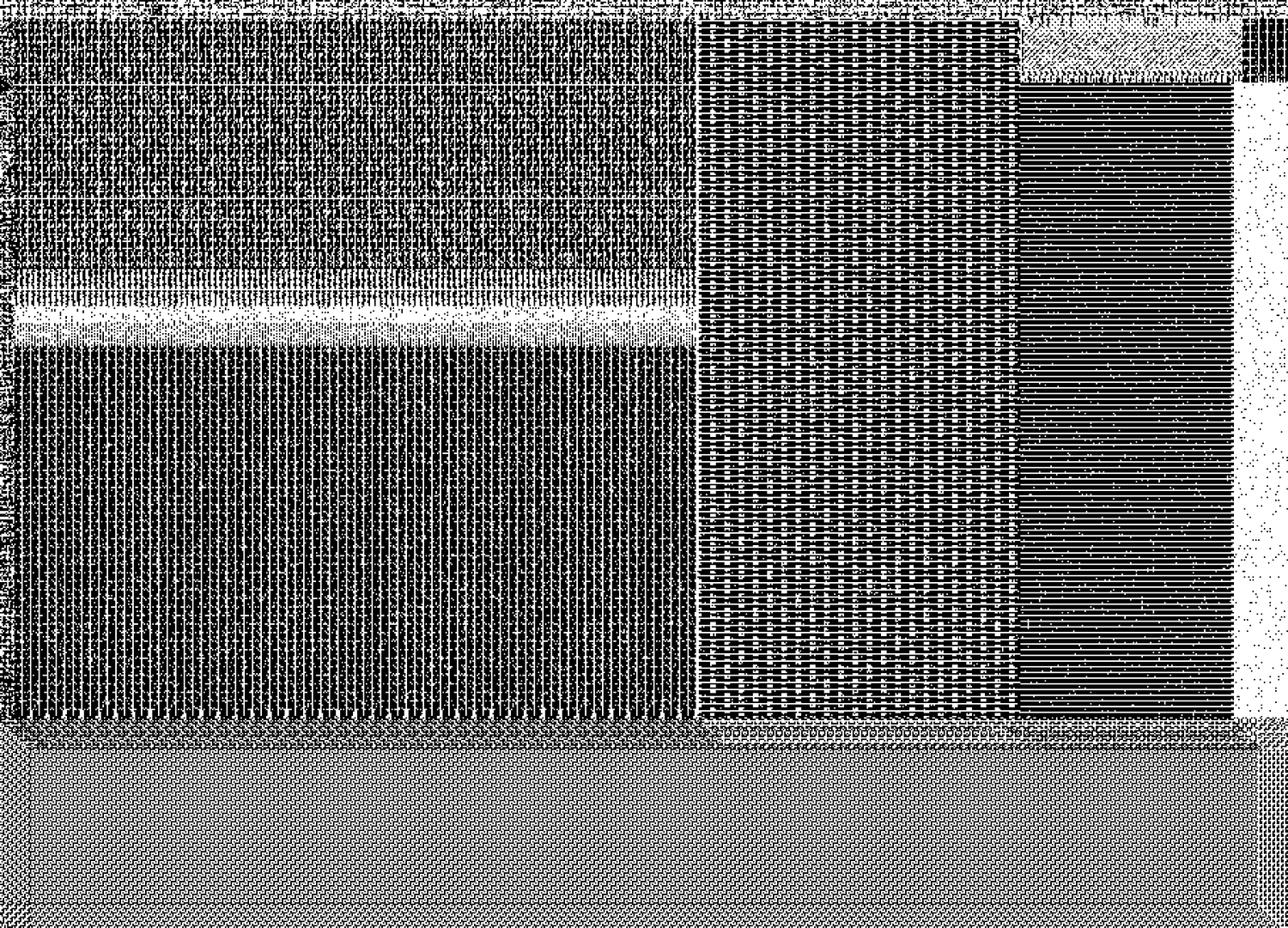
Kim Asendorf is a German digital artist whose code-based work treats the pixel as the fundamental unit of the image, moving across net art, generative art and glitch aesthetics since 2008.,,In 2010 he shared the code for pixel sorting, an algorithm that reorders an image's pixels by luminosity, which spread widely among glitch artists after its release.,,
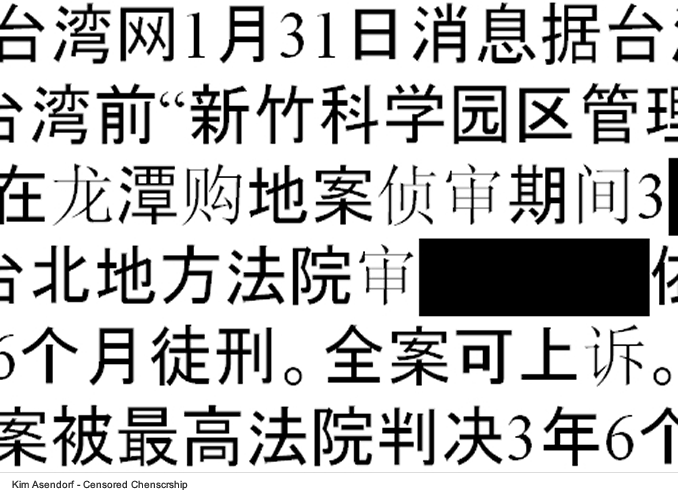
He studied visual communication and new media at Kunsthochschule Kassel, where coding became his primary artistic language.In 2010 he made Censored Censorship, which streamed scrolling Chinese news RSS feeds with words randomly blacked out to comment on state censorship.,In 2011 he launched Gif Market, an online marketplace of 1,024 pixel compositions sold at rising prices, among whose early collectors was the artist XCOPY. With Ole Fach he also ran the online exhibition space Fach & Asendorf Galerie.In 2013 the pair reworked press photographs from the Gezi Park protests in Istanbul into the project Gezi gelen Limon, shown in the “global aCtIVISm” exhibition at ZKM Center for Art and Media. After moving to Berlin, financial pressure and depression led him to stop making art and take a conventional job for about three years before he returned to his practice around 2020.
He began minting on Hic et Nunc in 2021, and that October hand-minted Monogrid, 256 animated grid pieces sold sequentially through a live Twitch stream of offers.,,He later moved to Ethereum to run his own smart contracts, releasing works including SABOTAGE (2022) and Rainbow Grid. His Cargo (2023), a real-time animation on Art Blocks that stretches to fill any screen, sold out in a Dutch auction that settled at 0.24 ETH.With Andreas Gysin and Leander Herzog he formed the collective AGH, debuting in Berlin in December 2023 with his contribution Alternate.
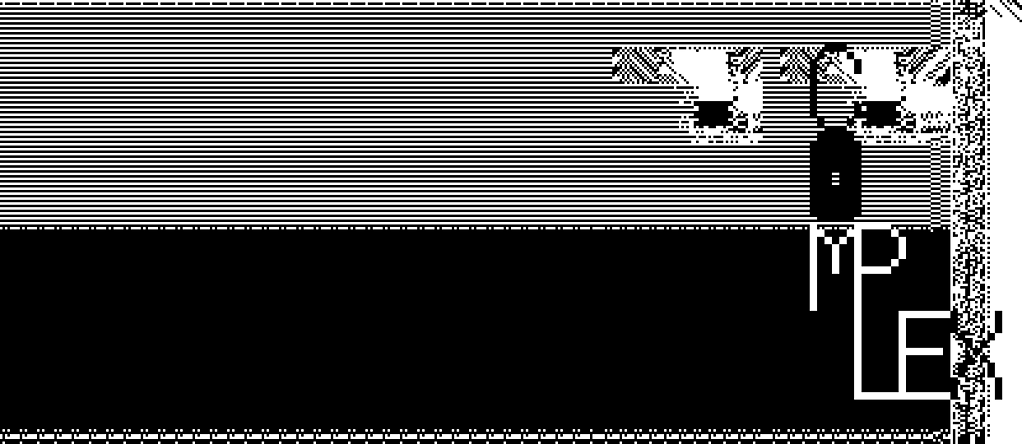
In PXL DEX (2025) he tokenized individual pixels as an ERC-20 token nested inside each NFT, letting collectors add or remove tokens to reshape the density of the work's animation over time.In March 2025 the Goethe-Institut Thailand in Bangkok presented “Complex”, his first retrospective, surveying his blockchain-based work from Monogrid through PXL DEX.He was also among the first fifteen artists in the Museum of Modern Art's blockchain-based Postcard project.In 2025 he presented Raster und Spektrum at Nguyen Wahed's booth in the Zero 10 digital art section of Art Basel Miami Beach.