Katya Kanke-Zaikanova (Russian, b. 1985) is a photography and performance artist working with themes of corporeality, trauma and crisis. Her work returns to a central question: why one autobiographical story becomes art and another does not.Born in Tolyatti, she studied photography and performance in St. Petersburg, Moscow and Brussels, and lives and works in Hamburg.,
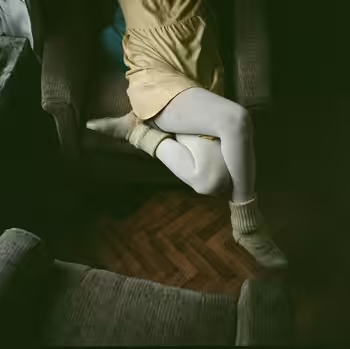
She studied cinema and photography at Saint Petersburg State University of Culture and Arts from 2005 to 2007.She also studied performance in Brussels through the P.A.R.T.S. summer school, and has studied at HfbK Hamburg.,Her 2011 project Bodiless consists of a single photograph without a beginning or an end, made as an ironic response to Saint Petersburg critics and curators who expected photographers to work only in narrative series.In 2013 she presented the solo exhibition “We Are (How to Live Together)” at café zOOm in St. Petersburg, portraits of the community of art students and friends she had met while working there for seven years.,
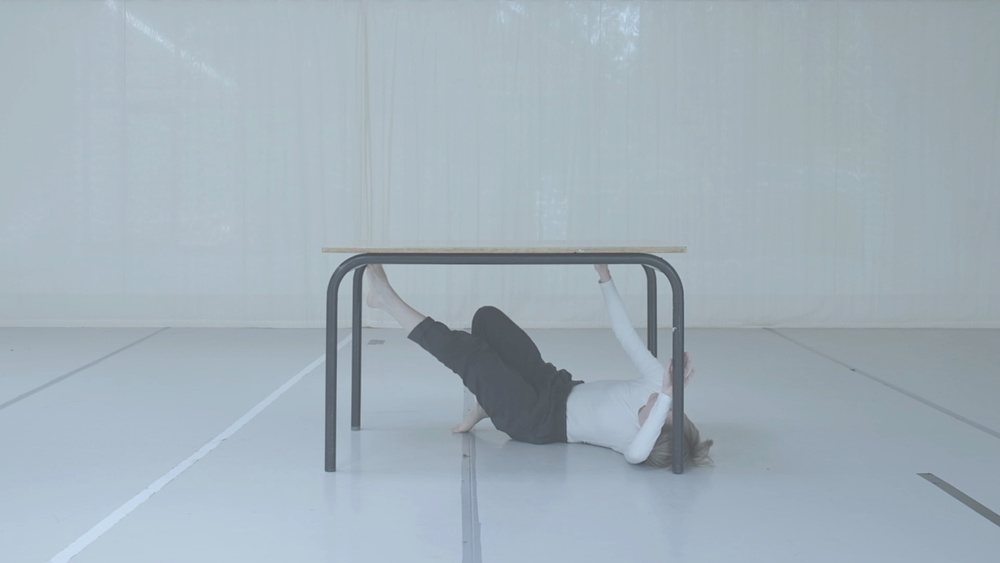
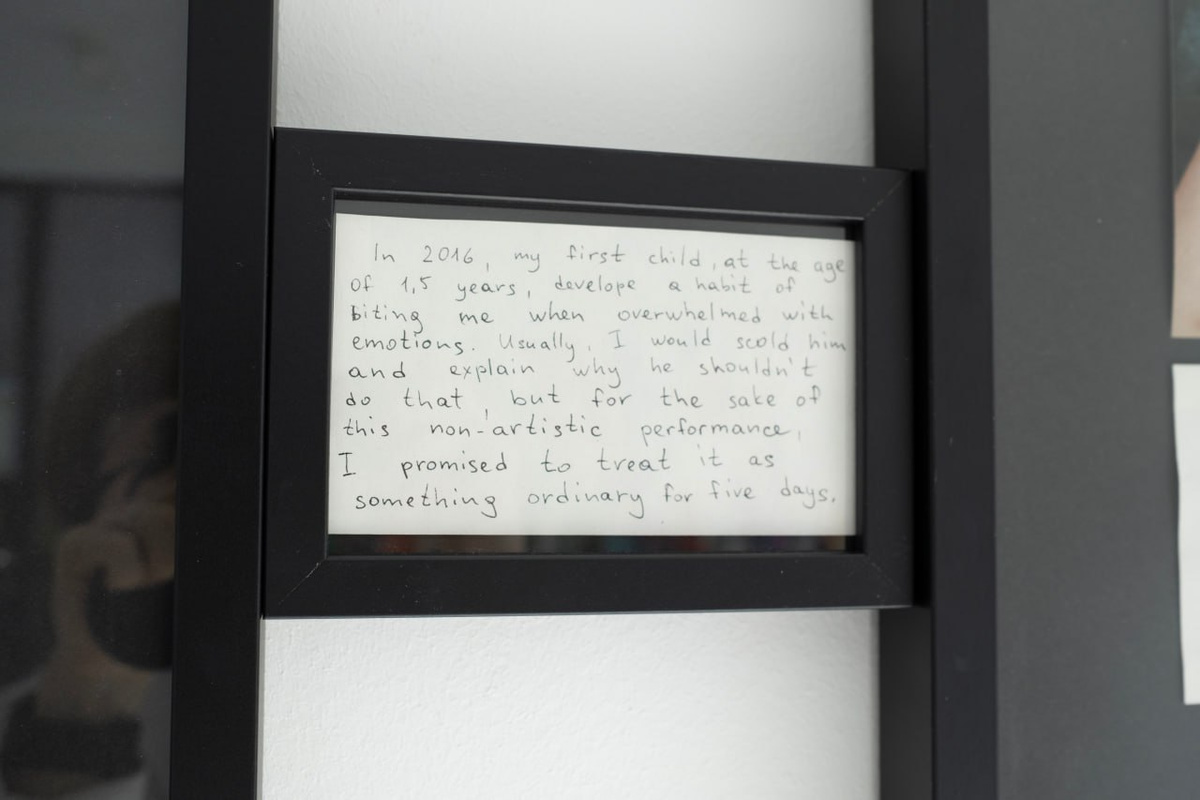
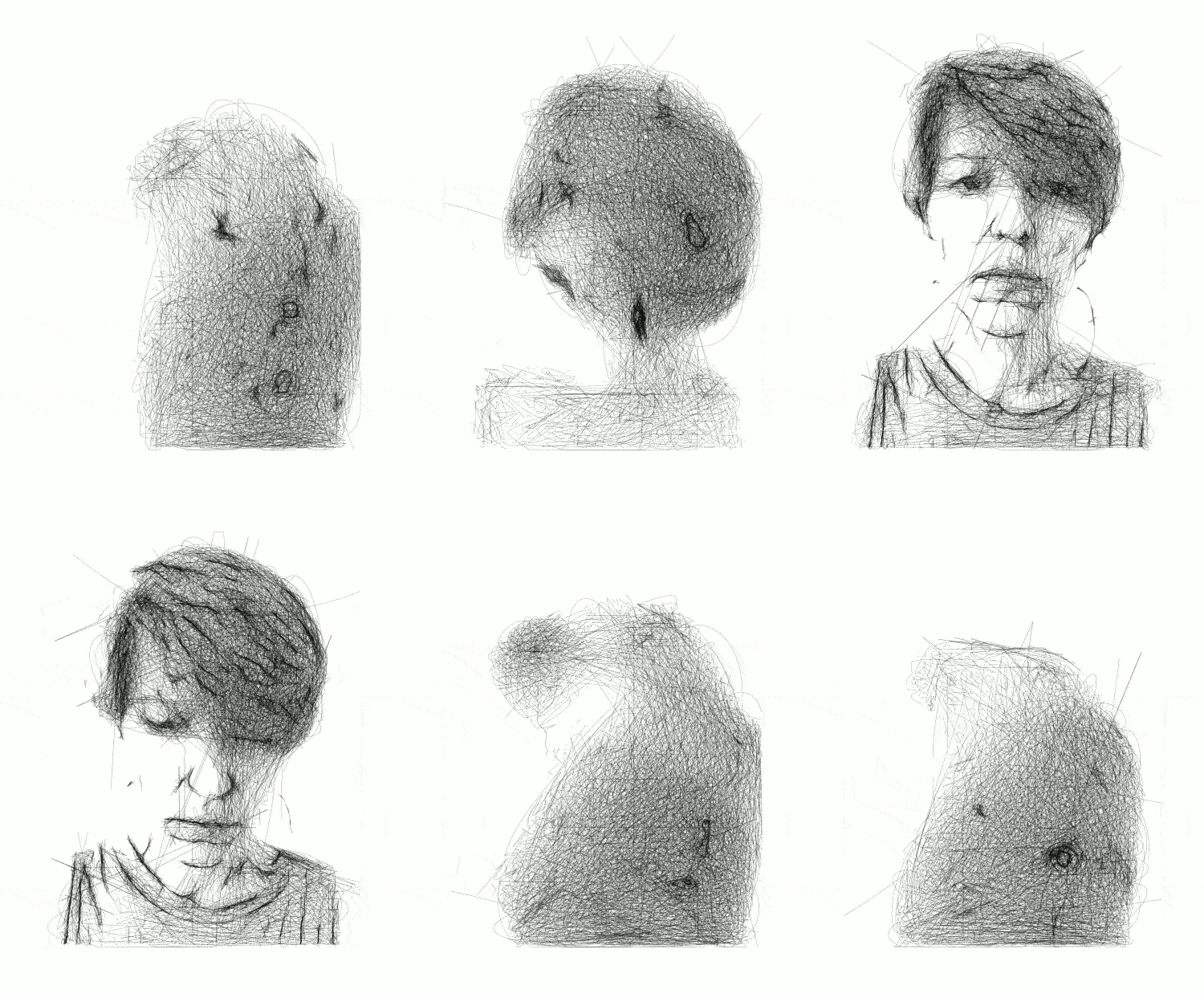
After the birth of her first child, she went through a professional crisis during Russia's three-year maternity leave and responded by ironically declaring herself a Non-Artist, with a non-artistic manifesto, CV and website.In 2019, ahead of the birth of her second child, she started Long-Distance Gallery, an online space where fellow artists could log in and post about their work to stay connected.For Second Hand Body, made during a residency for young choreographers in Moscow, she built a performance about the maternal body from interviews with ten mothers in different countries.I Am Where, created during the MAMADETS residency for artist-mothers at Peresvetov Gallery in Moscow, is a series of film portraits exploring touched-out syndrome, the irritability mothers can feel after long periods of physical contact with young children.
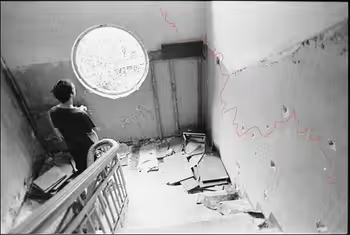
In 2022 she contributed Sag mir wo die Blumen sind to an interactive performance staged at the newly opened GES-2 art space in Moscow after the outbreak of the war in Ukraine, a karaoke piece built around the anti-war song “Where Have All the Flowers Gone” performed against a live view of the Kremlin.The following year she began developing No I Can't Forget Tomorrow, a performance combining her own experience of a codependent relationship with her alcoholic mother with interviews of twelve Russians about their relationship to their homeland after the war began. Made with support from the Pro Helvetia foundation, it was shown at the We Present festival in 2025.Beyond the boundaries of time, 2022, pairs film photographs she took in post-war Abkhazia in 2007 with a wish to return to a time before such conflict.