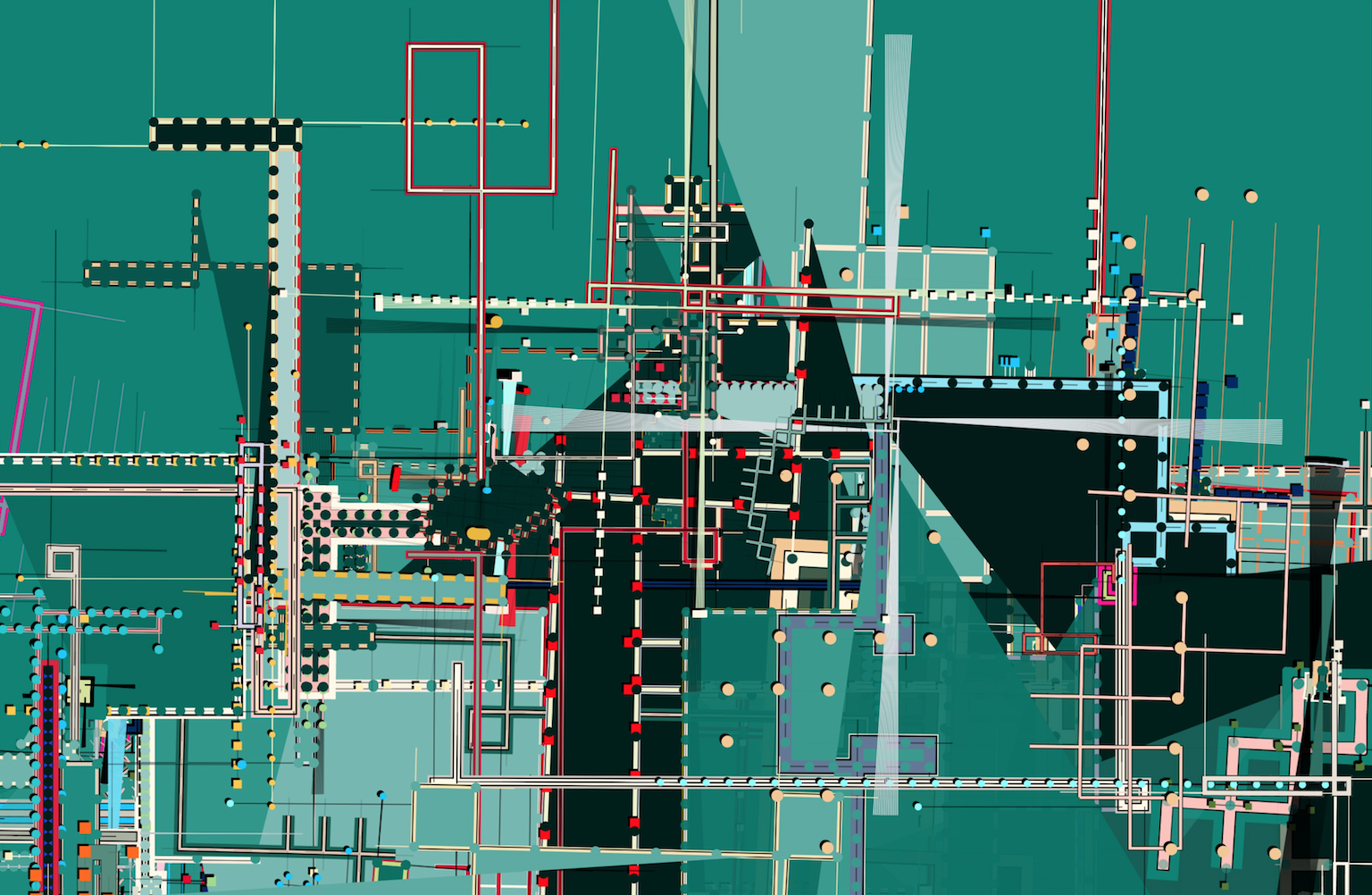
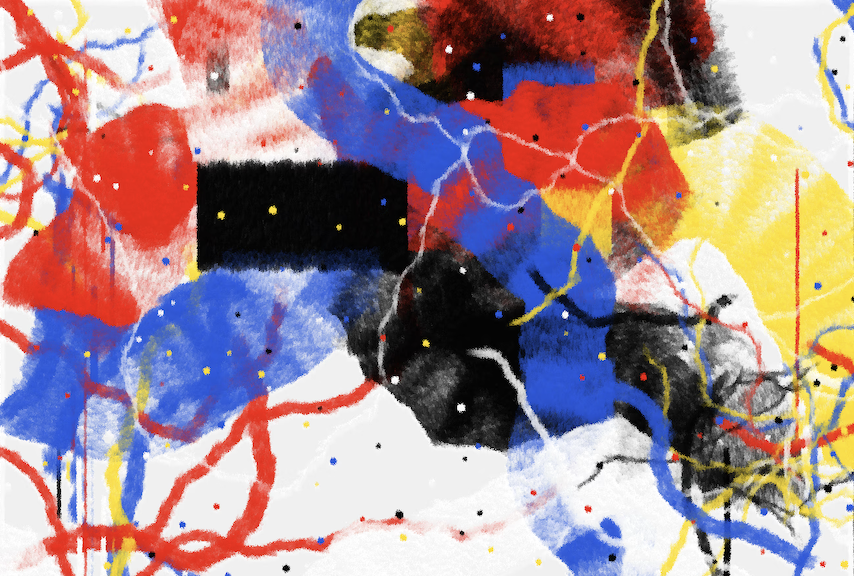
Juan Rodríguez García is a Mexican generative artist whose code-based practice grew out of his training as an architect.,Based in Puebla, he writes long-form generative systems in Processing and p5.js that carry over architectural principles of rhythm, composition, and color, and has extended that vocabulary into printed sculpture built from anatomical studies.,,
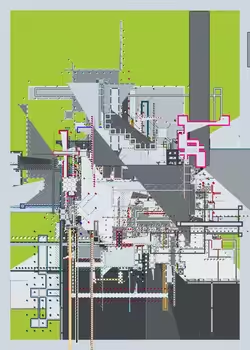
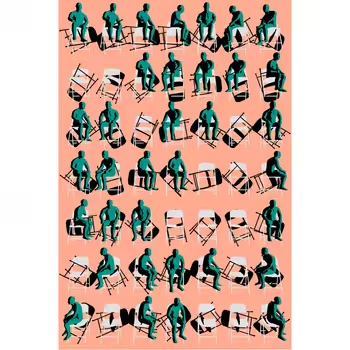
Rodríguez García trained and worked as an architect in Mexico before moving into creative coding through Grasshopper, a plug-in for the Rhino 3D modeling software, and later through Processing.,Early sketches were monochrome, reflecting that architectural sensibility, until the generative work of Manolo Gamboa Naon opened his eyes to color composition. He also names Manuel Felguérez's 1975 project The Aesthetic Machine, the first algorithmic composition by a Mexican artist, as a key reference.His first completed long-form generative collection, Caminos, debuted with Bright Moments in Mexico City in 2022 as a tribute to the color and layered visual chaos of Mexican markets and streets, expanding from a planned 100 pieces to 1,000.,For the accompanying NFT ART CDMX event, Rodríguez García translated the work's five compositional layers into a walk-through installation of five screens at the venue Prim.
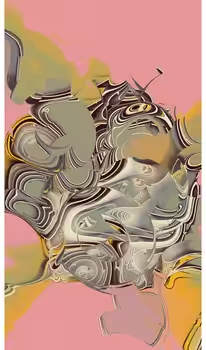
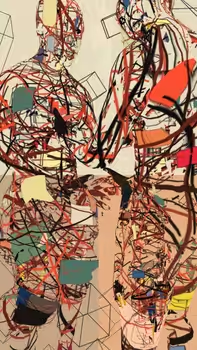
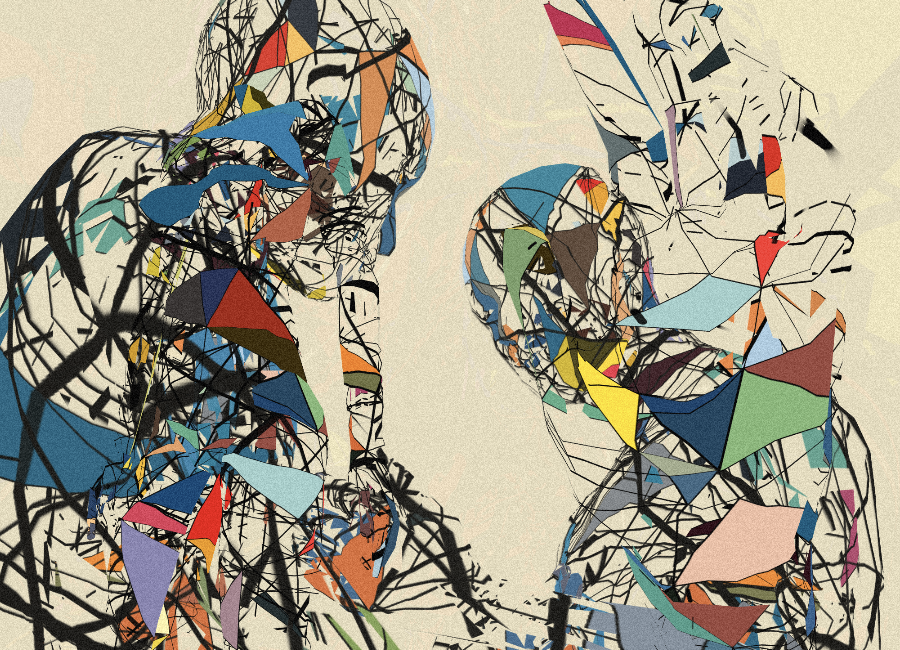
Rodríguez García also teaches creative coding, using p5.js, at Universidad Iberoamericana Puebla.,In 2023, his work Memorias del espacio olvidado was shown in “Evolving Pixels”, a group exhibition curated by Emily Xie for PROOF and Art Blocks at Venus Over Manhattan gallery in New York.That year, Forma y Orden also extended his coding practice into printed anatomical sculpture, combining digital design with physical form.,He joined the roster of the gallery ARTXCODE in 2024, and that year released En Mi Cuerpo, a long-form collection made with MakersPlace for Art Basel Switzerland that sold out within 24 hours.In 2025, Le Random commissioned Habitar Un Momento, a real-time generative system built around ten modes that never repeats or pauses, which Rodríguez García describes as a living entity exploring impermanence and contemplation.