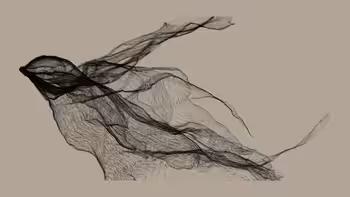
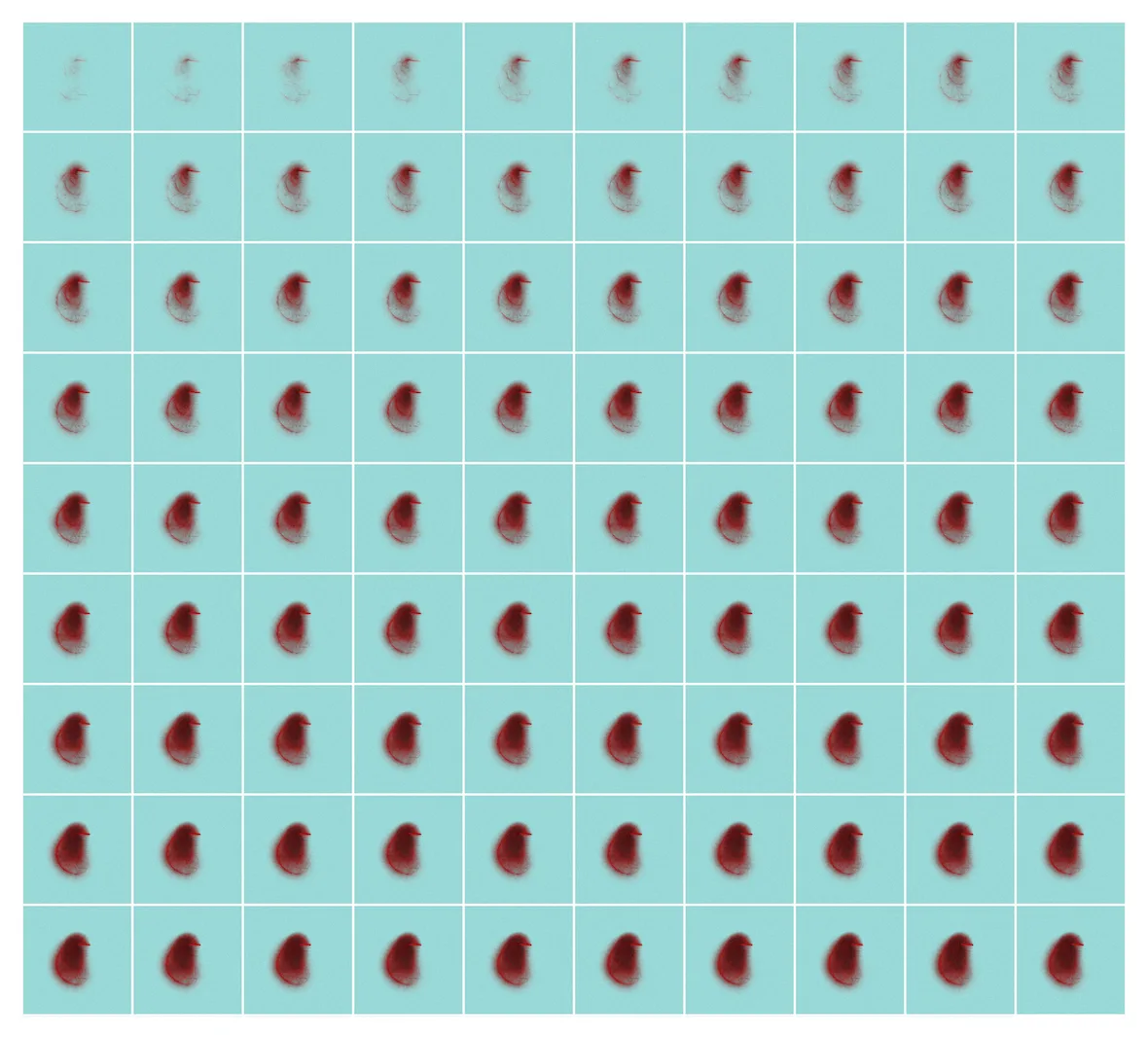
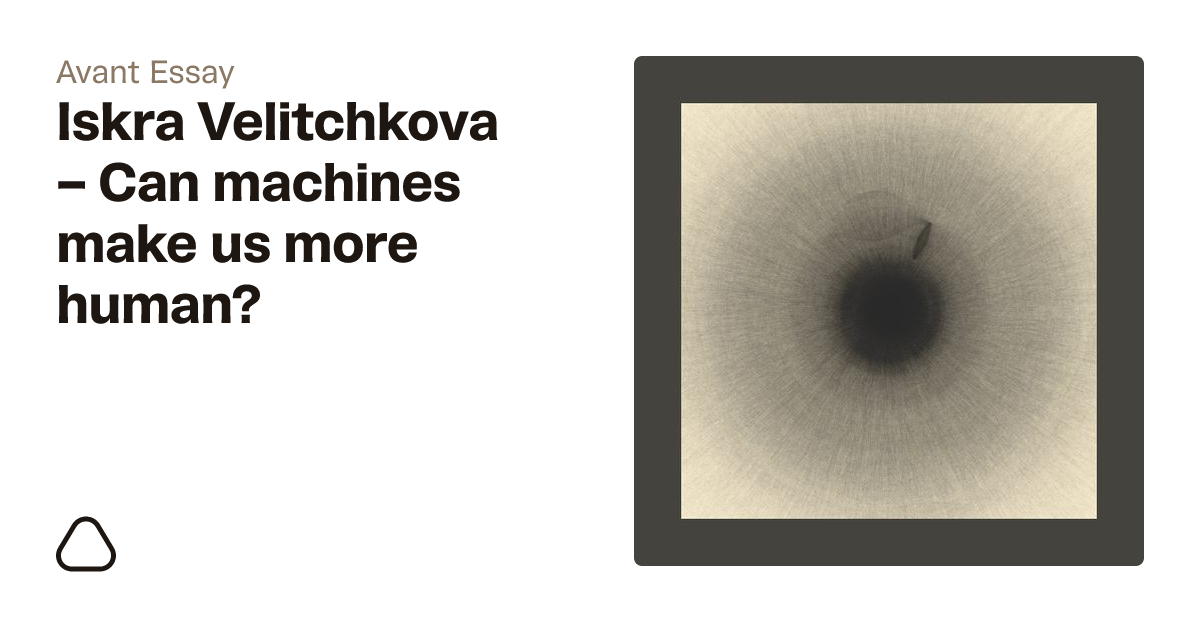
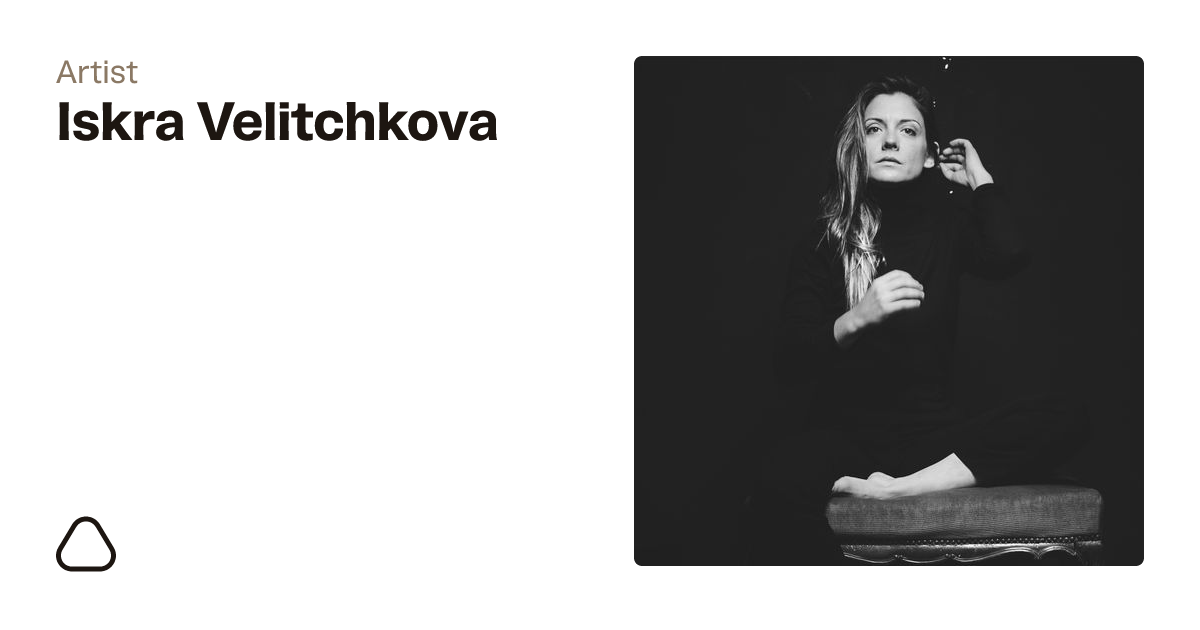
Iskra Velitchkova (Bulgarian, b. 1988) writes generative code exploring the relationship between humans and machines, translating algorithmic output into plotter drawings, paintings and clay.,Her work returns repeatedly to the idea of distance — the measured gap between a coded form, such as a bird emerging from lines of code, and the real thing it evokes — a gap she treats as the place where human essence resides.
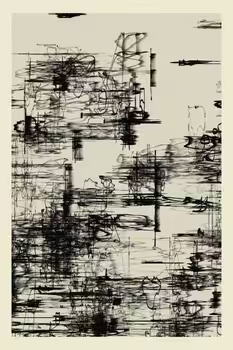
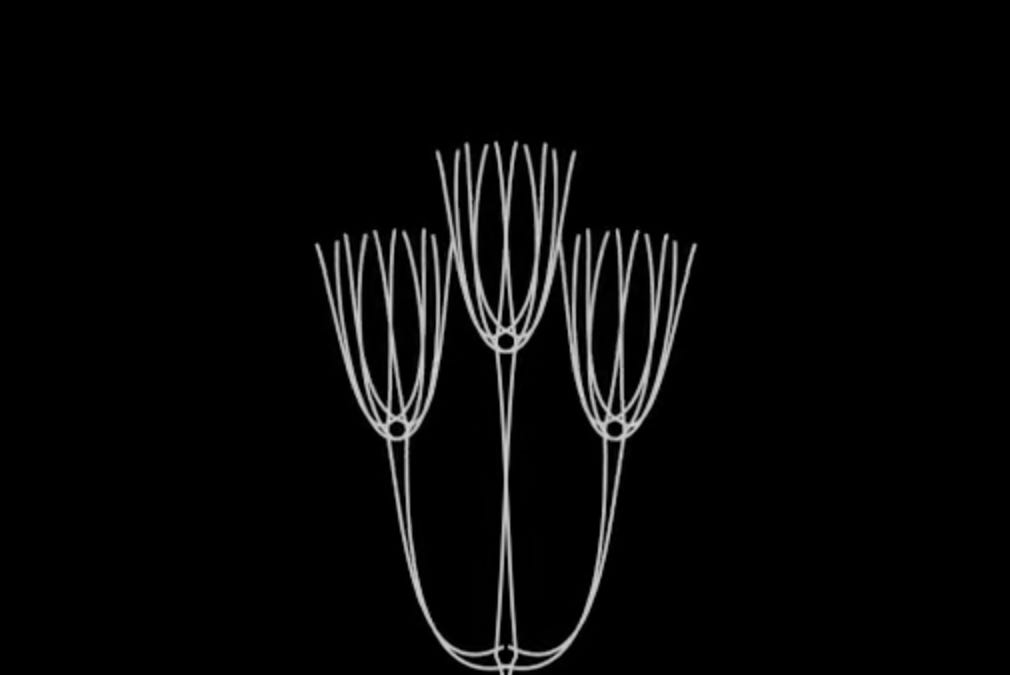
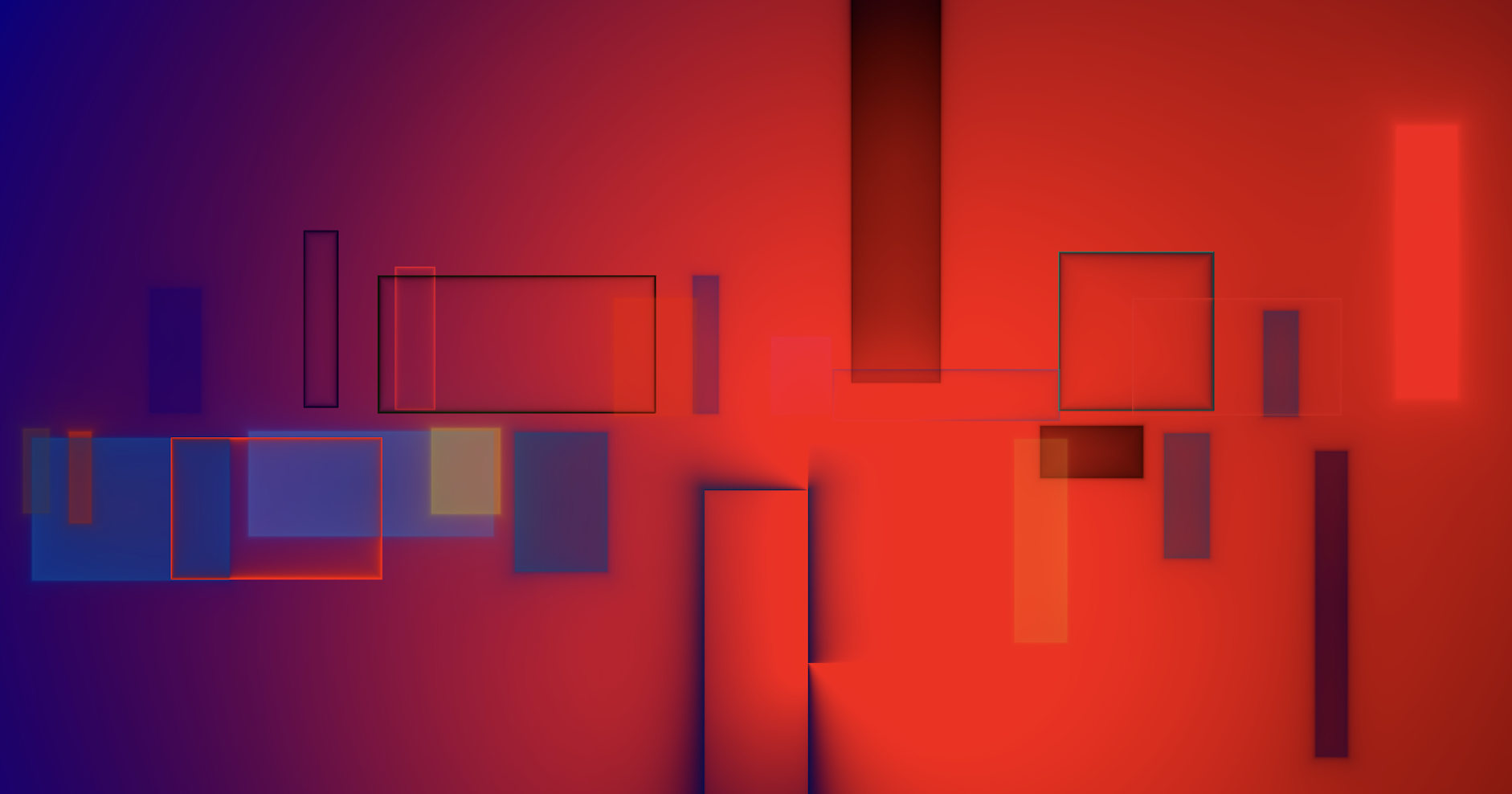
Before turning to art, Velitchkova worked in data visualization at a bank in Spain, where an unconventional restaurant-recommendation project — a month spent riding through Madrid with a GoPro camera on her motorbike — became the turning point that pushed her toward algorithms and away from the job.She began minting generative art on Tezos in 2021 with her debut series Generative nature,and her pieces quickly rose to the top of sales rankings on hic et nunc.A recurring bird motif runs through her practice, first emerging by accident when she tried to break code meant to represent a tree, and later resurfacing in works such as ESCAPE and A Captive Parrot.,Lines and Bones: Study of Distance, 2022, builds its forms from a few lines of code, accompanied by a letter responding to Kazimir Malevich's 1912 writing on man and machine. She revisited the project in EYENESSLESS, made in collaboration with Avant Arte.
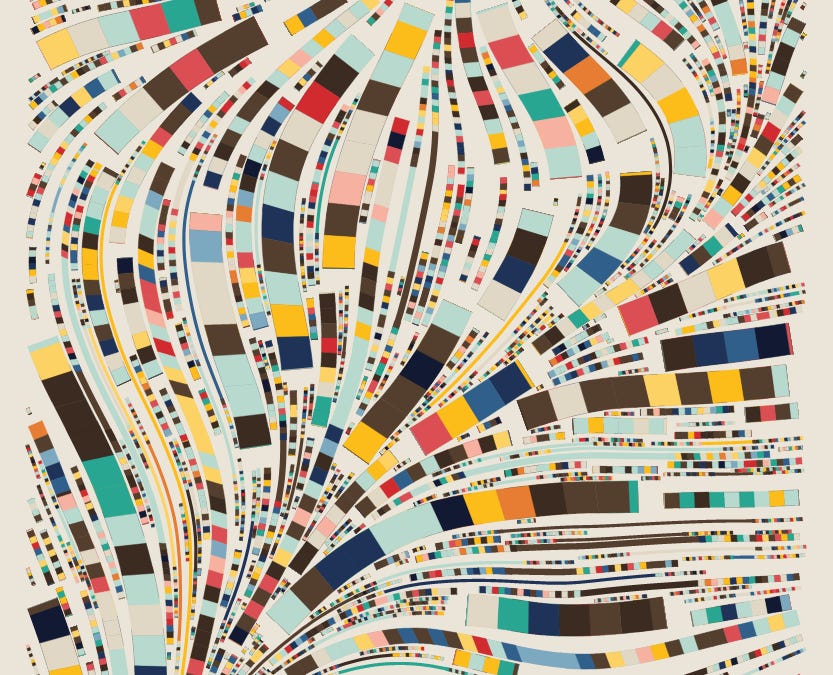
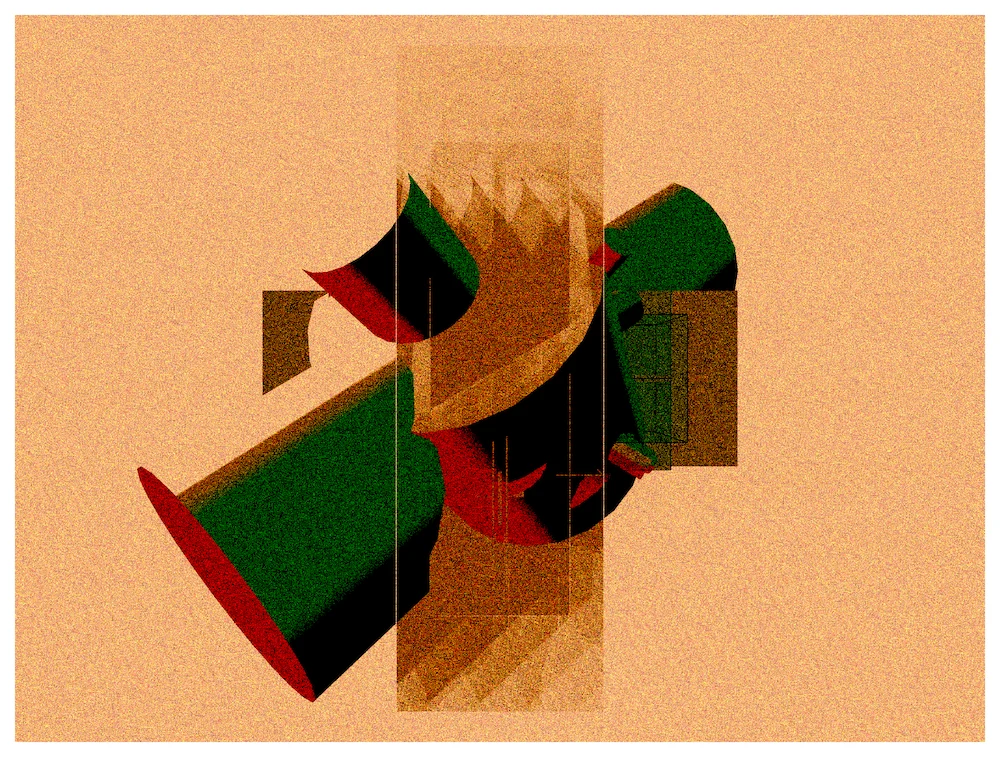
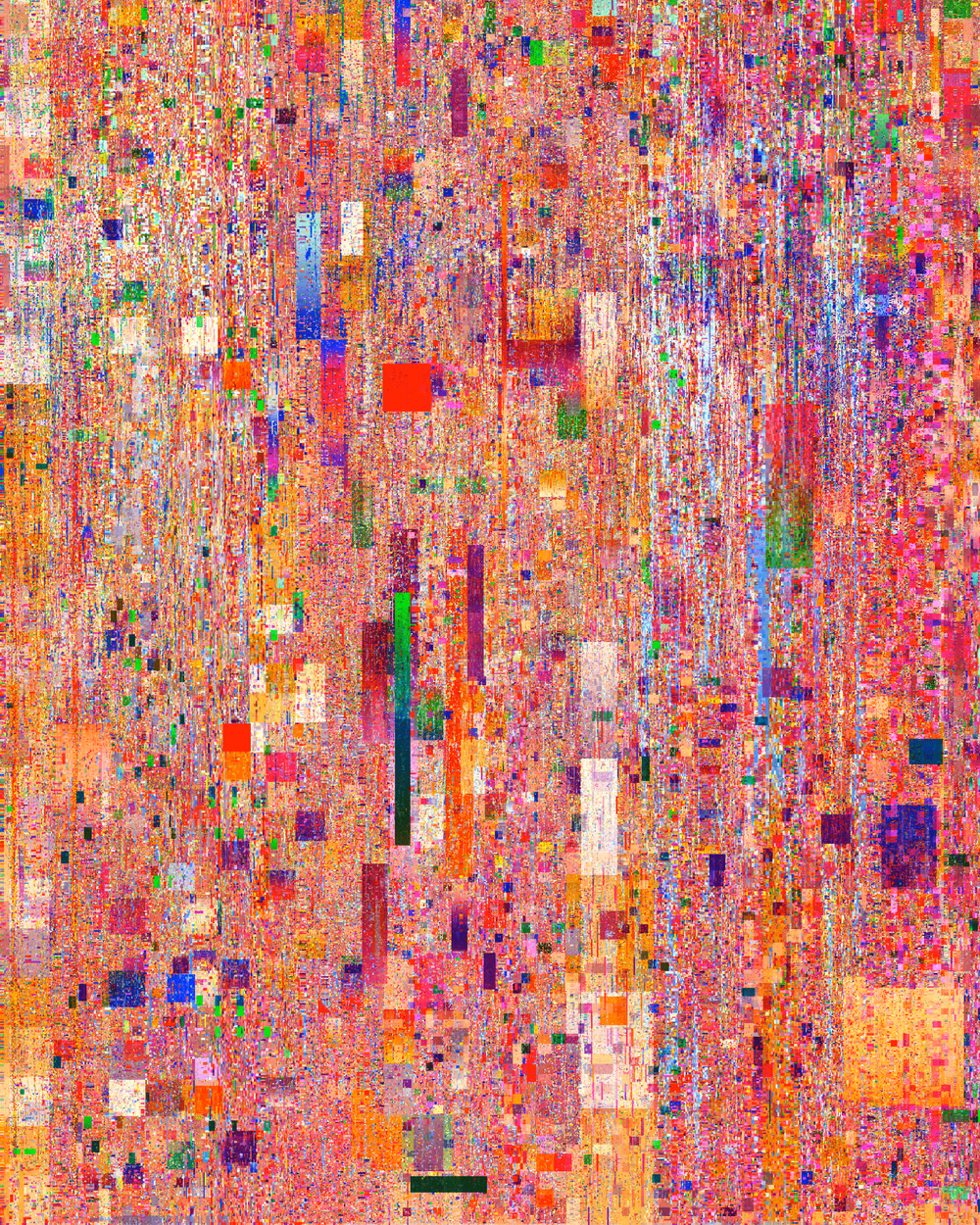
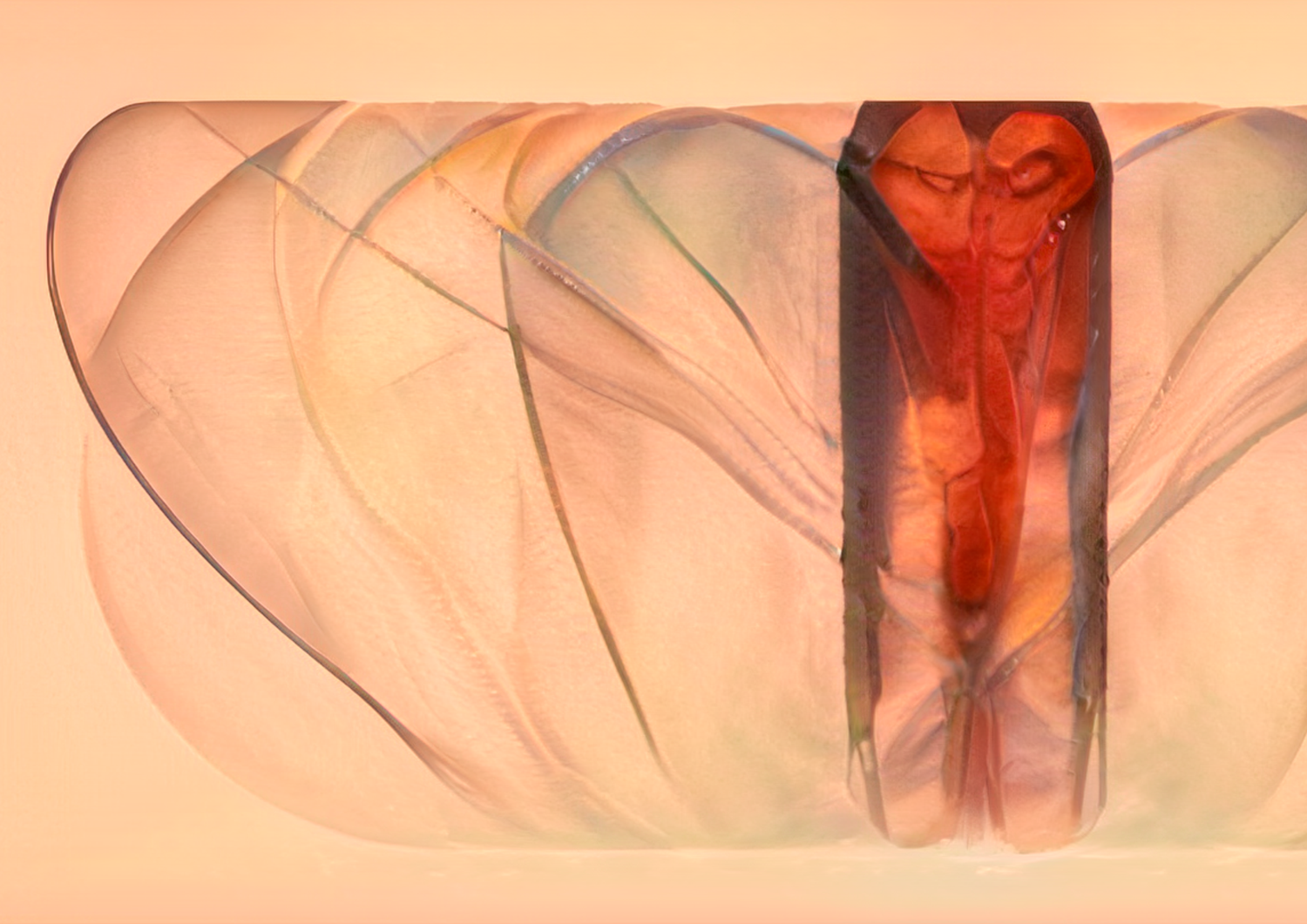
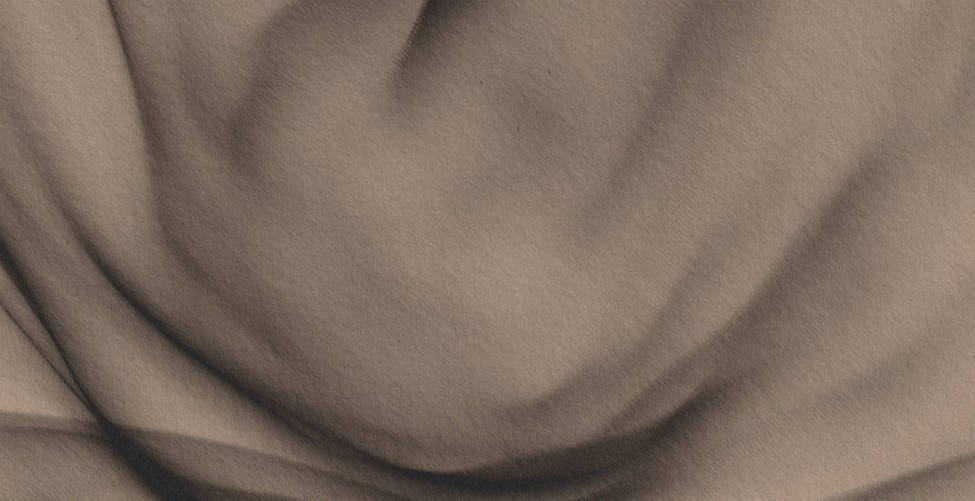
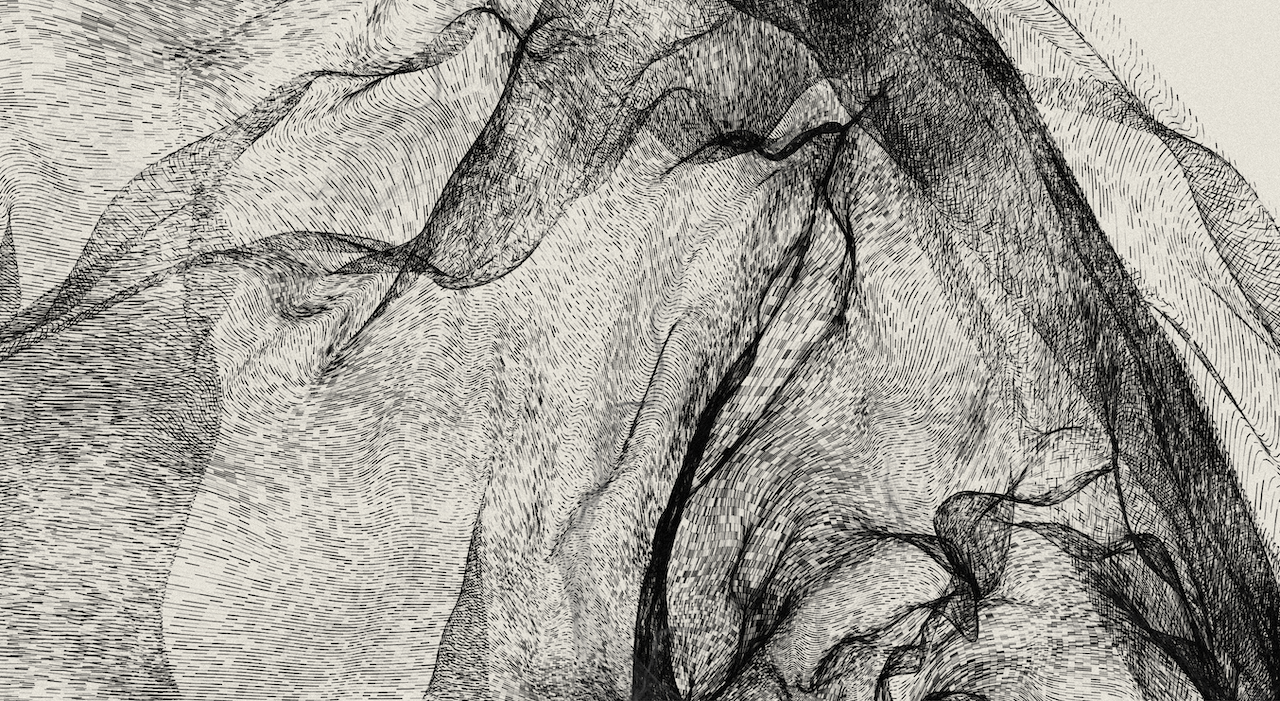
In 2022 she and Zach Lieberman released the collaborative series horizon(te)s on fx(hash), each artist working to inhabit the other's visual language.Lieberman has named her, alongside Vera Molnár, among the artists whose work he says truly resonates with him.Her un-distance series pairs a unique NFT with a hand-plotted physical drawing in ink and watercolor, shown at Kate Vass Galerie's “Phygital” exhibition.,With Marcelo Soria-Rodríguez she created PAL, a live four-day performance at Art SG Singapore in which a generative system was recorded onto VHS tape and distorted with a magnet, later released as 100 unique NFTs.The fallopian visitor, 2023, combines generative code, oil painting and analog photography to ask whether algorithm-generated eroticism invites the same scrutiny as its human equivalent.,Her 2024 Art Blocks series INK reimagines historical inks — iron gall, ballpoint blue, Egyptian black — as an algorithmic meditation on memory and impermanence.,In 2026 she introduced I See Generative, a long-term framework treating distance as a condition of contemporary perception.Its first instalment, “I See Generative, Chapter 0: Wind”, was shown at Fellowship in London.