Claus O. Wilke is a computational biologist and digital artist who makes art with generative algorithms, data science tools, and AI, exploring what happens when these tools are pushed into unconventional use.He is the Jane and Roland Blumberg Centennial Professor in Molecular Evolution at the University of Texas at Austin and holds a PhD in theoretical physics from the University of Bochum in Germany.
As a teenager in the late 1980s, he discovered the book The Beauty of Fractals and tried generating fractals on a Commodore computer. During his PhD he worked in complex systems and artificial life, encountering Conway's Game of Life, cellular automata and other pattern-generating systems.He also contributes to the R data-visualization package ggplot2 and wrote the book Fundamentals of Data Visualization. While writing that book, he realized he was more interested in the visualization itself than in the underlying data, a realization that led him toward generative art.Following the generative artist and ggplot2 maintainer Thomas Lin Pedersen led him to notice the NFT platform Hic et Nunc, and since 2021 he has published generative work on fx(hash), Foundation, EmProps and Highlight.,
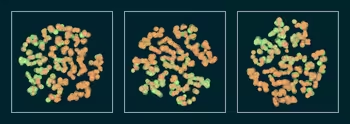
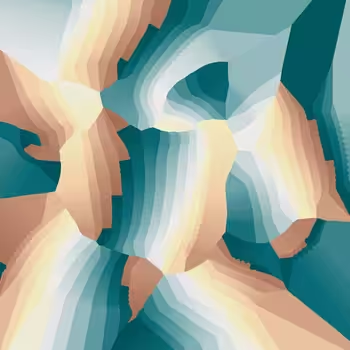
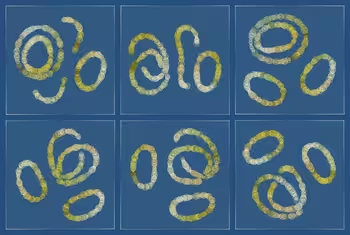
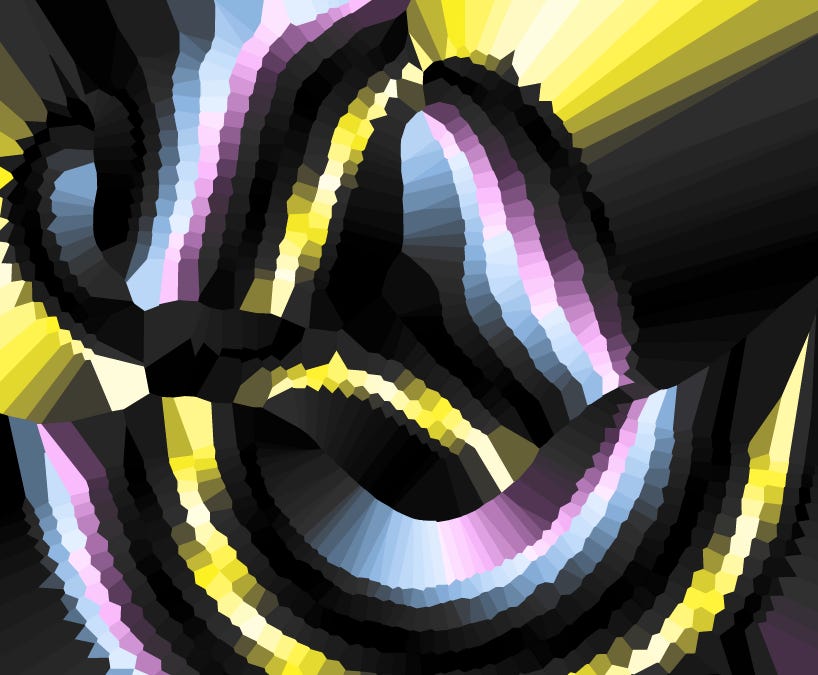
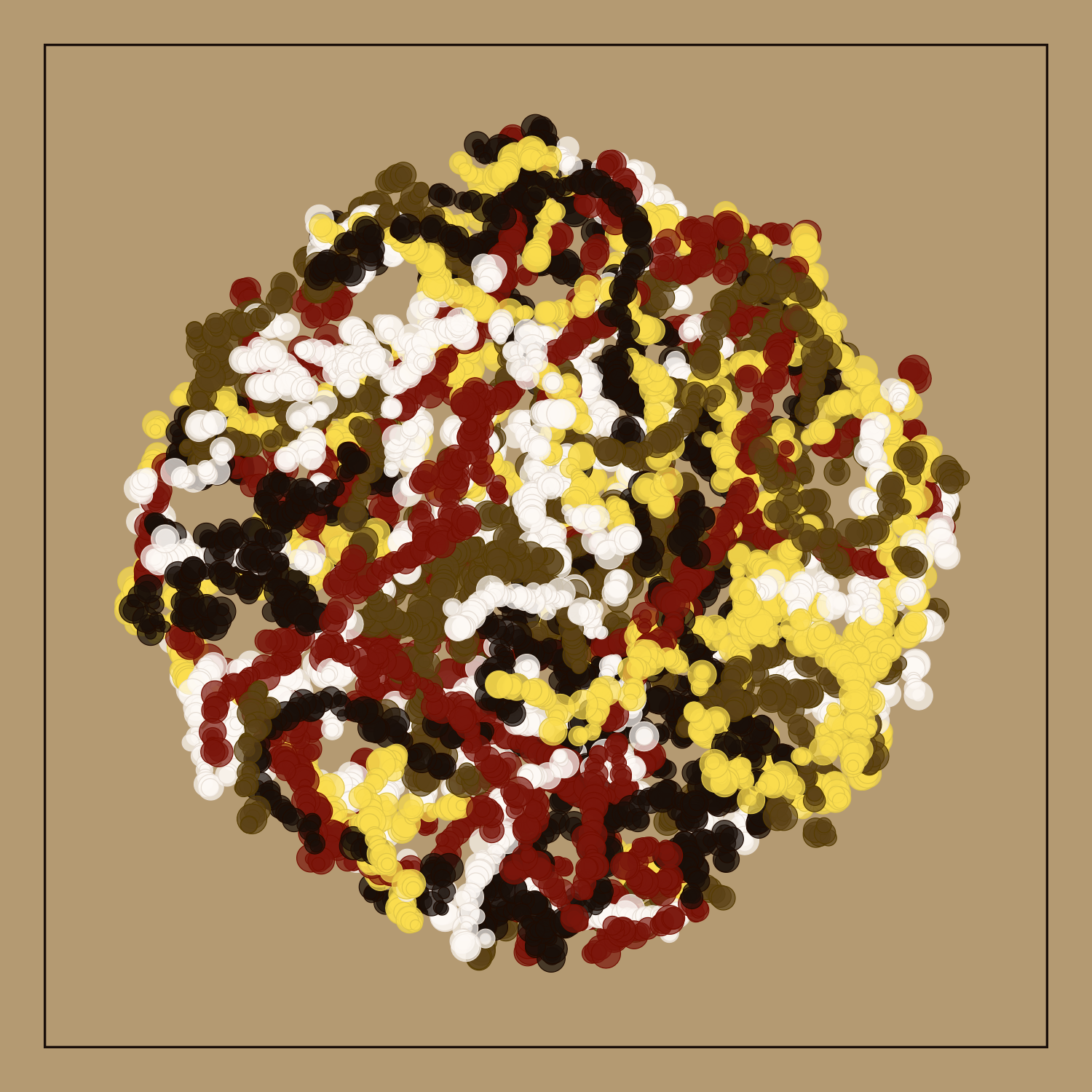
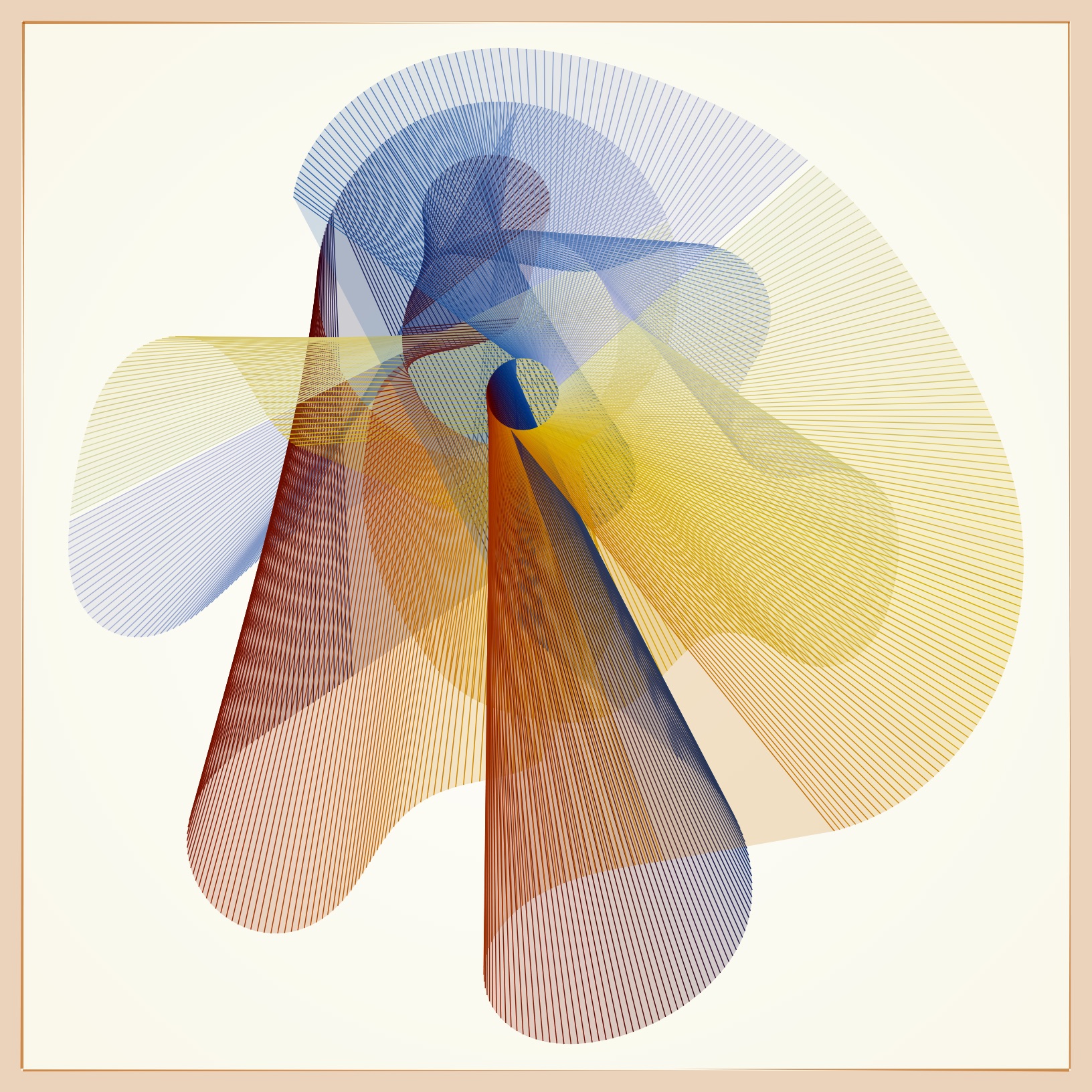
In his generative art he settled on a single technique, t-distributed stochastic neighbor embedding (t-SNE), a machine-learning method for dimension reduction that he has used to generate dots, polygons, Voronoi tessellations, raytraced 3D sculptures and real-time voxel forms. “These inconveniences force me to come up with new ideas and do things in an unconventional way”, he has said of working within the algorithm's constraints.His t-SNE series, 99 long-form pieces corresponding to consecutive random seeds, was released on OpenSea, and the related Sneronoi collection visualized the algorithm's optimization process as an animation before settling into a static image.,For Eternal Connection, released on fx(hash) in June 2022, all secondary-sale royalties went to the wallet that minted each piece rather than to the artist, and proceeds from the primary sale supported humanitarian relief in Ukraine.Its follow-up Before/After, released the following month, shares much of its code but instead draws a line from every point in the input data to its corresponding point after the transformation.
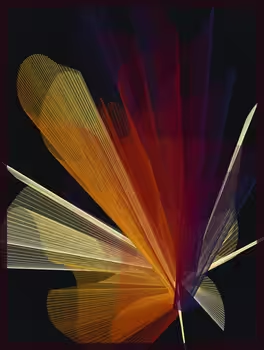
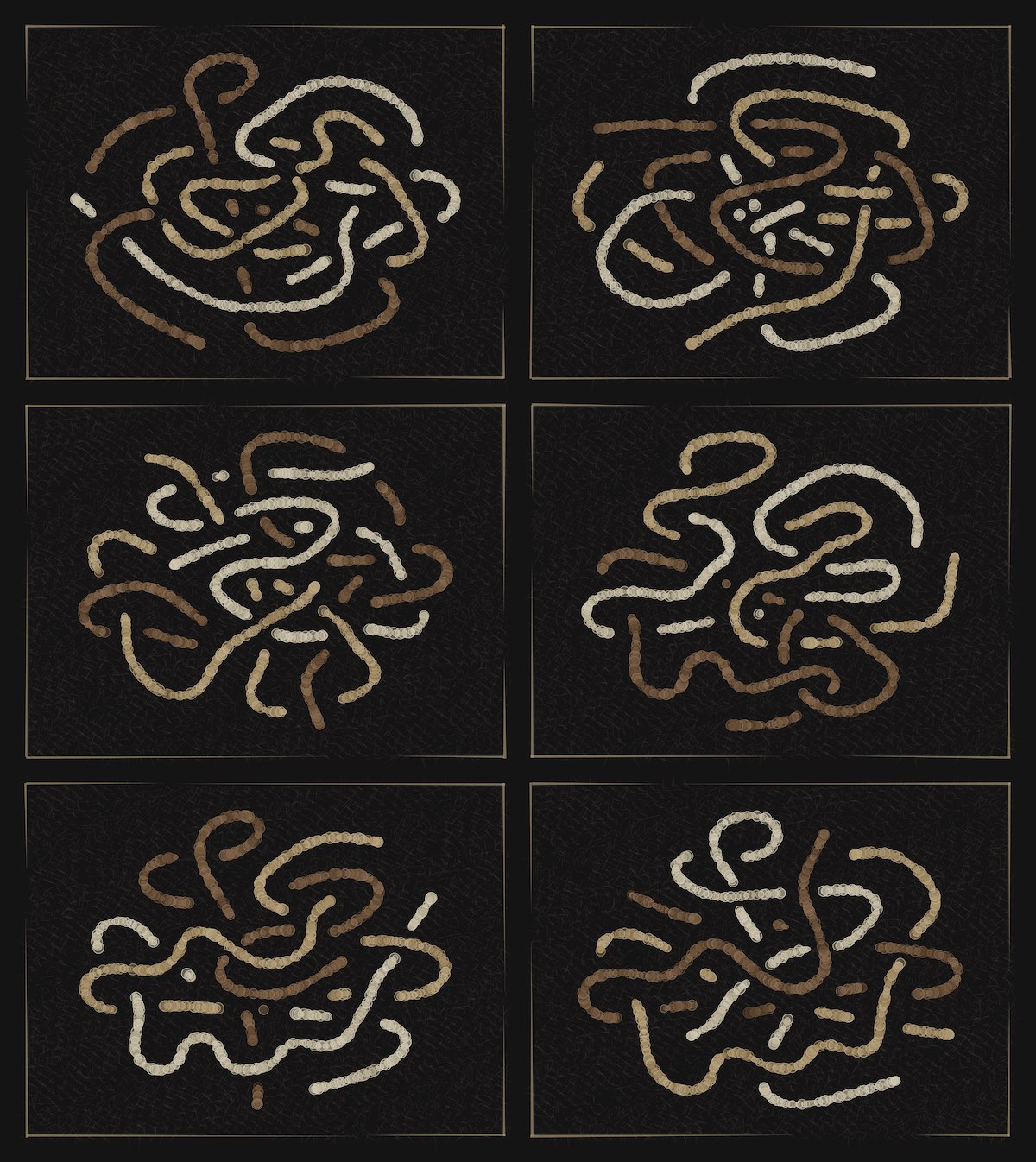
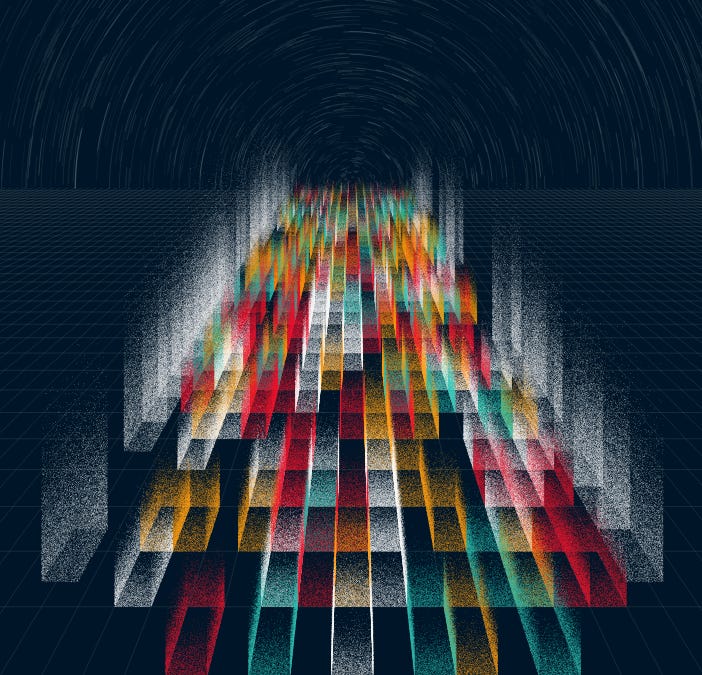
In 2022 he joined generative artist Camille Roux's collaborative fx(hash) project BRIDGE, contributing BRIDGE #67 Into another world alongside more than two dozen other artists sharing a single codebase.,Working within Roux's shared framework pushed him to focus on a single idea rather than his usual complexity, and led him to speed up the rendering of his stippling technique.