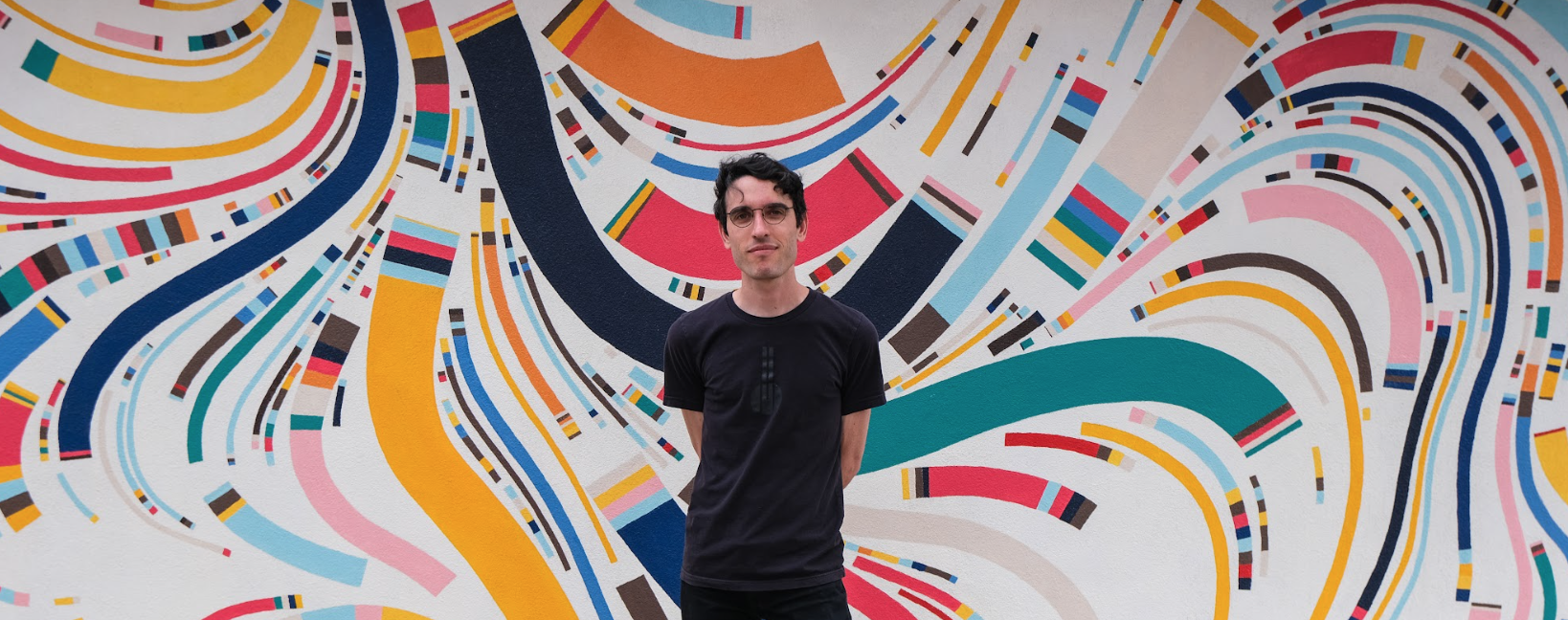
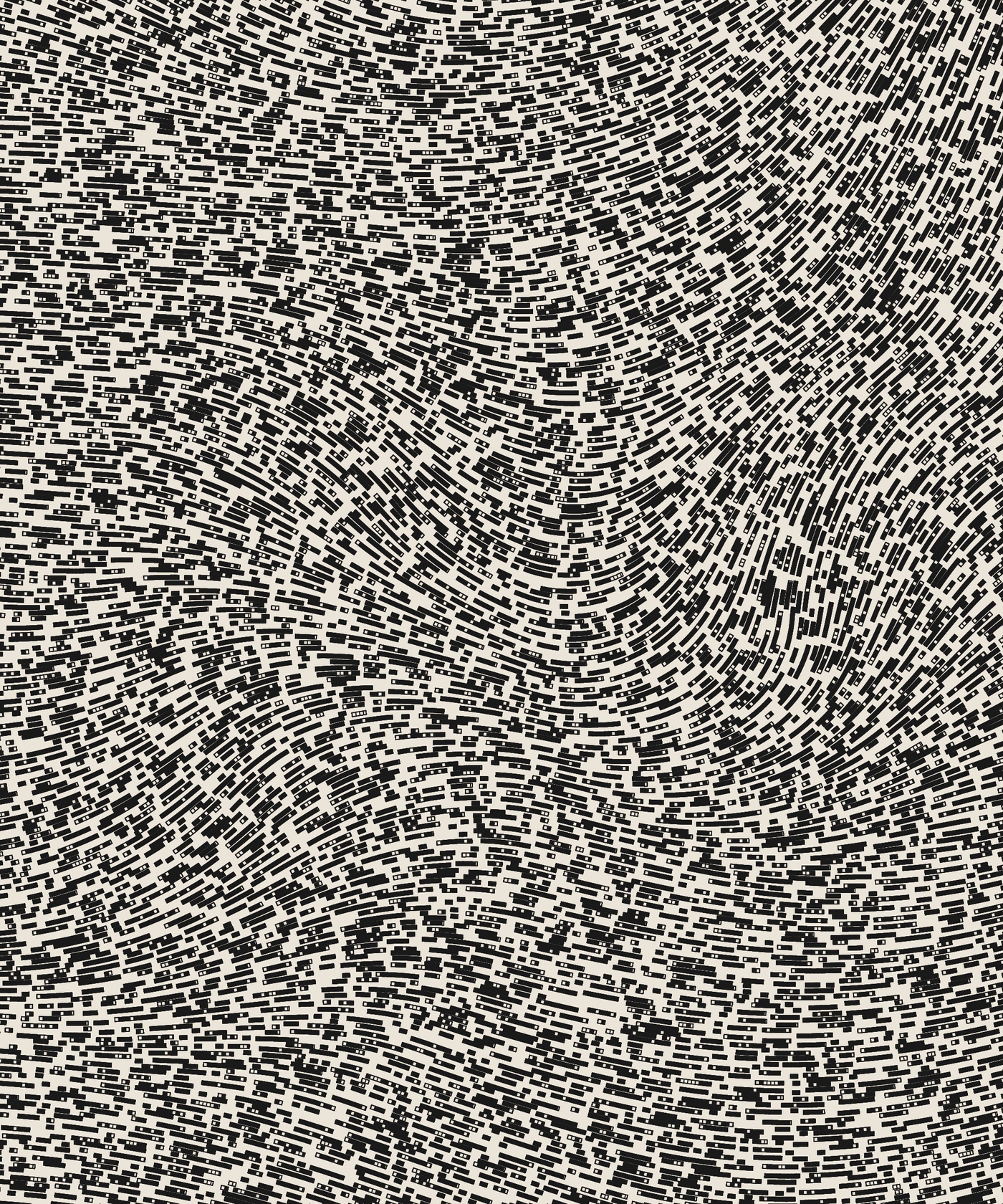
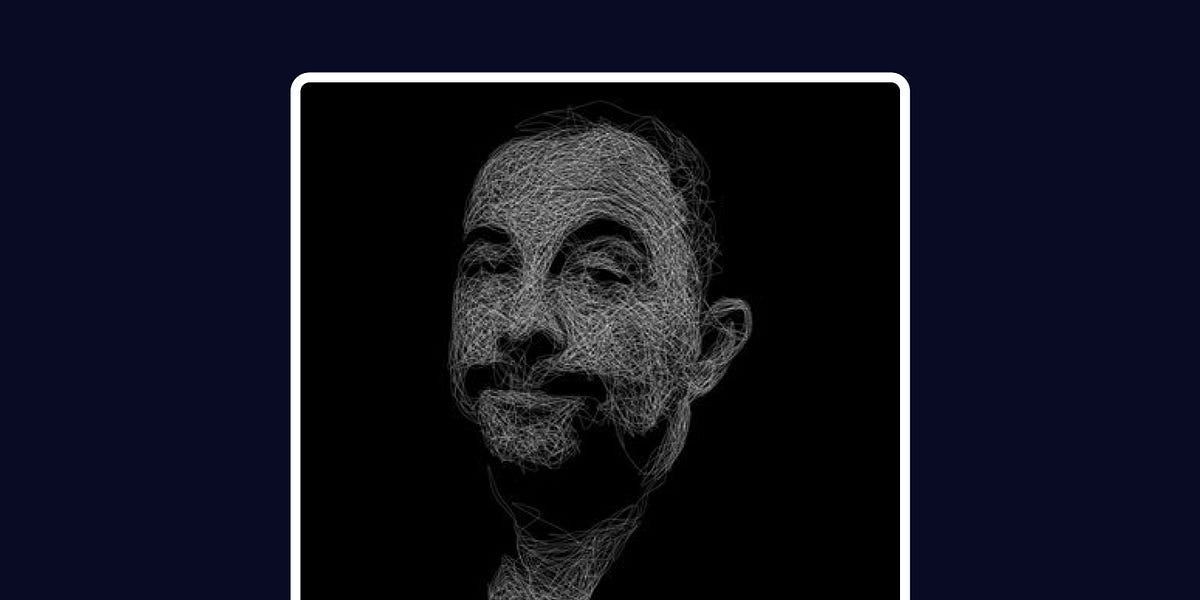
Tyler Hobbs is an American artist based in Austin, Texas, who writes his own algorithms to generate abstract compositionswith plotters, paint and code.He holds a computer science degree from the University of Texas and worked as a programmer before turning to art.,
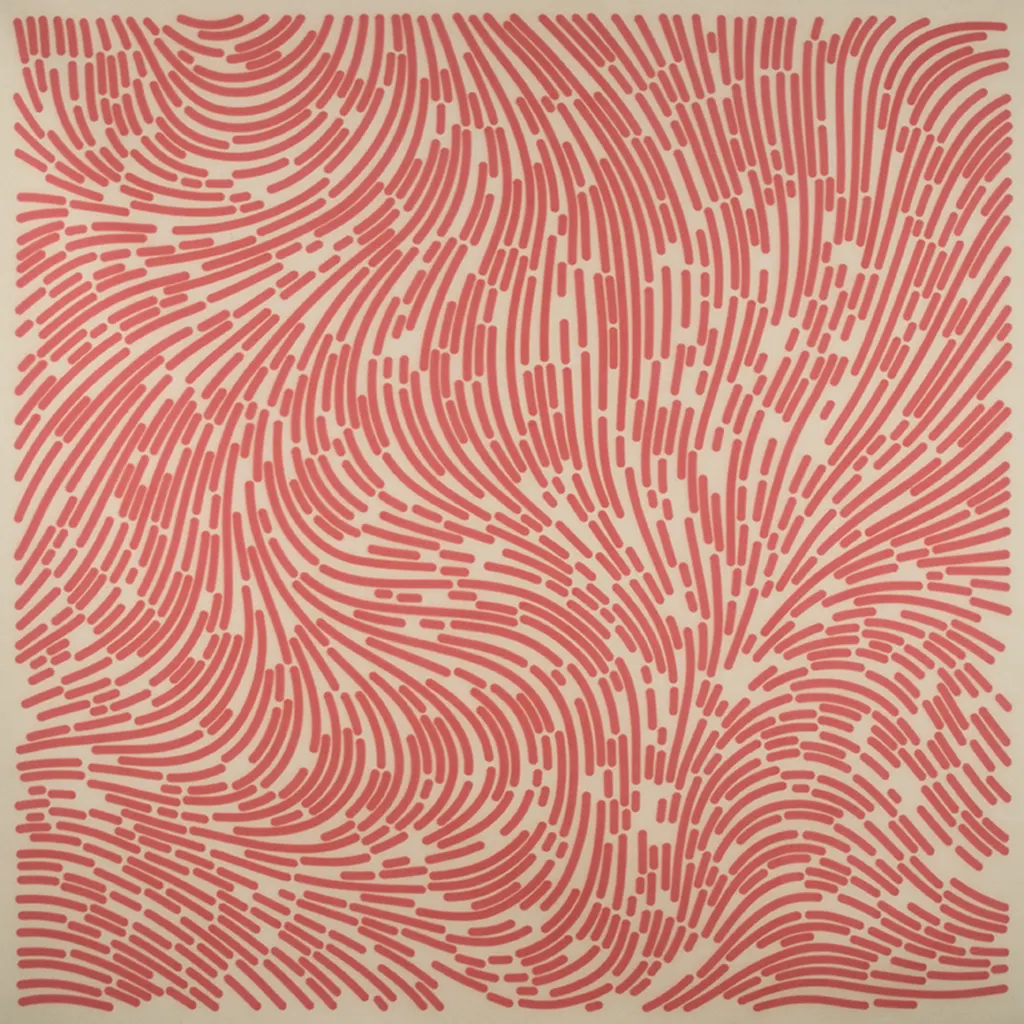
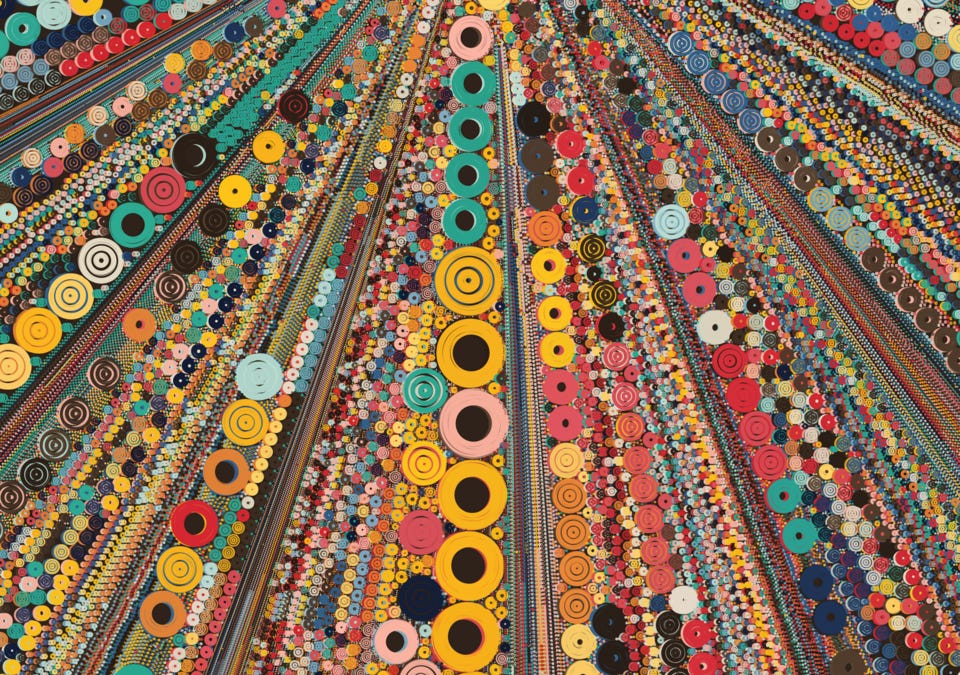
After graduating in 2010, Hobbs worked as a programmer on the open-source database Cassandra while making art in his spare time.He began by hand-drawing mathematical patterns, then coded his own tools before discovering Processing and the work of Casey Reas, who helped him situate generative art within a longer art-historical lineage.,In spring 2021, after seeing Dmitri Cherniak's Ringers and Kjetil Golid's Archetypes on the newly launched Art Blocks platform, he applied to release work there. On June 11, 2021 he launched Fidenza, 999 algorithmically generated compositions built on a flow-field algorithm he had been developing for years.In an essay that year he coined the term long-form generative art to describe this new mode of releasing large, uncurated output sets directly to collectors.,
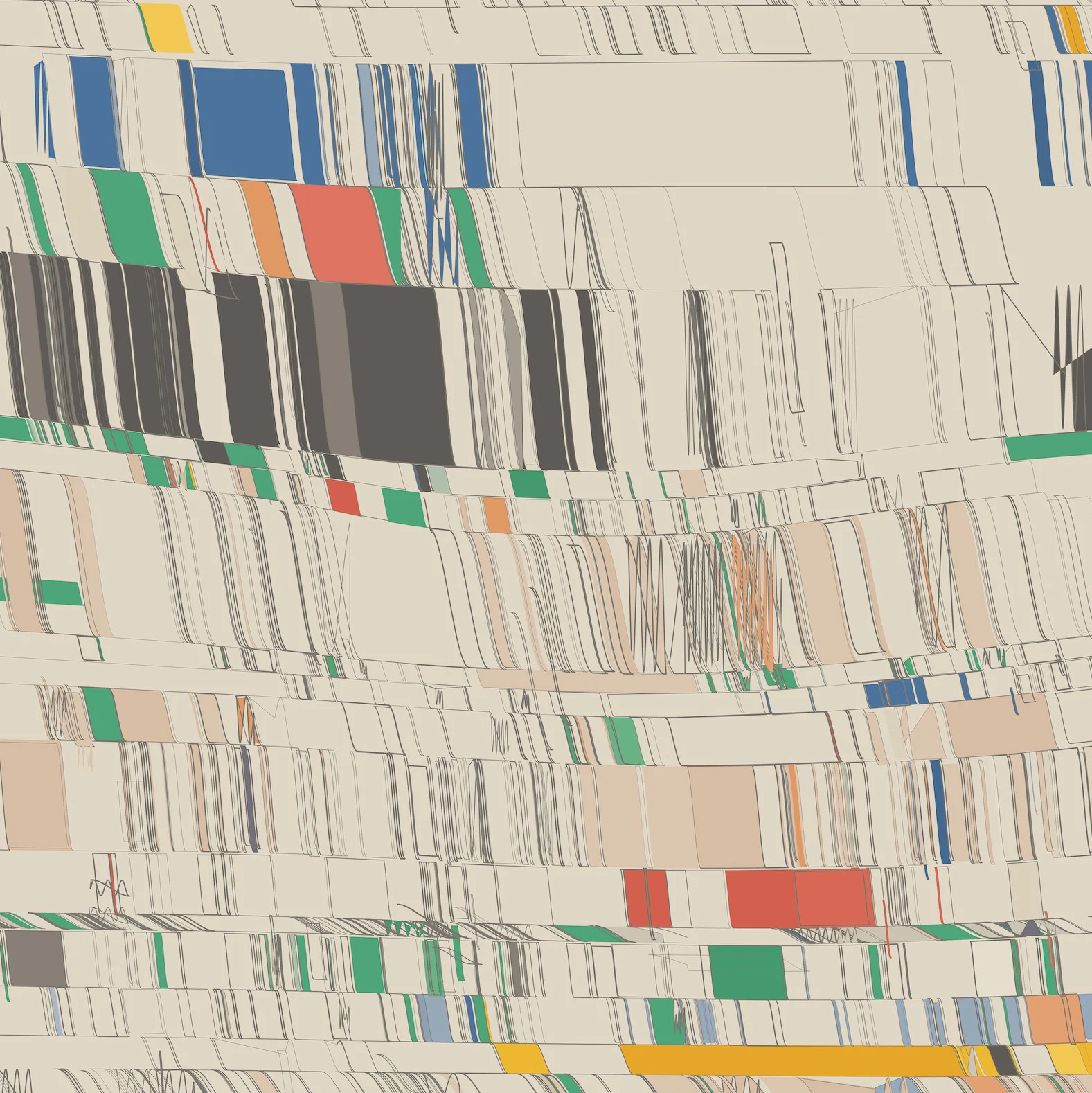
In 2021 he released Incomplete Control through a live-minting event with Bright Moments in New York.,The following year he released QQL with Dandelion Wist Mané, a project that lets collectors adjust the algorithm's parameters to shape their own outputs.,In 2023 Unit London presented “Mechanical Hand”, his debut solo exhibition in the UK, and Pace Gallery in New York presented “QQL: Analogs”. That year the Los Angeles County Museum of Art and the San Francisco Museum of Modern Art acquired multiple works, including Fulfilling System 1 and Fulfilling System 2 (2020), Careless and Well-Intentioned #2 (2022) and Jacquard Legacy (2023), adding his work to their public collections.Fidenza and QQL were later shown together in “Infinite Images: The Art of Algorithms” at the Toledo Museum of Art.,
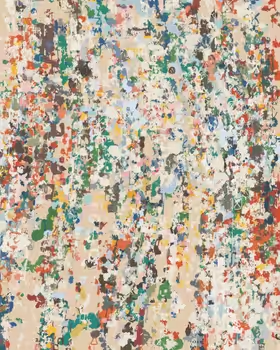
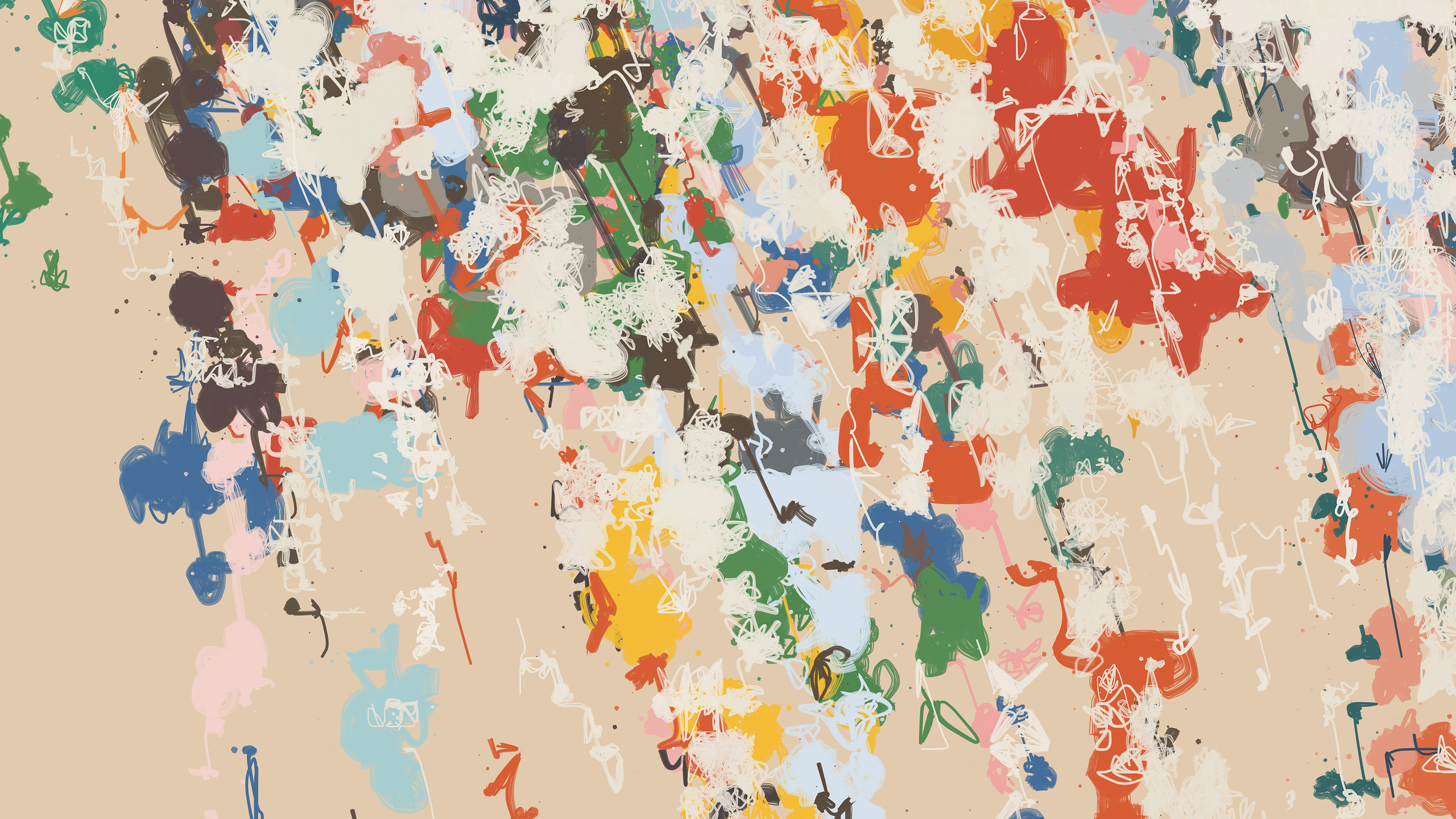
In 2025 he presented From Noise, a twelve-work digital series with SOLOS gallery at Art Basel Miami Beach's Zero 10 section, shown physically as large-format prints on varnished wood panels. The series translates the spontaneous mark-making of gestural painters such as Joan Mitchell and Cy Twombly into algorithmic form, an idea he extended in the accompanying screen-print series Translated Gestures.