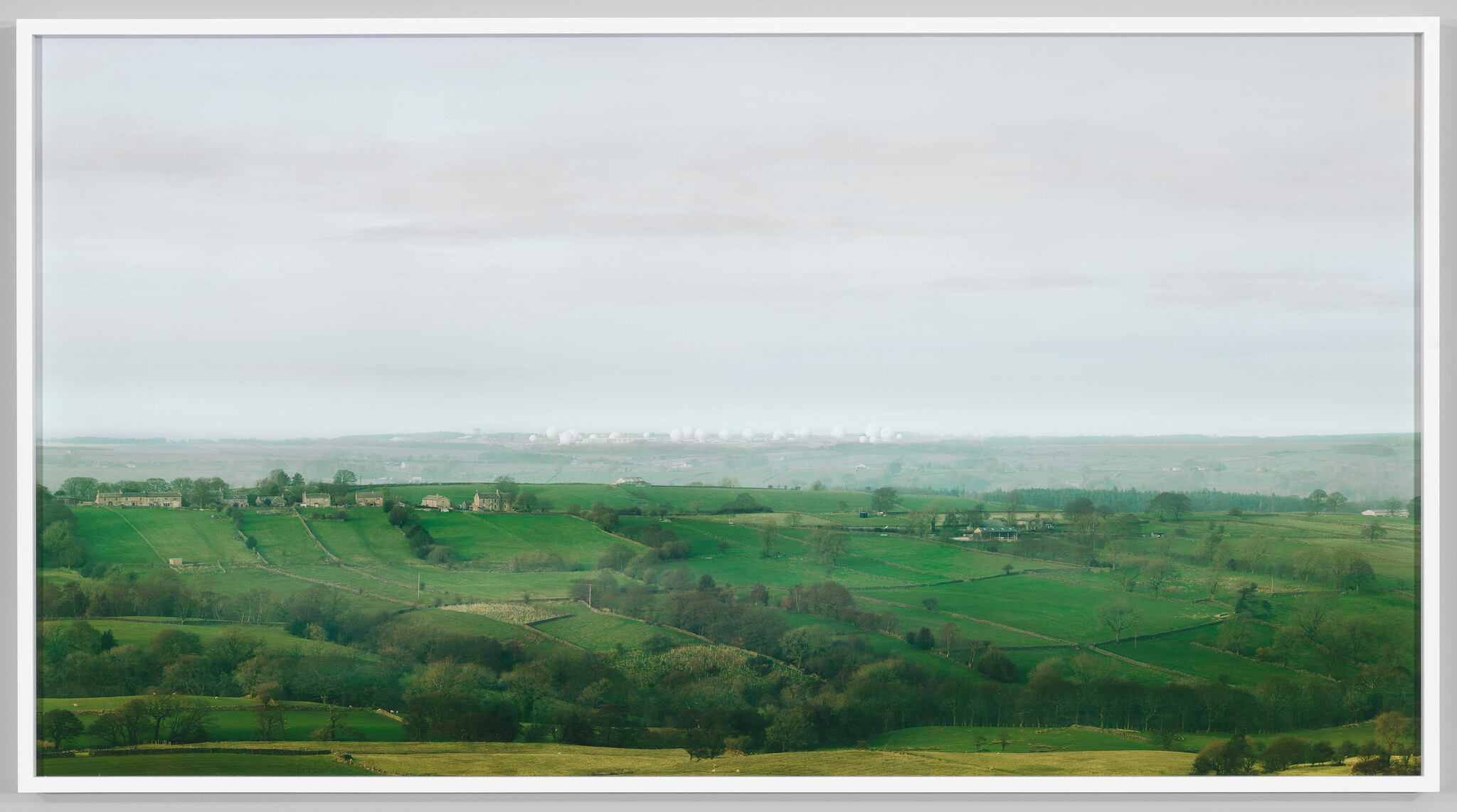
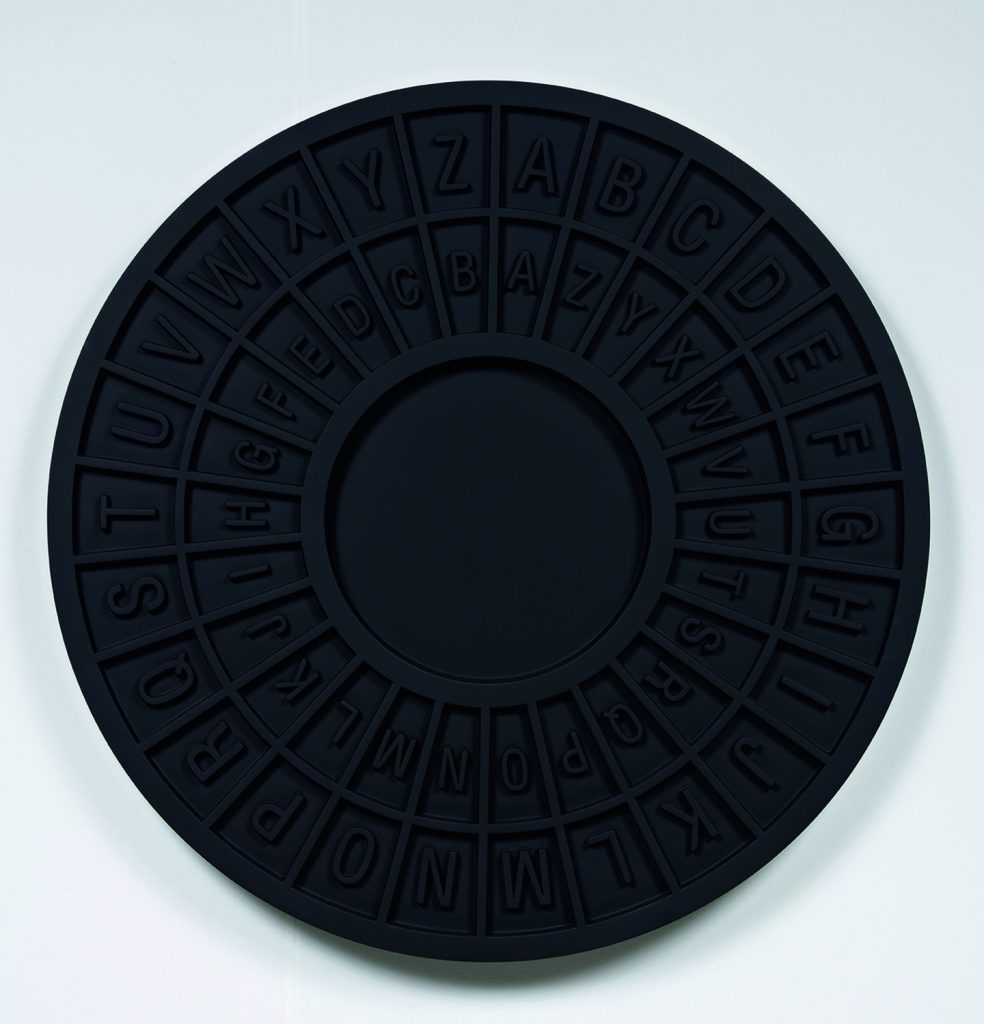
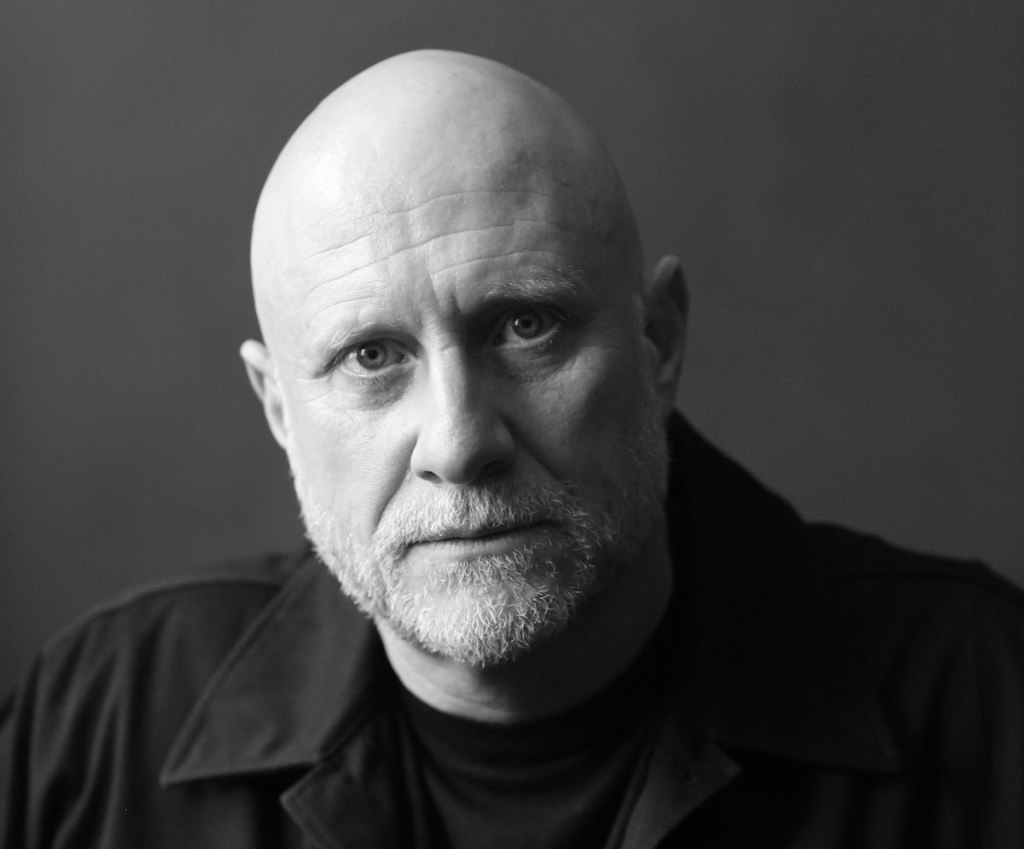
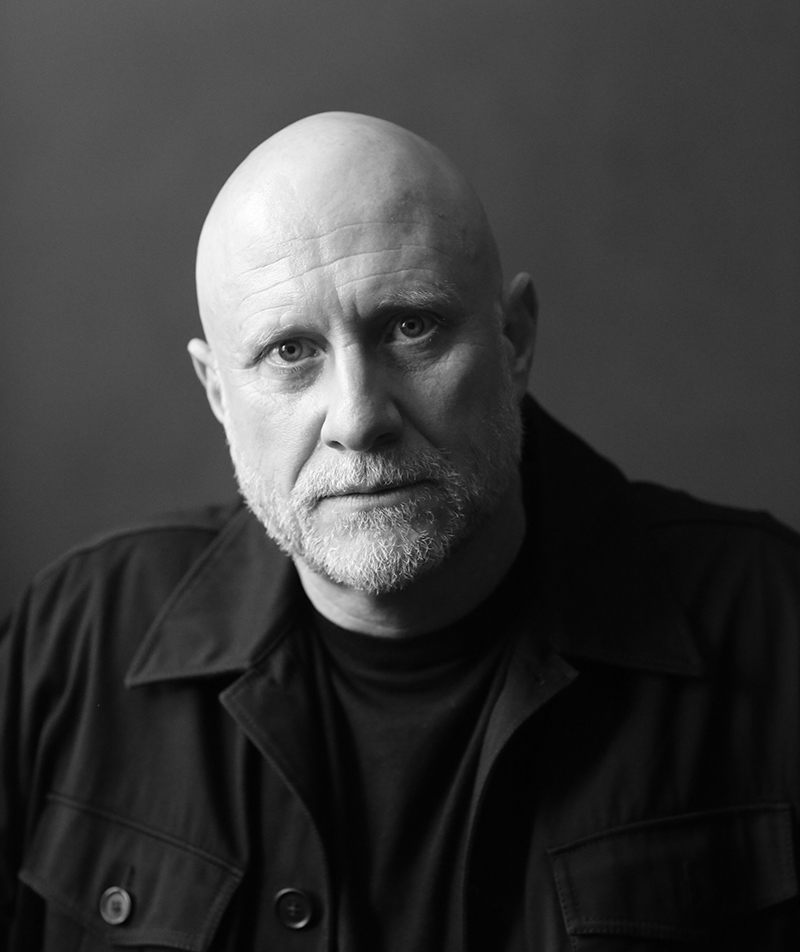
Trevor Paglen (American, b. 1974) is an artist, geographer, and authorwhose work spans photography, sculpture, and investigative journalism,and addresses mass surveillance,inaccessible military sites,and machine vision.Early works such as They Watch the Moon (2010), a long-exposure photograph of an inaccessible military site, and Untitled (Reaper Drone) (2010) used photography to approach sites and systems the state keeps hidden from view.
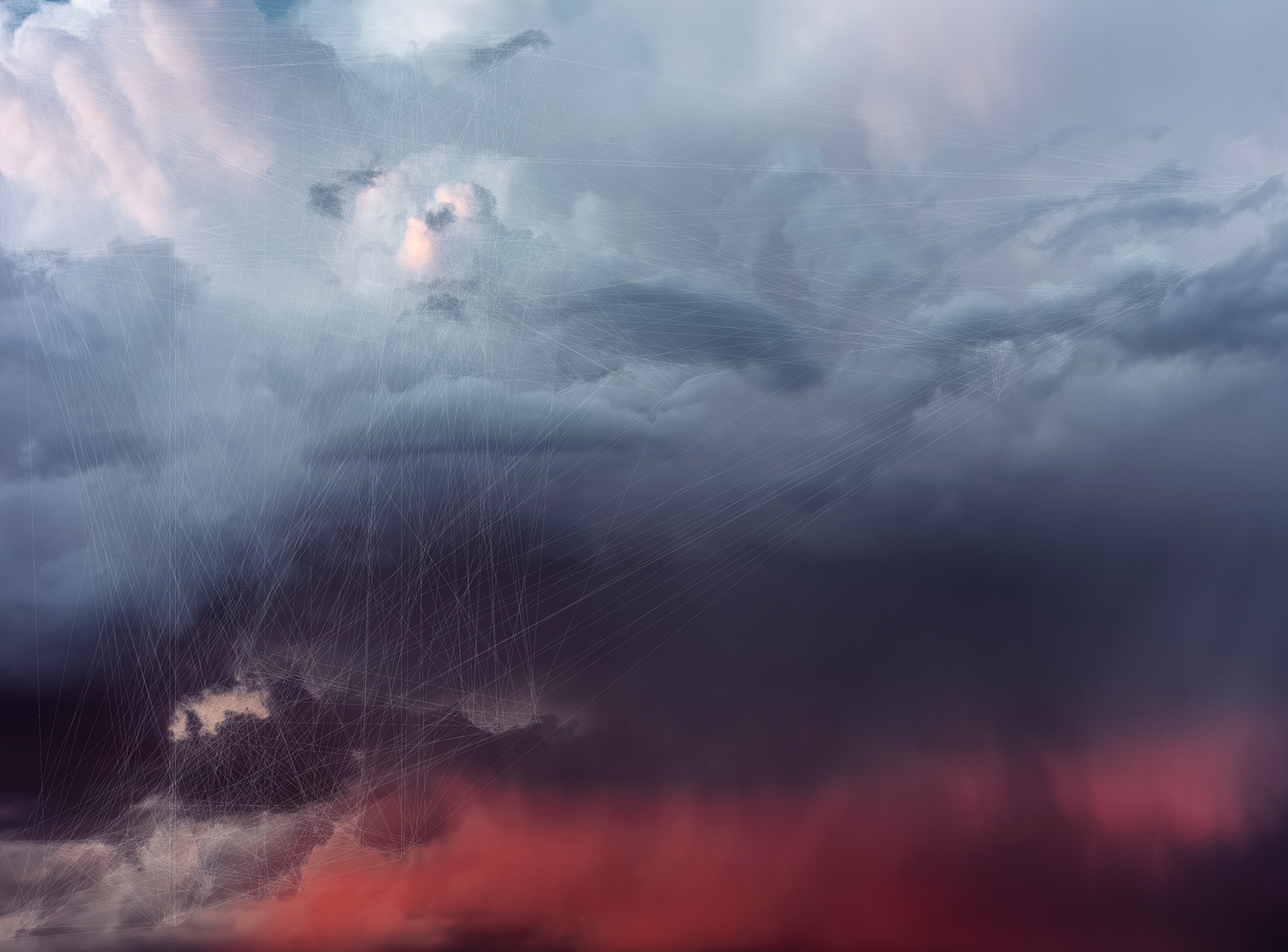
In 2015 he photographed Bahamas Internet Cable System (BICS-1) NSA/GCHQ-Tapped Undersea Cable Atlantic Ocean, showing indistinct images of deep-sea cables tapped by the NSA. This work was gathered in his exhibition “Sites Unseen” at the Museum of Contemporary Art San Diego.In 2016 he received the Deutsche Börse Photography Foundation Prize.
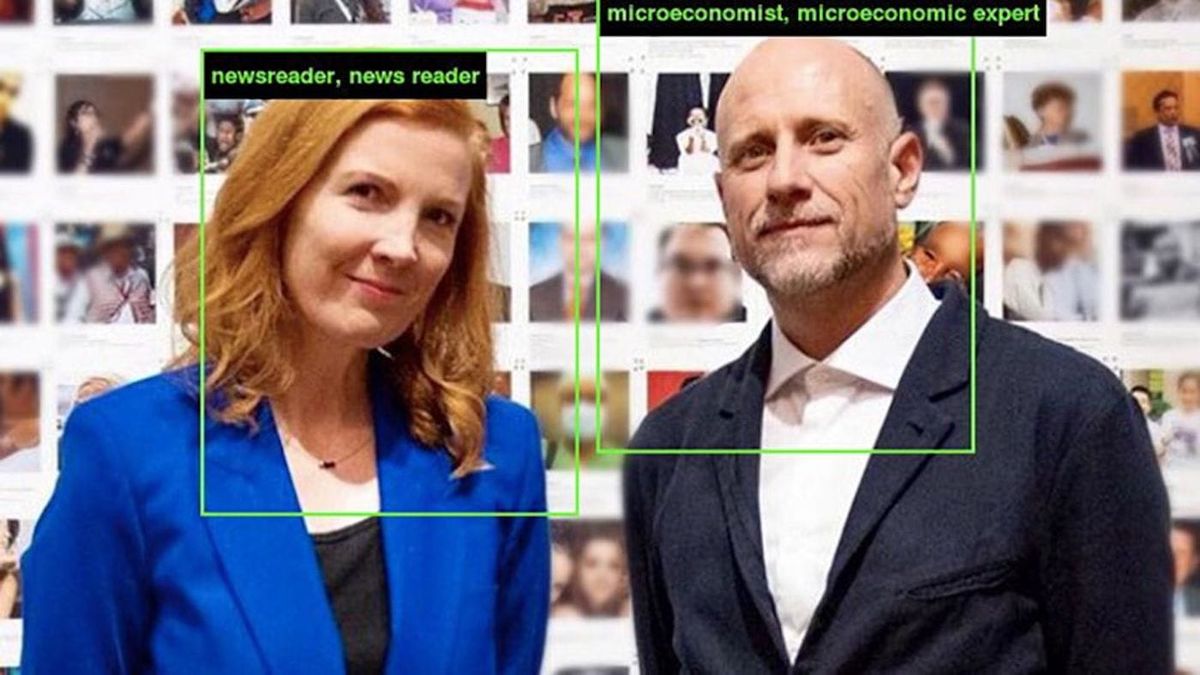
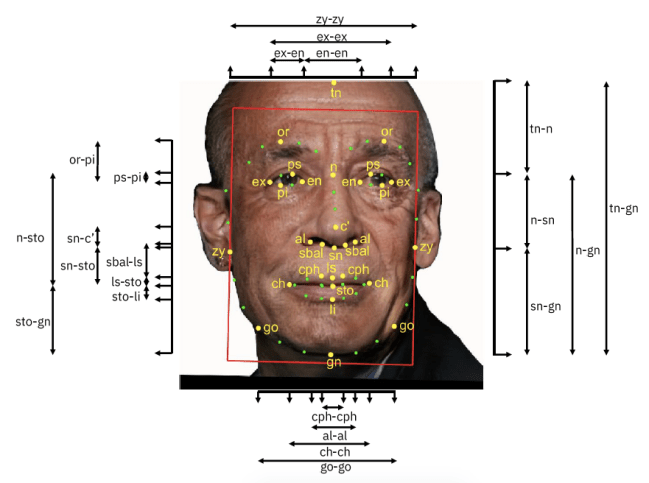
With the researcher Kate Crawford he spent two years on the project Excavating AI, opening up hundreds of AI training datasets and finding racist, misogynistic, and otherwise biased classifications inside ImageNet, a database of more than fourteen million images that had been labeled by crowdsourced workers.,In 2019he and Kate Crawford released ImageNet Roulette, a website that let users upload photographs to see how ImageNet's AI classified them.,Days after the project went viral, ImageNet announced it would remove more than 600,000 images from 438 of its 'people' categories.
In 2017 he received a MacArthur Fellowship.In 2020 he released Bloom, a series that fed photographs of flowering trees into an AI system that recolored them according to undisclosed classifications.In 2026 he published the book How to See Like a Machine: Images After AI, arguing that computer vision in the 2000s and 2010s and generative AI in the years since constitute two successive revolutions in humans' relationship to images.,That year the Guggenheim Museum awarded him the $100,000 LG Guggenheim Award for art and technology.,
In 2026 he curated the Swiss edition of Art Basel's “Zero 10” digital art sector.,,