Terence Broad is an artist and researcher whose research-led practice has, since 2015, used machine learning to explore replication, simulation and representation.His work treats generative AI systems as artistic material, using a hacking approach to expose the computational assumptions that underlie them.,He is based in London and holds a PhD in computational arts from Goldsmiths, University of London.
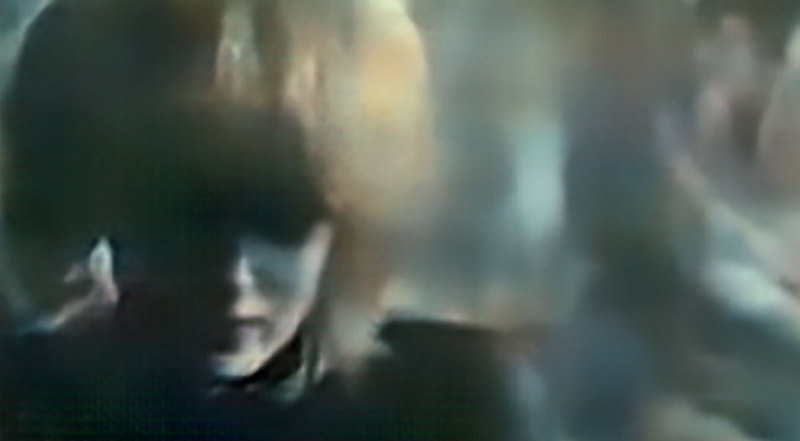
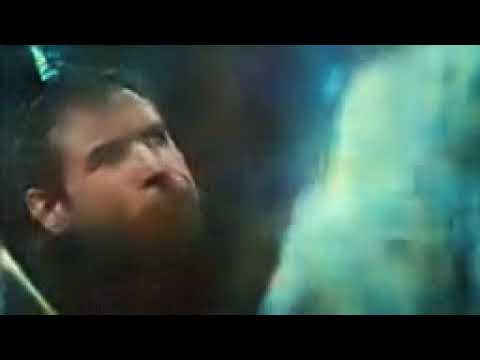
In 2016 Broad trained an autoencoder, a type of neural network, to memorize and reconstruct every frame of the 1982 film Blade Runner, producing the video work Blade Runner—Autoencoded. The Whitney Museum of American Art described the project as facing viewers with the challenge of recognizing the original film within the network's own reconstructed perception of it.The museum presented the piece as part of the exhibition “Dreamlands: Immersive Cinema and Art, 1905–2016” in 2016, and gave it a dedicated screening the following year.,Hyperallergic described the piece as originating in his machine learning thesis project, Autoencoding Video Frames.
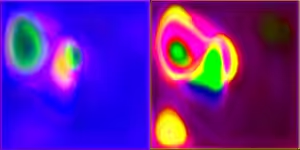
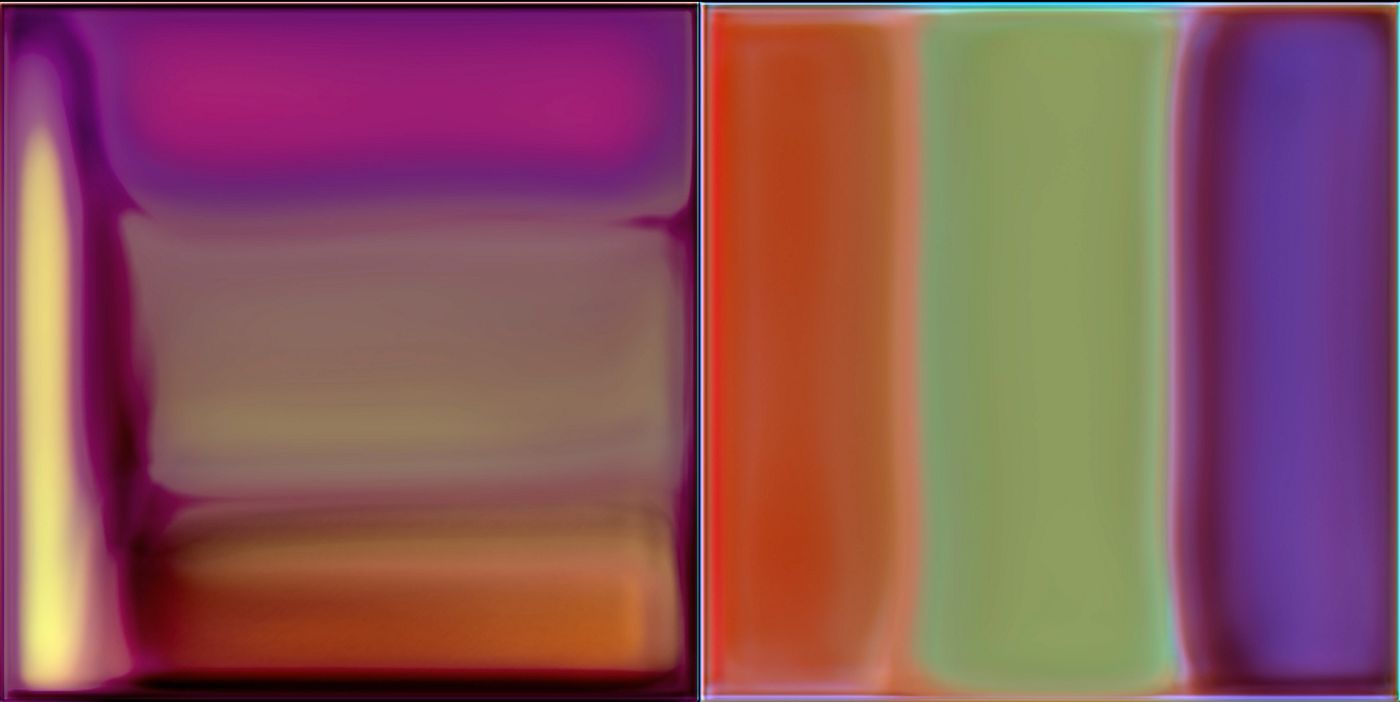
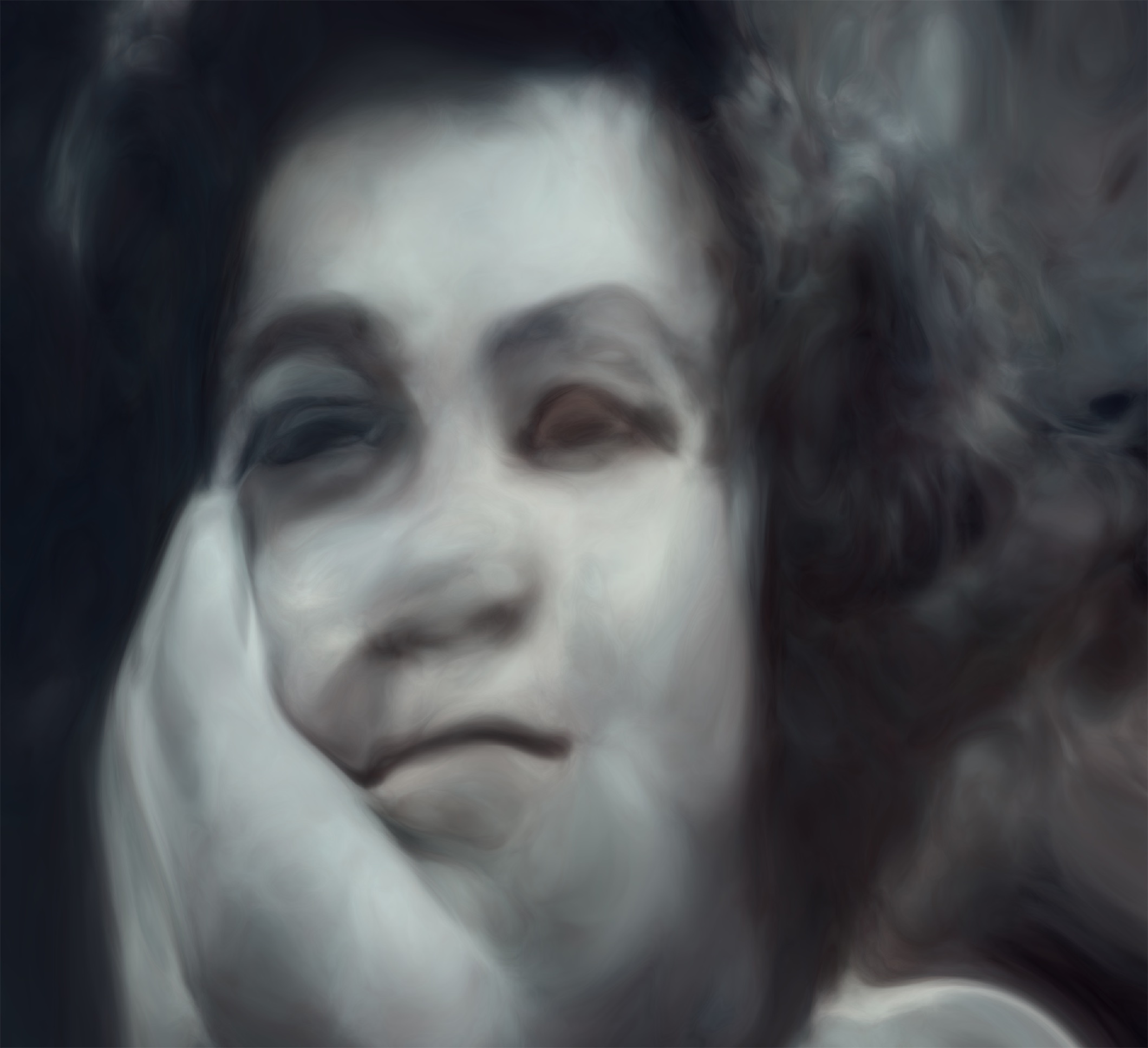
In 2021 he exhibited Fragments of Self, a one-minute video edition of 88, in the group exhibition “Reflections in the Water” at Feral File, curated by Luba Elliott.,Feral File described the work as a portrait of the artist that oscillates in and out of recognition, made with custom software using network-bending techniques Broad developed during his doctoral research.For his series (un)stable equilibrium, presented by SOLOS in collaboration with Elliott, Broad paired two generative adversarial networks to imitate each other instead of training on an external image dataset, producing chromatic fields without drawing on existing images.,He has said the approach grew out of his earlier work managing traffic-camera datasets in Milton Keynes, which led him to step away from data collection: “Most artists were obsessed with datasets and realism. I wanted to go the other way – toward abstraction.”
His work has also been shown at the Garage Museum of Contemporary Art, Ars Electronica, the Barbican and the Whitechapel Gallery, and entered the City of Geneva's contemporary art collection after he won the Grand Prize at the ICCV Computer Vision Art Gallery in 2019.,