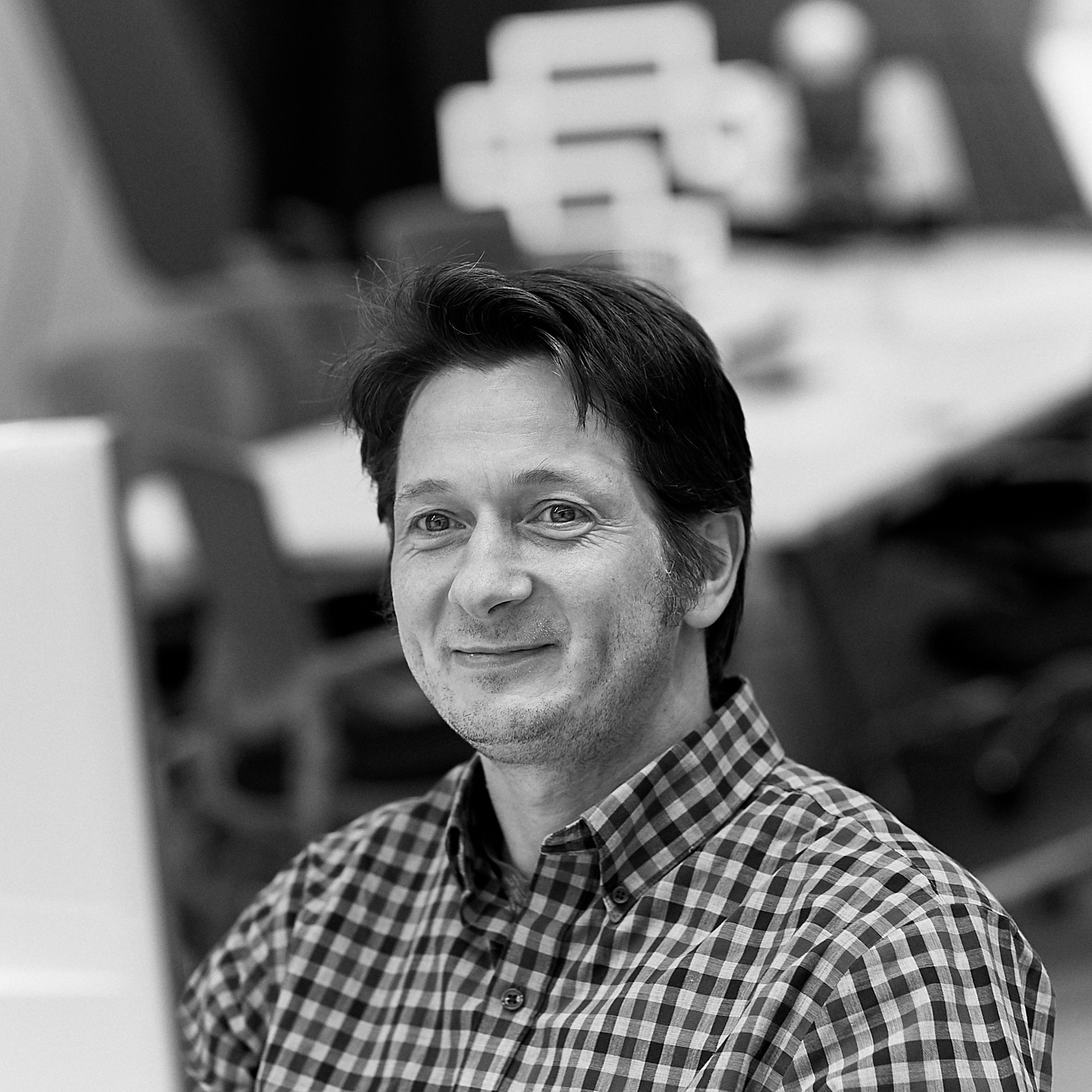
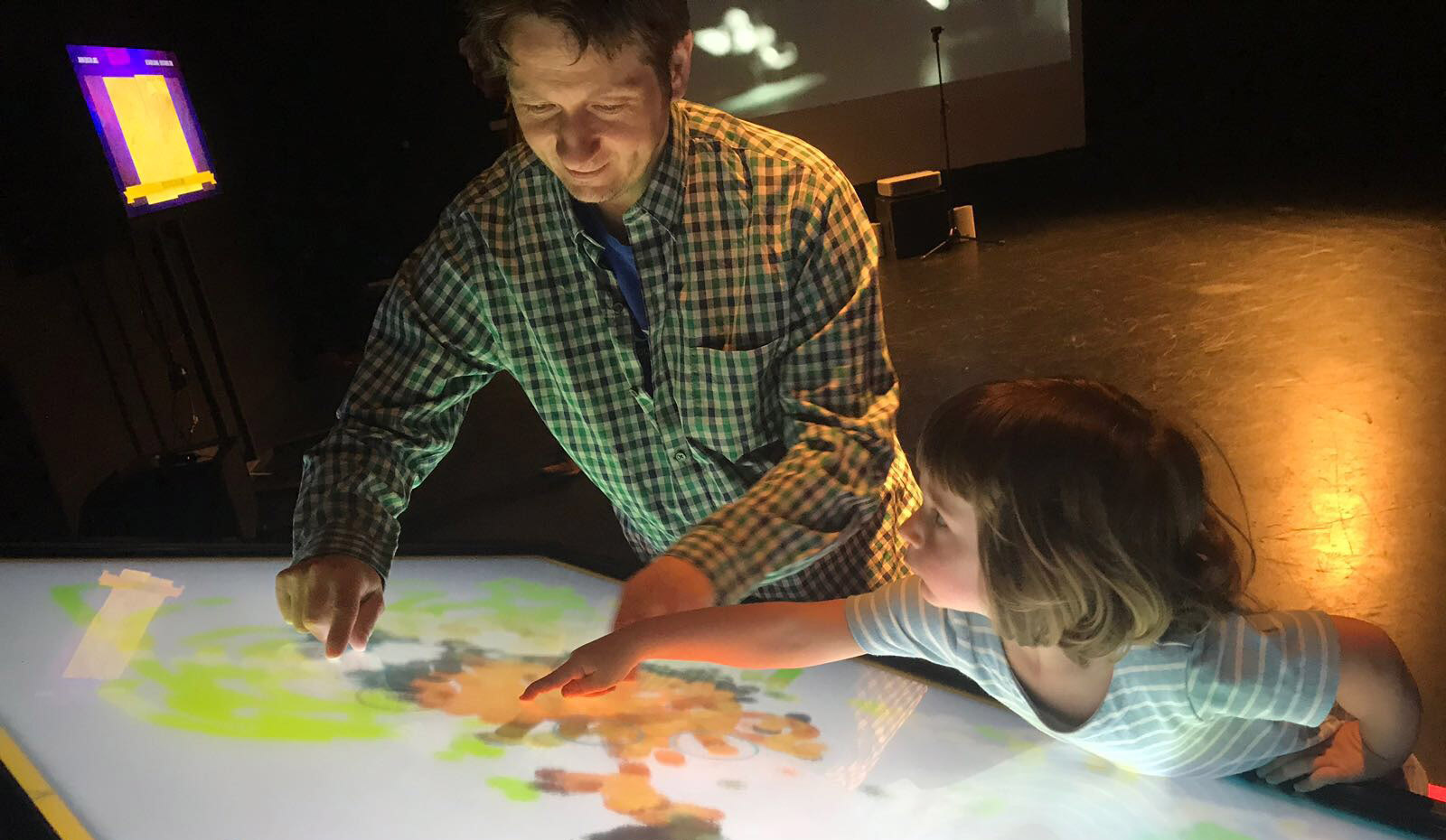
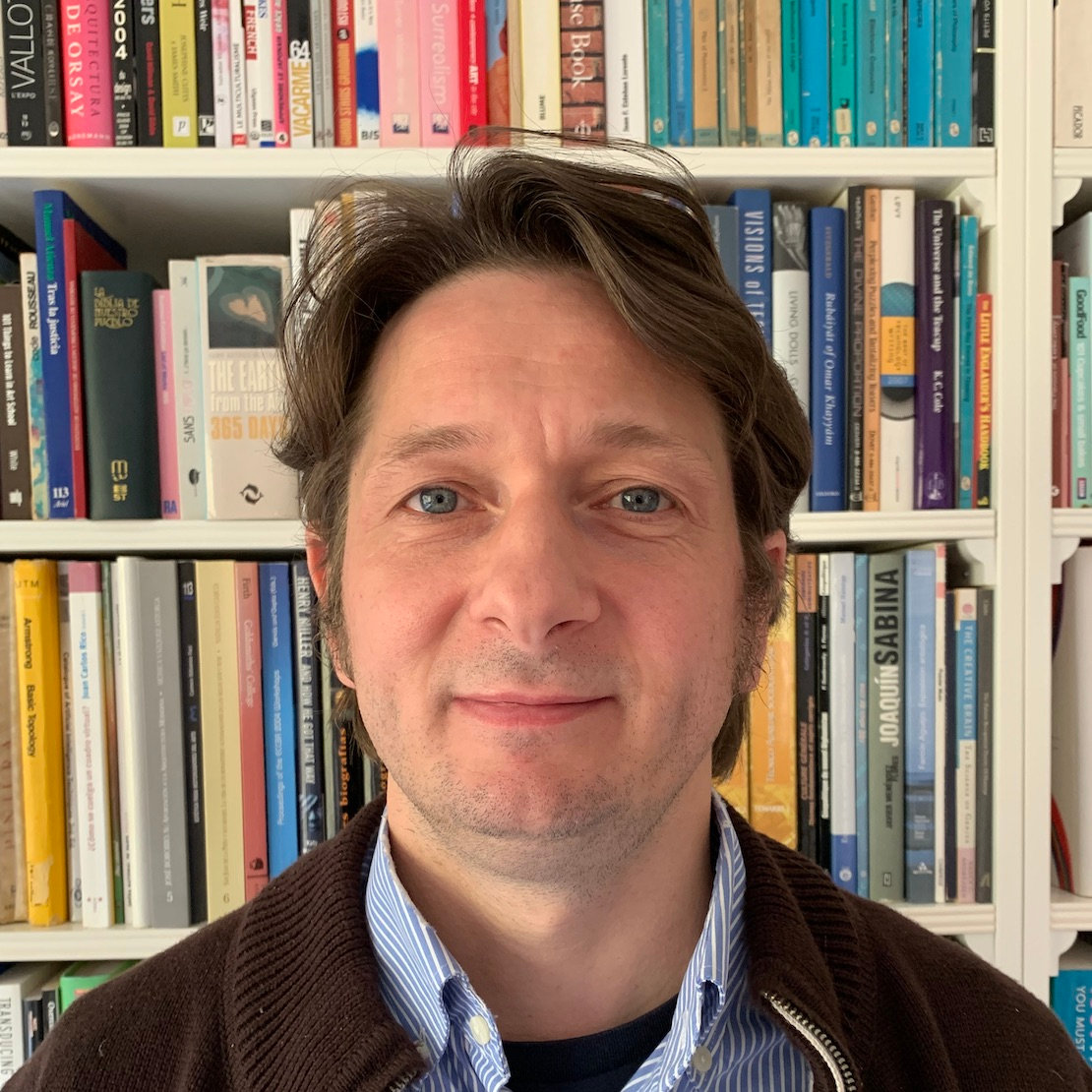
Simon Colton is a British computer scientist and academic specialising in computational creativity, treating software itself as a creative agent rather than a tool for a human artist.,Since 2006 he has developed The Painting Fool, image-generating software built to be taken seriously as a creative artist in its own right.,,
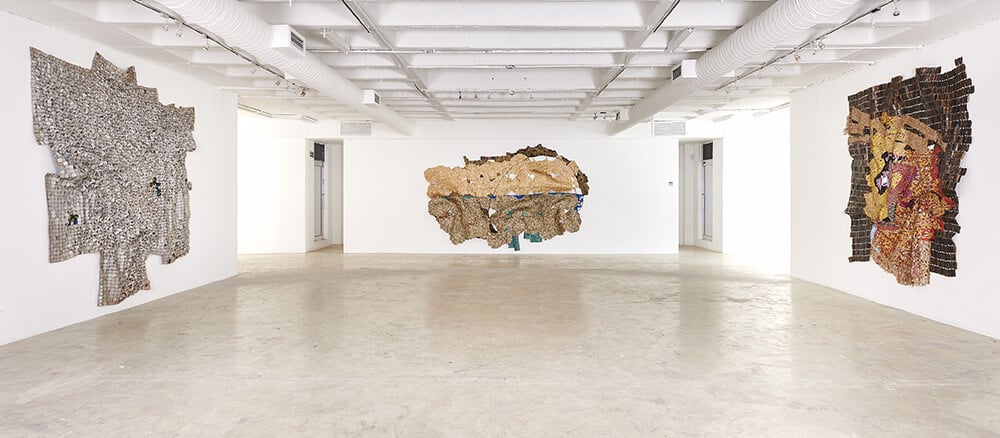
He has argued that a creative program should be judged not by its ability to mimic humans but by whether it behaves in ways that are “skillful”, “appreciative” and “imaginative”. In one 2013 exhibition, The Painting Fool scanned a Guardian news article on the war in Afghanistan, extracted its keywords, and combined related images into a single picture reflecting the article's content and mood.In a Paris exhibition, sitters were painted not by a person but by the software itself, which read newspaper articles to gauge its own mood and would refuse to paint at all if it judged the news too negative.
He holds an honours degree in mathematics from the University of Durham, a master's in pure mathematics from the University of Liverpool, and a PhD in artificial intelligence from the University of Edinburgh. Colton has led research groups at Imperial College London, Goldsmiths College and Falmouth University, and held professorships at Monash University and Queen Mary University of London. He also built The WhatIf Machine, a system for fictional ideation, and Wevva, an app that lets users design videogames on handheld devices.
His public engagement work has drawn coverage from the BBC, The Guardian, MIT Technology Review and New Scientist.Colton has also been critical of overstated claims for AI creativity, coining the phrase “skillful digital ventriloquism” to describe AI art that stays limited to the style and ideas of the human creators its underlying models were trained on.The Painting Fool has since been cited, alongside Harold Cohen's AARON, as an influence on later projects exploring autonomous machine artists, including Abraham, an AI agent created by Gene Kogan.