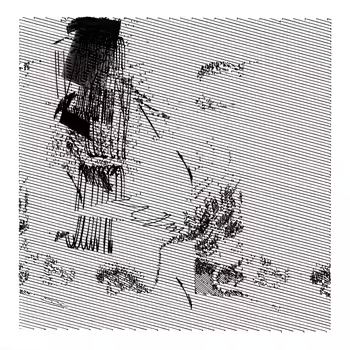
Shojiro Nakaoka (Japanese, b. 1974) is a composer and artist who converts audio signals and computational processes into visual form, producing pen plotter drawings and audiovisual works with tools including Max/MSP, Processing, and oscilloscopes.,,Through vector synthesis, Lissajous figures, and waveform manipulation, he generates complex shapes and continuous strokes in real time, with textures built from noise models and hatch patterns.He is based in Tokyo.
Nakaoka has worked as a freelance composer and sound designer while making personal audiovisual projects, and describes his move into Processing as a natural extension of his earlier work with music sequencers.Encountering Nato.0+55+3d, an external Max/MSP library for handling visual imagery, became the trigger for starting his audiovisual work. His commercial and collaborative sound design for advertising, film, animation, games, and interactive installations has received awards at Cannes Lions and One Show.He minted his first work on objkt in 2024, after learning about NFTs through the artist Qubibi, who guided him through the process and collected the piece. Nakaoka designed the sound for Qubibi's interactive work Awakened. He began working with plotters after discovering, while experimenting with old test equipment, that he could draw images directly from the data his sound and video software was generating.Nakaoka started writing custom software in Processing to produce this work around 2020and has continued to use it for the plotter drawings and video works he releases on objkt, including the series Came Wrong and Endless Pause.,He values the plotter-made physical works for the tactile qualities of the medium rather than as a way of preserving digital work.
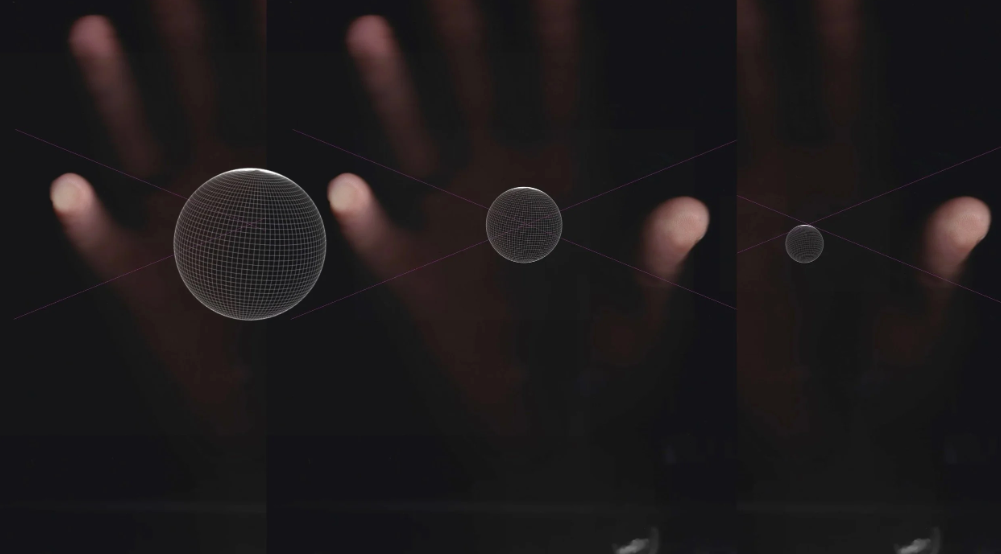
Nakaoka was part of the first cohort of the objkt labs Residency curated by Anika Meier, alongside the artist Georg Eckmayr. He treats communication as an unstable, feedback-driven condition, placing uncontrollable feedback loops at the center of his work, where distinctions like input and output lose their clarity. His residency piece HALO, released on objkt.com on January 12, 2026, runs in real time because its audio and visuals respond to each other simultaneously. To improve rendering performance and gain more flexibility on the sound side, he moved his software from Processing to p5.js and Three.js. His work has been featured in the publications ele-king and Digital Frontier, and shown at “Art on Tezos” in Berlin and “DIGITAL SPRINGBOARD” at Tokyo Node Lab.