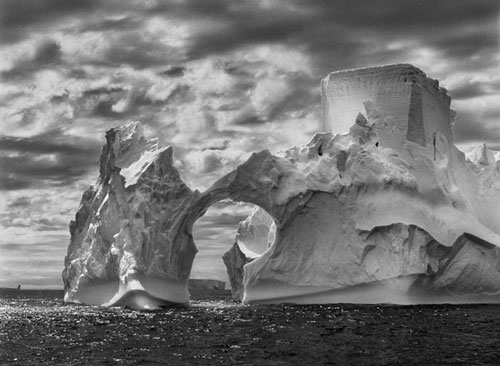
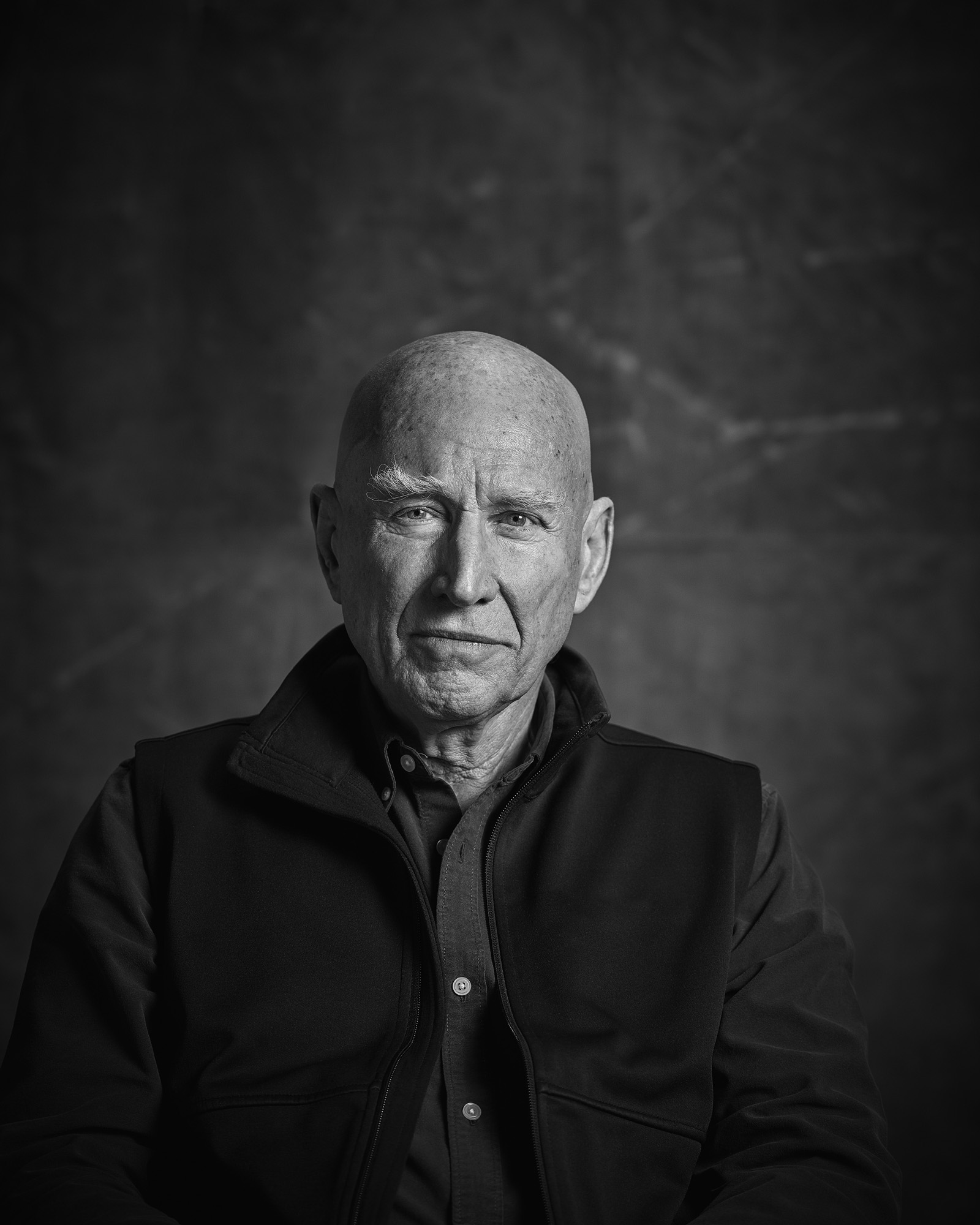
Sebastião Salgado (Brazilian, 1944–2025) documented humanity and the natural world in black-and-white photographs built up through long-term projects rather than single images. Trained as an economist, he turned to photography in the early 1970s, joined the Magnum Photos cooperative in 1979, and worked in more than 100 countries.
Salgado studied economics in São Paulo before joining the movement opposing Brazil's military government, which led to his exile in France in 1969 with his wife, Lélia Wanick Salgado. He took his first photographs in 1971 while on an economics assignment in Rwanda and became a freelance photojournalist in 1973. His 1981 photograph of the attempted assassination of U.S. President Ronald Reagan brought him wider recognition in the United States. By the mid-1980s he had settled into the long-term, project-based approach that would define his career, with strong, formal compositions. Other Americas, 1986, recorded the everyday lives of Latin American peasants, and Sahel: Man in Distress, also 1986, addressed the 1984-85 famine in Africa's Sahel region. Workers, 1986-1993, portrayed manual labourers including firefighters at Kuwait's burning oil fields, canal workers in Rajasthan, India, and gold miners at Brazil's Serra Pelada mine. Migrations, 1993-1999, documented the displacement of people across 35 countries.