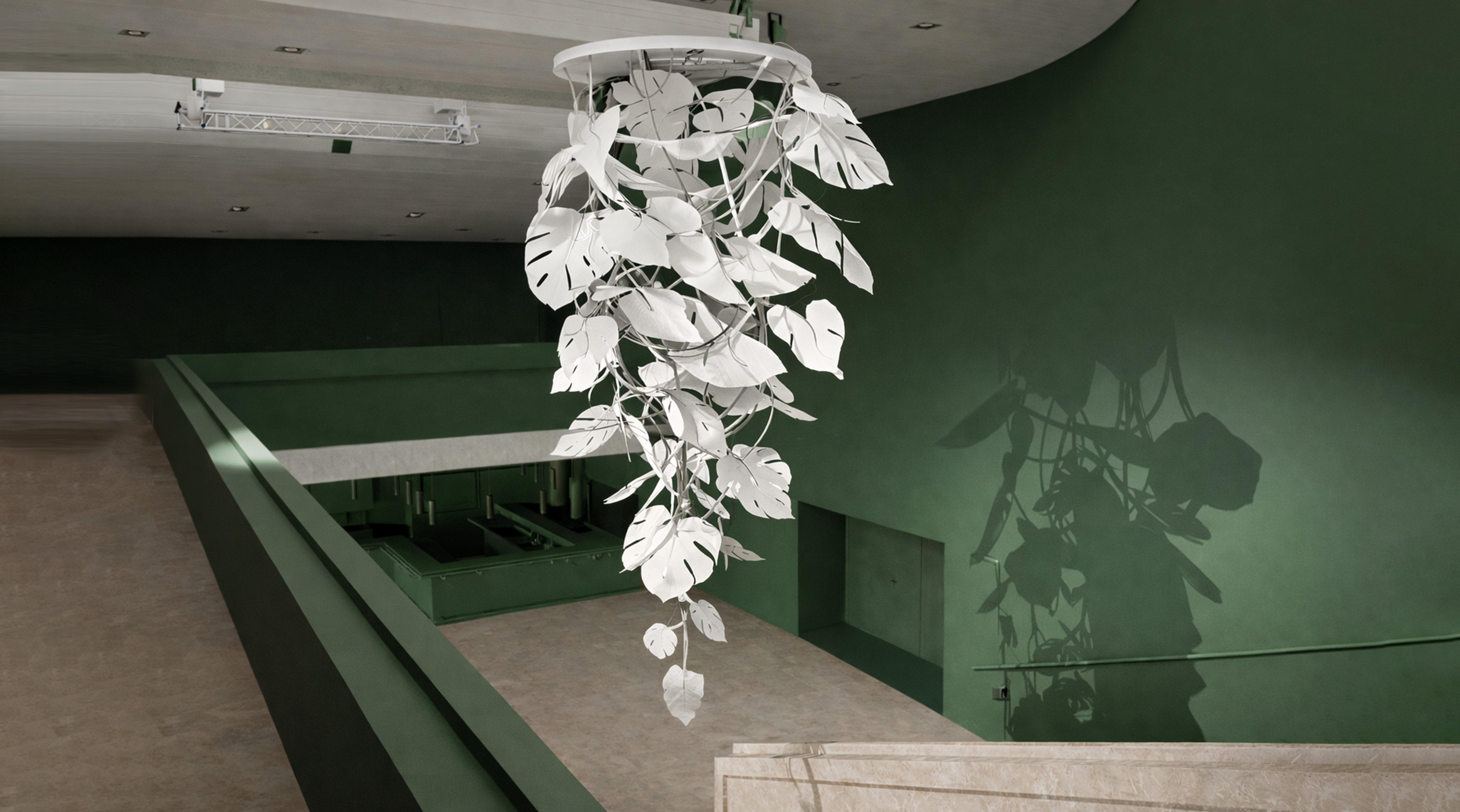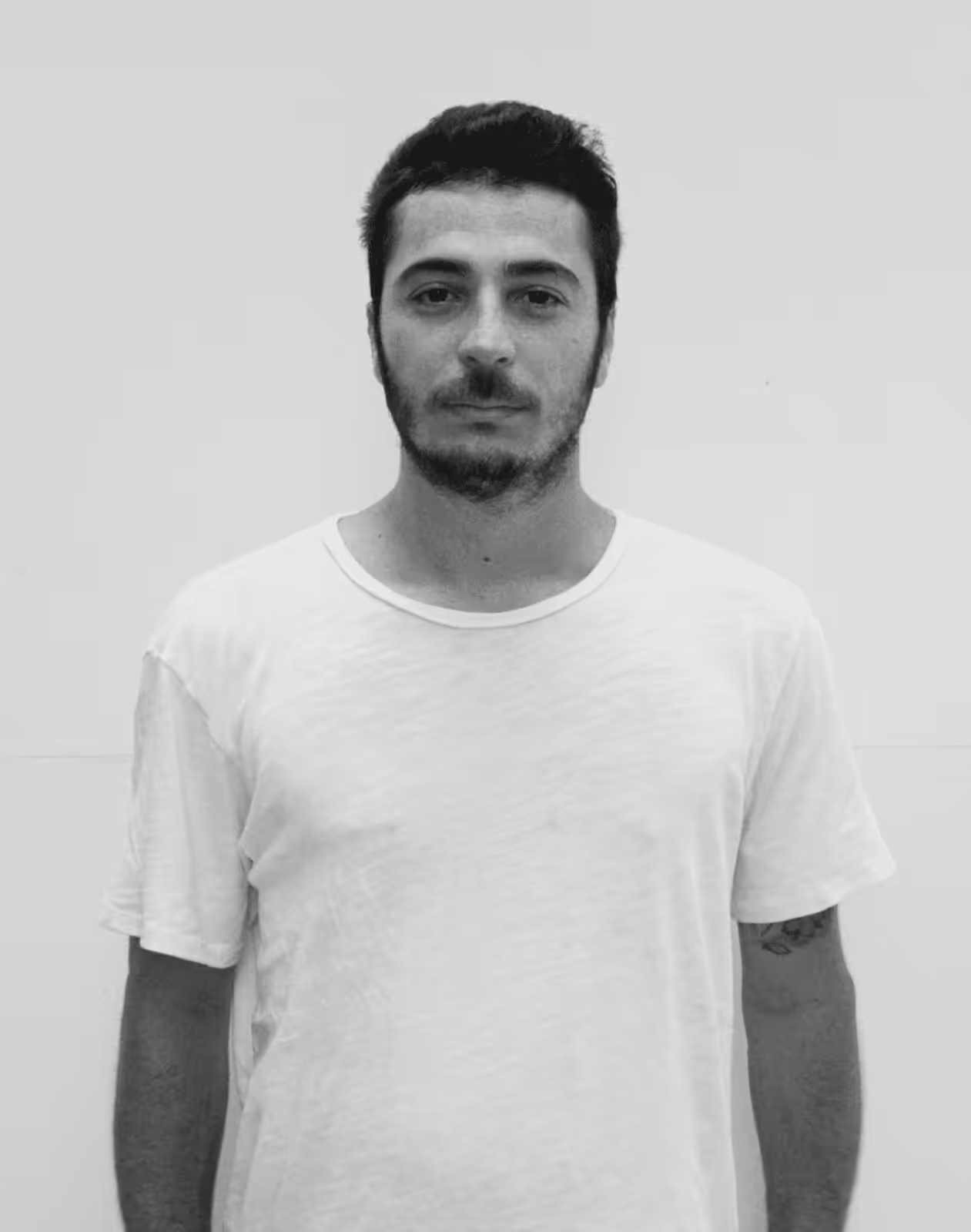
Ronen Tanchum is a Tel Aviv-based artist who builds large-scale computational installations in which machine perception, environmental data and human presence continuously reshape the image. He founded Phenomena Labs, his studio for producing and installing this work, in 2015. He trained in computational design and visual effects for film before moving fully into art, contributing to Tove Lo's music video Glad He's Gone and the film The Walk.
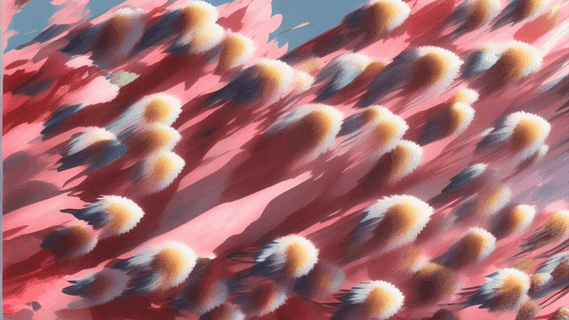
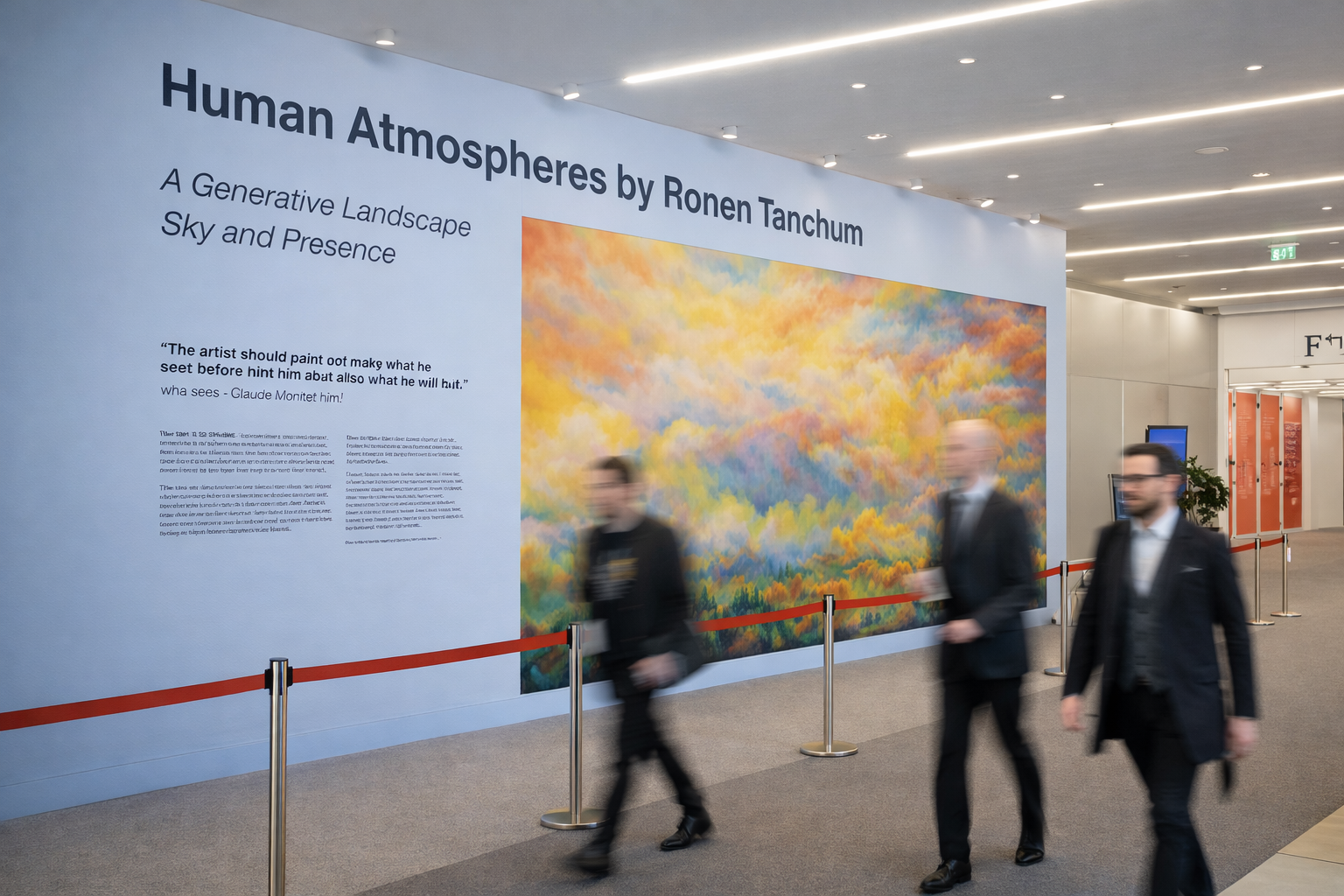
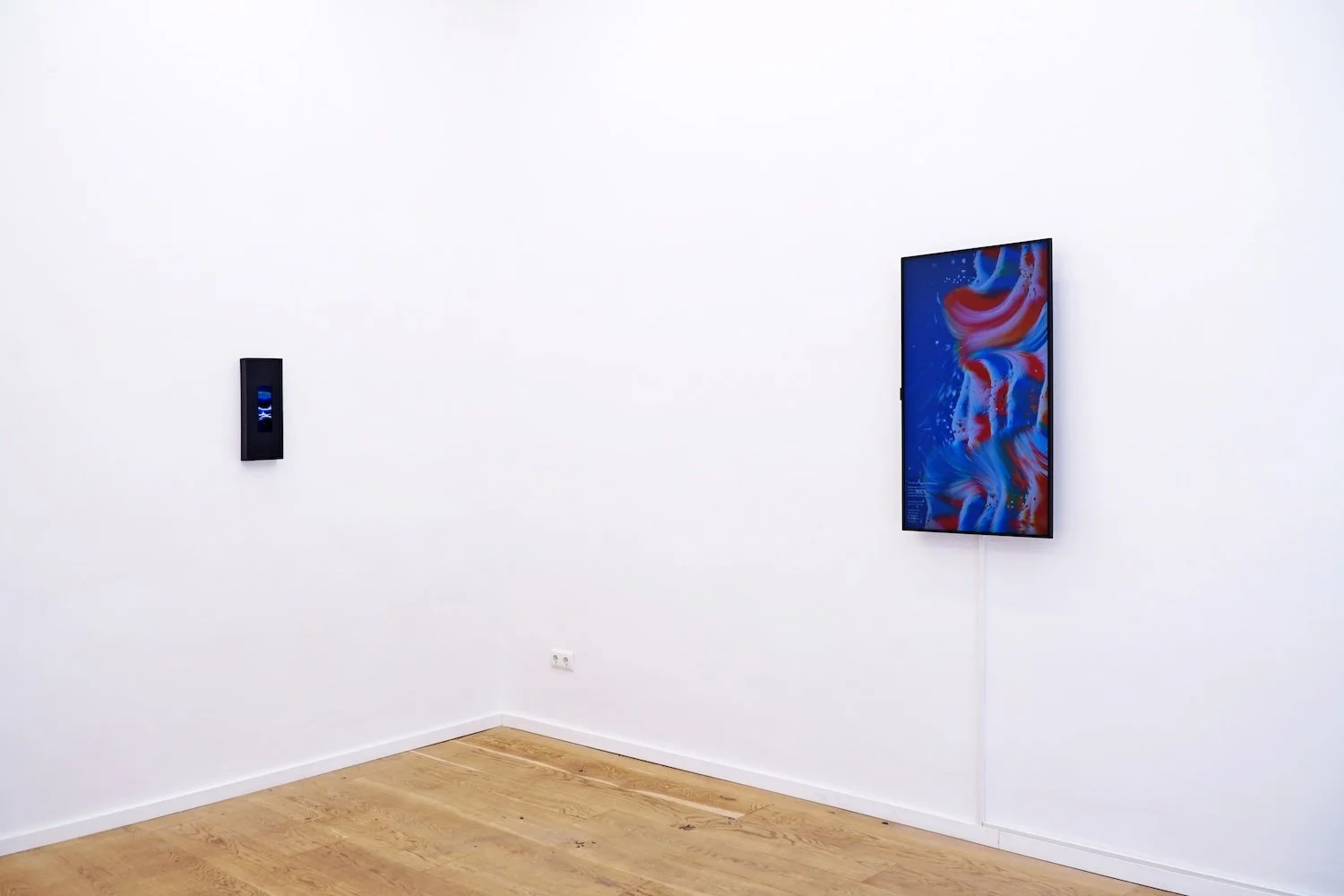
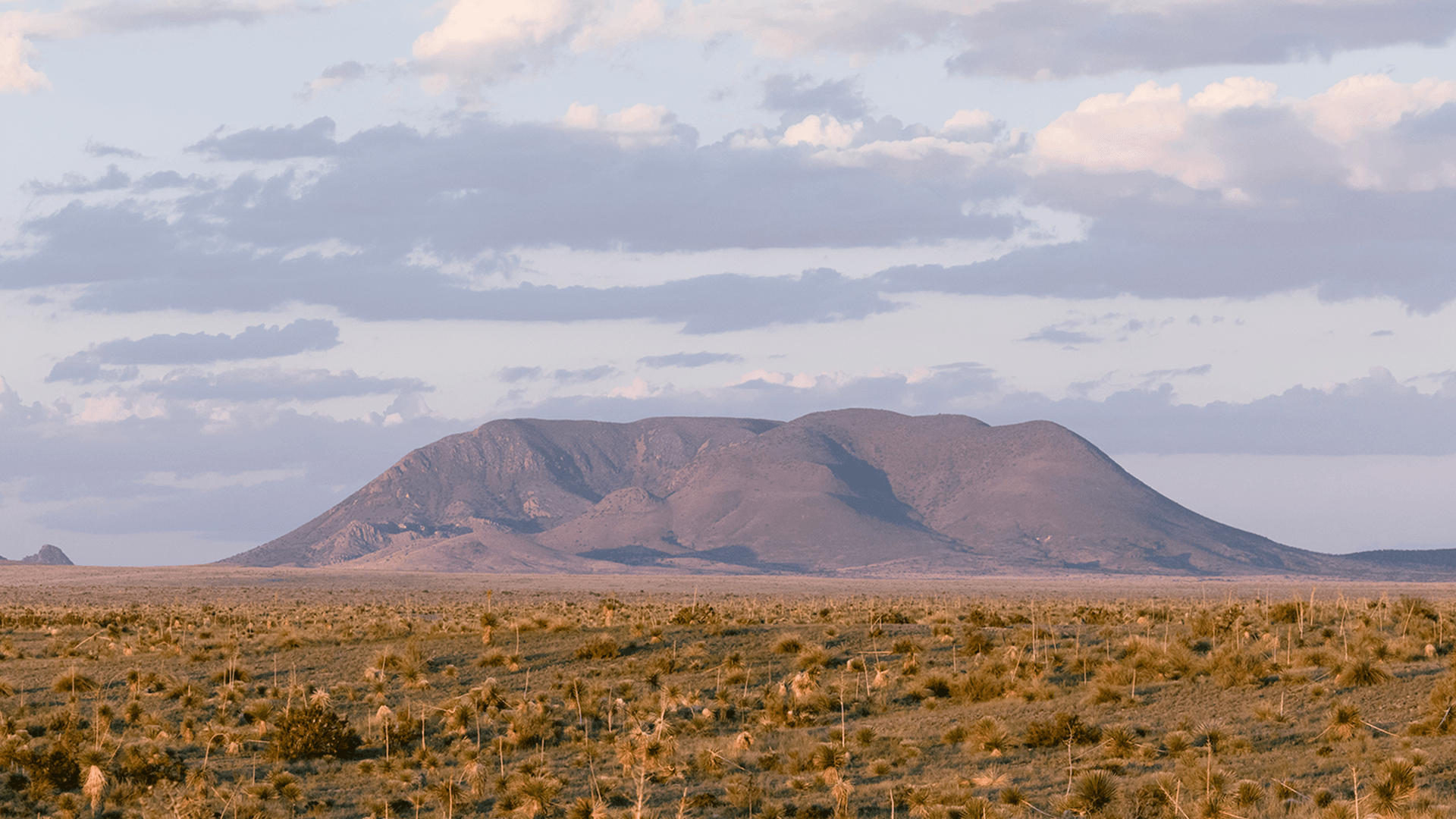
For the opening concert of the World Economic Forum's 2026 Davos summit, commissioned by the WEF's Joseph Fowler, Tanchum presented Human Atmospheres, an AI-powered installation reacting to a live performance by the Mahler Chamber Orchestra and violinist Renaud Capuçon. The work combined the concert's sound and movement with real-time Davos weather data to generate an evolving digital landscape of mountains, clouds and human presence. Built with his studio Phenomena Labs, the piece ran on autonomous software agents that translated temperature, humidity, wind speed, barometric pressure and audience presence into a shifting 13-by-3-metre LED installation. It also took the form of opening-ceremony visuals performed live with Renaud Capuçon and Jon Batiste, and of framed oak works and large-format prints shown across the summit. He has been named a World Economic Forum Cultural Leader and is a member of OpenAI's Alpha Artist Program.