Robert Baker (American, 1933–2000) was a composer and programmer who co-developed MUSICOMP, one of the earliest compositional languages for digital computers. Working at the University of Illinois in the early 1960s, he helped shift computer music from generating notated scores to producing real-time, machine-generated sound. As a graduate student in composition, he worked with Lejaren Arthur Hiller Jr on early systems for computer-assisted composition built on the Illiac I.
As a graduate student, he contributed to Musicwriter, an early notation system for the Illiac developed together with Cecil Effinger's music typewriter.MUSICOMP, which he then co-developed with Hiller, was first written for the Illiac I and later adapted for the IBM 7090, using a library of subroutines that generated musical material through rule-based logic and probabilistic methods. The system became a foundational model for early algorithmic composition.
In 1963 Baker and Hiller used MUSICOMP to co-compose Computer Cantata, a 24-minute work for soprano, chamber ensemble and computer-generated tape. The piece followed Hiller and Leonard Isaacson's Illiac Suite, 1957, one of the first compositions generated by a computer, but went further by making the computer an audible presence rather than only the source of a notated score. Baker programmed the system that generated the piece's vocal lines and tape components, using output from the CSX-1, a real-time synthesis machine developed at Illinois, and he is credited as co-composer of all its movements. He and Hiller co-authored two technical studies on the work, including Computer Cantata: A Study in Compositional Method, 1964.
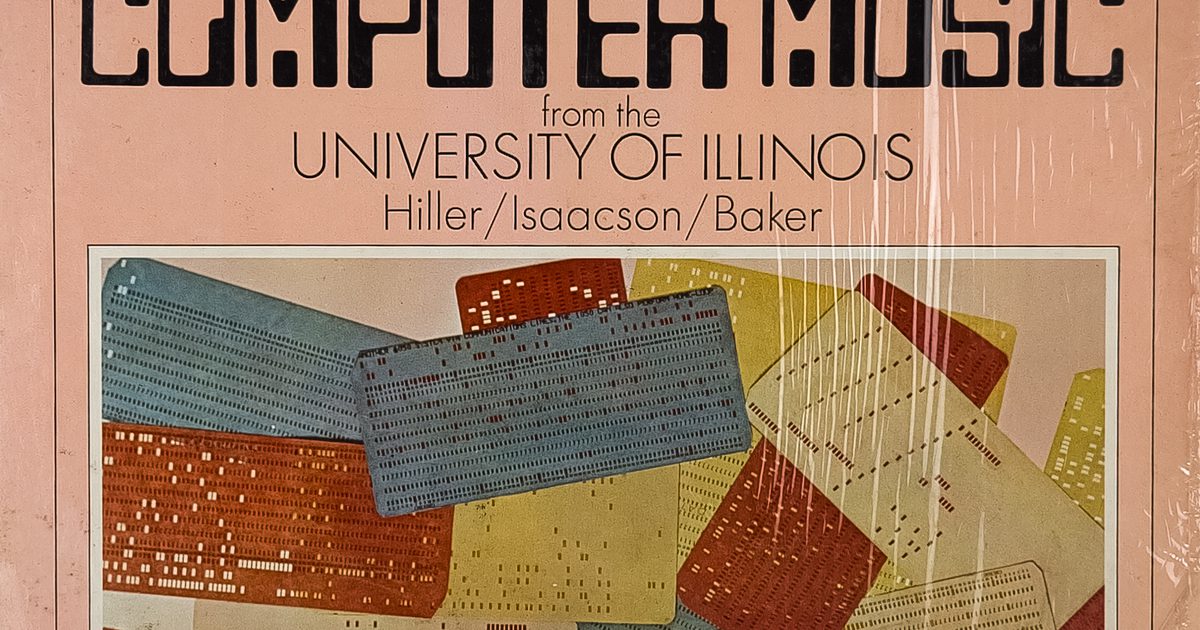
Little is documented about his later career, but his contributions to MUSICOMP and its compositional logic helped shape the development of generative music.Baker is credited alongside Lejaren Arthur Hiller Jr and Leonard Isaacson on the 1967 LP Computer Music from the University of Illinois.