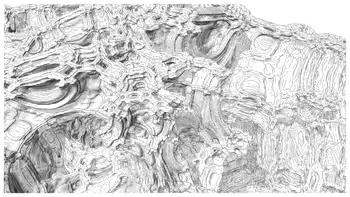
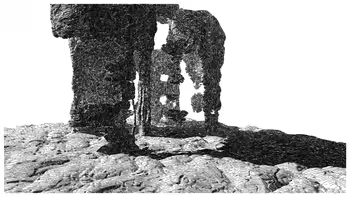
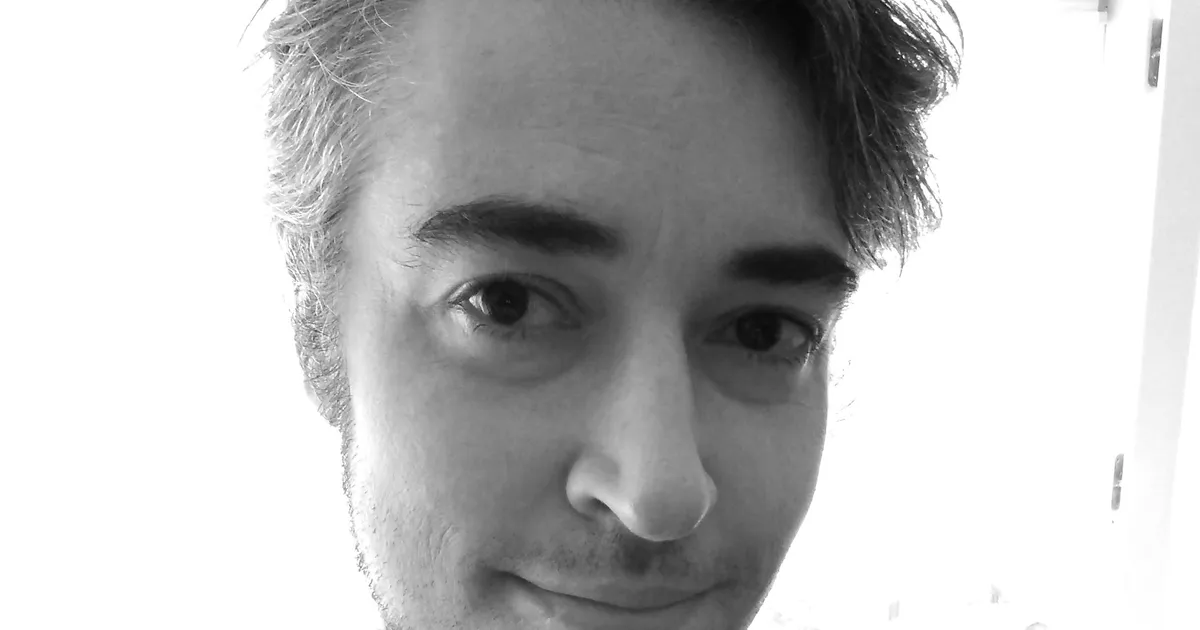
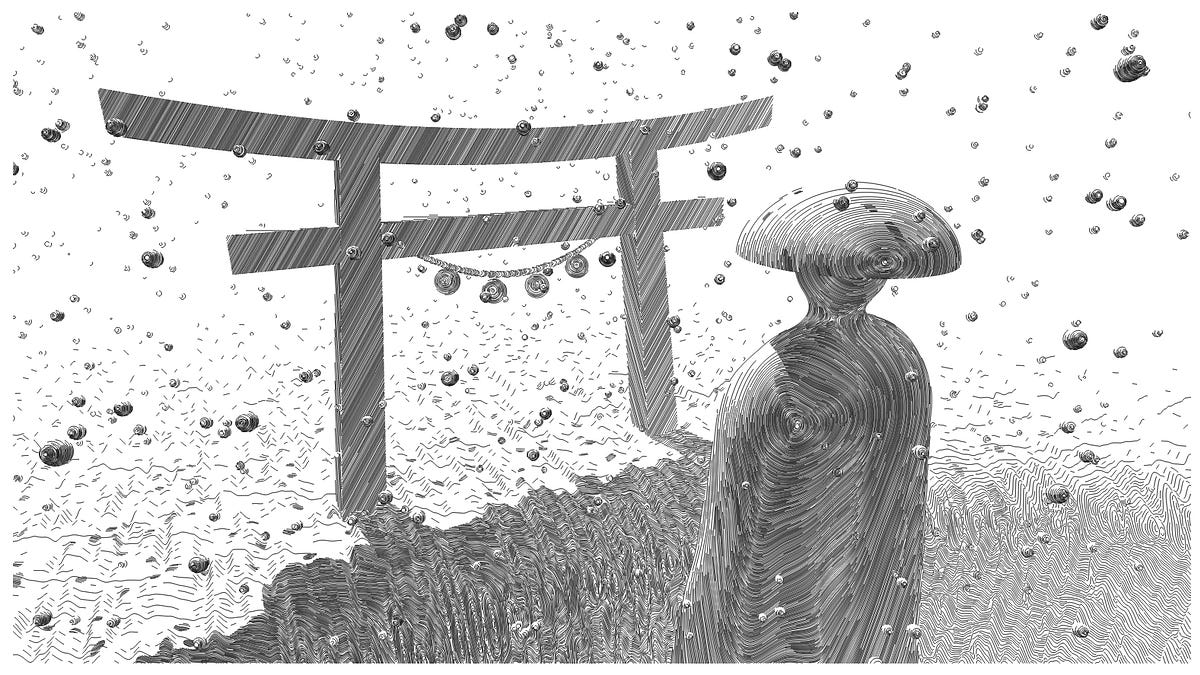
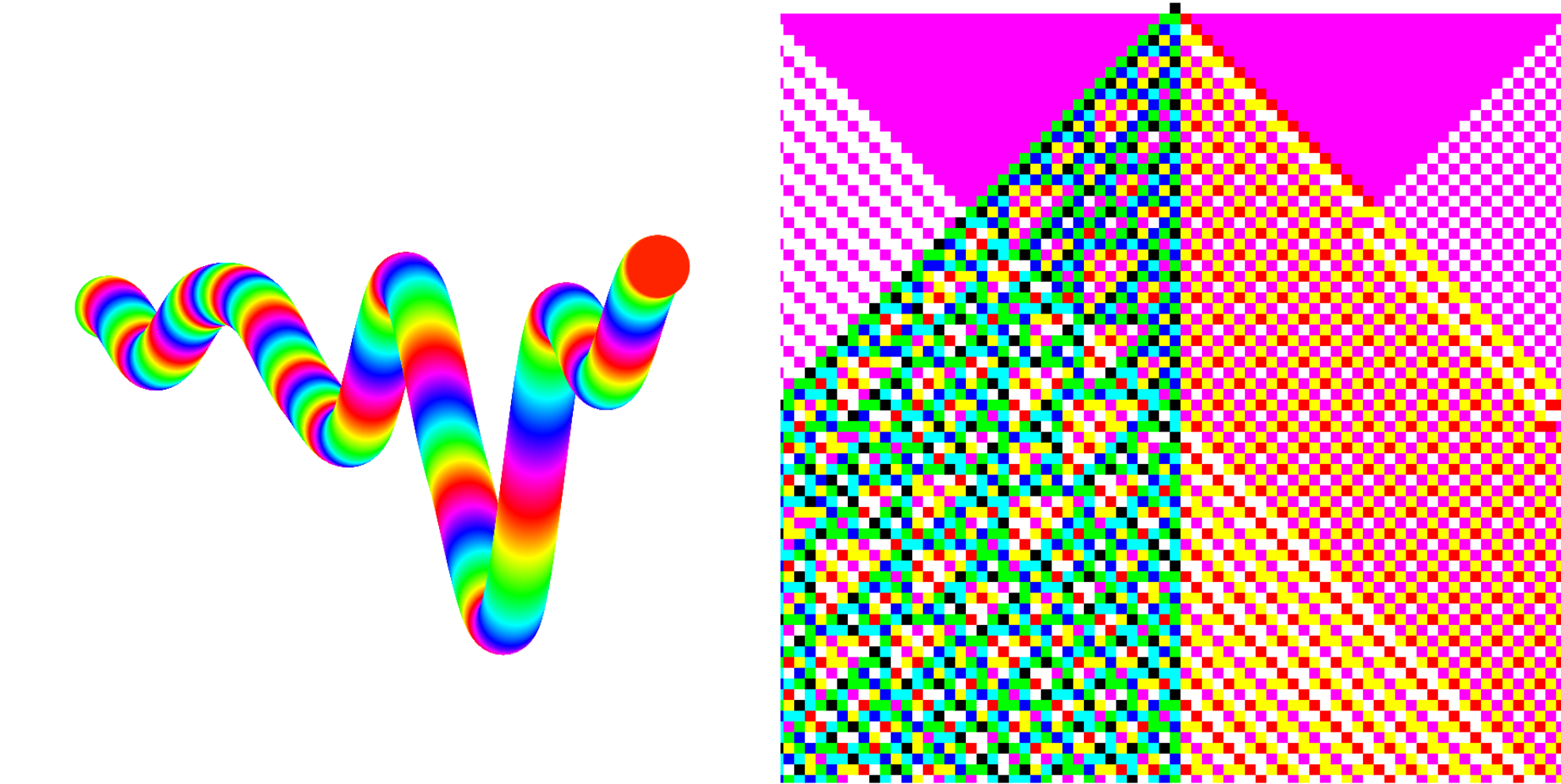
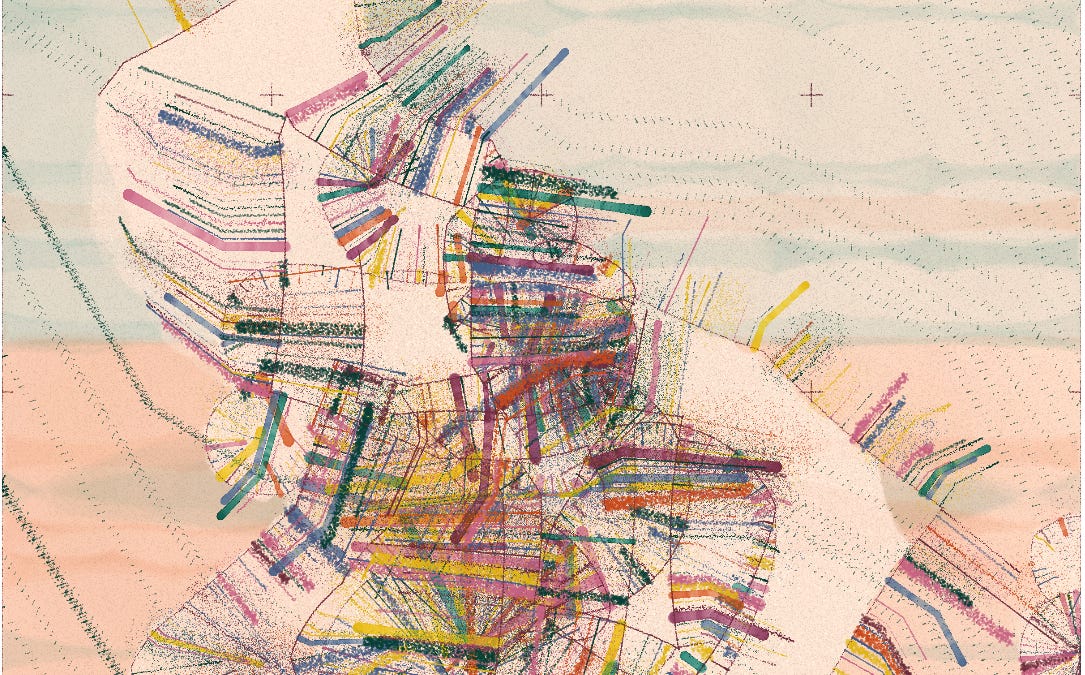
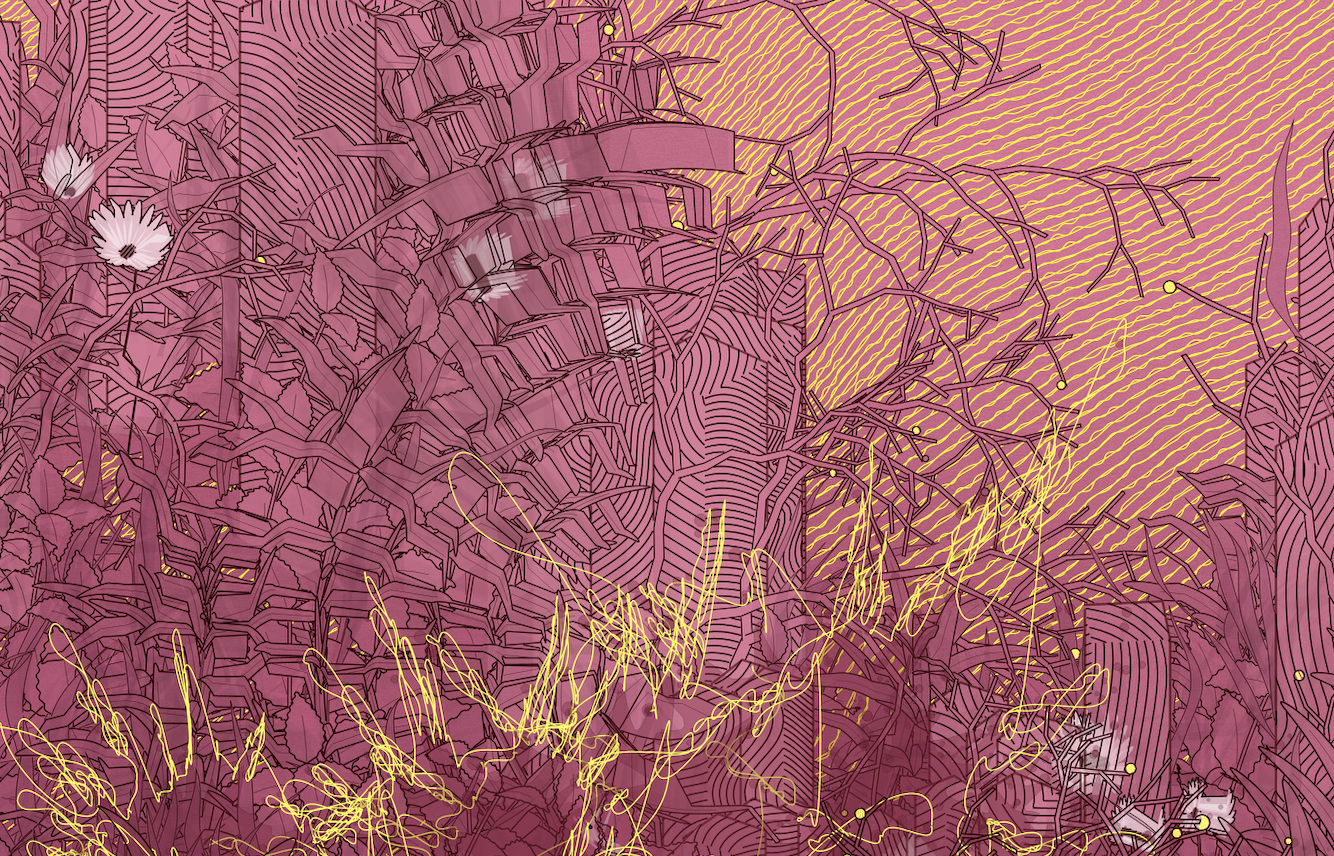
Piter Pasma (Dutch, b. 1980) is a generative artist who writes minimal, economical code to describe three-dimensional scenes using mathematical equations and shader-based rendering. He is known for his rayhatcher framework, which uses ray-marching of signed distance functions to create plottable line art with little to no randomness.,He is based in Groningen, the Netherlands.
Pasma emerged from the demoscene of the late 1990s, where competitive size-coding events pushed him to write real-time audiovisual programs under strict byte limits.,He won several prizes for his 4-kilobyte productions, including first place in the Ambience 1999 4KB competition.He began posting his work on Instagram in 2019, which connected him to the Generative Artists Club and other digital artists.The artist Shvembldr lent him tez to start minting on Hic Et Nunc, an early NFT platform on the Tezos blockchain.He began releasing work there in March 2021.The demoscene's emphasis on economical code carried into his generative art practice.He released Skulptuur on Art Blocks on 27 September 2021, a series of 1,000 shader-rendered sculptural scenes generated from a script of 6,370 characters of JavaScript and GLSL.,,
In 2023 he released Universal Rayhatcher on fx(hash), which used fx(params) mint tickets to let other artists whose signed-distance-function skills he had largely vetted produce their own outputs from his rayhatcher code.The project drew heavy secondary-market activity, trading over 20,000 tez at one point.The fx(hash) co-founder Ciphrd later described it as one of the rare projects that shifted how the community thought about the practice.In early 2023 he also released the fx(hash) series GEOMORPHISM.,
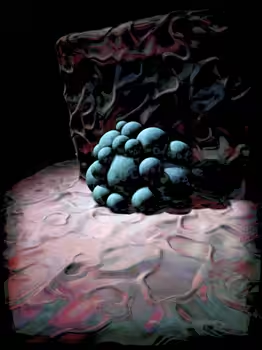
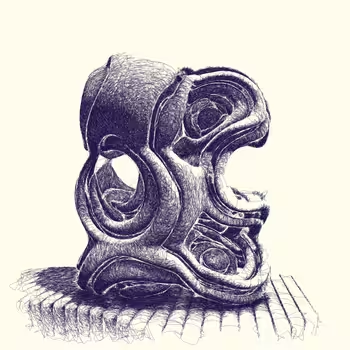
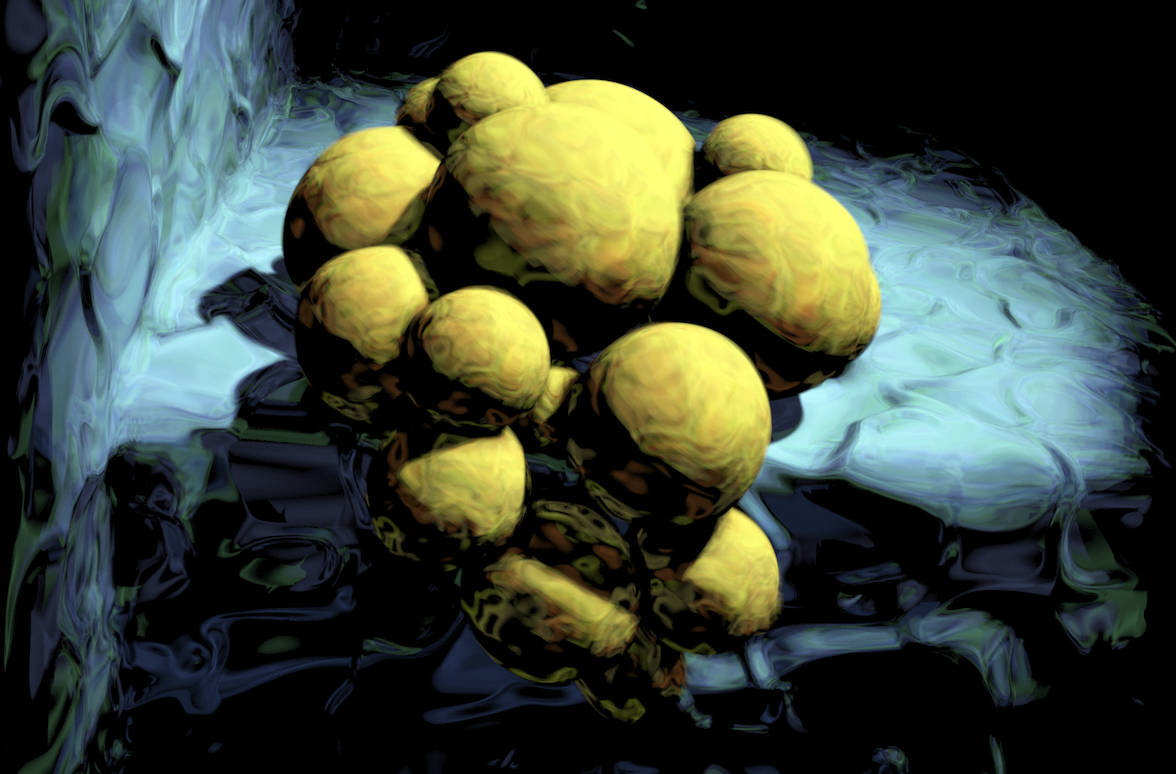
His works Schotter 3D and First vector based raymarcher output, both 2020, were shown in the 2023 exhibition “GEN/GEN: Generative Generations” at Gazelli Art House, alongside works spanning the history of computational art.That year the Generative Artists Club also voted him into “N=12”, a Feral File exhibition curated by Aaron Penne celebrating collaboration in generative art, where he showed Balls to the Walls, a shader-based ray-marching series built around a sphere-packing algorithm he developed.For the 2025 fundraising exhibition “Cure³”, staged on fx(hash) to support Parkinson's disease research, he contributed Impossible Sentinels, single-line drawings of intersecting spheres and toruses rendered from his rayhatcher framework.In 2024 he took part in Bright Moments's Finale Collection, a single contract featuring new work from more than sixty artists that marked the project's conclusion in Venice.