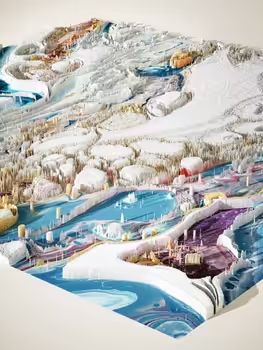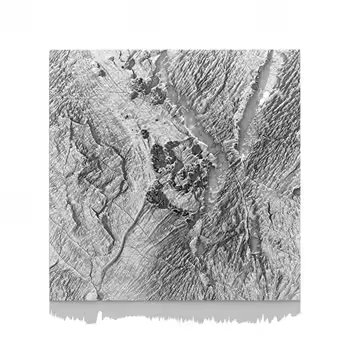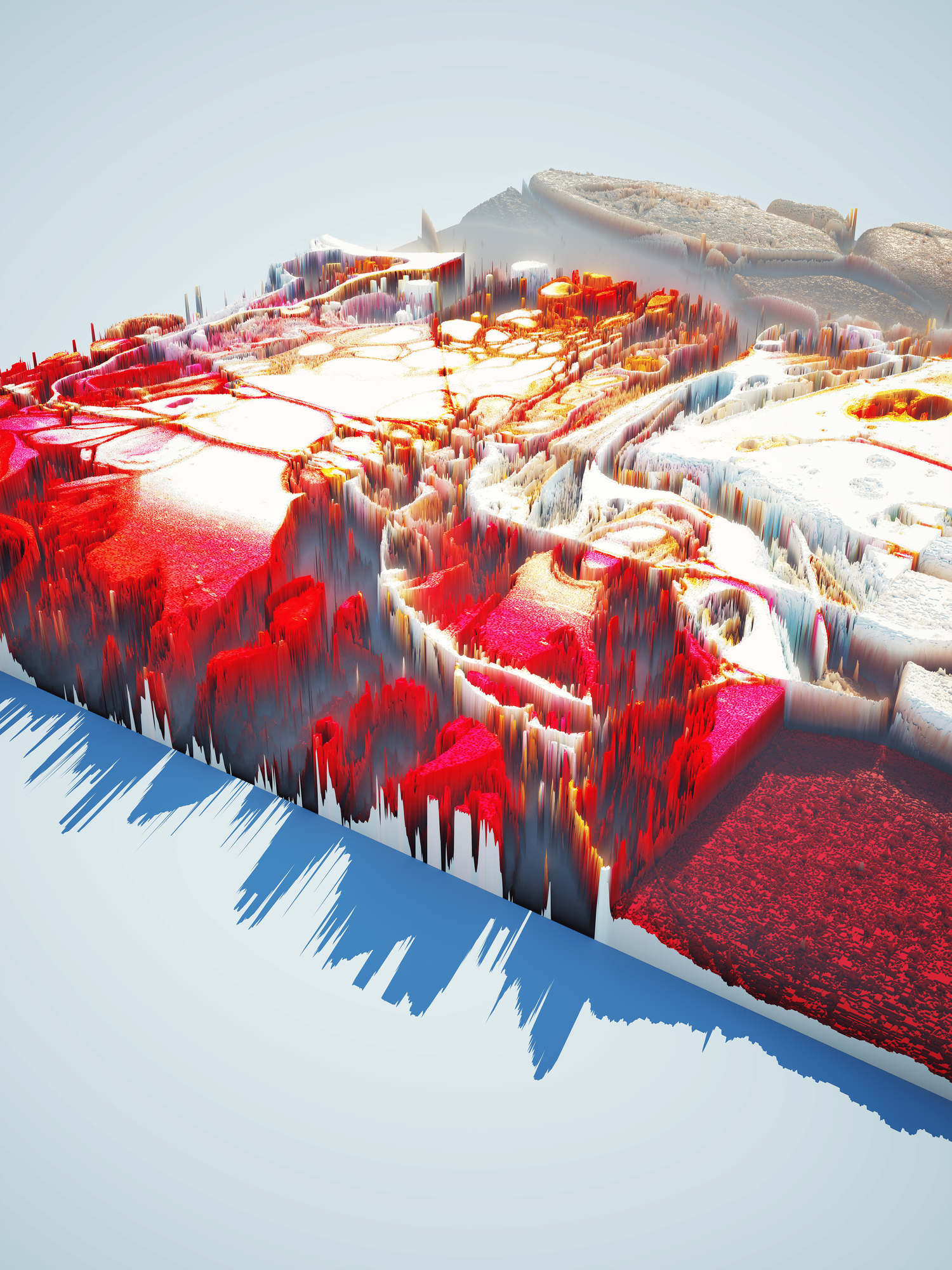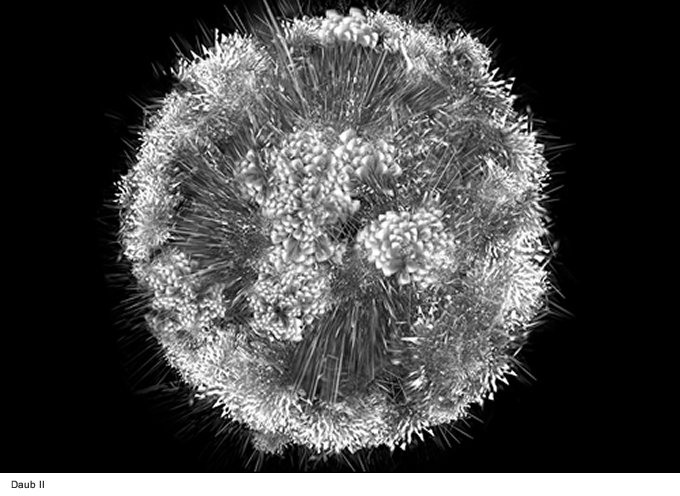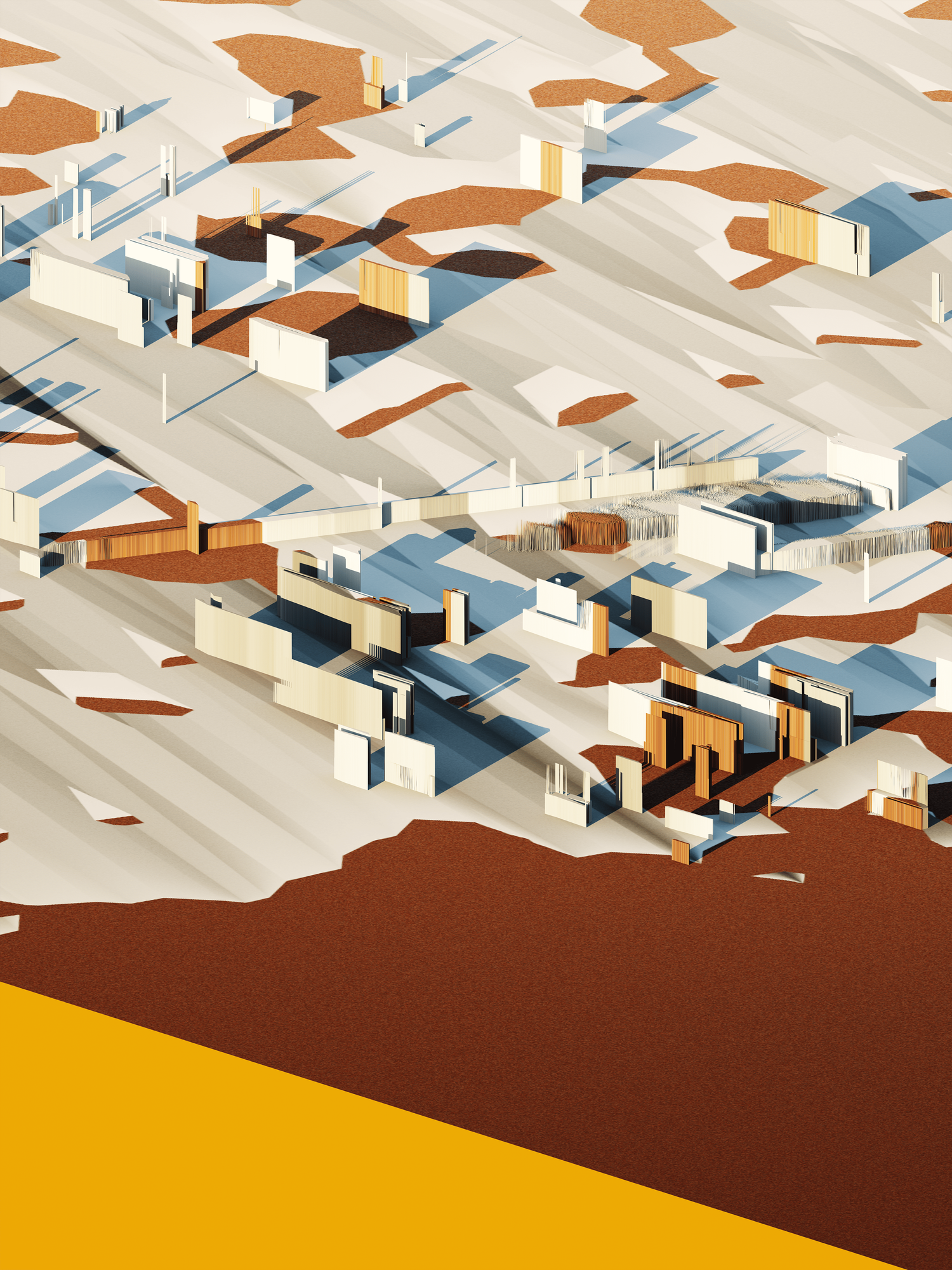
Paul Prudence is a British artist and writer based in London who works with computational and generative systems, translating patterns from sound, geology and natural processes into audiovisual and print-based work. Since October 2004 he has run the blog Dataisnature, a research outlet on generative art, natural processes and computational systems.
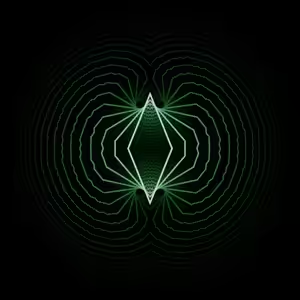
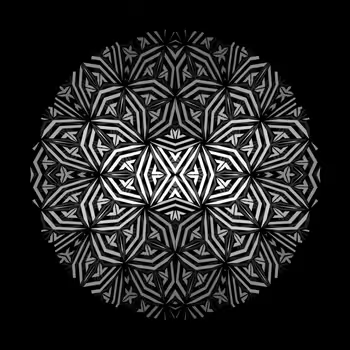
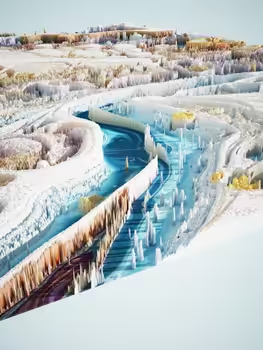
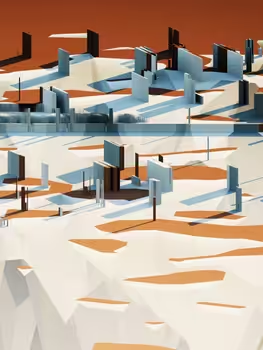
Prudence studied textile design at the University of Manchester and became interested in computer programming in his late twenties, using it to translate patterns from geology and other natural processes into generative imagery. His real-time audiovisual works have used data and sound analysis to drive visual systems, from Talysis II, a video-feedback piece of geometric forms in continuous transformation, to Autotroph, a related print series. He has named the early visual-music artists Mary Ellen Bute, John Whitney, Oskar Fischinger and Norman McLaren, along with László Moholy-Nagy's Light-Space Modulator, as reference points for his generative work. He performed as part of the collective Schtum Collective, and collaborated with the sound artist Francisco Lopez on the audiovisual performance Bioacoustic Phenomena. In 2015 he performed the immersive dome piece Lumophore II and the two-dimensional Cyclone II at the Elektra festival in Montreal. In 2016 he took part in Force Field, a sonolevitation installation combining sound and physics, at CTM Festival with artists Evelina Domnitch, Dmitry Gelfand and physicist Alexander Miltsen.