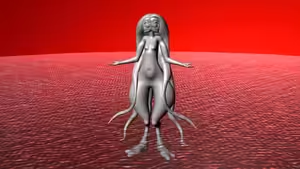
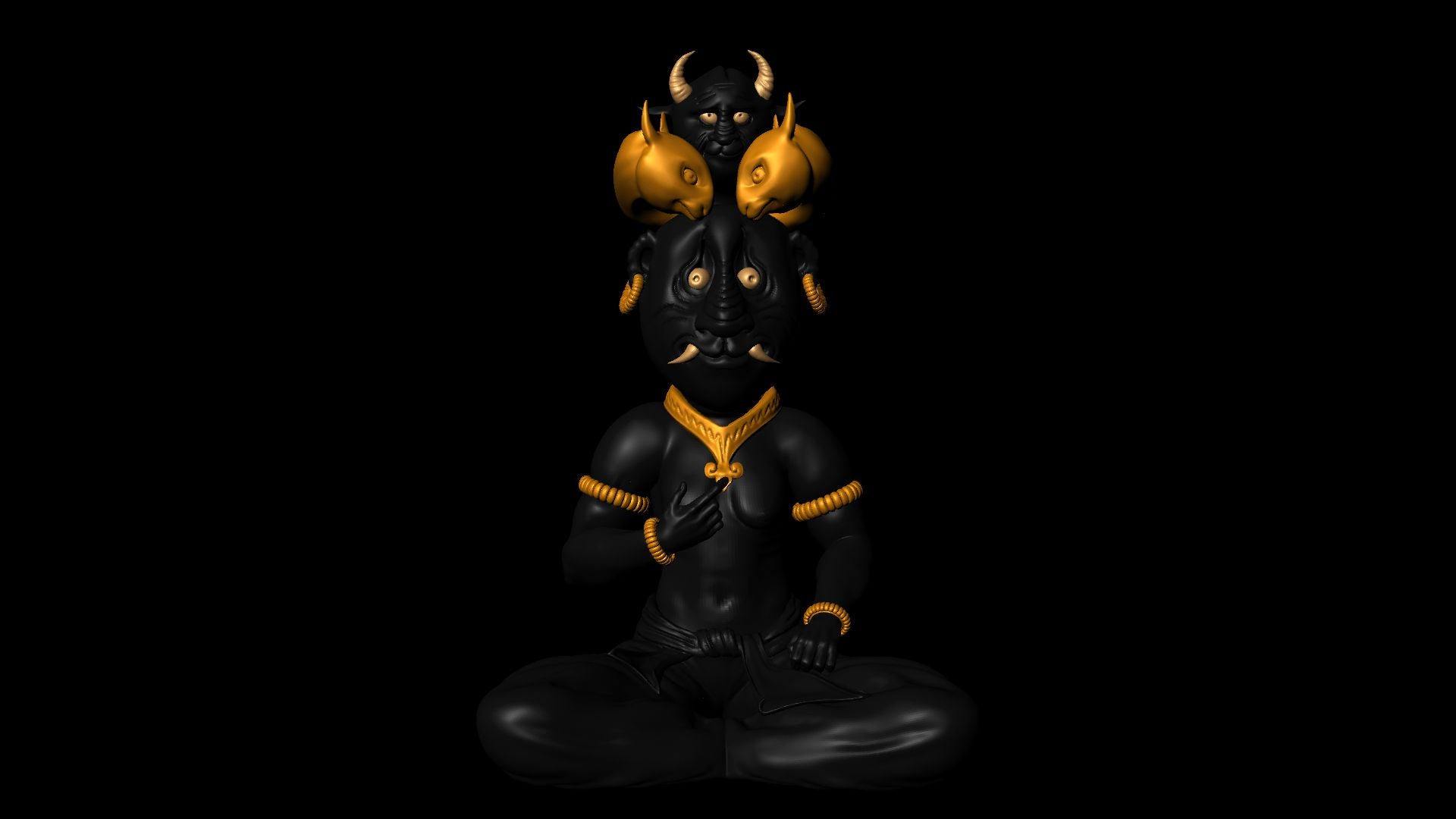
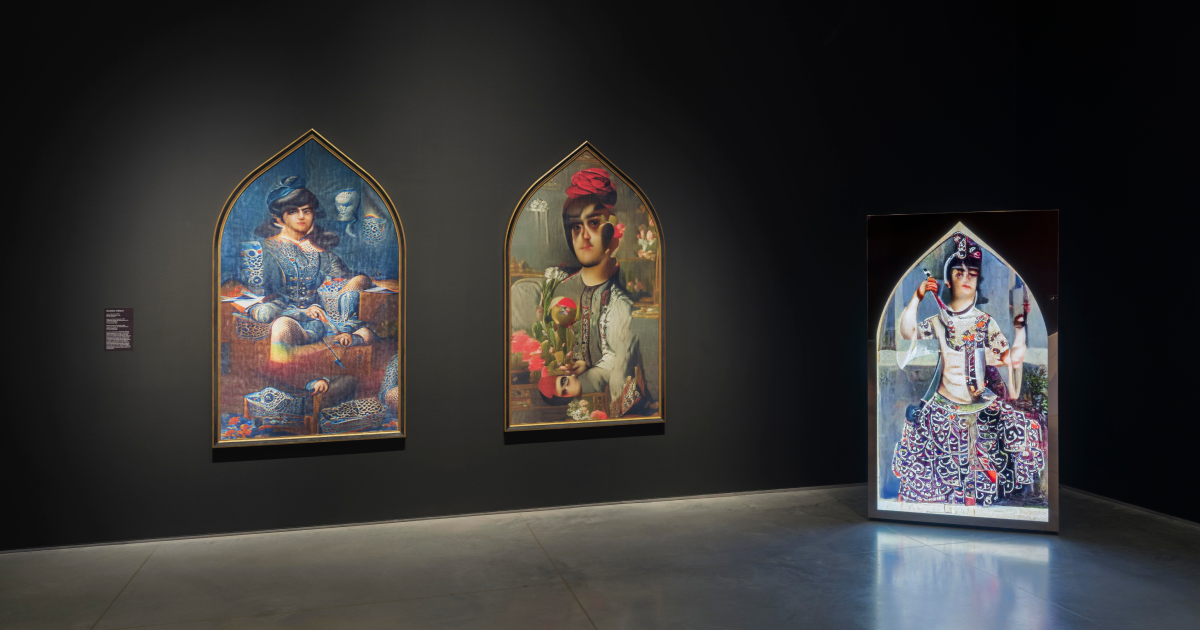
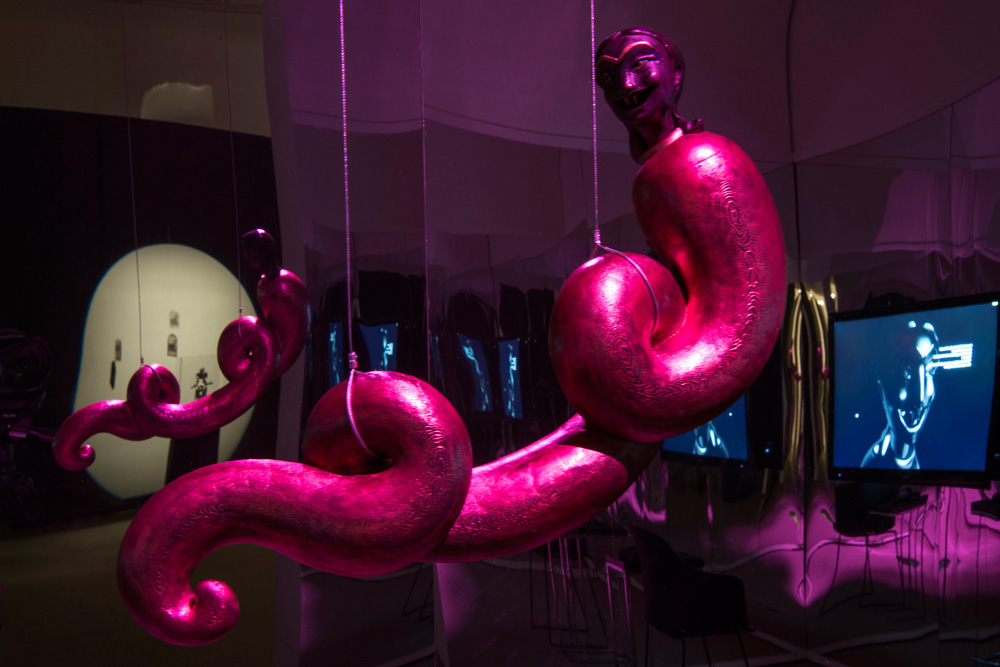
Morehshin Allahyari (Iranian, b. 1985) is an artist, organizer and educator who works as what she calls an archaeologist of technologies, adapting tools such as 3D printing and 3D scanning since 2014. She was born and raised in Iran and relocated to the United States in 2007, after which her work turned to questions of physical versus virtual identity and exile.
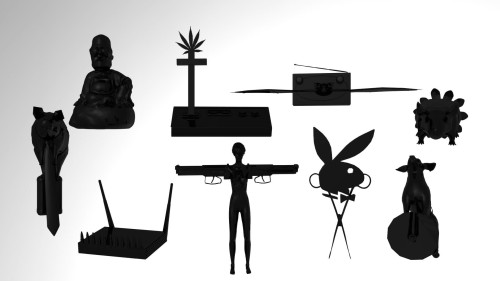
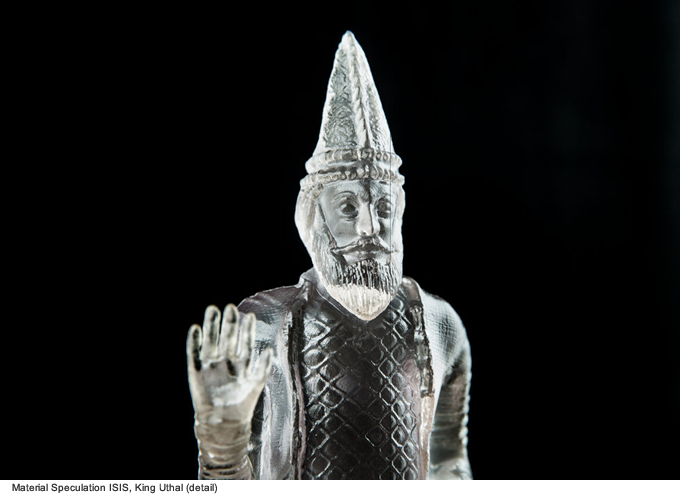
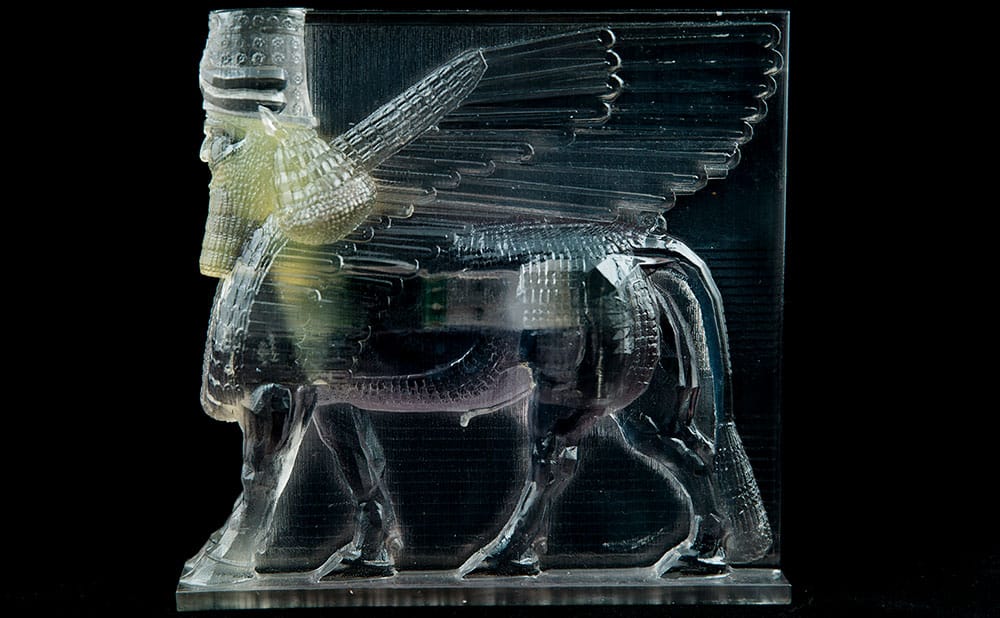
Her project Material Speculation: ISIS (2015–2016) used 3D modeling and 3D printing to recreate artifacts destroyed by ISIS fighters in museums across the Middle East. She described the resulting reconstructions as digital files free to flow across the world, able to be altered, edited and reconstituted. Each printed object contained a USB key holding research about the original artifact, gathered with archaeologists, historians and museum staff. With the artist and writer Daniel Rourke, she also co-authored The 3D Additivist Cookbook (2016), part of the collaborative project #Additivism, for which the pair received the Vilém Flusser Residency for Artistic Research in Berlin.