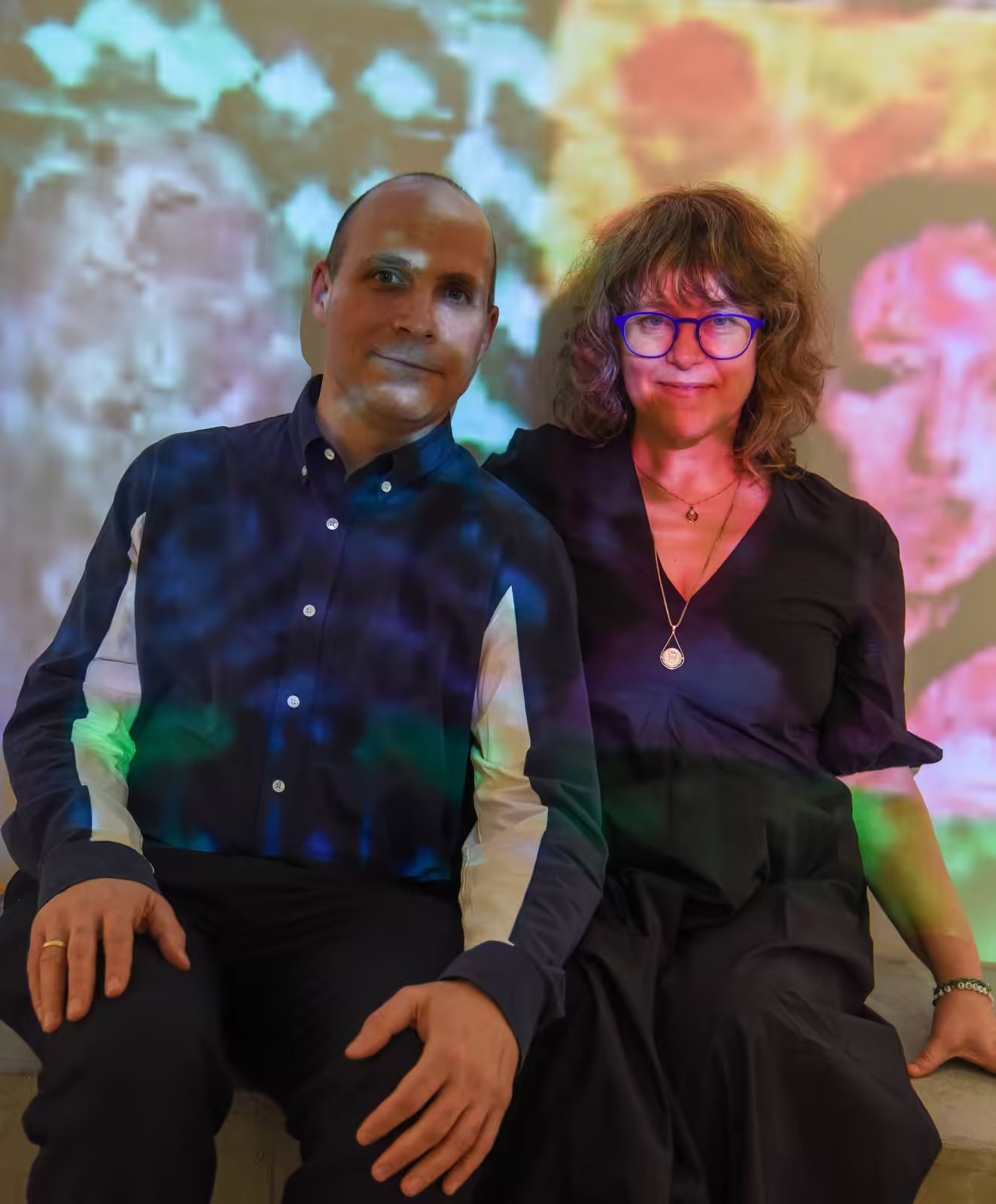
LoVid is a New York-based artist duo, Tali Hinkis and Kyle Lapidus, who have worked collaboratively since 2001. They build home-made analog video and audio synthesizers and combine hand-cranked code with tangible materials to make videos, textile works, performances, and NFTs. Their work is dense with color, pattern, and texture, marked by disruption and noise.
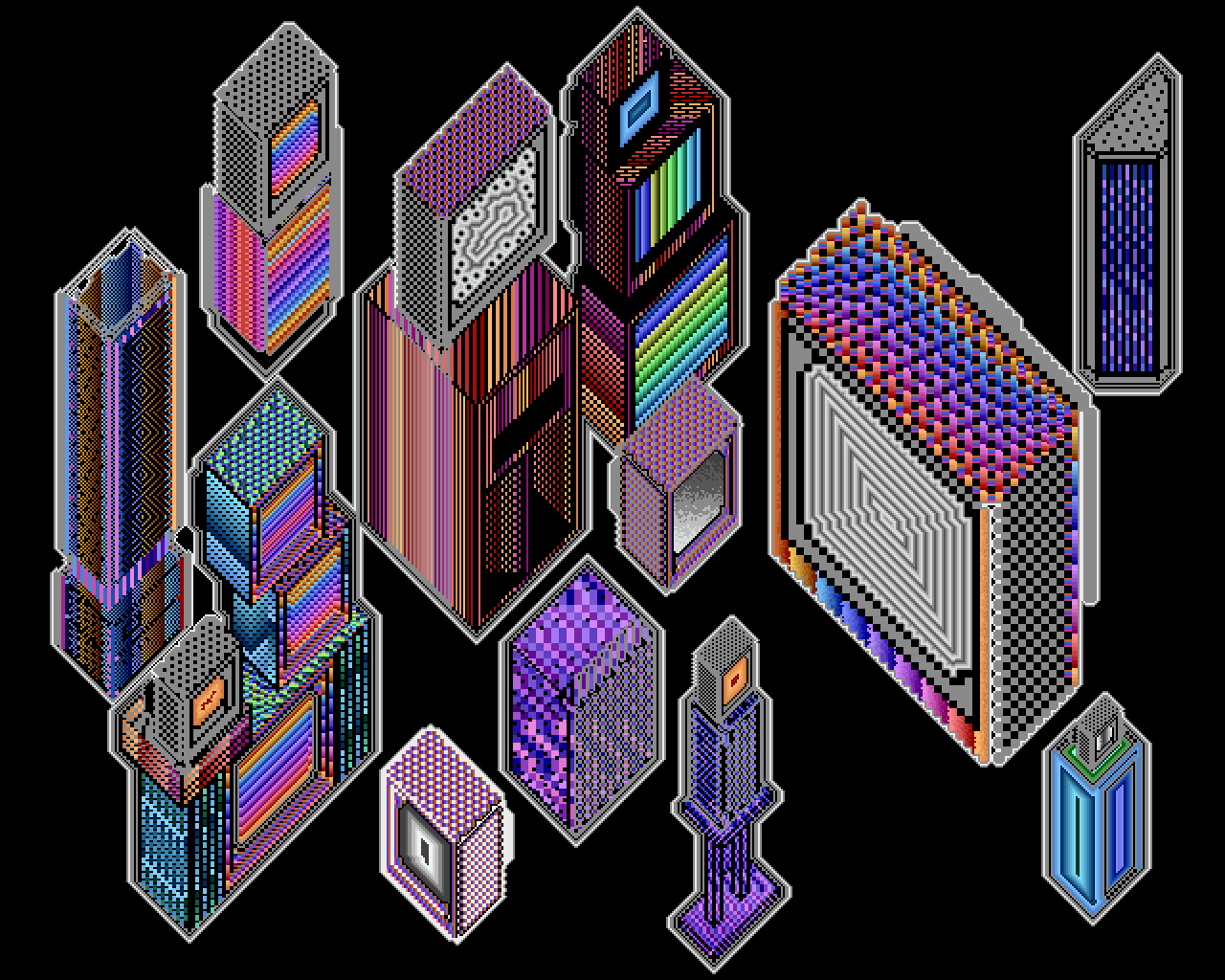
Lapidus came from the noise music scene of the 1990s, building handmade electronic instruments. Hinkis had worked as a video artist, editing on physical tape decks. They met in New York and began performing together.In 2004 they built their first instrument, an 8-bit synthesizer called Dragon Slayer, with Douglas Repetto.In 2005, at Eyebeam, they built Sync Armonica, a modular synthesizer they have used for most of their video and audio work since. In the mid-2000s the BBC licensed early videos of theirs for the documentary series All Watched Over by Machines of Loving Grace, in which filmmaker Adam Curtis used them to depict technological dysfunction and disrupted human-machine relations.
They have exhibited and performed at institutions including MoMA, The Jewish Museum, Anthology Film Archives, the Nantes Museum of Arts, and the Daejeon Museum.In 2005 the New Museum included them in Transmission II: Airborne, an exhibition of artists working with transmission across new media, radio, and sound.Klaus von Nichtssagend Gallery in New York presented their solo exhibition Contact Longing in 2017, and Wave Hill in the Bronx presented Tap Root, a solo show of fabric works and works on paper, in 2023.,
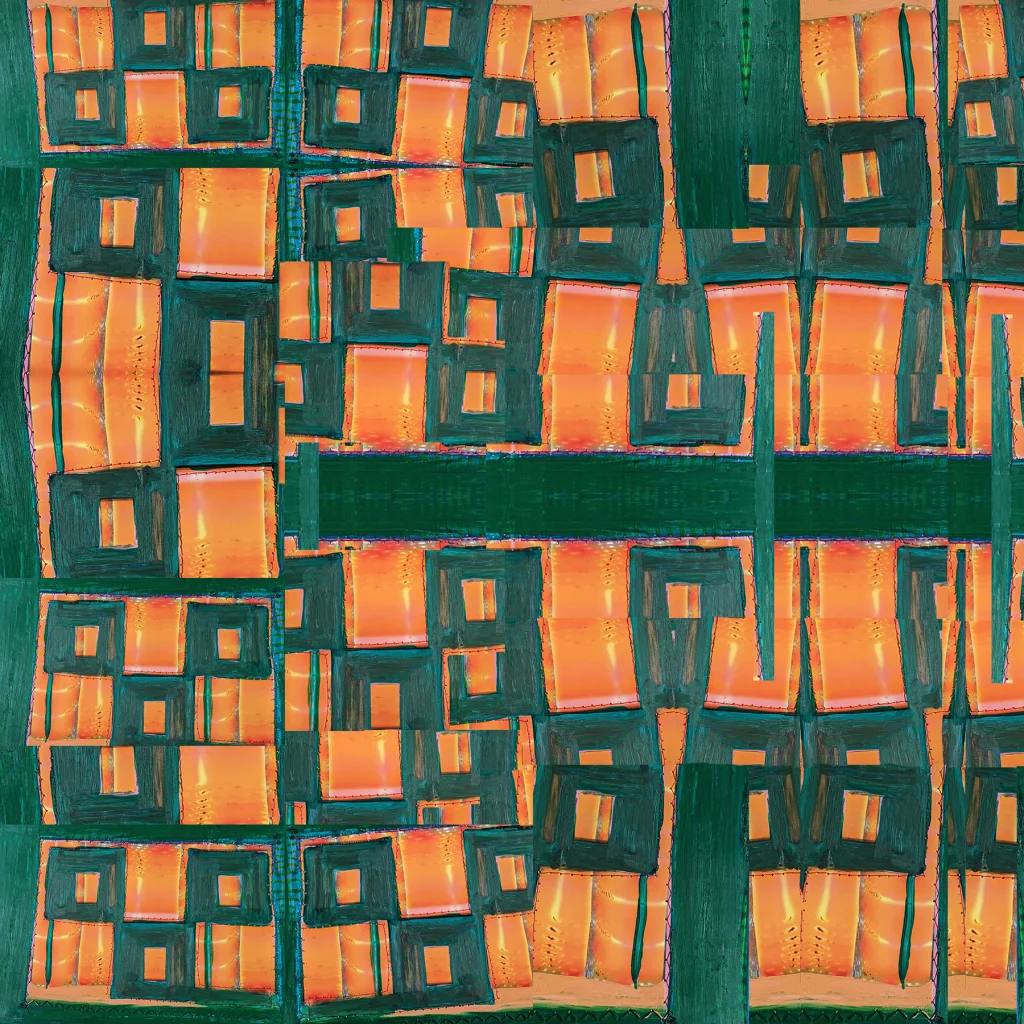
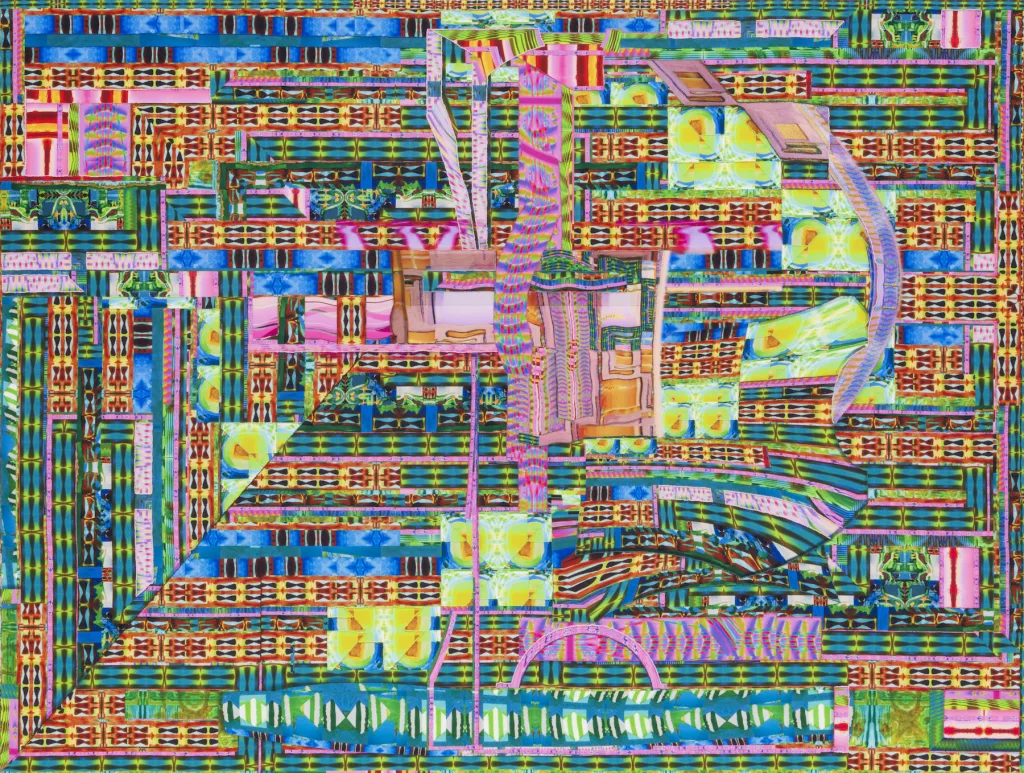
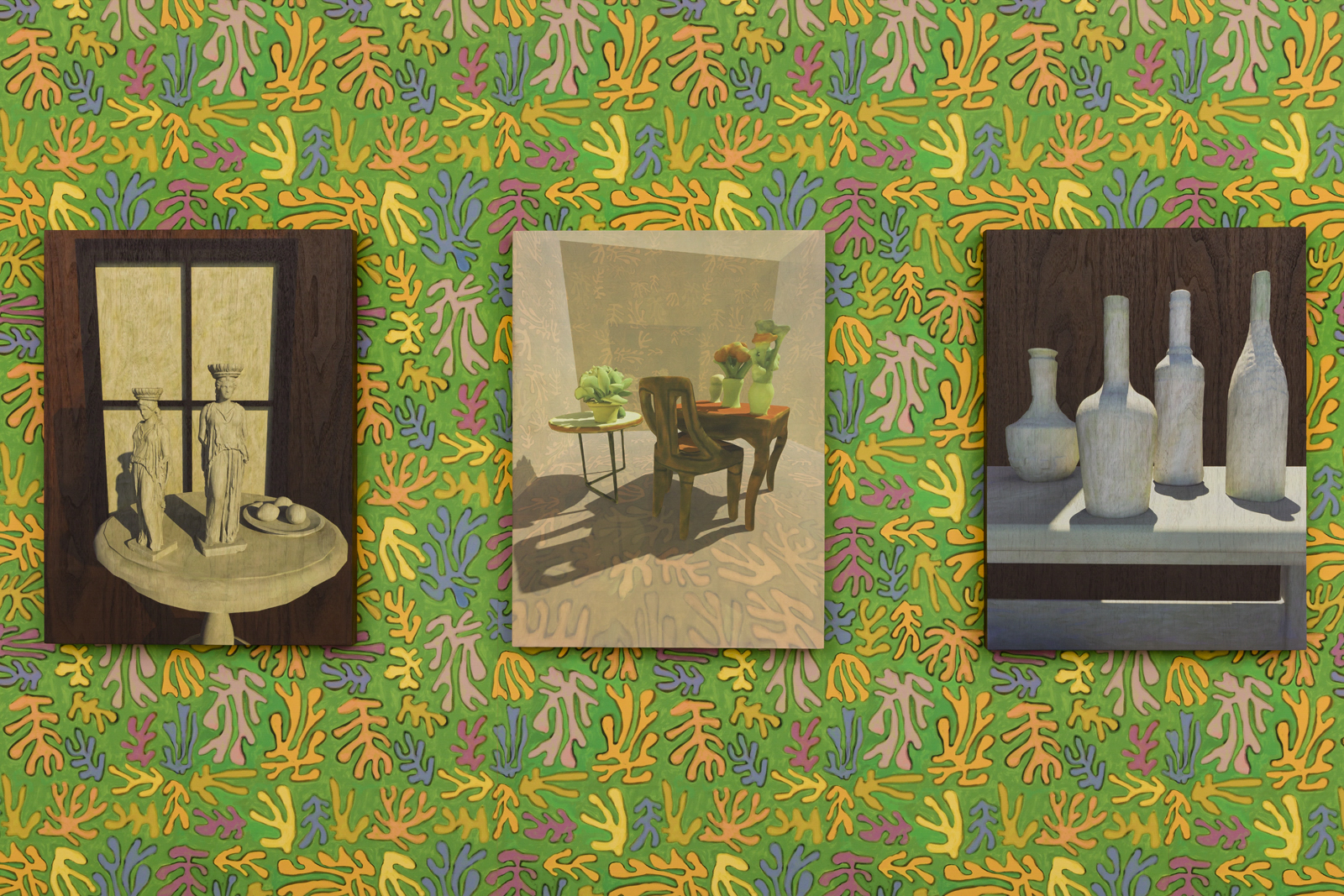
Their process starts with a live analog signal that becomes video, from which they capture still frames and recompose them across other media: printed, painted by hand, sewn into fabric, and scanned back in for further digital editing.In 2021 their piece Camera Skin, a dye-sublimation textile stitched by machine and paired with an NFT video, appeared in “Digital Combines” at Honor Fraser Gallery, a show pairing physical and digital halves of each work through instructions embedded in their metadata.The following year they released Hugs on Tape, animations and fabric works that remix footage of unfinished analog recordings with videos of friends embracing.That same year they made Hedgerow Expansion, a textile piece whose composition was inspired by an earlier study translating video into painting. In 2023 they made Stream Processing, a print and NFT built from stills of their own archival video footage.
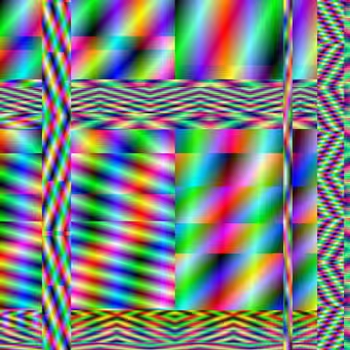
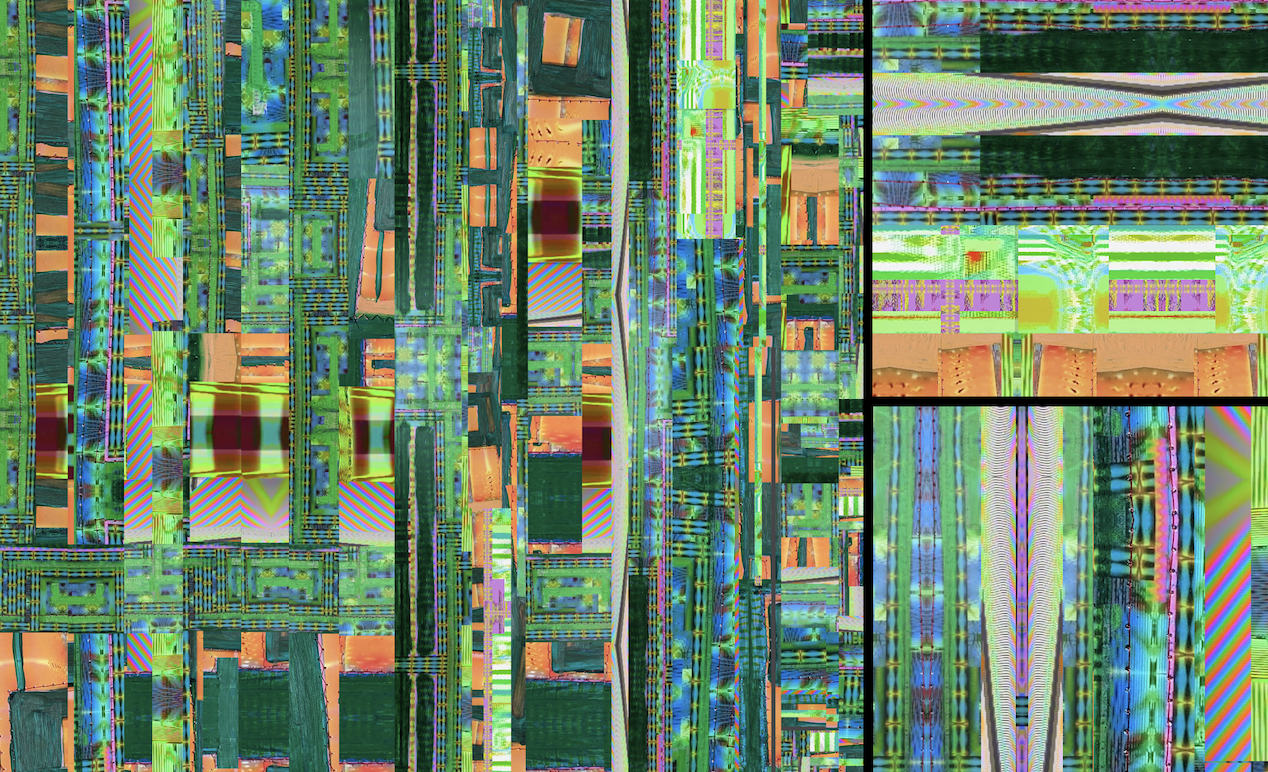
That same year they released Augury on Art Blocks, a generative collection that remixes frames from their earlier Tide Predictor algorithm into quilt-like compositions influenced by the Pattern and Decoration movement and by glitch art.They have also produced a rug based on the Augury patterns for physical display.In 2024 they released heartsleeves on Tonic, a generative video project whose collectors mint portraits of themselves inside its animations, with a public chapter, Best Friends, projected nightly in downtown Denver.,
In 2024 the Buffalo AKG Art Museum included them in Electric Op, a survey tracing the relationship between Op art and electronic art.In 2025 they were included in “Infinite Images: The Art of Algorithms” at the Toledo Museum of Art, a survey of generative art since the 1960s.LoVid's work is held in the collections of the Whitney Museum, the Museum of the Moving Image, the Parrish Museum, the Thoma Foundation, the Butler Institute of American Art, and the Heckscher Museum.