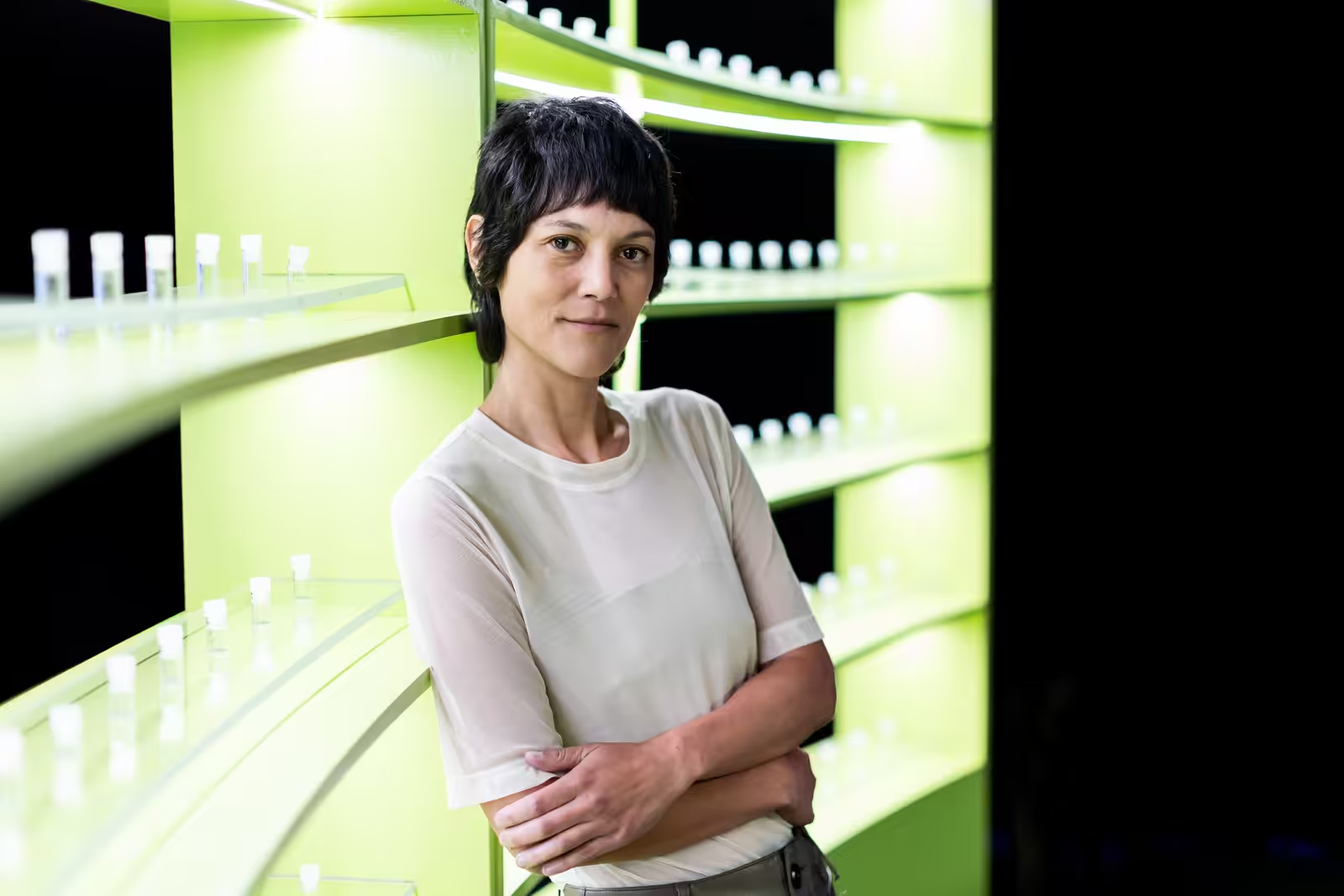
Lauren Lee McCarthy is an artist based in Los Angeles who examines social relationships amid surveillance, automation, and algorithmic living.,,They are the creator of p5.js, an open-source platform for learning to code that prioritizes access and diversity, and served on the board of directors of the Processing Foundation from 2015 to 2021.,McCarthy is a professor at UCLA Design Media Arts and holds degrees from UCLA and MIT.
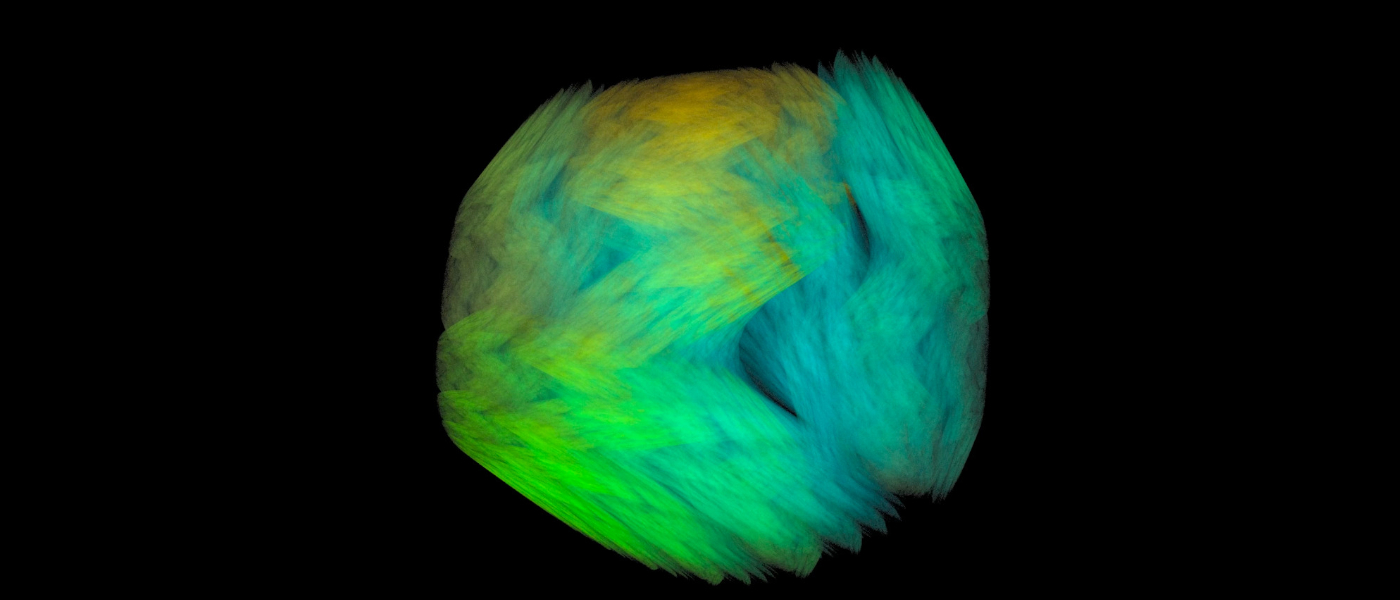
McCarthy created p5.js, an open-source platform for learning to code that prioritizes access and diversity and has more than ten million users. They served on the board of directors of the Processing Foundation from 2015 to 2021, an organization dedicated to expanding access to software and visual literacy.On p5.js, McCarthy emphasized diversity of contributors, and a collaborator's question pushed the project toward accessibility for blind and visually impaired users.
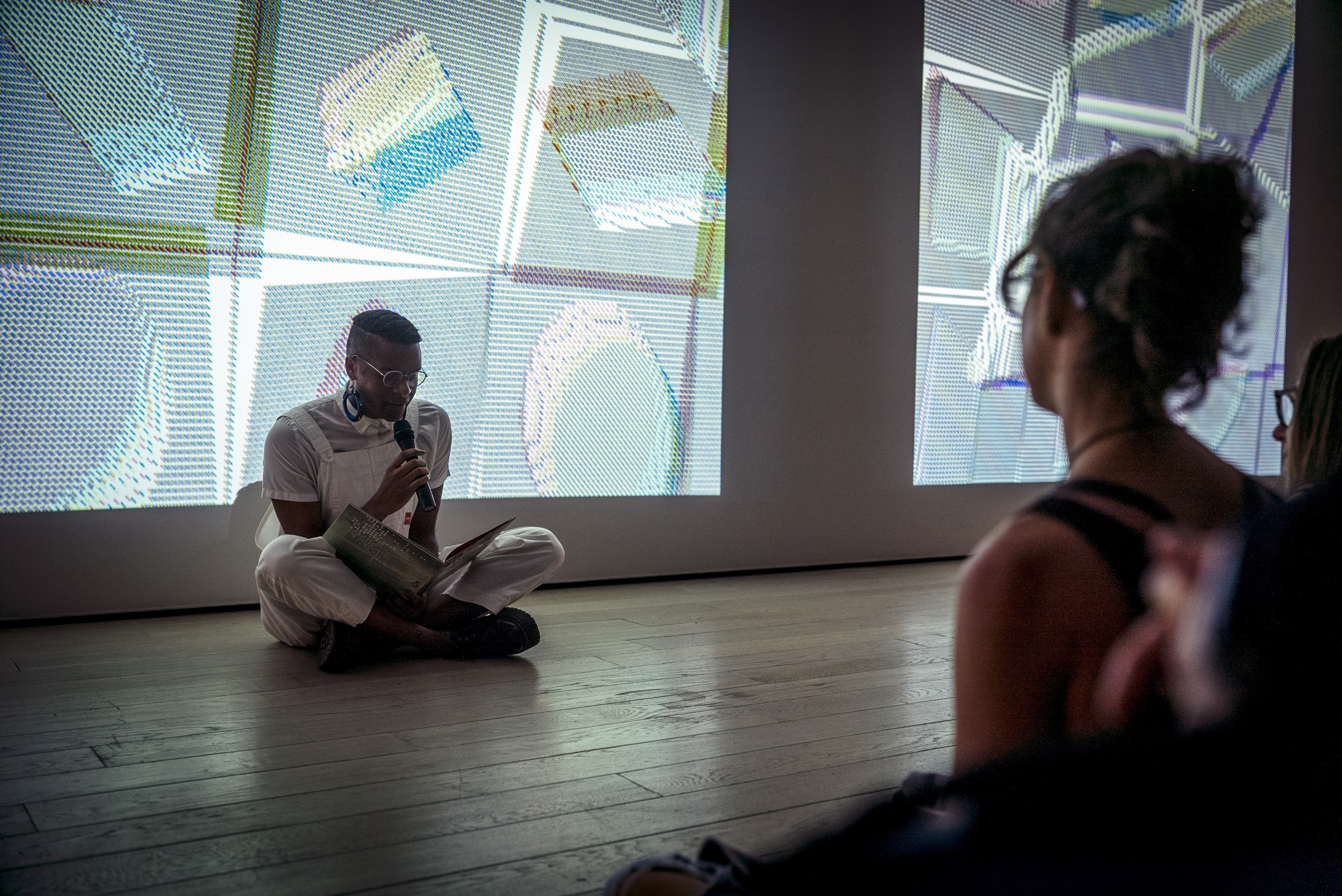
In LAUREN (2017),McCarthy installed networked cameras, microphones, and other devices in participants' homes, watching over them remotely for three days at a time as a more attentive alternative to a smart-home AI.In SOMEONE, custom smart devices were installed in four participants' homes across the United States for two months in 2019. At a command center at 205 Hudson Gallery, part of the exhibition “Refiguring the Future”, visitors could watch the homes and answer residents' calls for “Someone”.The work won the Ars Electronica Golden Nica in Interactive Art+ and the Japan Media Arts Festival's Social Impact Award.,
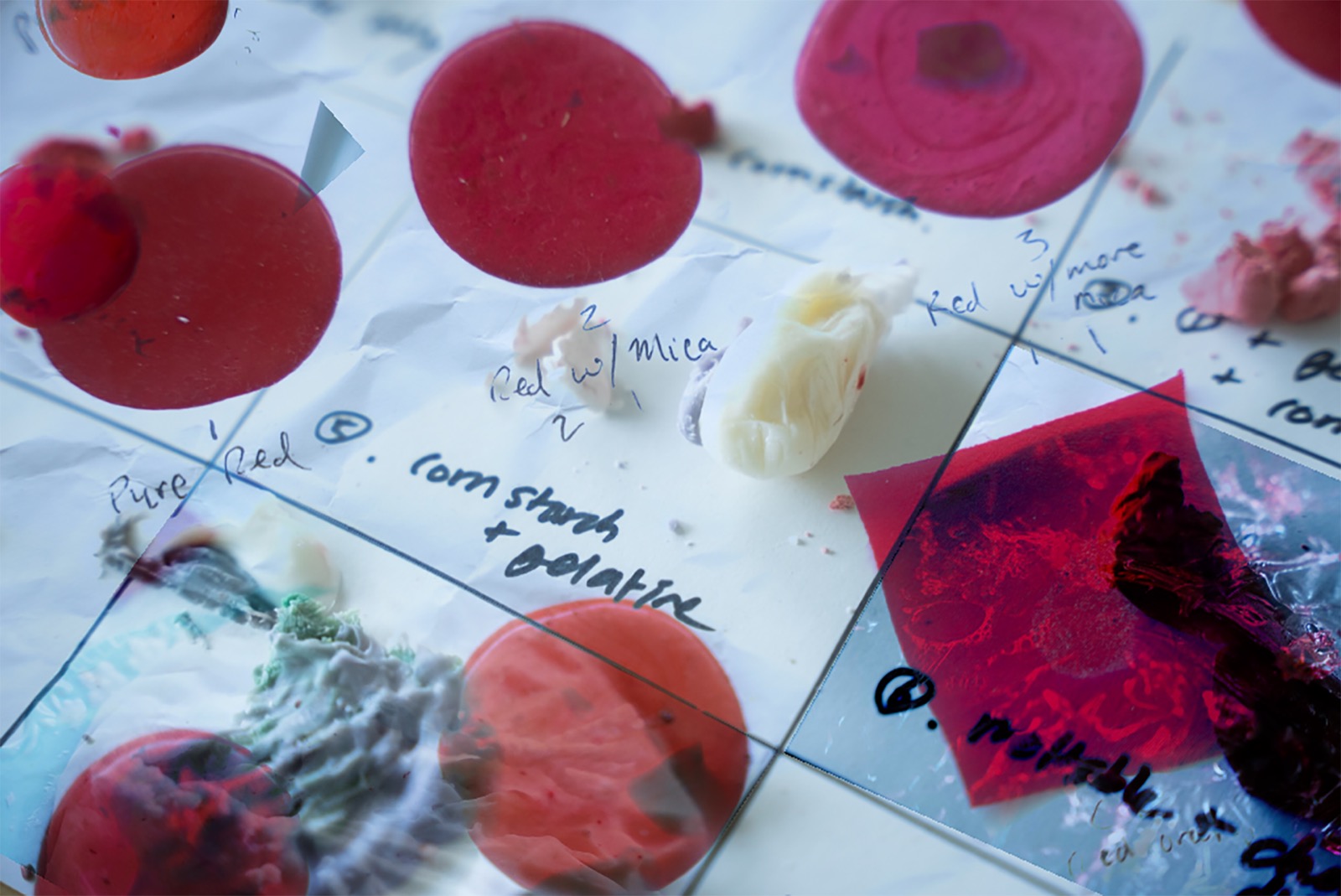
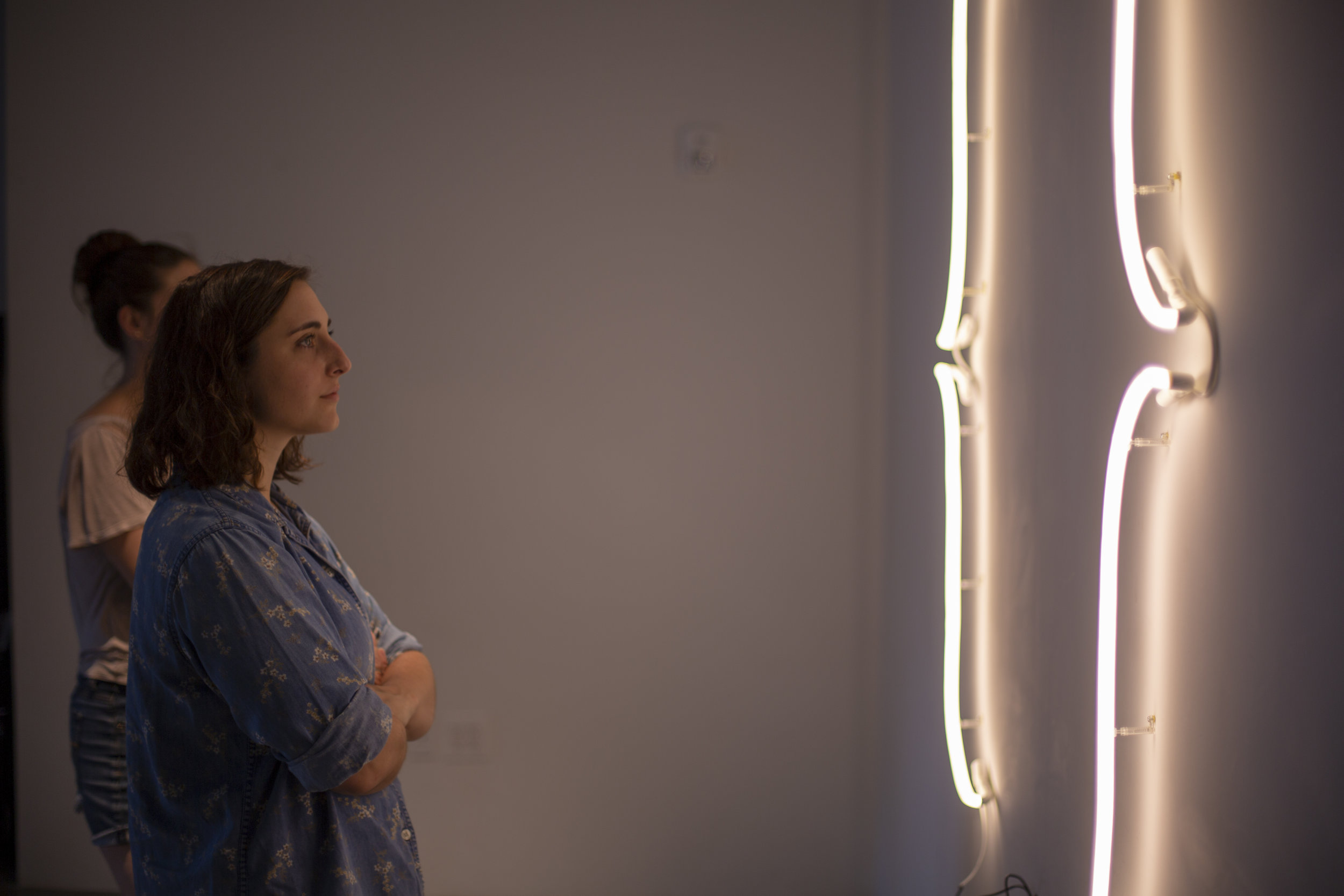
McCarthy's solo exhibition “Bodily Autonomy” at the Mandeville Art Gallery paired two Creative Capital-funded works, Surrogate and Saliva, to examine bio-surveillance. In Surrogate, McCarthy offers her body as a remote-controlled surrogate to people or couples wanting a child, never fully realized but prompting conversations about family, genetics, gender, and reproduction. Saliva examines DNA sampling and data harvesting, including a saliva-exchange station where visitors trade genetic samples with one another outside medical and corporate anonymity.
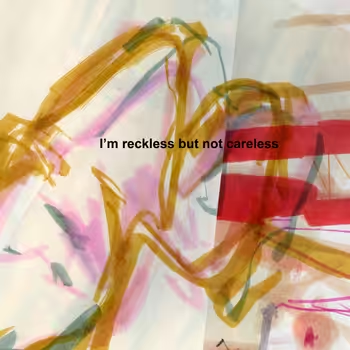
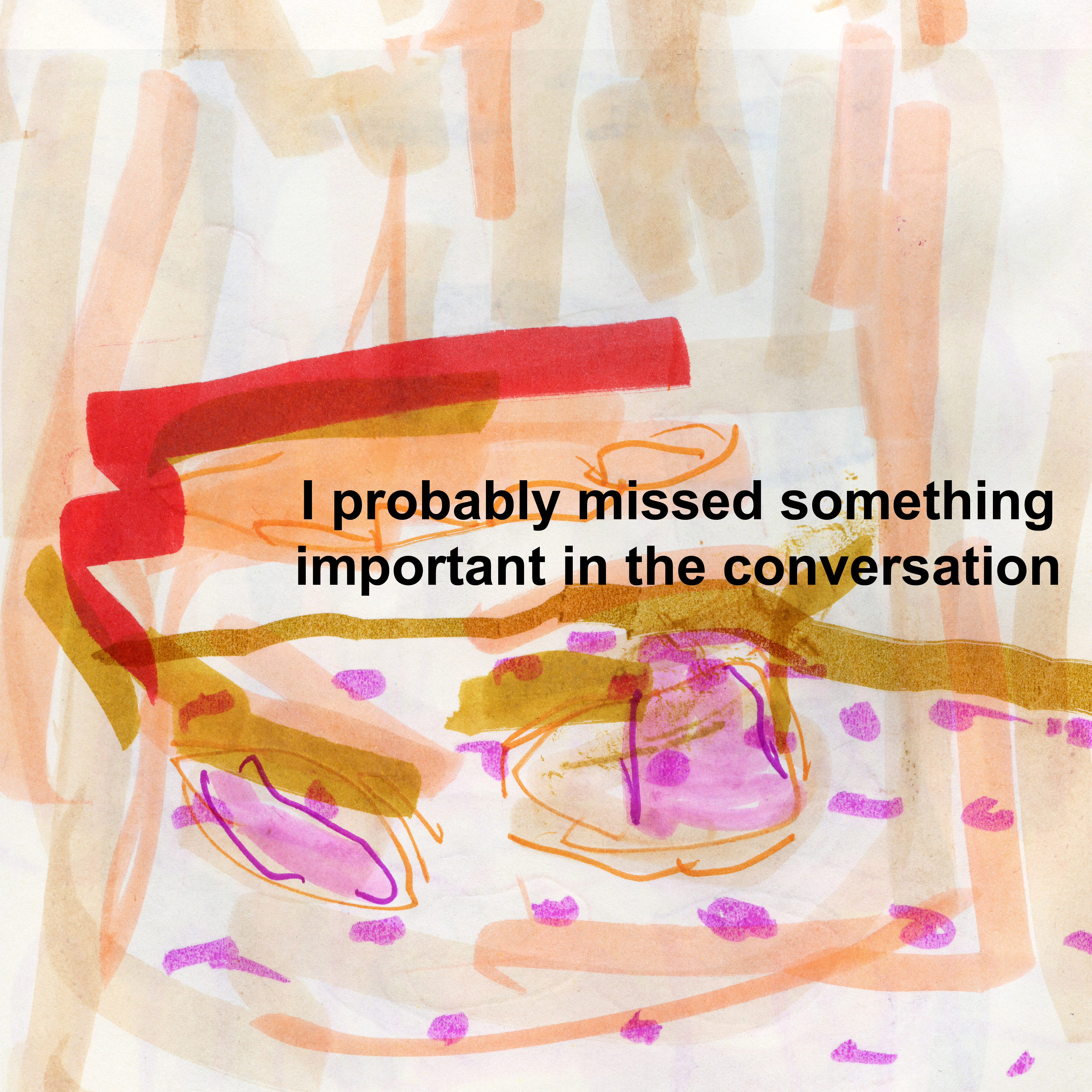
For Seeing Voices (2024), McCarthy performed as if they were an AI image generator, hand-drawing 100 images in response to text excerpted from Voice In My Head, a companion performance made with Kyle McDonald. The text had been generated by software the two of them wrote with ChatGPT, and she then wrote further software to crop and combine the scanned drawings into a coherent set of 100 images.
In AUTO (2025), participants enter a vehicle and sing to power its movement, an act she has said explores the anxiety and thrill of ceding control. Her work is held in the collection of the Whitney Museum of American Art.