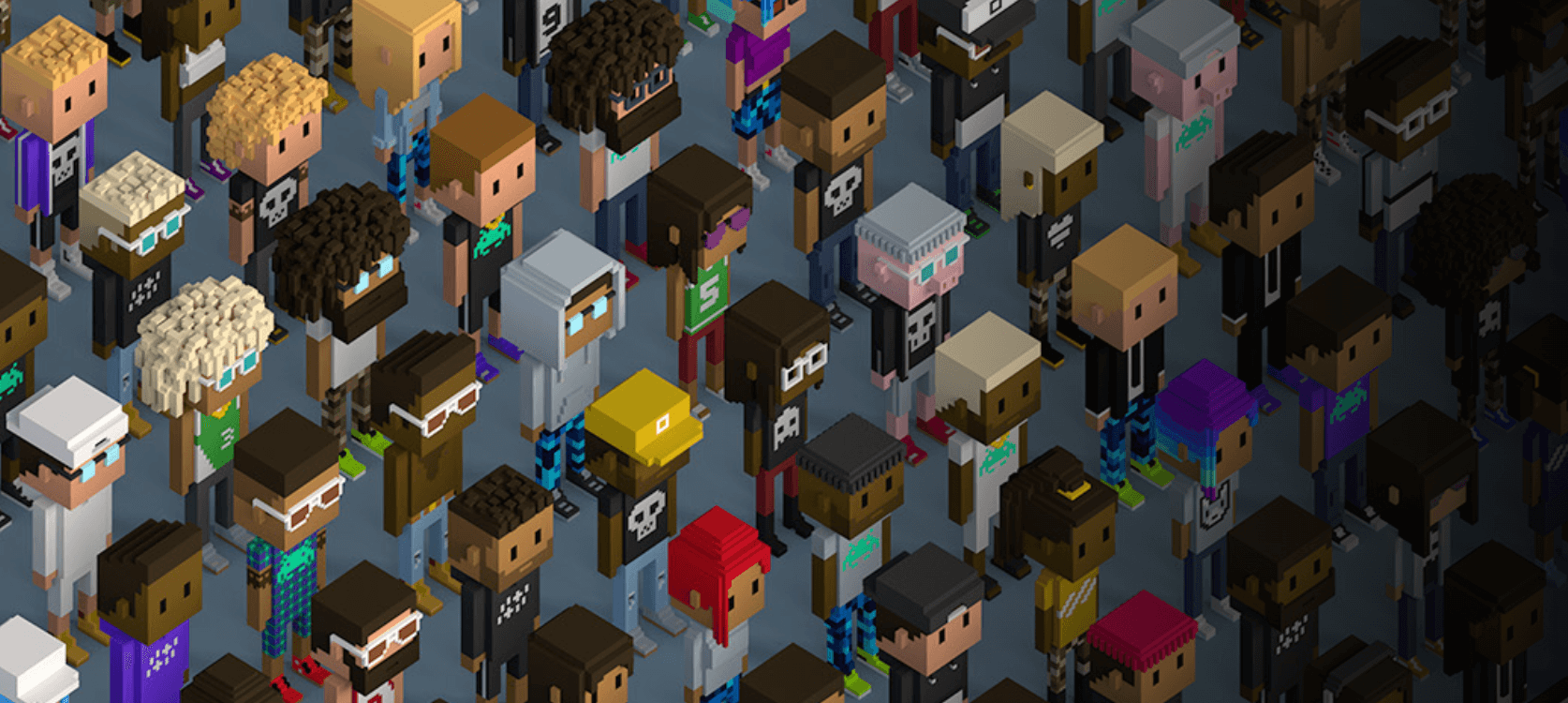
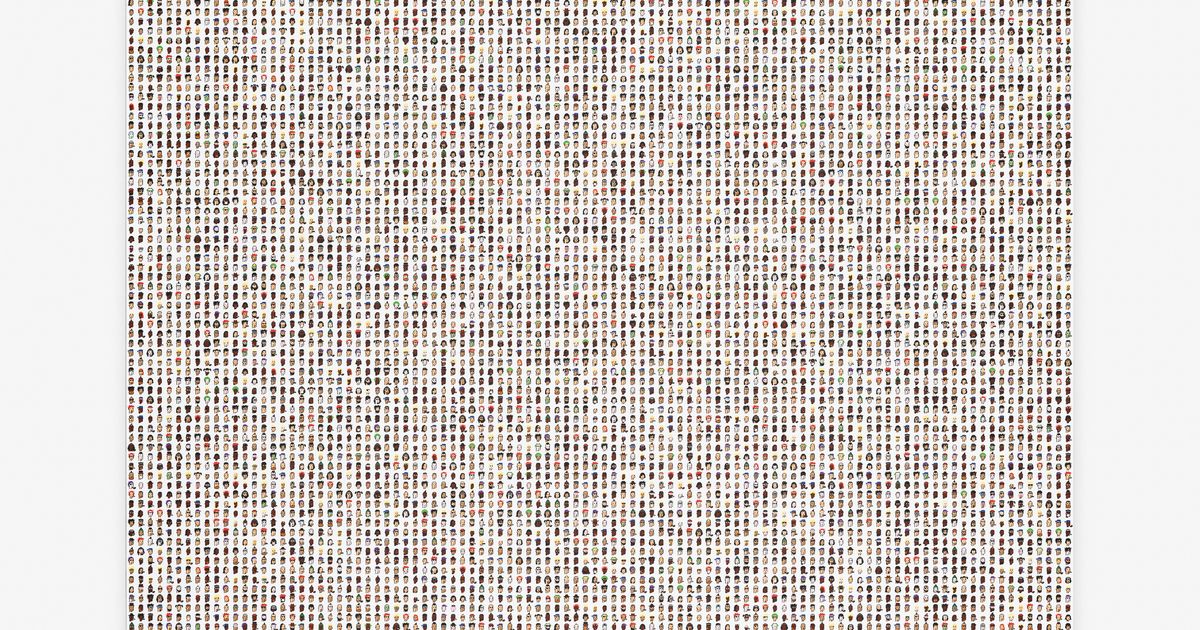
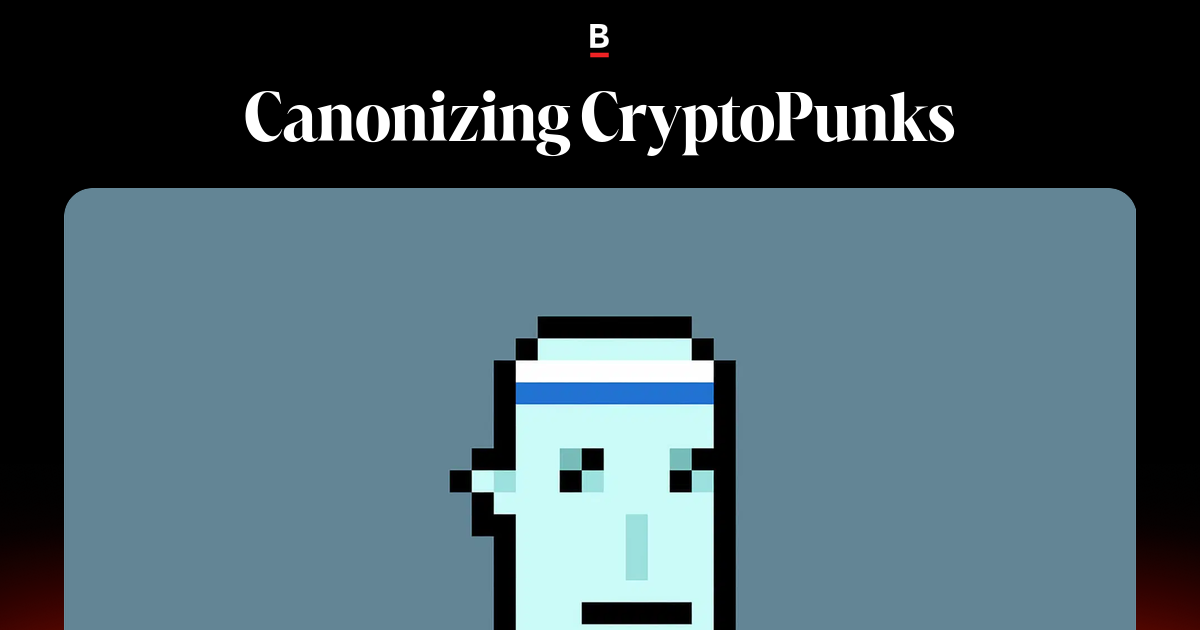
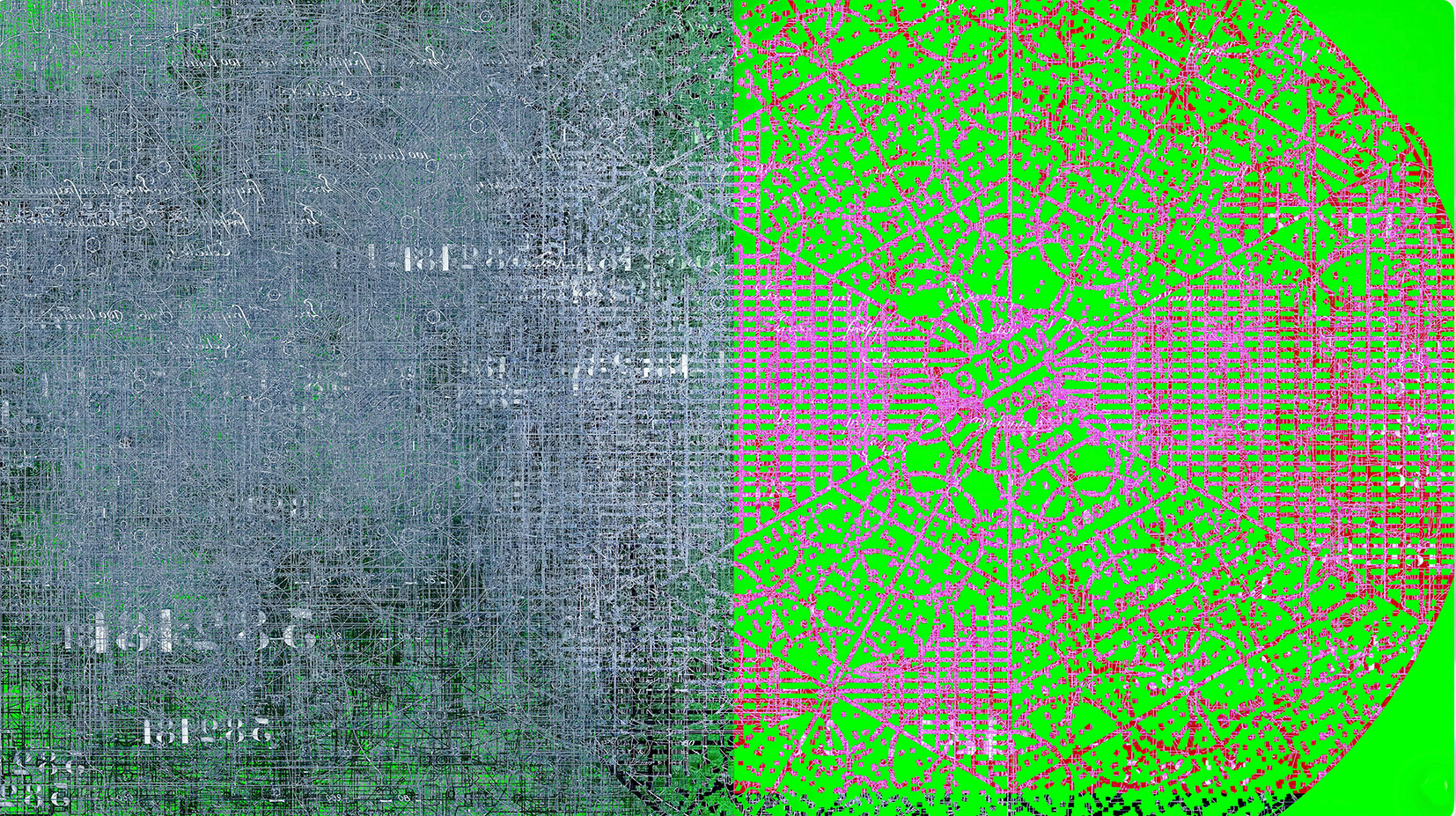
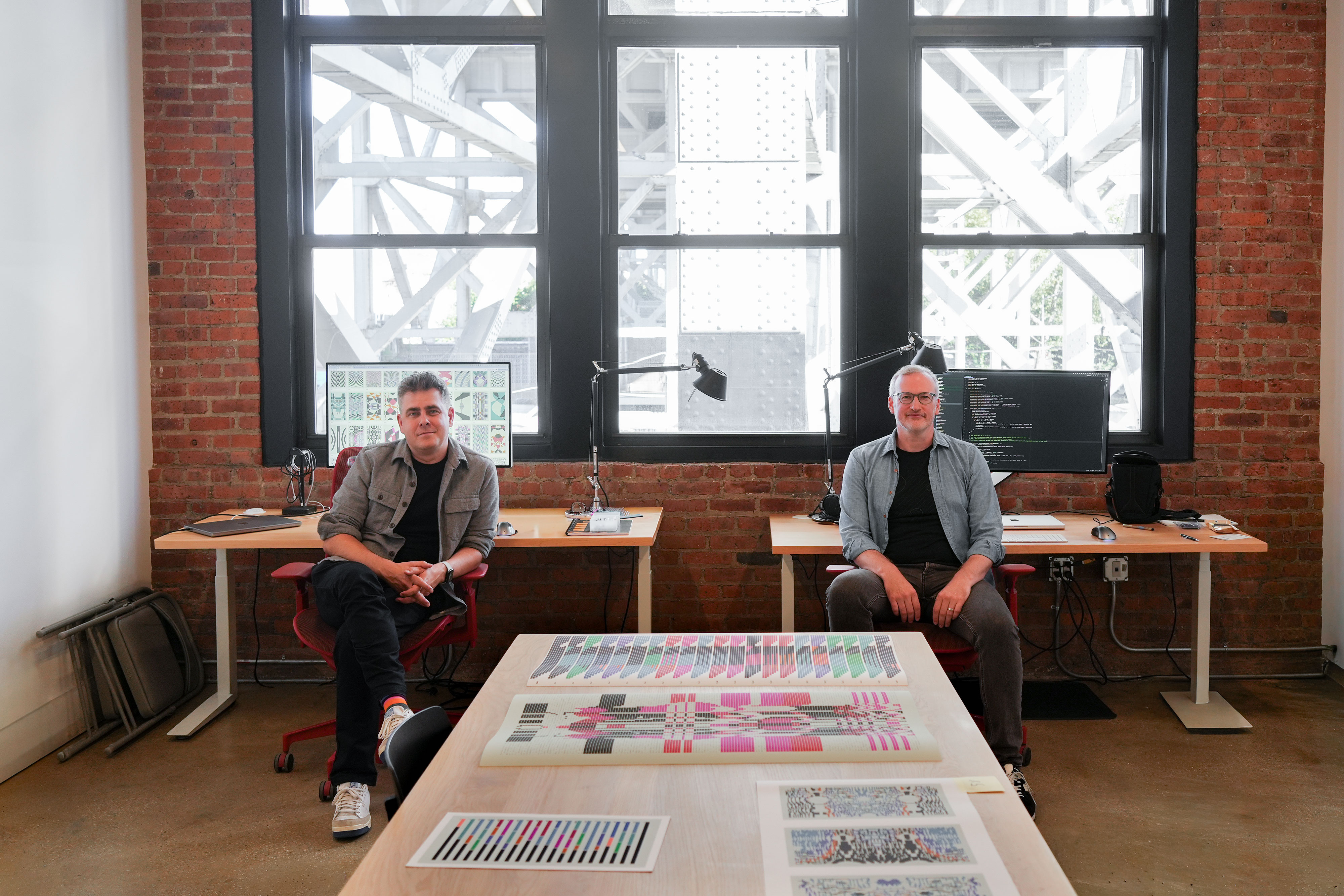
Larva Labs is the two-person studio of Matt Hall and John Watkinson, self-described “creative technologists” who have used new and emerging technologies, including the Ethereum blockchain, to make collectible and generative digital art.,In 2017 they released CryptoPunks, 10,000 pixel-art characterswith a built-in on-chain marketplace that became the prototype for the '10K' profile-picture genre.
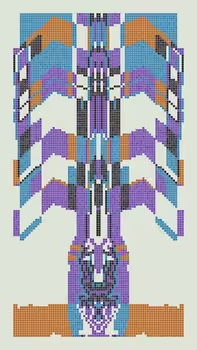
Hall and Watkinson met in Toronto in the 1990s net art scene, and by 2017 had already worked together on early web and mobile technology before turning to Ethereum.After giving talks on the promise of NFTs at a Christie's blockchain event in London in 2018, they met curator Georg Bak, which led to early exhibitions of their work at Kate Vass Galerie in Zurich.In 2019 they released Autoglyphs, 512 minimalist compositions generated and stored entirely on the Ethereum blockchain,which they describe as “the cave paintings of on-chain art”.The project was inspired by Sol LeWitt, whose practice of turning written instructions into large-scale wall art they adapted to code: “the instructions are the art”.
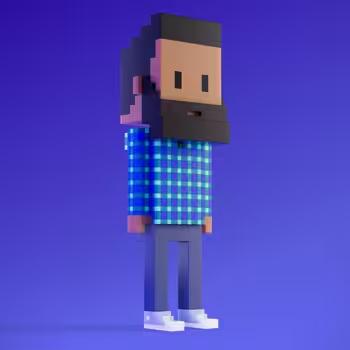
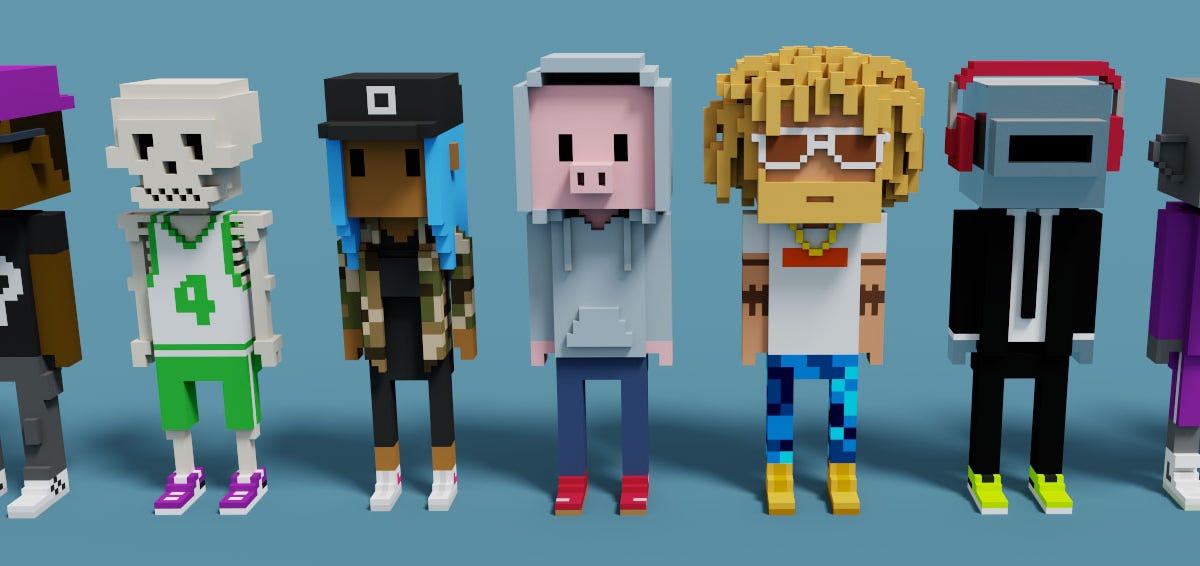
In 2021 the duo released Meebits, a collection of voxel-based 3D characters,and in 2022 sold the CryptoPunks and Meebits intellectual property to Yuga Labs, the studio behind Bored Ape Yacht Club.,Yuga sold the CryptoPunks IP on to the non-profit Infinite Node Foundation in 2025 for a reported $20 million, and Hall and Watkinson joined the foundation's advisory board.Their work has entered the collections of the Centre Pompidou, LACMA and ICA Miami, and in December 2025 the Museum of Modern Art acquired eight CryptoPunks.,
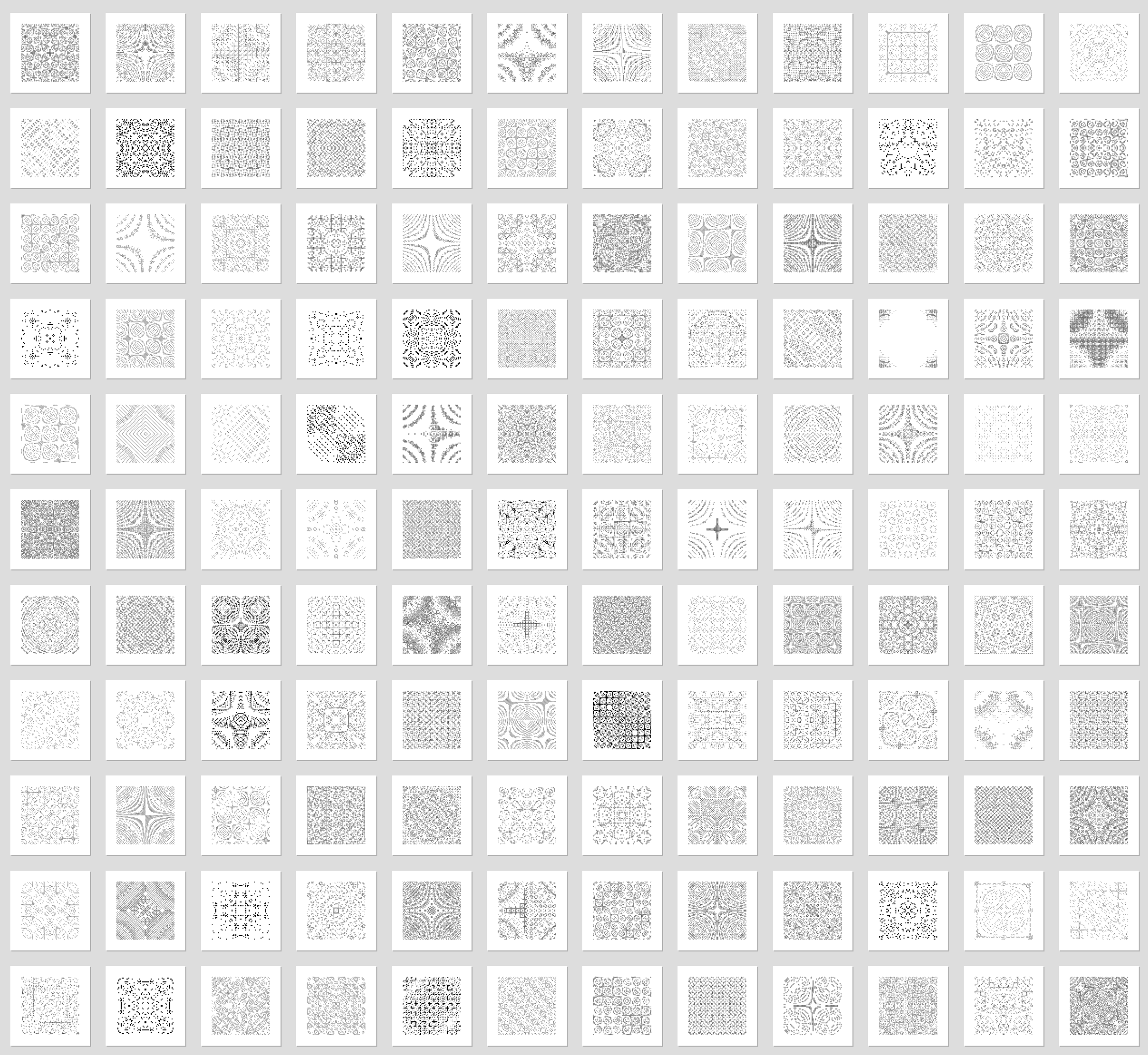
In October 2025 they released Quine on Art Blocks Curated at the invitation of its founder Erick Calderon, marking their first major project since 2021 and the platform's final Curated release. The series takes its name from Douglas Hofstadter's term for a program that reproduces its own source code, and each output displays the very code that generated it, laid out as a grid resembling a programmer's code listing. Some outputs, termed “n-quines”, generate multiple linked images from a single mint, letting the collector choose which one to display.