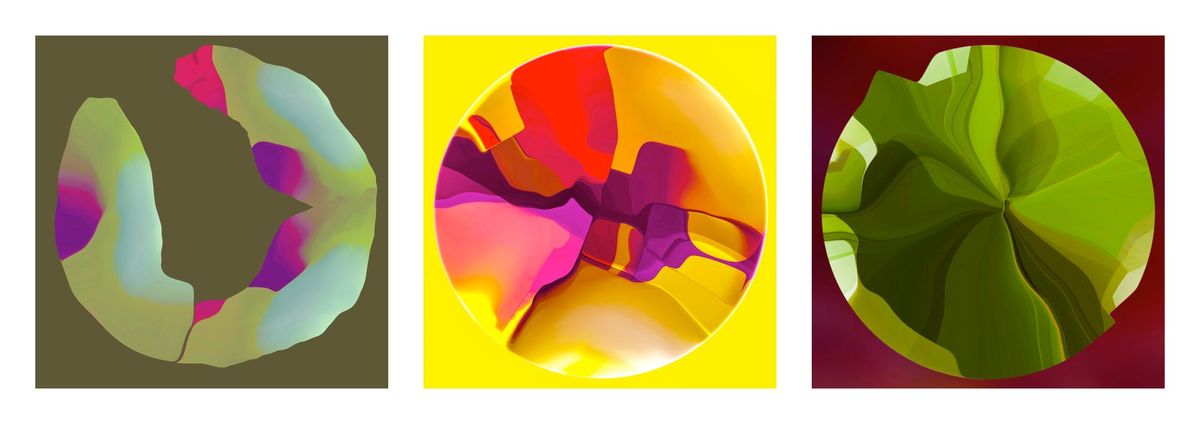
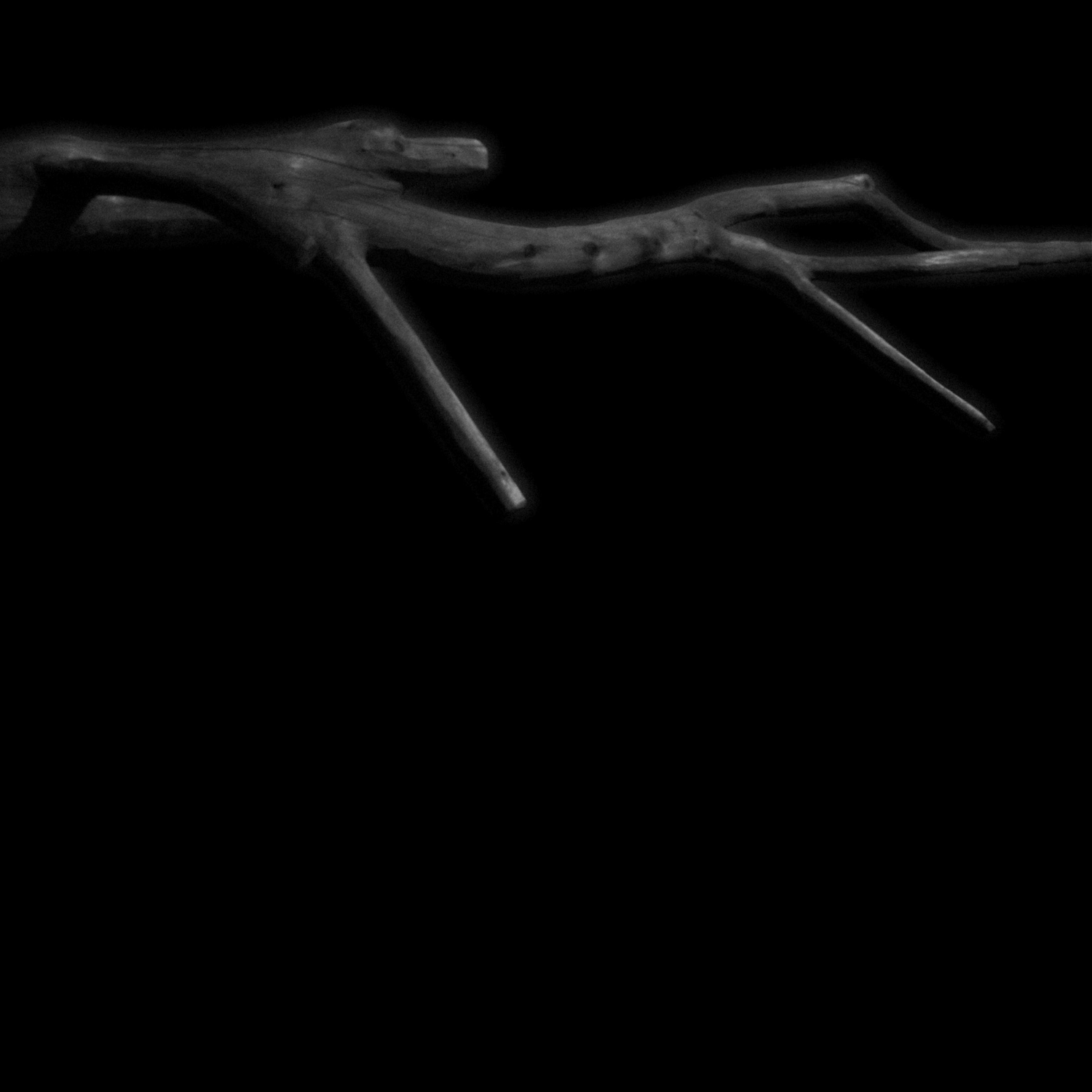
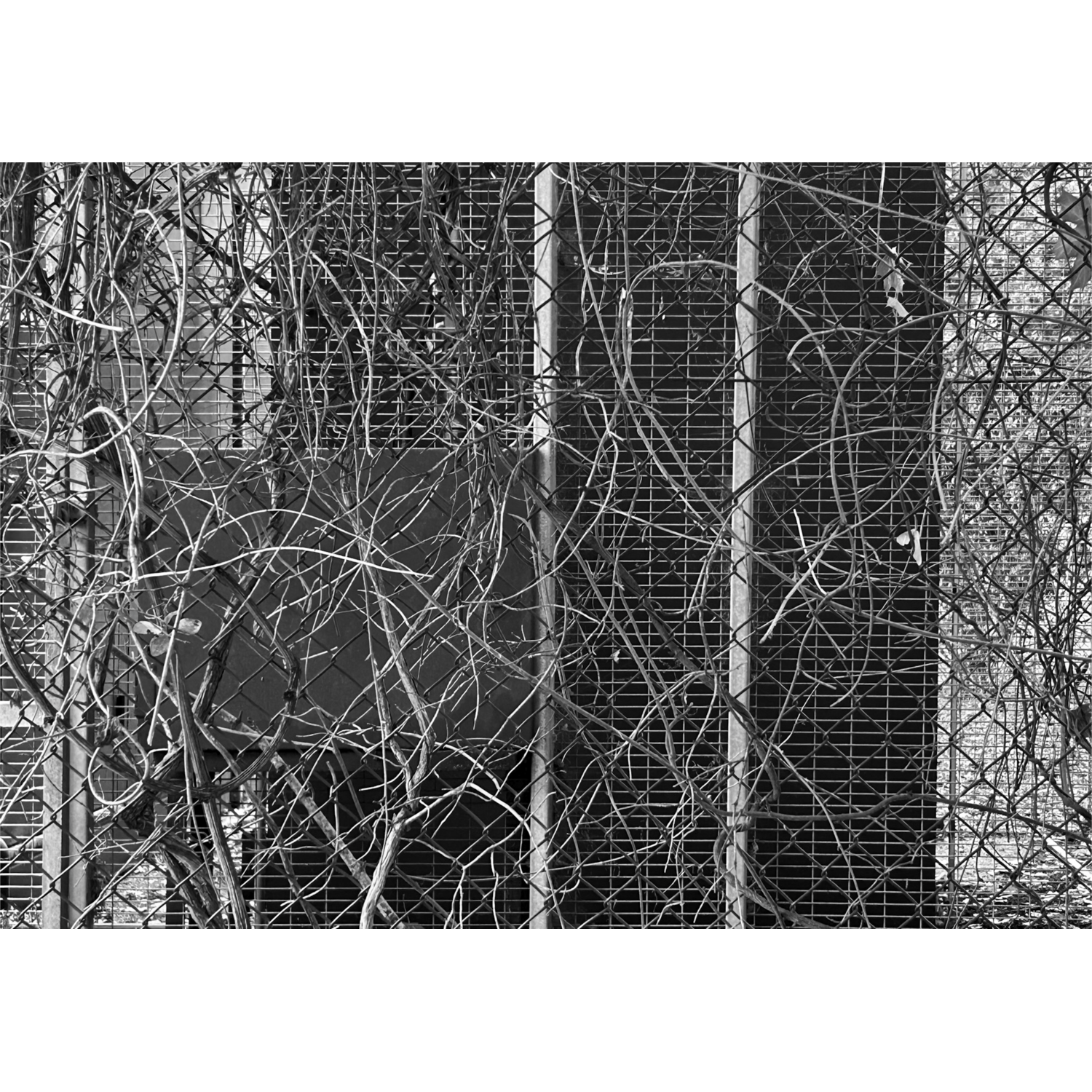
LabelsOnHumans is the self-taught digital artist Michael Bradbury, who works from London to merge digital editing with photography, producing abstractions built from his own photographs. He treats pixelation, striation and digital compression as visible evidence of the working process, comparing them to a painter's brush stroke. A sense of optimism running through the work took shape while he confronted a serious illness.
Bradbury grew up in a small, working class town in the English Midlands, where he had little contact with the arts before studying literature at university. He later worked as a self-taught furniture designer, and sold a first design through The Conran Shop and Harrods in the United Kingdom before the functional side of design came to matter less to him than self-expression.In a 2021 interview, he said he had been a full-time artist for about a year, having turned to working digitally because the technology was already close at hand. That year he began minting his work on Hic Et Nunc and released Without, layering his digital abstracts into photographs he described as depicting absence, some taken roughly a decade earlier.
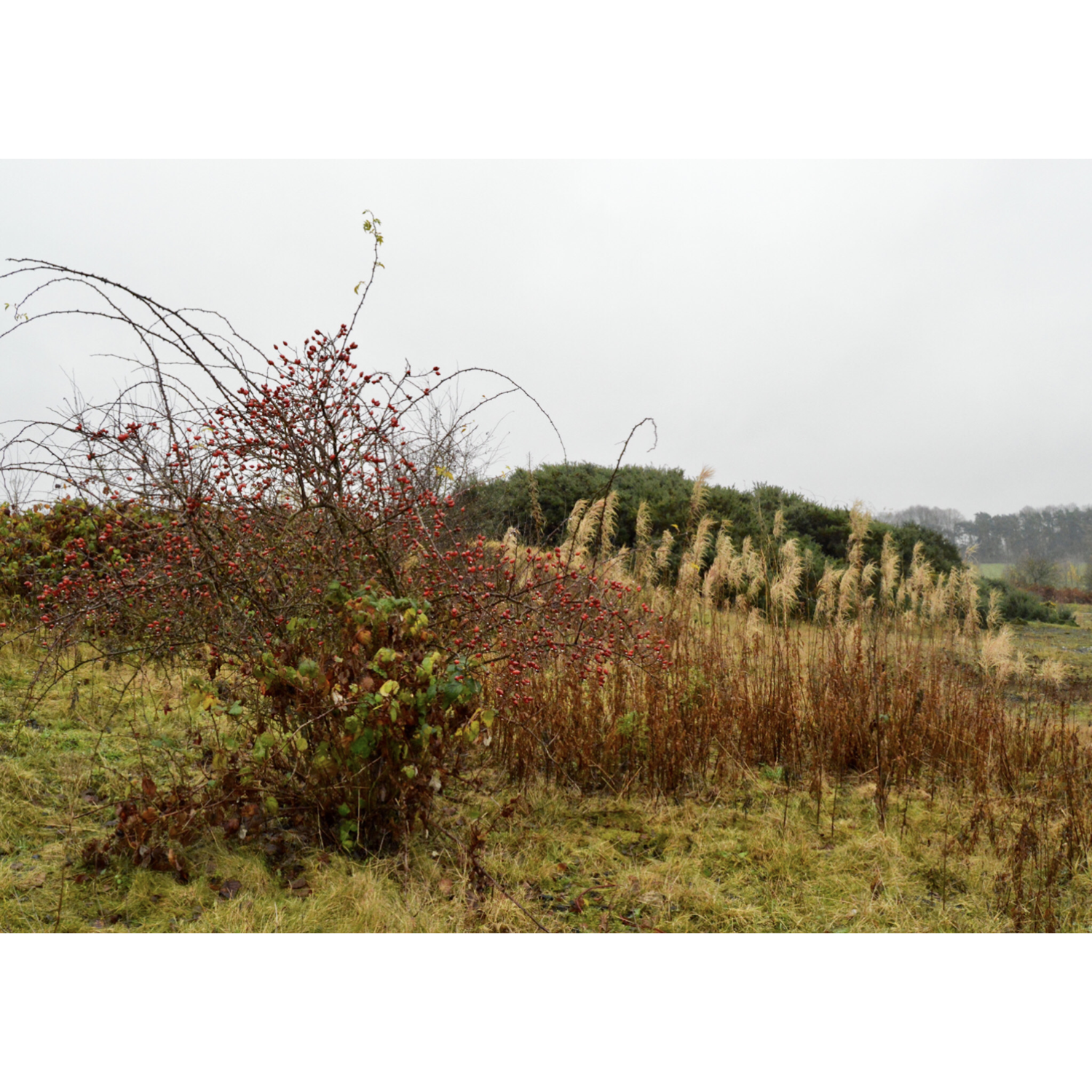
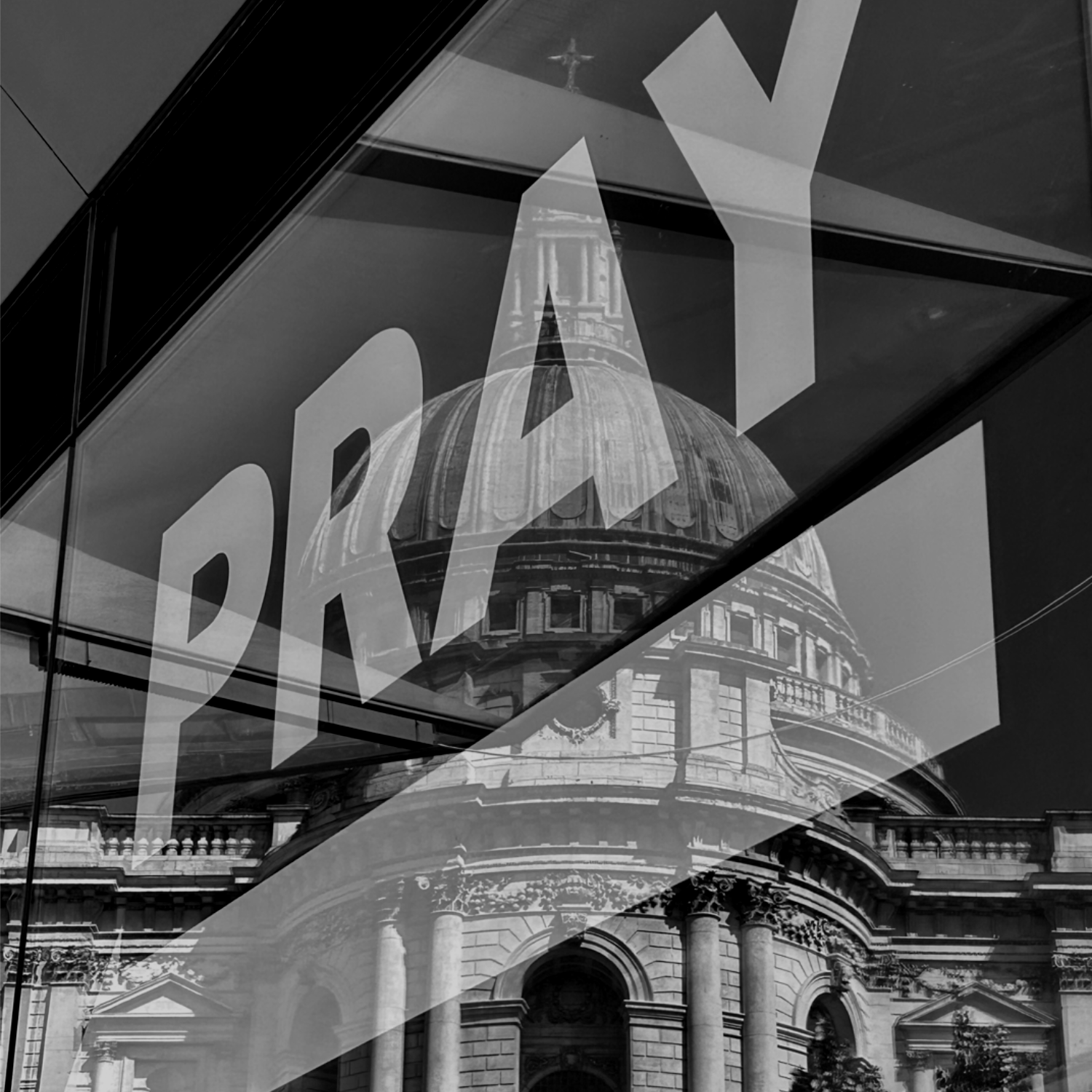
Where Calverton Colliery Used to Be documents the site of a former coal mine in Nottinghamshire, a landscape he connects to his father's redundancy from a steel works in Derbyshire.In Because Black, he obscures parts of his photographs behind fields of black, describing the colour as a metaphor for the privacy and relief from information overload that he was seeking.H. R. Department grew out of his sense of alienation from the church as a gay man, a theme he returned to in a related series he named Keep Out.,With his friend, the artist Jeremy Gluck, he produced Locate Yourself, a collaborative photograph and text project that grew out of conversations between the two of them.
A profile of his work in The Tickle, a magazine for contemporary digital art, described his pieces as existing “almost as thoughts, post-visual, post-experience”.He also contributed the essay “Patterns across time” to a later issue of the magazine, reflecting on cycles of anxiety and adaptation across historical ages.He holds gallery representation in Beijing and Shanghai, and says his prints and blockchain artworks can be found in private collections in the UK, Italy and the United States.,