Kjetil Golid (Norwegian, b. 1991) is a generative artist and system developer based in Trondheim, Norway.,,He works with algorithms and data structures, often starting projects from the question “what would it look like if”.,His pieces balance rule-based order with unpredictable complexity.,He open-sources much of his code and builds free interactive tools that let others manipulate his systems without needing to program.,
Golid began at design school in 2011, where he was introduced to the Processing programming language, before switching to study cognitive science and then computer science, writing his thesis on Turing machines, regular languages and deduction systems.Visualization first served him as a tool for understanding algorithms, before his exercises shifted from correct implementations of known algorithms toward images made mainly for their aesthetic qualities.,He began showing work on KnownOrigin in 2018 and later minted on SuperRare.
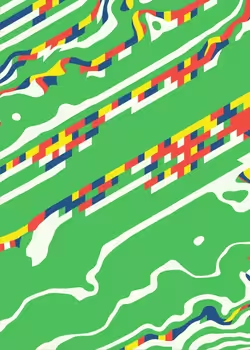
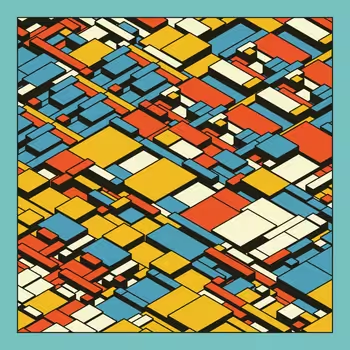
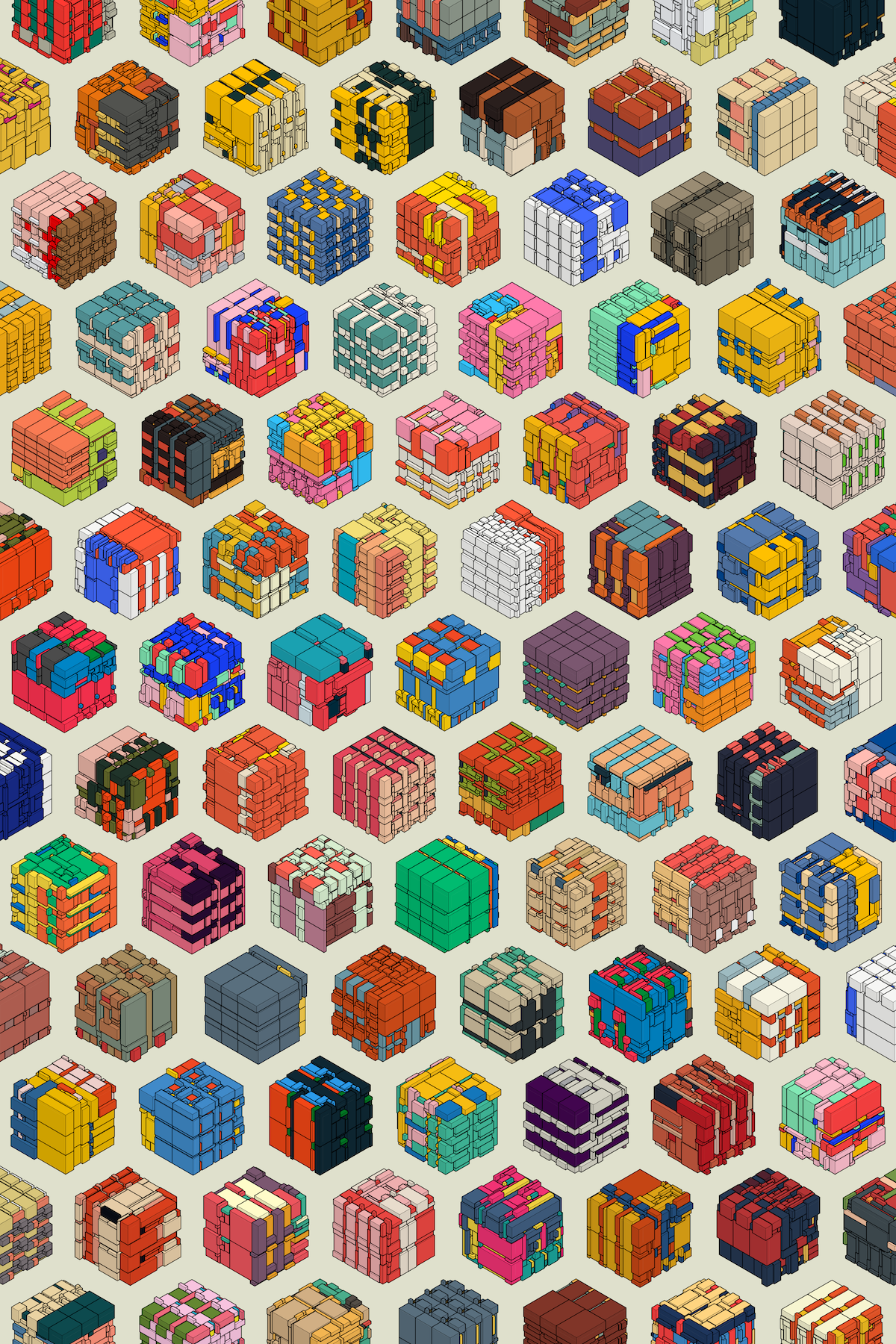
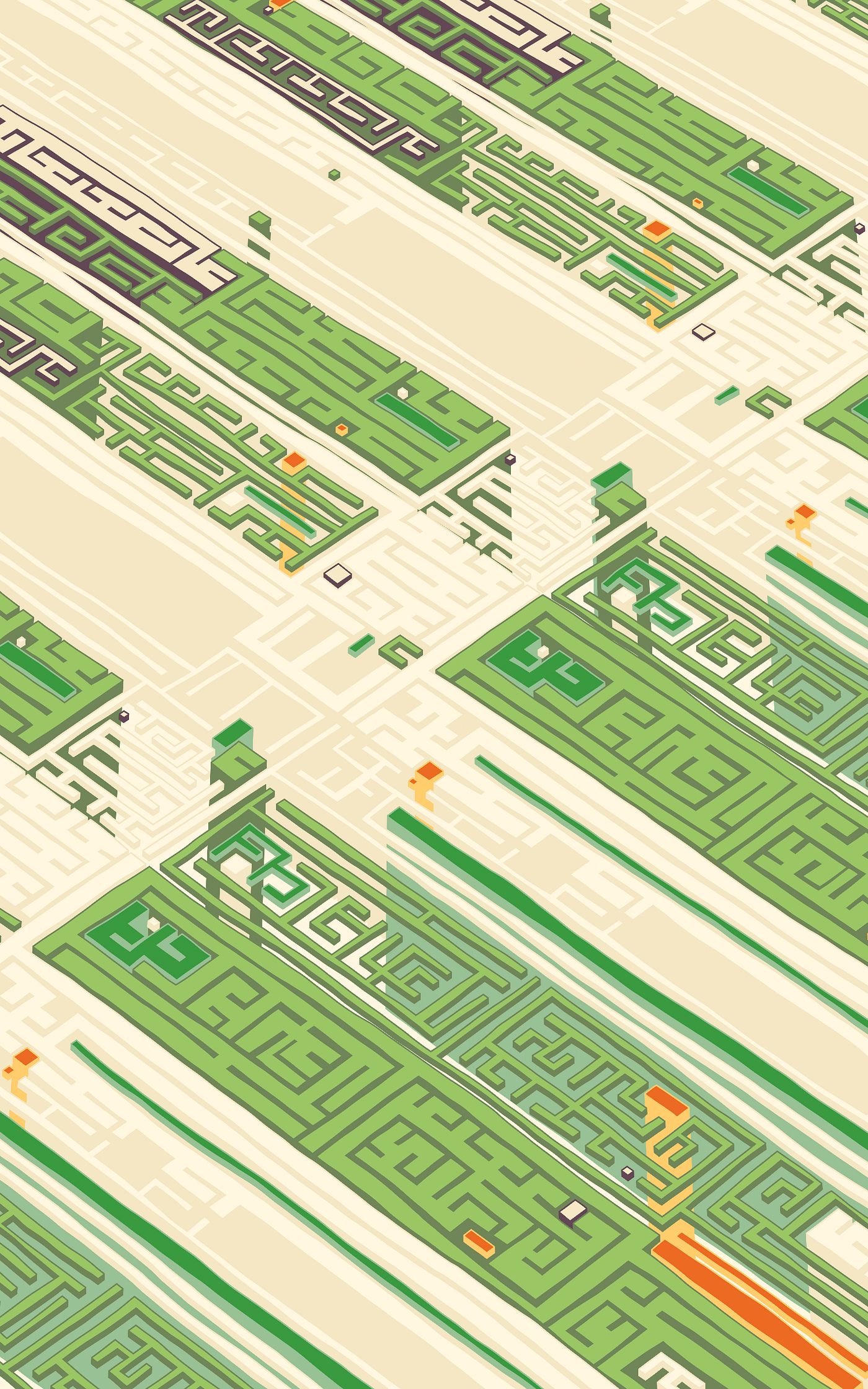
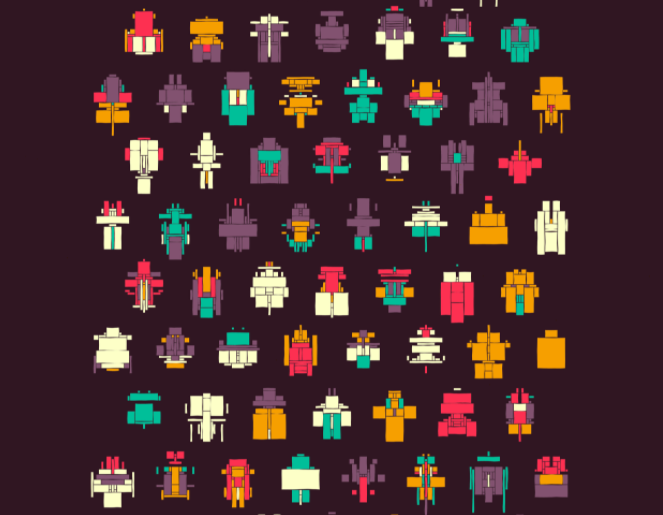
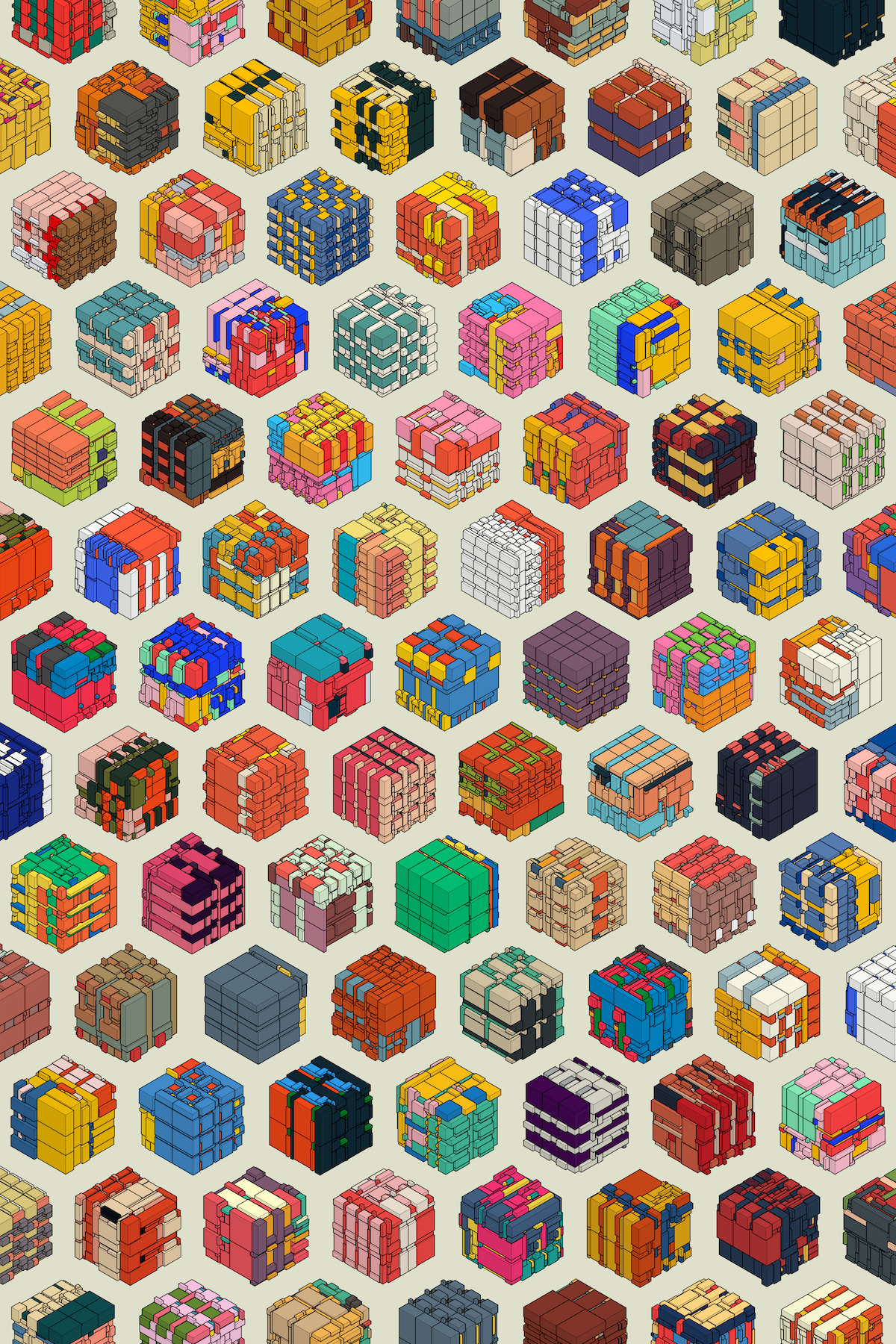
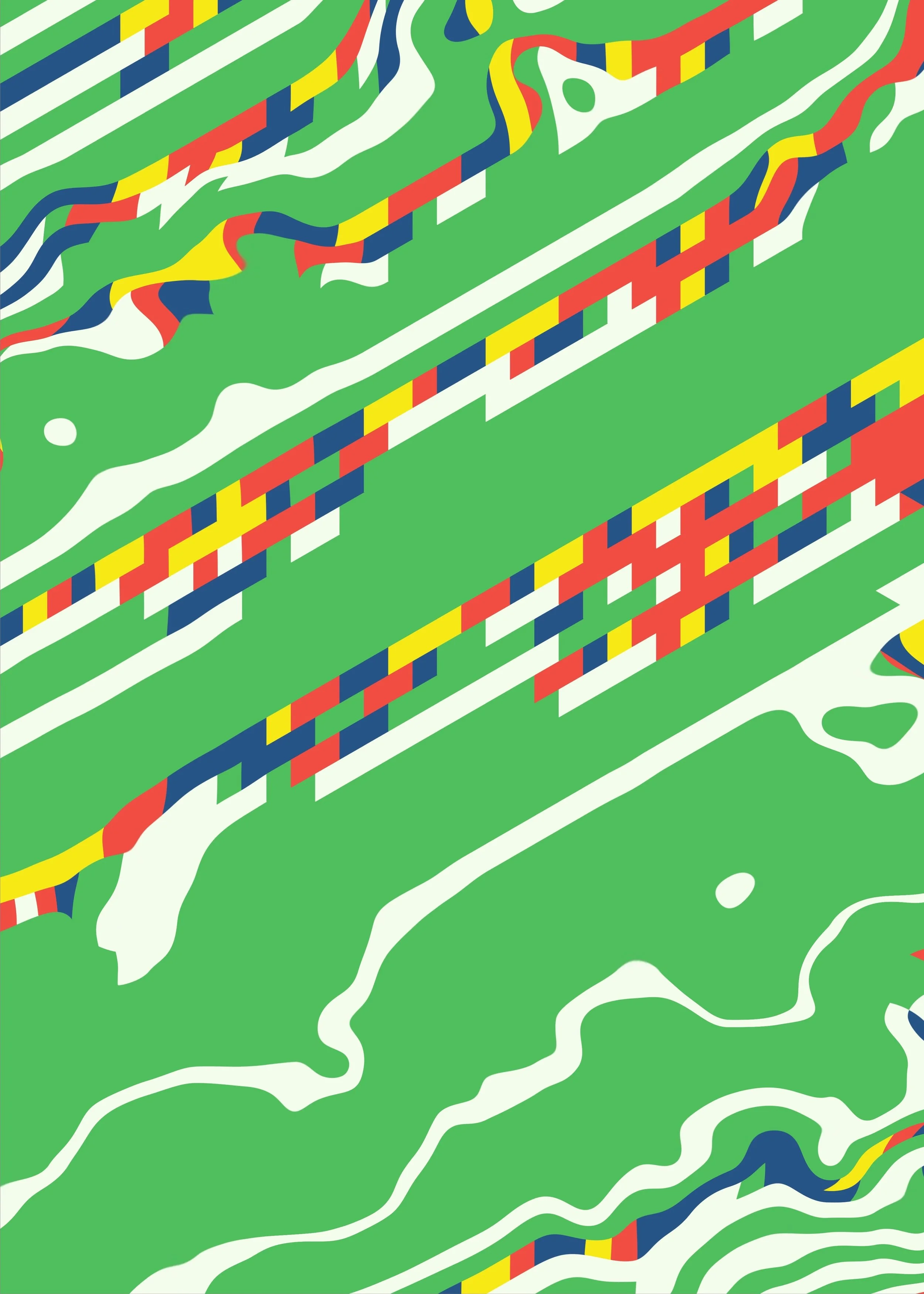
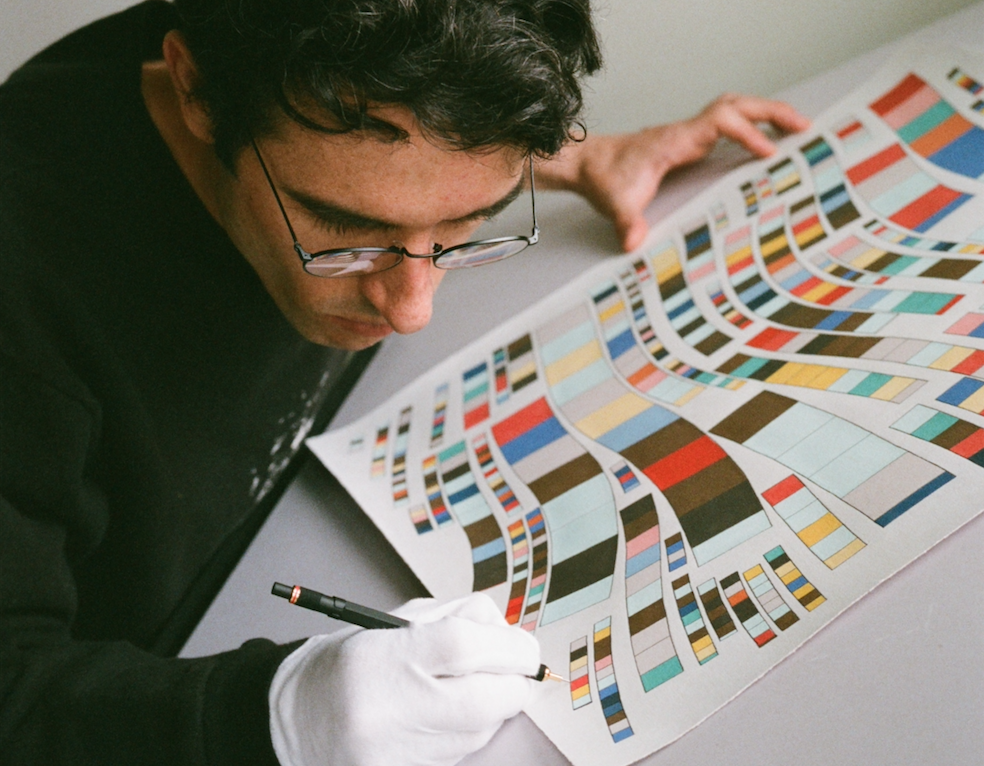
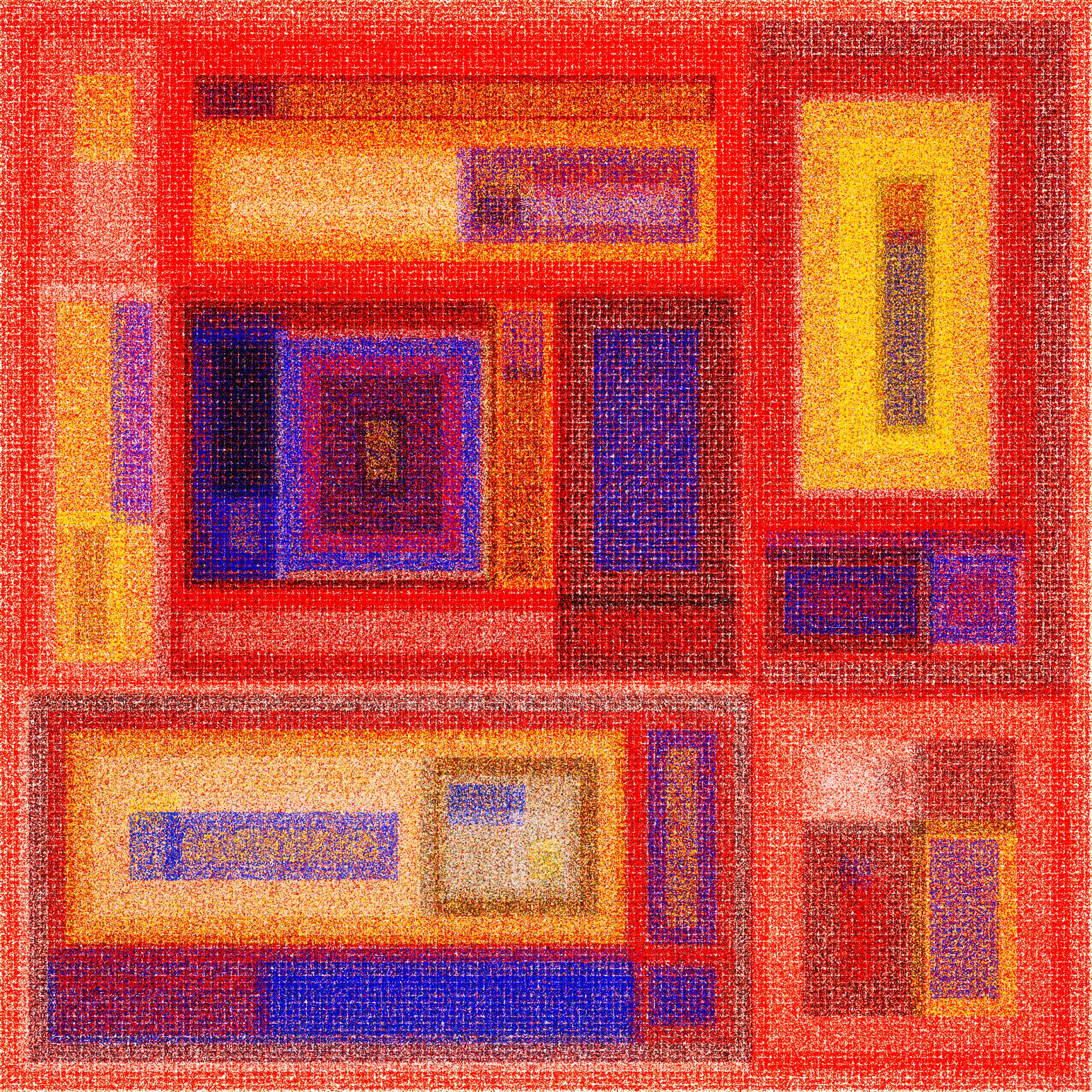
In 2020, Golid produced a series of prints and NFTs, including dual, built from a hexagonal, one-dimensional cellular automaton combined with a noise-distortion tool of his own making, producing basket-weave patterns compared to pixelated flags.,,,These works were shown in the online exhibition “The Game of Life - Emergence in Generative Art” alongside Jared Tarbell, Alexander Reben and Manolo Gamboa Naon, and featured in The New York Times.,On February 27, 2021, he released Archetype on Art Blocks, a curated 600-piece project partitioning rectangles into smaller rectangles, followed that year by a second Art Blocks project, Paper Armada.,,Archetype #397 sold for $330,200 at a 2023 Sotheby's auction, in the same sale as Dmitri Cherniak's Ringer #879.Tyler Hobbs named Archetype among his favorite Art Blocks series, saying its color palettes “raised the bar” for his own work.,
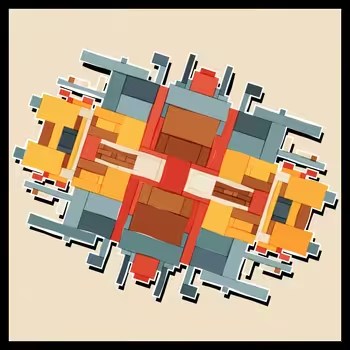
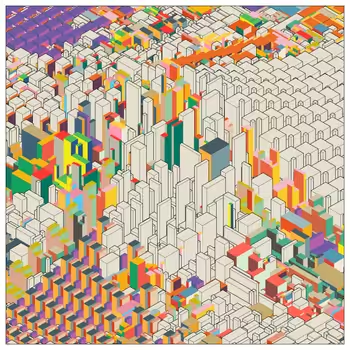
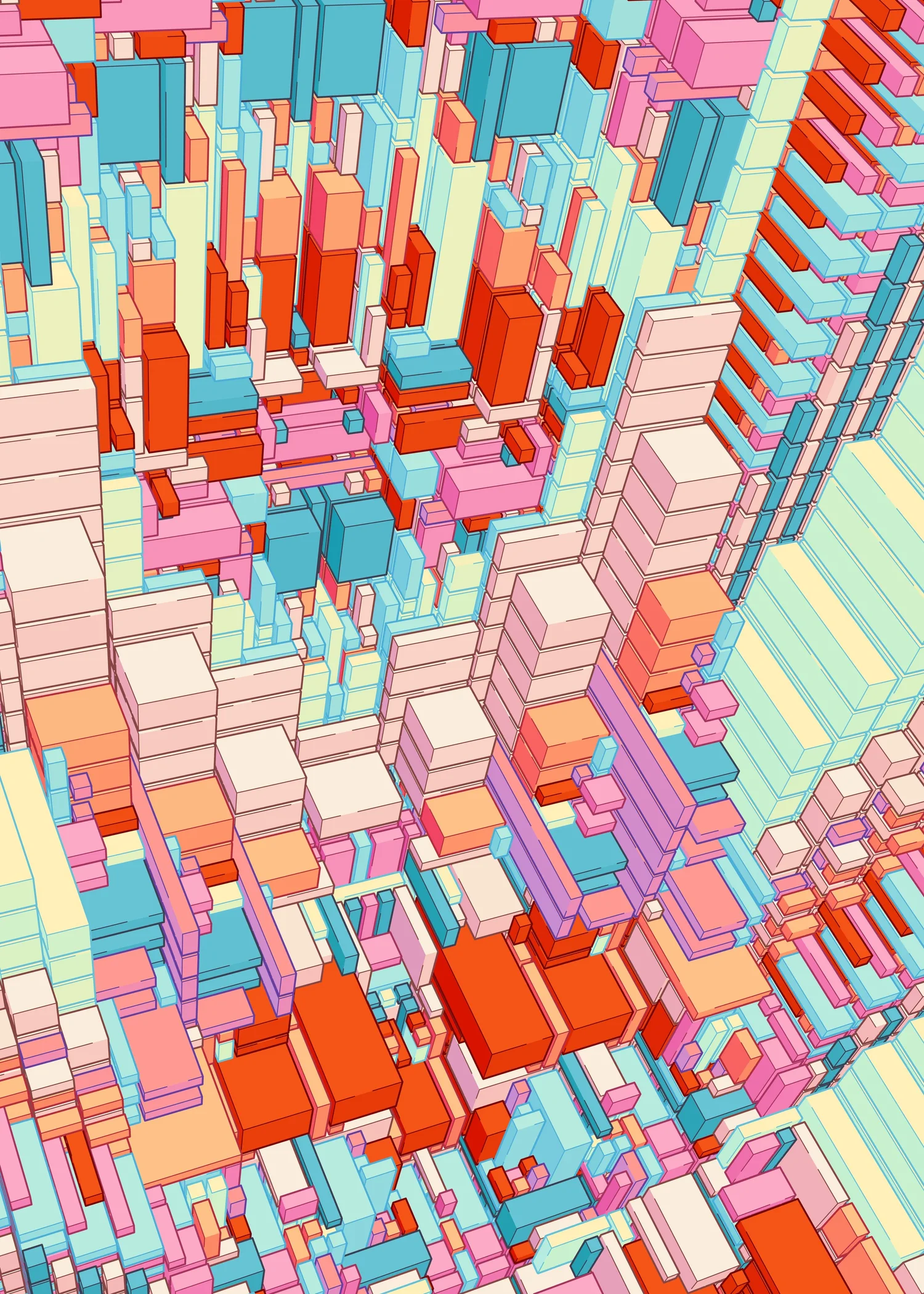
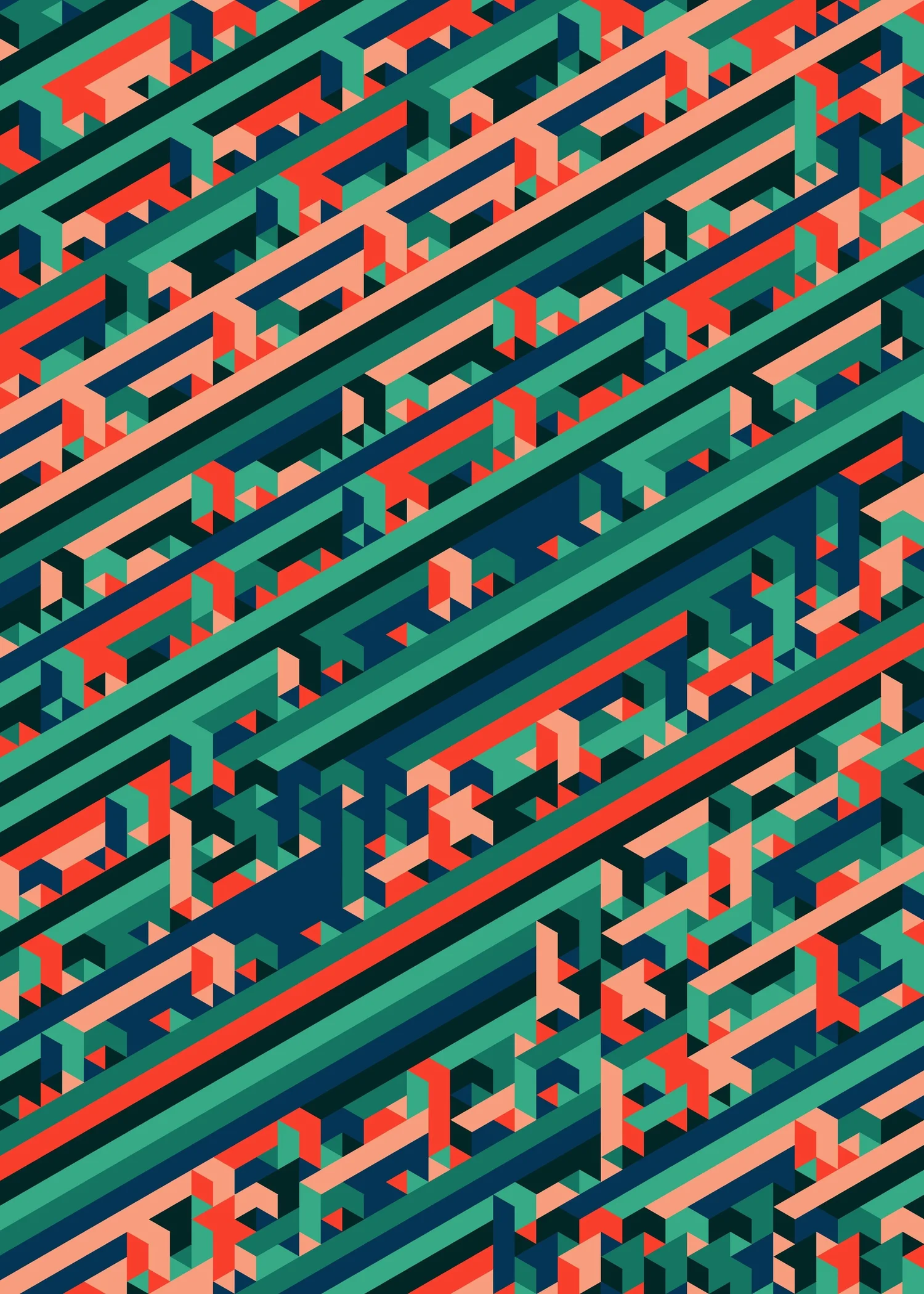
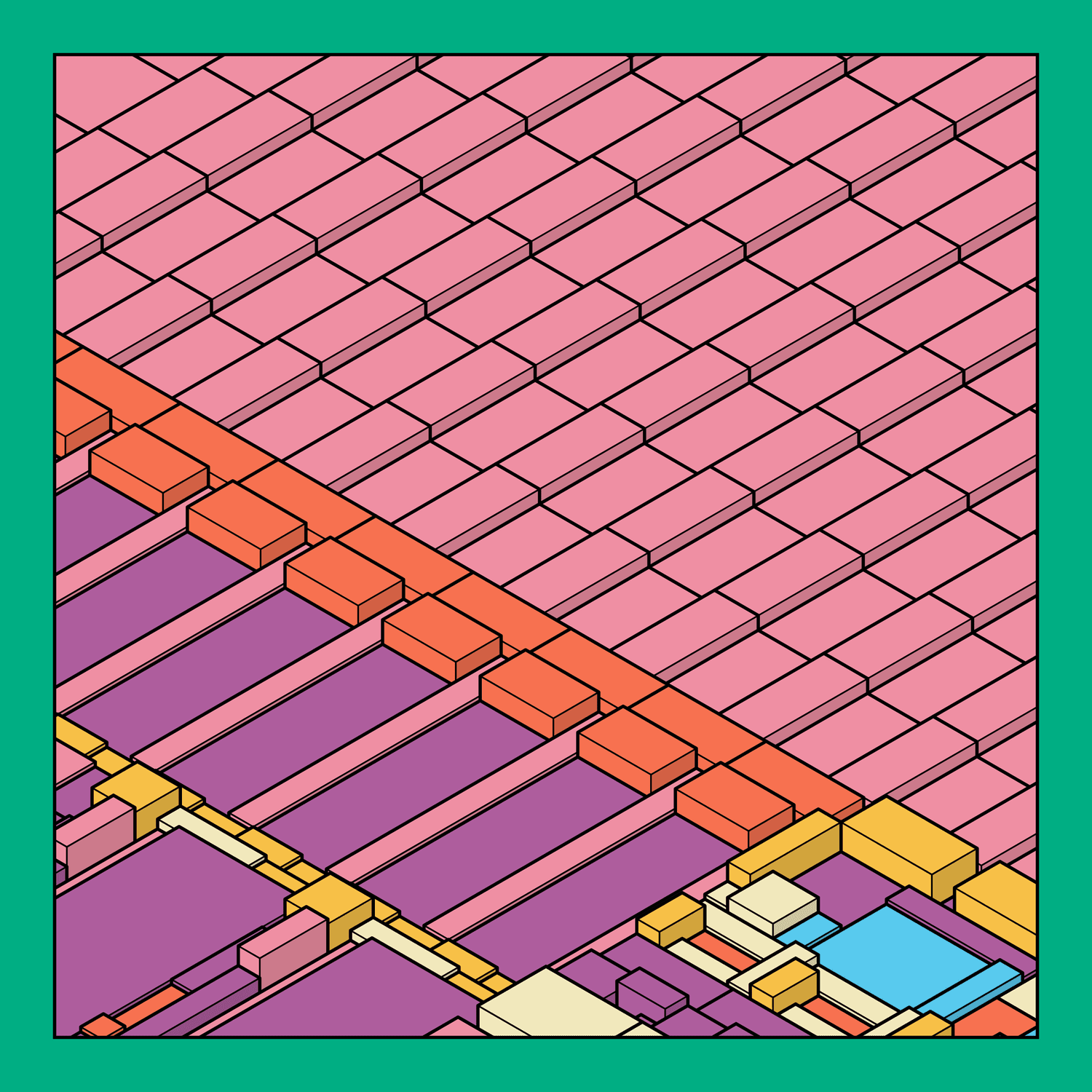
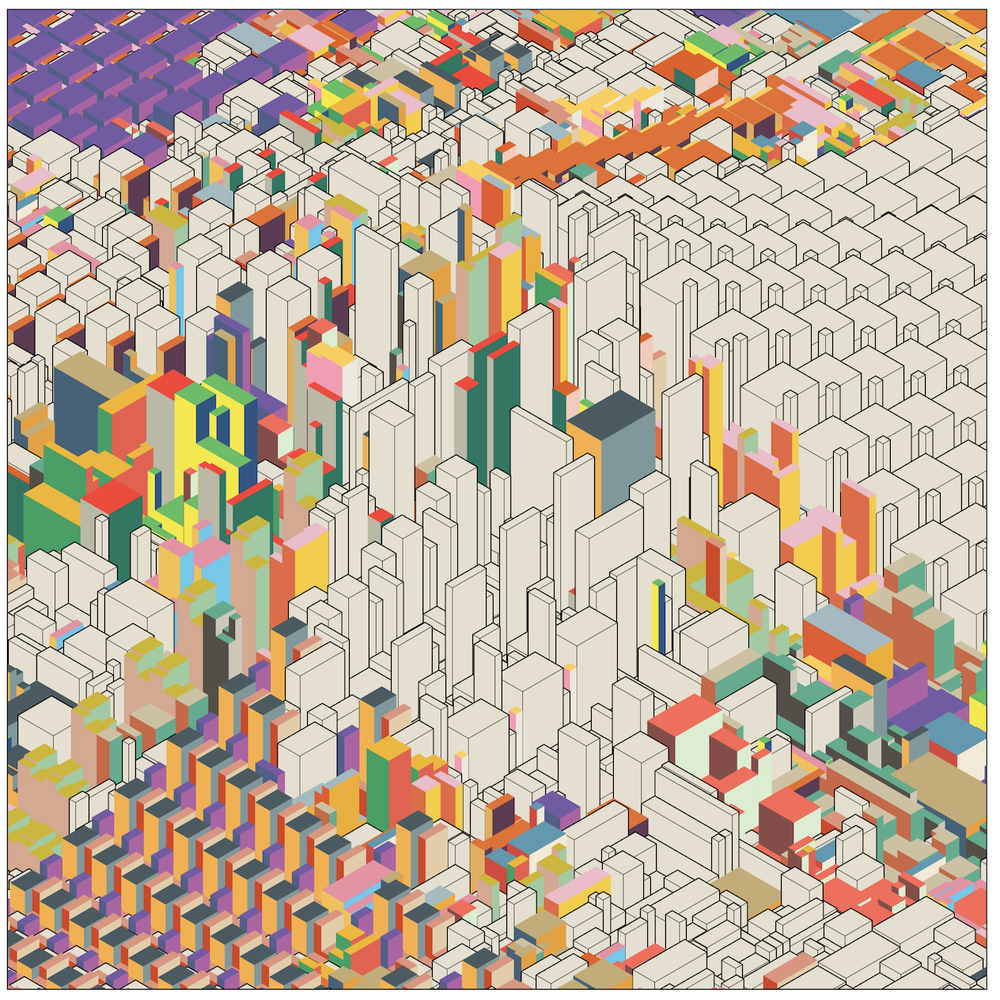
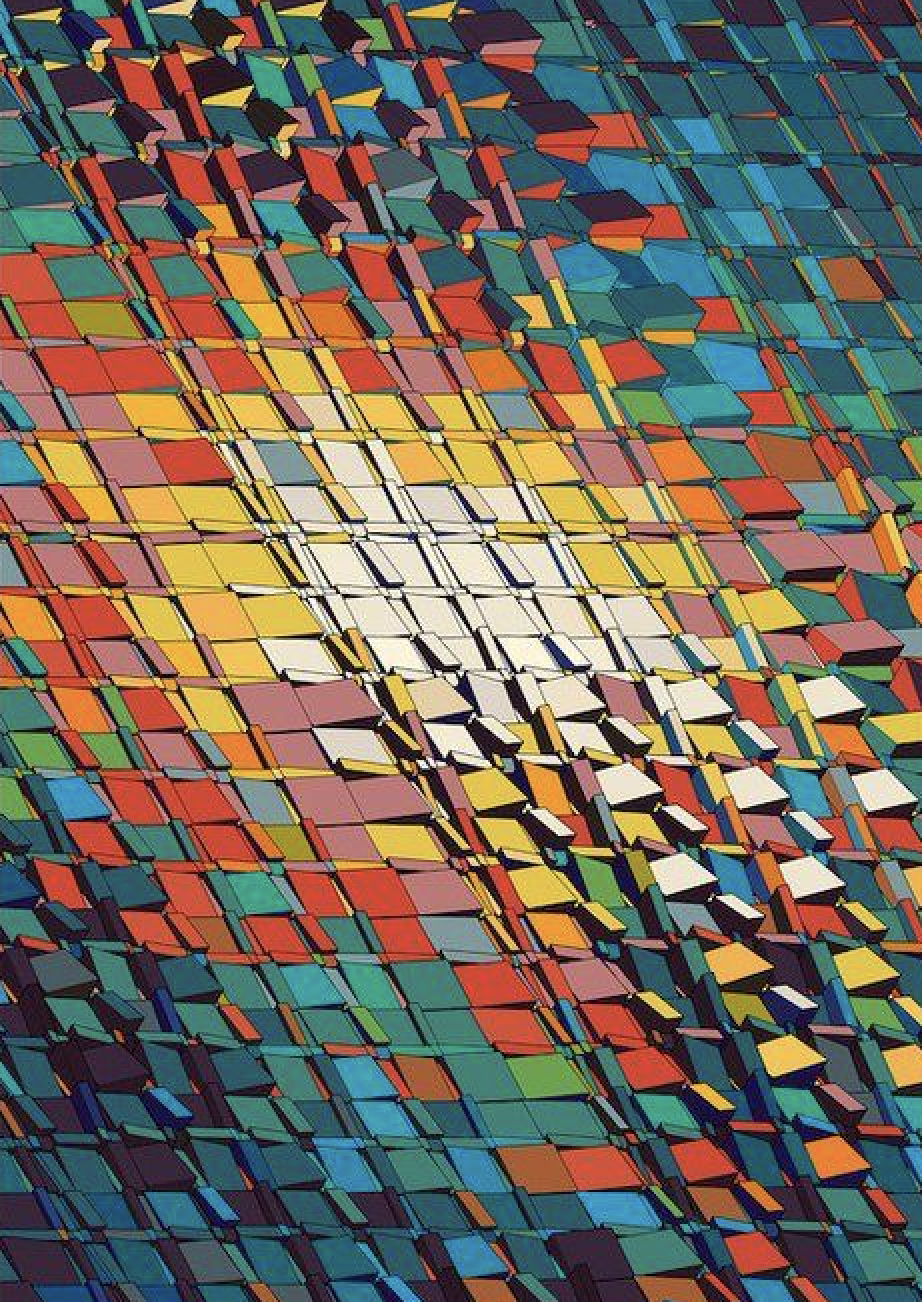
In 2022, Golid released Iterations, four works minted on SuperRare that use imperfect repetition of a random block layout to blur the line between order and chaos, shown in the “PHYGITAL” exhibition.,That year he also produced Expanse, ten works extruding a grid into cuboids colored by the angle of each face to a light source, auctioned individually on Manifold in January 2023.,One work from the series, EXPANSE - Graffiti (2023), is in Le Random's collection.In 2023, he extended his partitioning algorithms into three dimensions with Change of Basis, eight works cross-sectioning subdivided cubes into cathedral-like structures inspired by Moebius and Pushwagner, previewed at the “Node to Node” Art Salon in Paris and released via K011 that December.,,His work has also been shown by the Museum of Contemporary Digital Art and at the Venice Biennale.