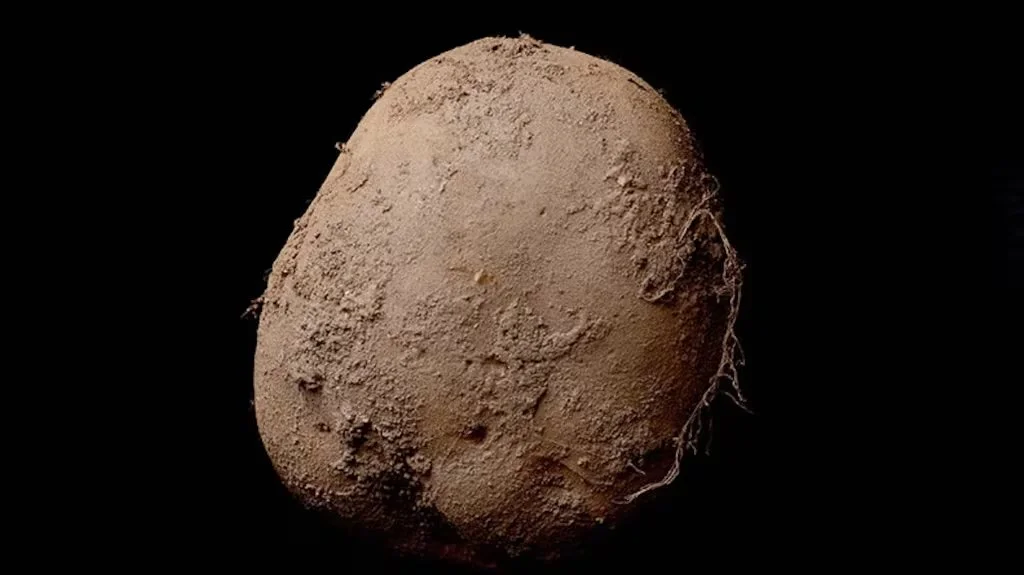
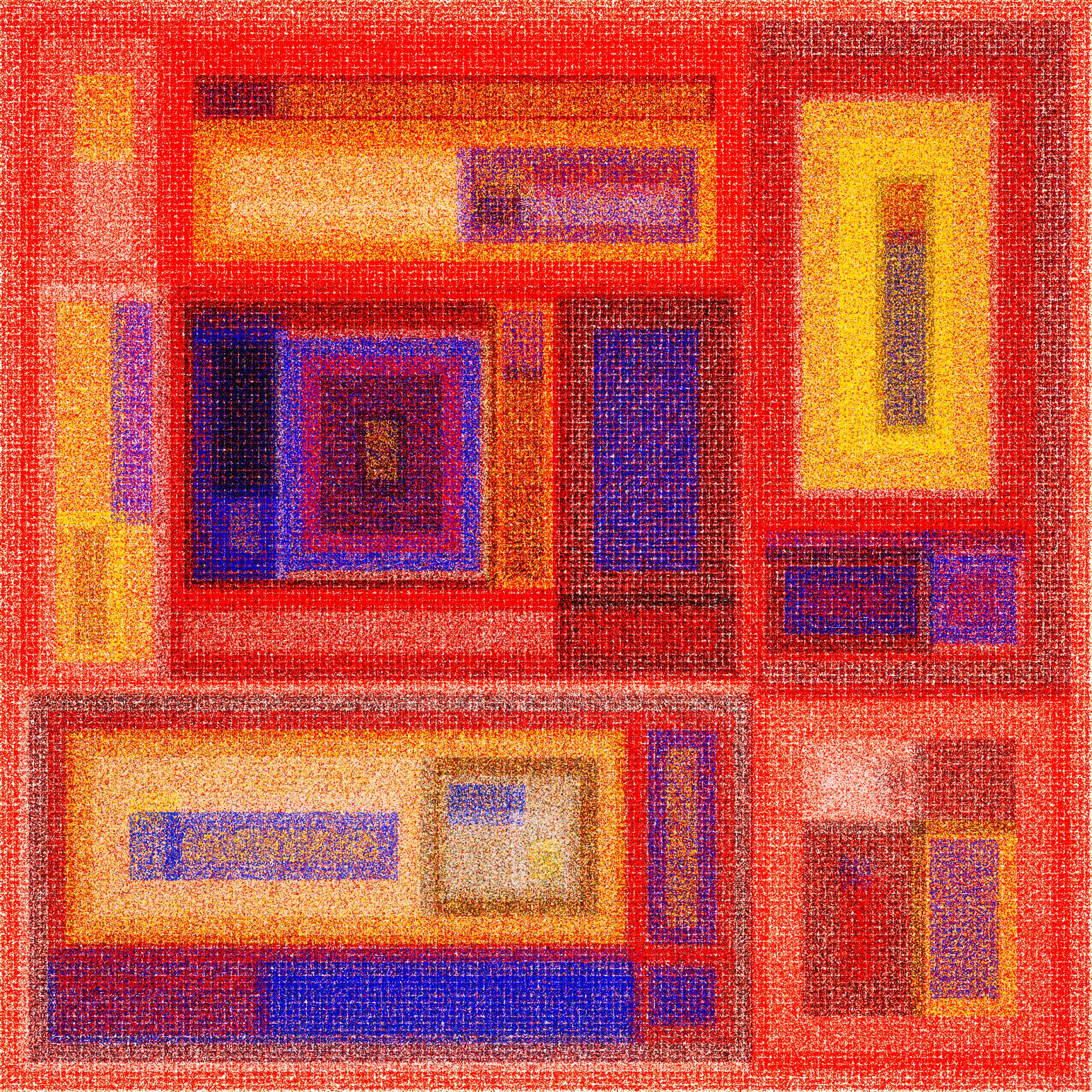
Kevin Abosch (Irish, b. 1969) is a conceptual artist working across photography, sculpture, installation, AI and blockchain, whose work addresses identity, value and human currency.,After his photograph Potato #345 sold for €1 million in 2015 and public attention shifted from the work itself to its price, he began using the blockchain to interrogate how value and identity are assigned.
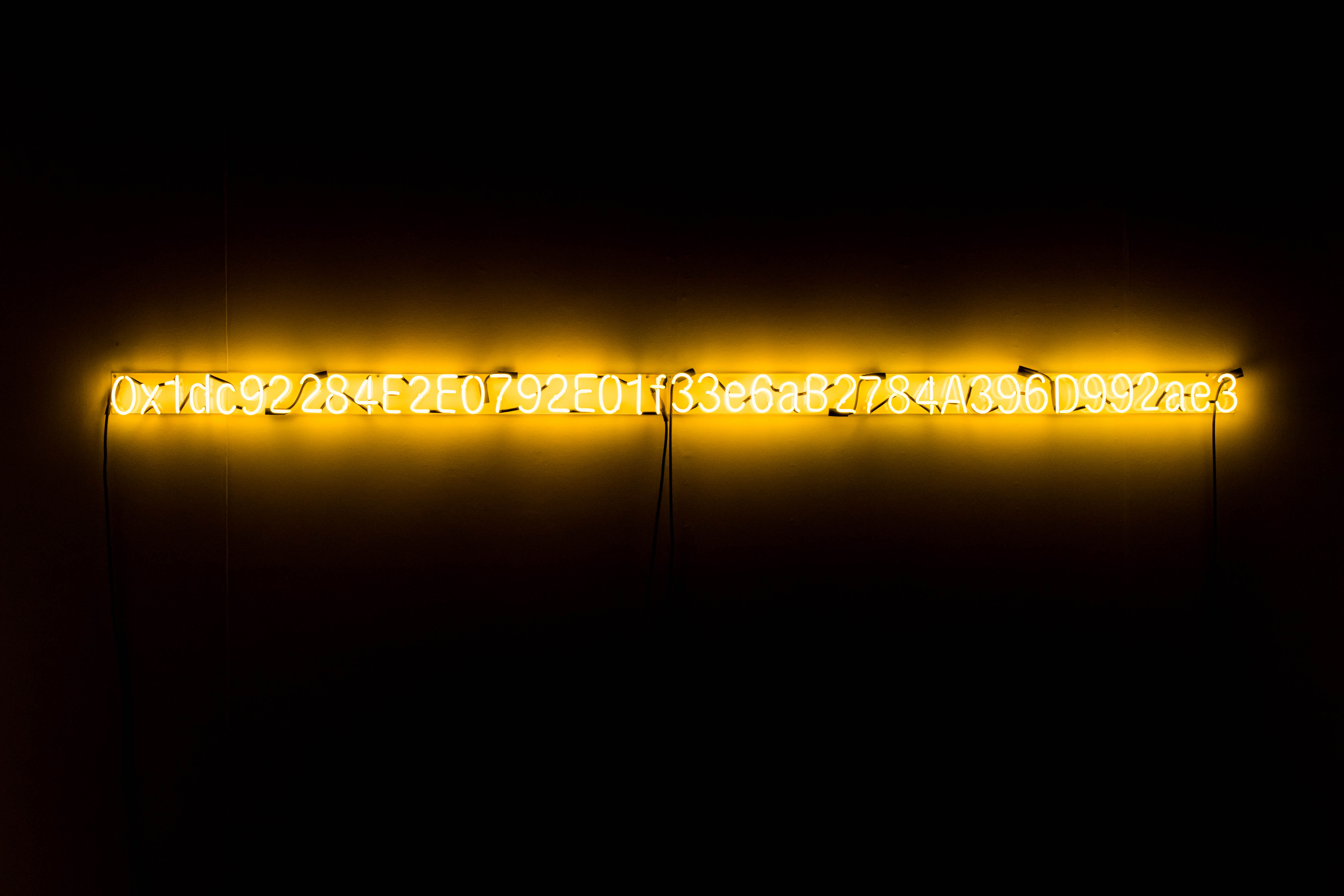
Abosch has used blockchain addresses since 2013, an interest he traces to his father, an MI5 officer in the Second World War who shared stories about cryptography and decrypting enemy communications.,In response to the Potato #345 sale, he tokenized himself on Ethereum in 2018 as IAMACOIN, a 10-million-edition ERC-20 token divisible to 18 decimal places, alongside 100 physical works on paper stamped with his own blood.,For the installation Personal Effects, shown at the State Hermitage Museum in 2018, he filled five canvas sacs with printed wallet addresses holding IAMA Coins whose private keys were never saved, rendering the coins permanently inaccessible.
With Ai Weiwei, he created PRICELESS, tokenizing shared moments between the two artists as an ERC-20 token called PRCLS, of which only two were issued despite being divisible to 18 decimal places.,In Stealing The Contents of This Wallet Is A Crime (2018), he published the private key to a wallet holding IAMA Coins linked to his blood, as a social experiment. The coins were stolen. For Sun Signals (2021), minted on Ethereum, he trained the work's data on solar-powered GPUs run from a small solar farm on his property in the South of France.
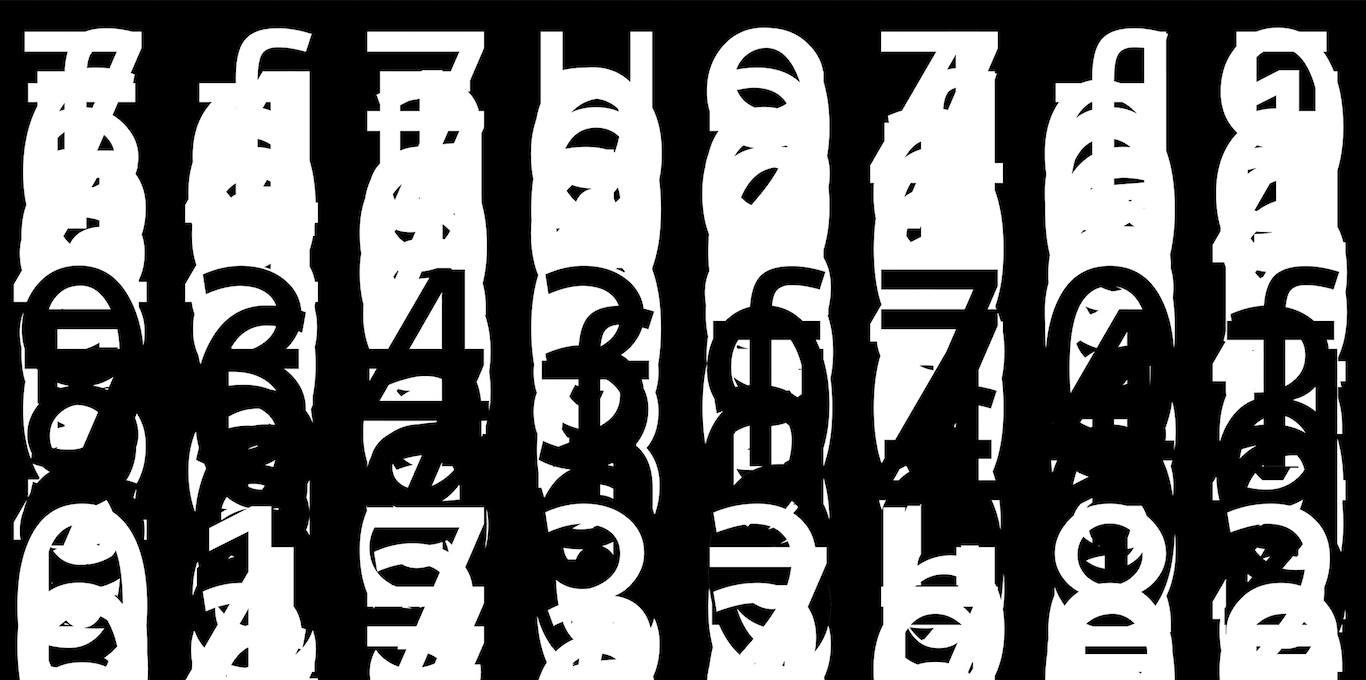
In Nascent Space (2019-2020), he trained a generative adversarial network on his own photographs of bent nails to produce a series of prints.His IAMACOIN and PRICELESS works were shown at “Perfect and Priceless”, a 2018-19 group exhibition at Kate Vass Galerie in Zurich billed as Switzerland's first exhibition on blockchain art.,His work has been shown at the State Hermitage Museum, the National Museum of China and the Irish Museum of Modern Art, among other civic and museum spaces.,
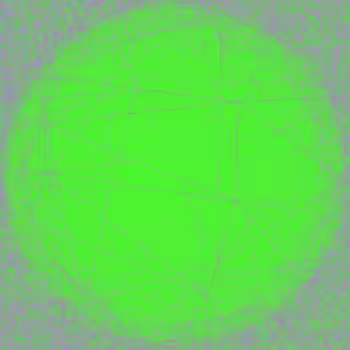
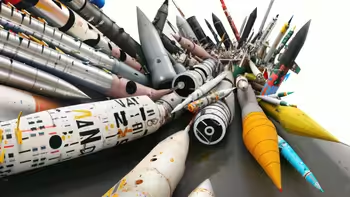
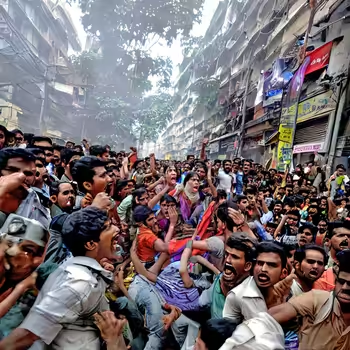
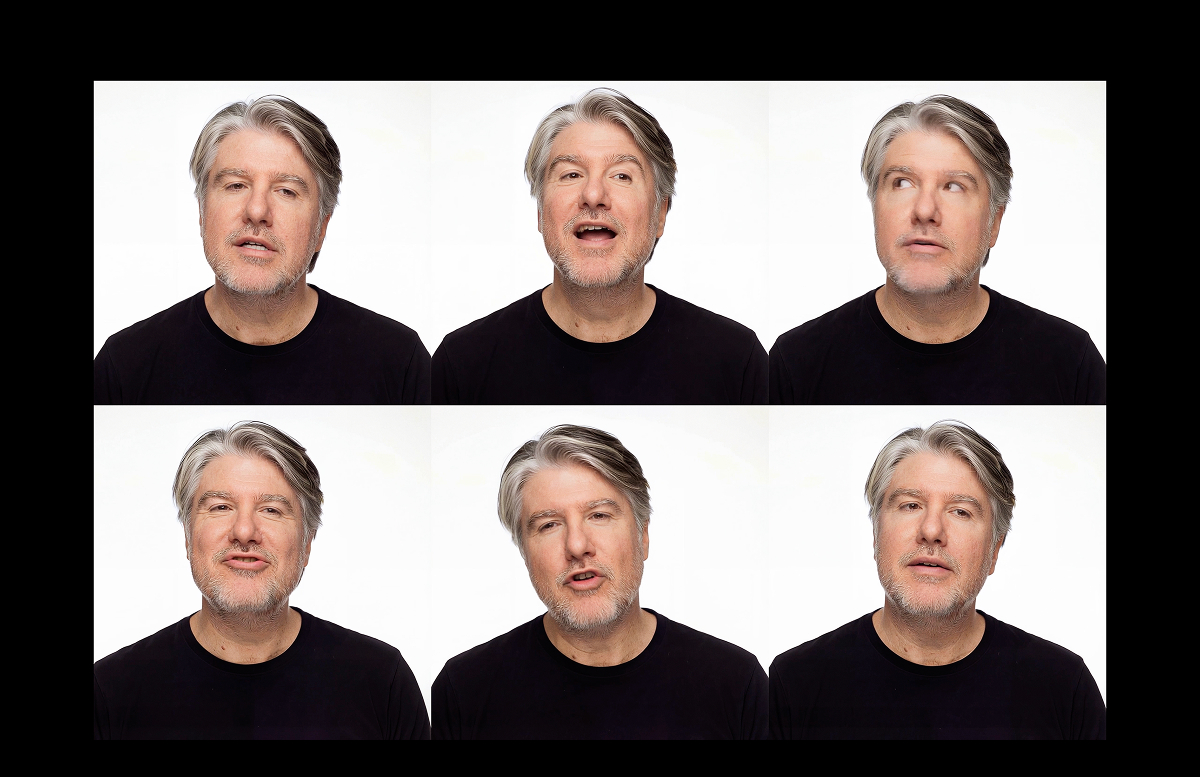
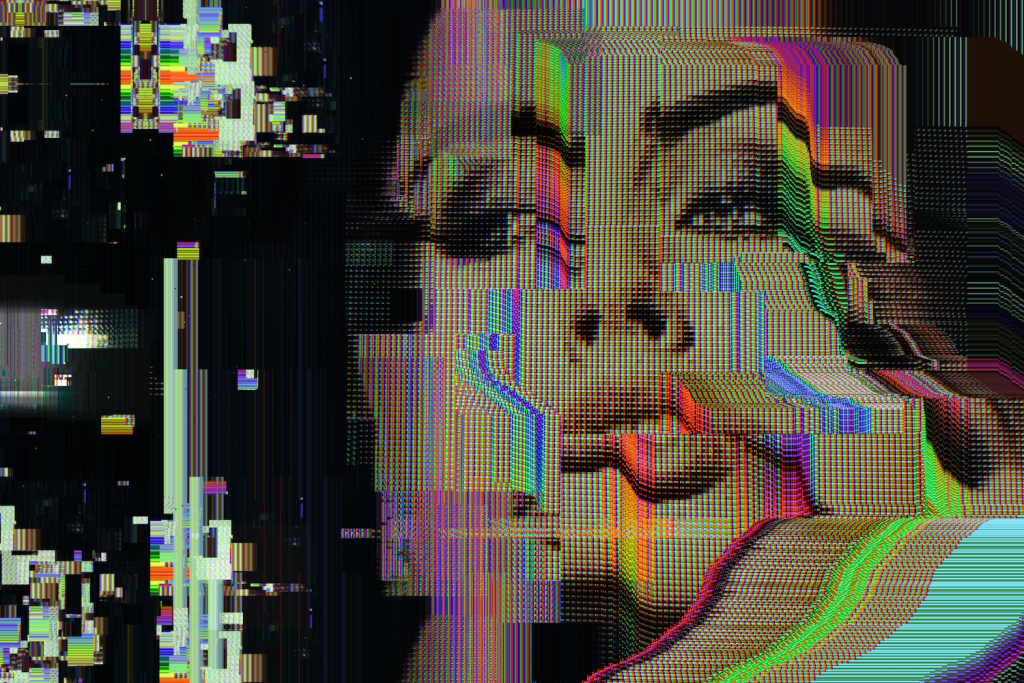
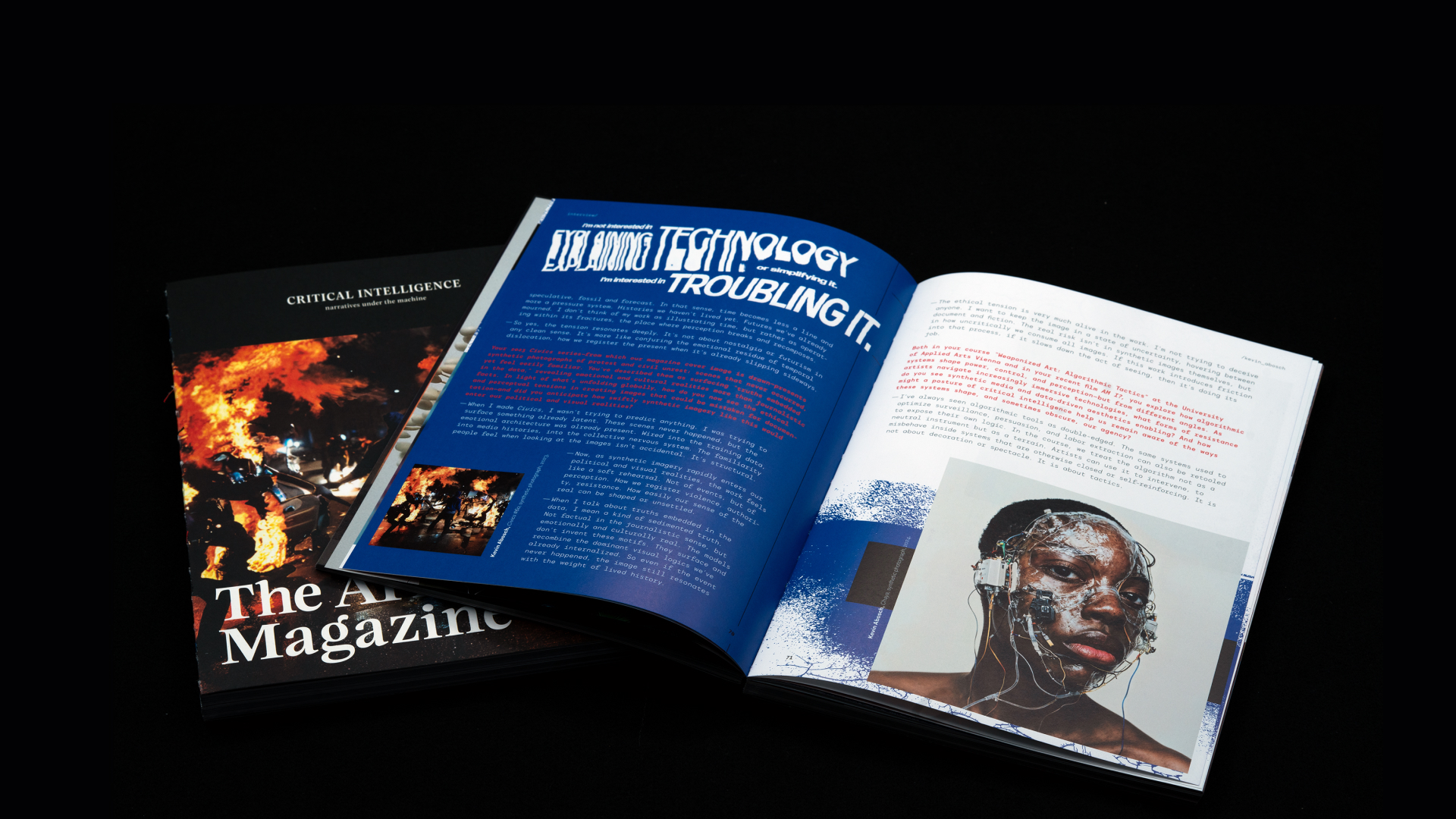
His RAY-D OH! AKTIV (2022) series uses machine-learning tools to revisit the nuclear iconography of his earlier photography, extending a fascination he first explored in Intimate Portraits of Killing Machines (2013).His Civics (2023) synthetic photographs of protests that never took place appeared on the cover of The AI Art Magazine's second issue.In Emotional Latency (2026), built from extended conversations with ChatGPT, he examined how emotional attachment forms on the human side of an exchange with a system that cannot care.