Karsten Schmidt, known by the handle Toxi, is a German artistworking in computational and generative design.Since 2006 he has run thi.ng, an open-source toolkit for computational design. His work has been exhibited internationally, including at the Barbican, the Victoria and Albert Museum and MoMA.
Early in his career Schmidt created large-scale commercial art and advertising installations, including work with Universal Studios.By 2006 his generative work was showing internationally: his pieces appeared in “Further Processing” at the Kunstverein Medienturm in Graz, a show curated by Marius Watz that also featured Casey Reas, Lia and Mark Napier.For the 2009 exhibition “Decode: Digital Design Sensations” at the Victoria and Albert Museum in London, he created the show's commissioned graphic identity and, with Sascha Pohflepp, co-created the data visualization piece Social Collider.He has led creative coding and Clojure workshops internationally since 2009.Bjørn Staal has called him one of his personal heroes, noting that few people have been as active in writing open-source code and documentation or in running workshops.Robert Hodgin has named him an early influence alongside Casey Reas and Jared Tarbell.
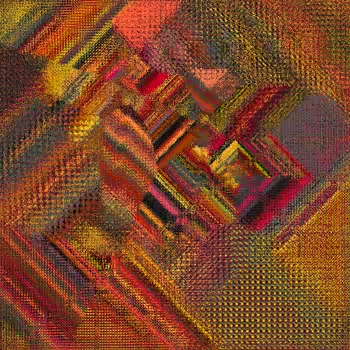
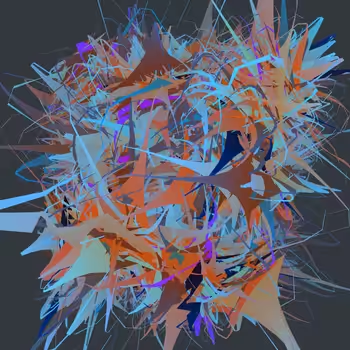
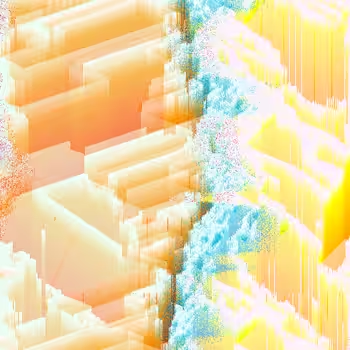
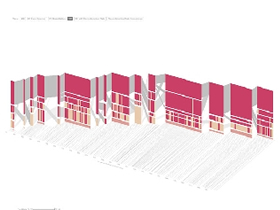
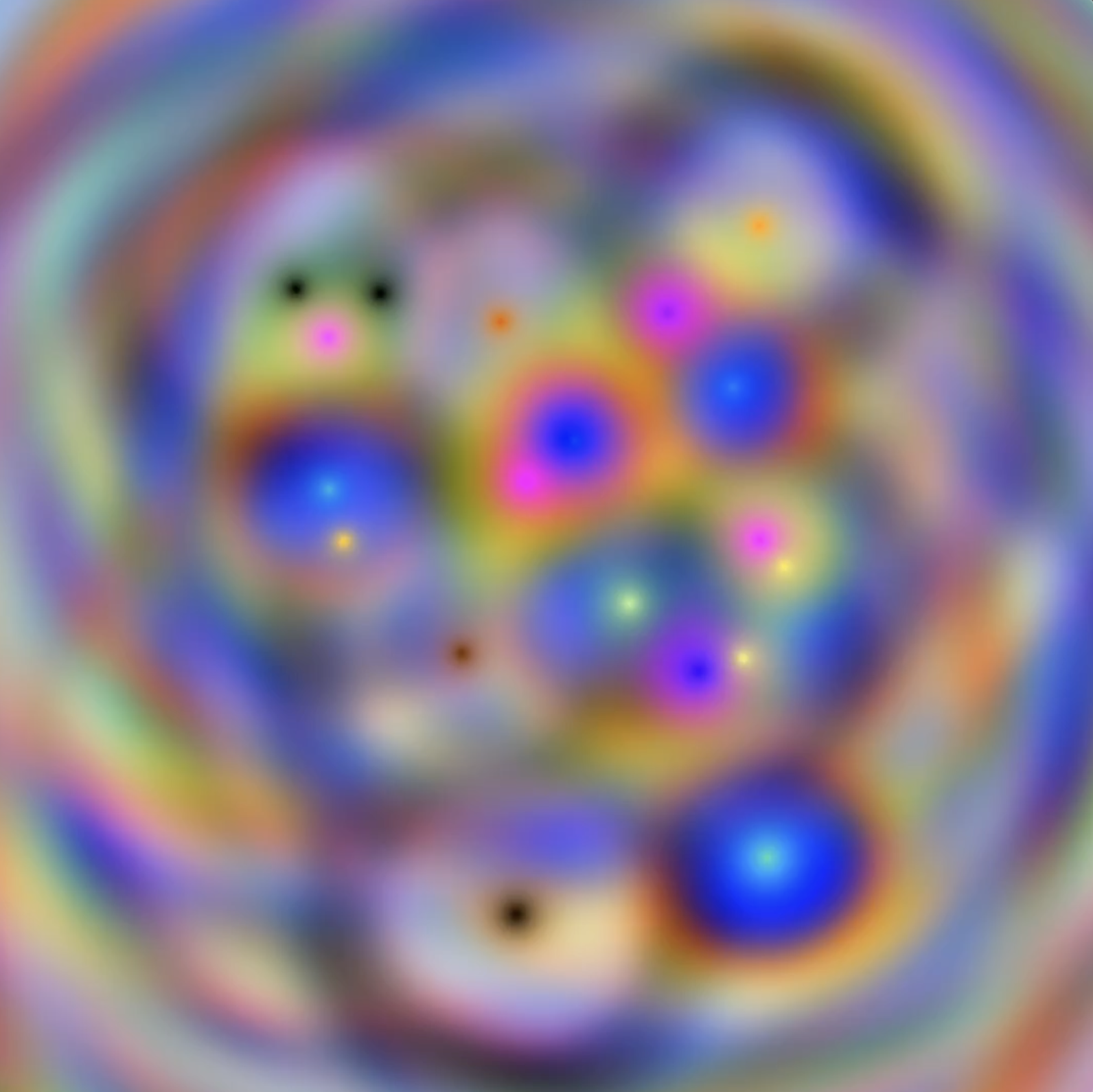
Schmidt began releasing generative works on fxhash in late 2021 with De/Frag and De/FragV2. The second piece is a study of Voronoi diagrams computed with the Jump Flood Algorithm and rendered with his thi.ng/umbrella toolkit.Further pieces followed through 2022 and 2023, including Quasiflock, You've Been Liberated, C-SCAPE and Marblemania.,You've Been Liberated is a generative voxel scene made in memory of the victims of Russia's 2022 invasion of Ukraine, with proceeds going to the Ukrainian Emergency Response Fund.A 2022 edition of C-SCAPE, #181, entered the collection of Le Random.
Schmidt has argued that critique of generative art should start with process rather than appearance, tweeting that “there's more to generative aesthetics than appearance”.He describes the constraints an artist imposes on a generative system as “biases” and “subjectivity”.