Jake Elwes (British, b. 1993) is a London-based artist who uses machine learning and artificial intelligence to examine the technology's biases, philosophy and ethics.,He trained in fine art at the Slade School of Fine Art, and discovered machine learning in 2016 at the School of Machines, Making & Make-Believe in Berlin, introduced to it by the artist and educator Gene Kogan.
In his early work he treated computer code itself as his medium. dada da ta (2016) transcribed the spoken data of technology executives into text. Auto-Encoded Buddha (2016), made with Roland Arnoldt, paid tribute to Nam June Paik's TV Buddha (1974) by having a computer struggle to depict the Buddha's likeness. Closed Loop (2017) projected an uncurated conversation between two neural networks, one interpreting in words and the other in generated images. Through these pieces he positioned his practice within the histories of video and computer art, while questioning whether AI can express intentionality.
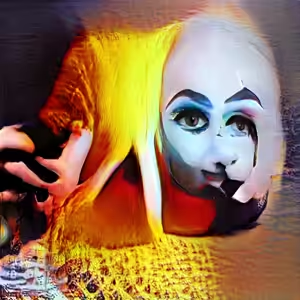
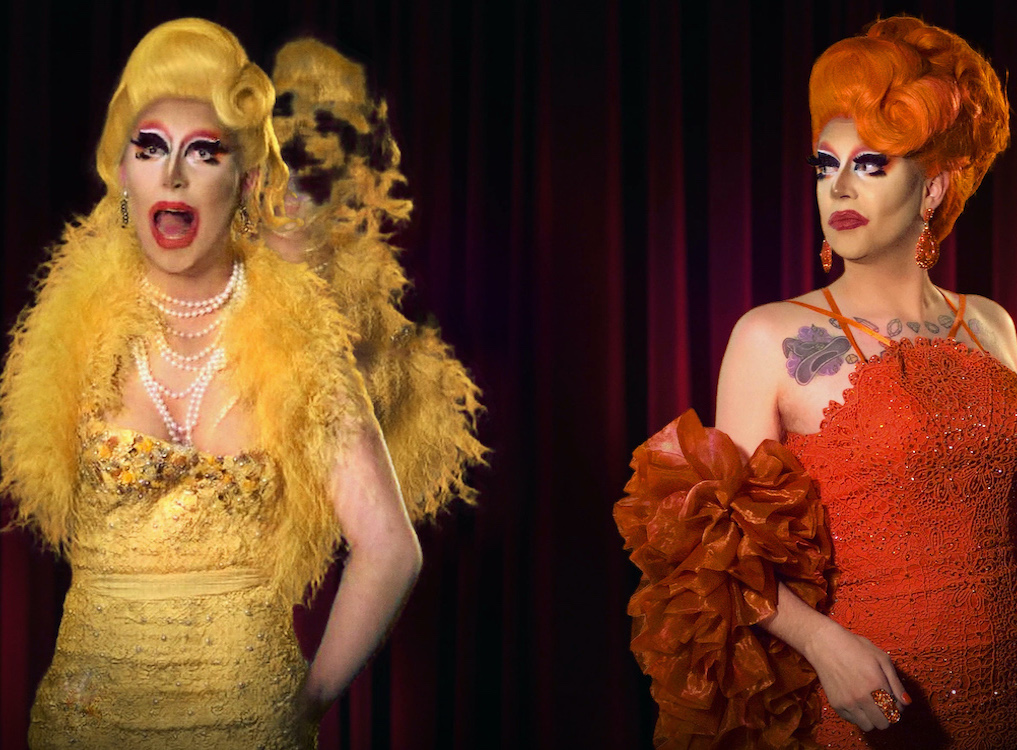
Beginning in 2019 he developed The Zizi Project, an ongoing series exploring the intersection of artificial intelligence and drag performance.For Zizi - Queering the Dataset (2019) he retrained a face-generating model, whose dataset of real faces was largely homogenous and Western-biased, by introducing images of drag kings and queens.,,The retrained network began generating queerer, more ambiguous and fluid faces, and Elwes was drawn to the moments where the faces broke down entirely, as if the addition of drag had broken the system. In Zizi & Me (2020) he paired the drag performer Me with a deepfake clone of Me, billed as the world's first deepfake drag queen, performed as a cabaret double act.Elwes has exhibited internationally, including at ZKM Center for Art and Media in Karlsruhe and the Today Art Museum in Beijing, and his moving-image work was shortlisted for the 2018 Lumen Prize.
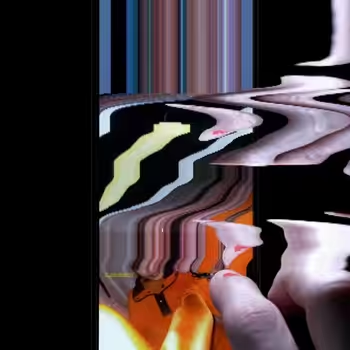
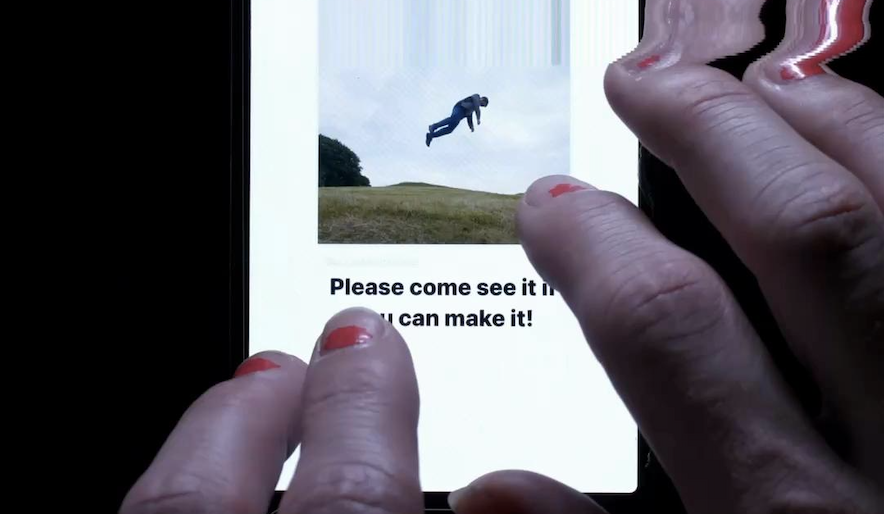
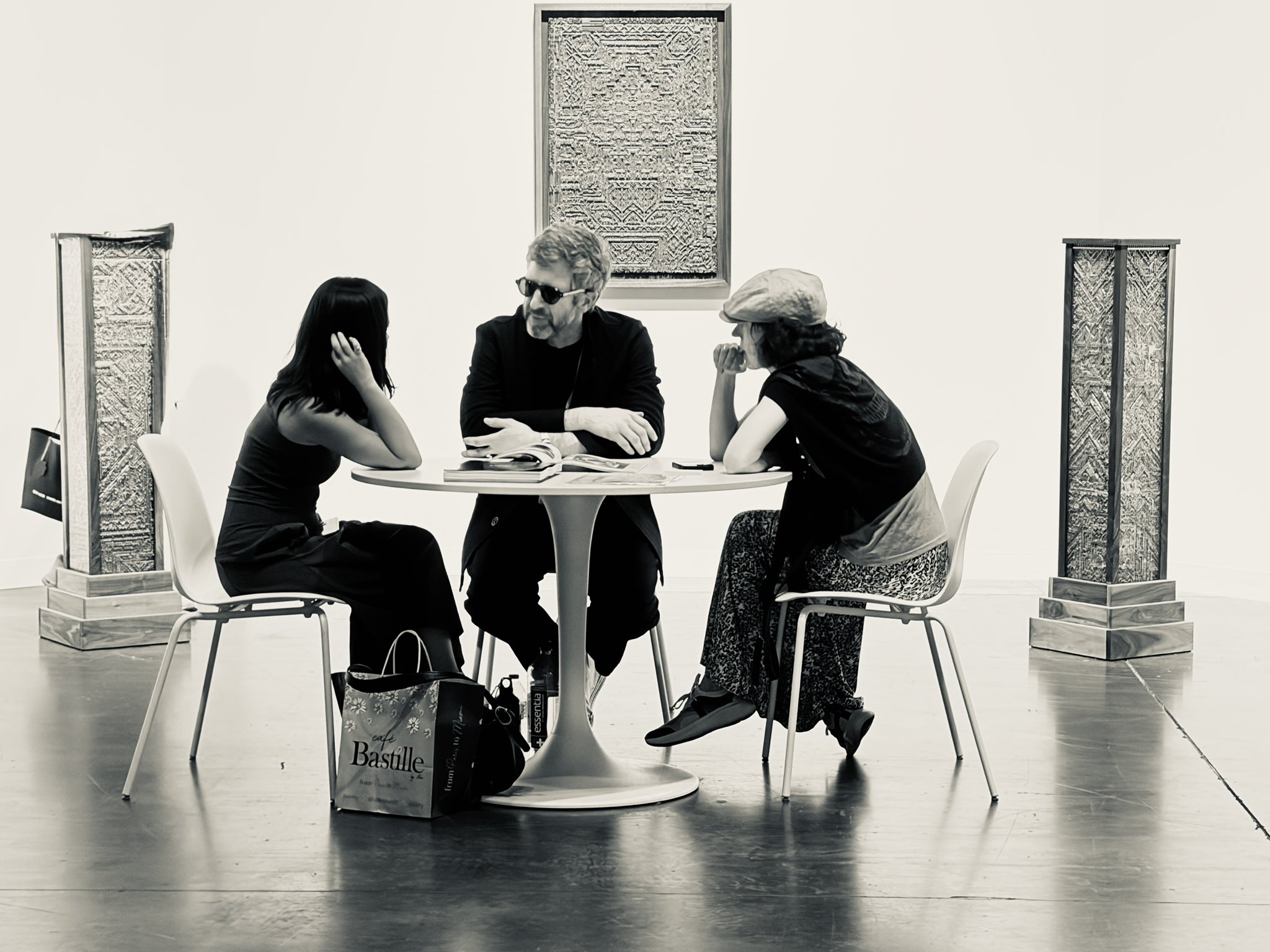
His 2021 project Cusp set artificial birds, generated by a machine-learning algorithm from real marsh bird data, into the Essex marshes to stage a dialogue between artificial and natural creatures.,The same year he released his debut NFT, O(a)k Computer, a photogrammetry scan of an oak tree on Hampstead Heath set to AI-generated music, minted via Verisart and SuperRare.In 2025 he showed DoomScroll at FEMGEN in Paris, a series of generative slit-scan drawings that record the artist scrolling on his phone, converting time spent on Instagram into abstracted images of passing time.That same year, his Terms & Conditions Opera: A Legalese Libretto, OpenAI Usage Policies (2024-25) was on view at Gazelli Art House in London.