Jacek Markusiewicz is a Polish architect and creative coder whose generative art translates architectural and parametric design principles into code-driven digital structures.,He holds a PhD in architecture and urban planning from the Warsaw University of Technology and a Master's in Advanced Architecture from IAAC in Barcelona.,He worked on architecture and urban planning projects in Barcelona, Beirut, Warsaw and San Sebastián before turning to generative art in 2021.,
He began studying architecture in Warsaw in 2003 and later earned his Master's in Barcelona, where his teacher Luis Fraguada introduced him to parametric design and the link between algorithms and architecture.As an assistant professor in the Department of Computer-aided Design at the Warsaw University of Technology, he researched human-computer interaction in architectural design, and separately created programs for the furniture designer Joris Laarman.,Fraguada later introduced him to Tezos and Hic Et Nunc and sent him 0.5 XTZ to mint his first piece, which is how he began releasing generative art.
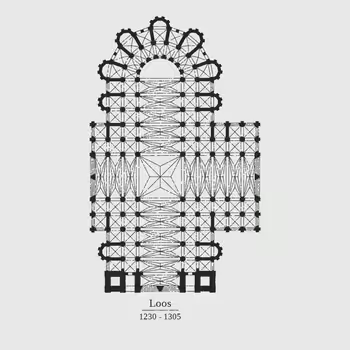
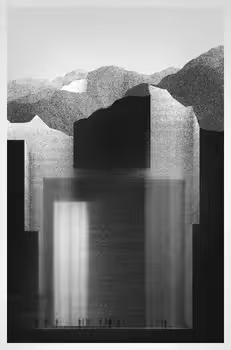
His 2021 collection unbuilt, released on fx(hash), reimagines the grammatical rules of medieval sacral architecture as 256 plans of fictional buildings.,Its companion, reborn, shifts scale from a single building to an entire city, generating 256 plans of ideal cities that echo Renaissance theorists including Vincenzo Scamozzi, Pietro Cataneo and Filarete.His 2022 collection hollow is both a tribute to and a critique of the Basque sculptor Eduardo Chillida, who had proposed carving a vast empty cube into Mount Tindaya in the Canary Islands. Instead of excavating the mountain, Markusiewicz generated multiple randomly formed digital mountains and populated them with birds governed by a flock algorithm to give a sense of the void's scale.
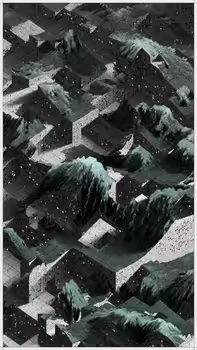
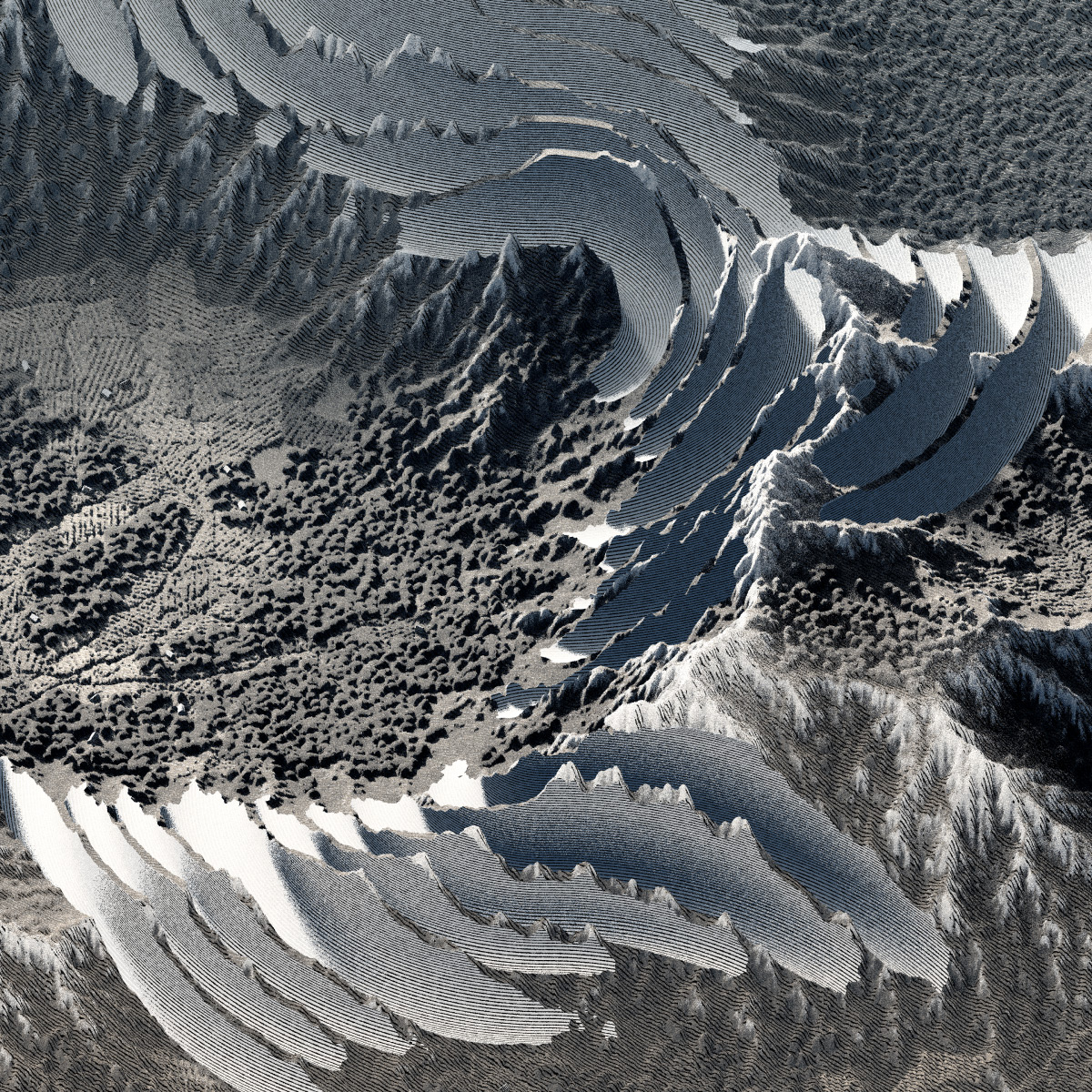
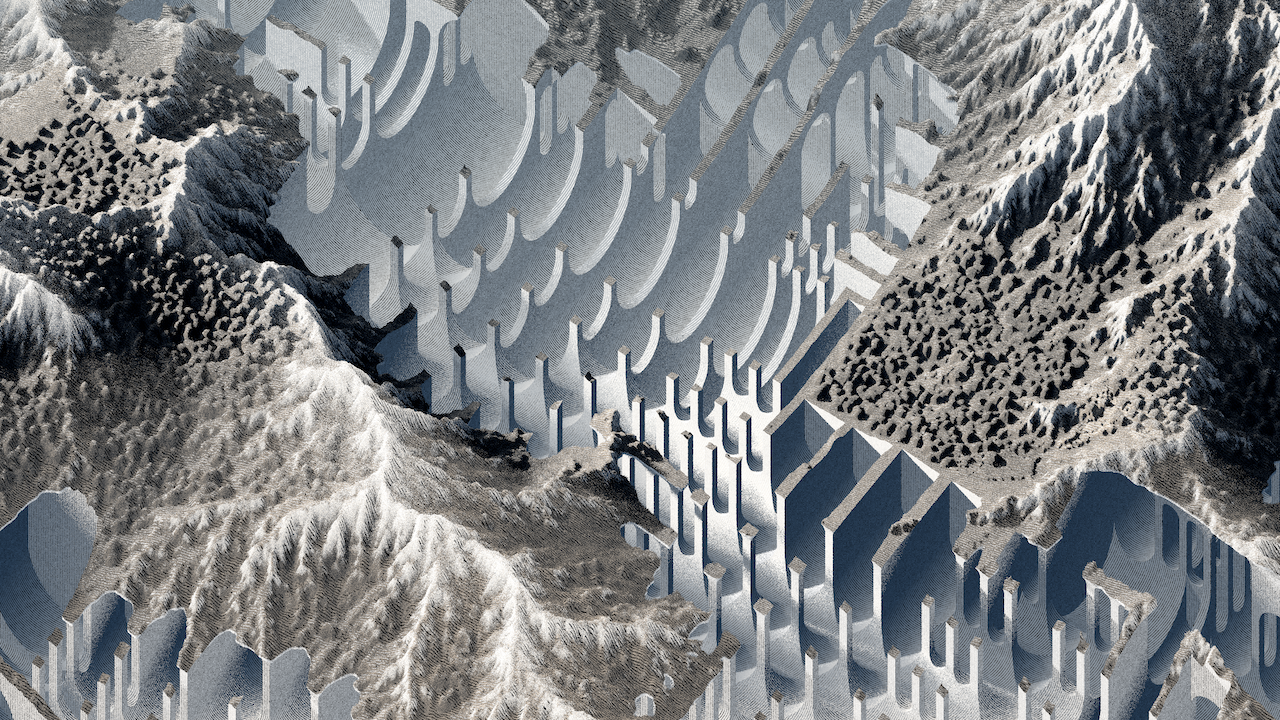
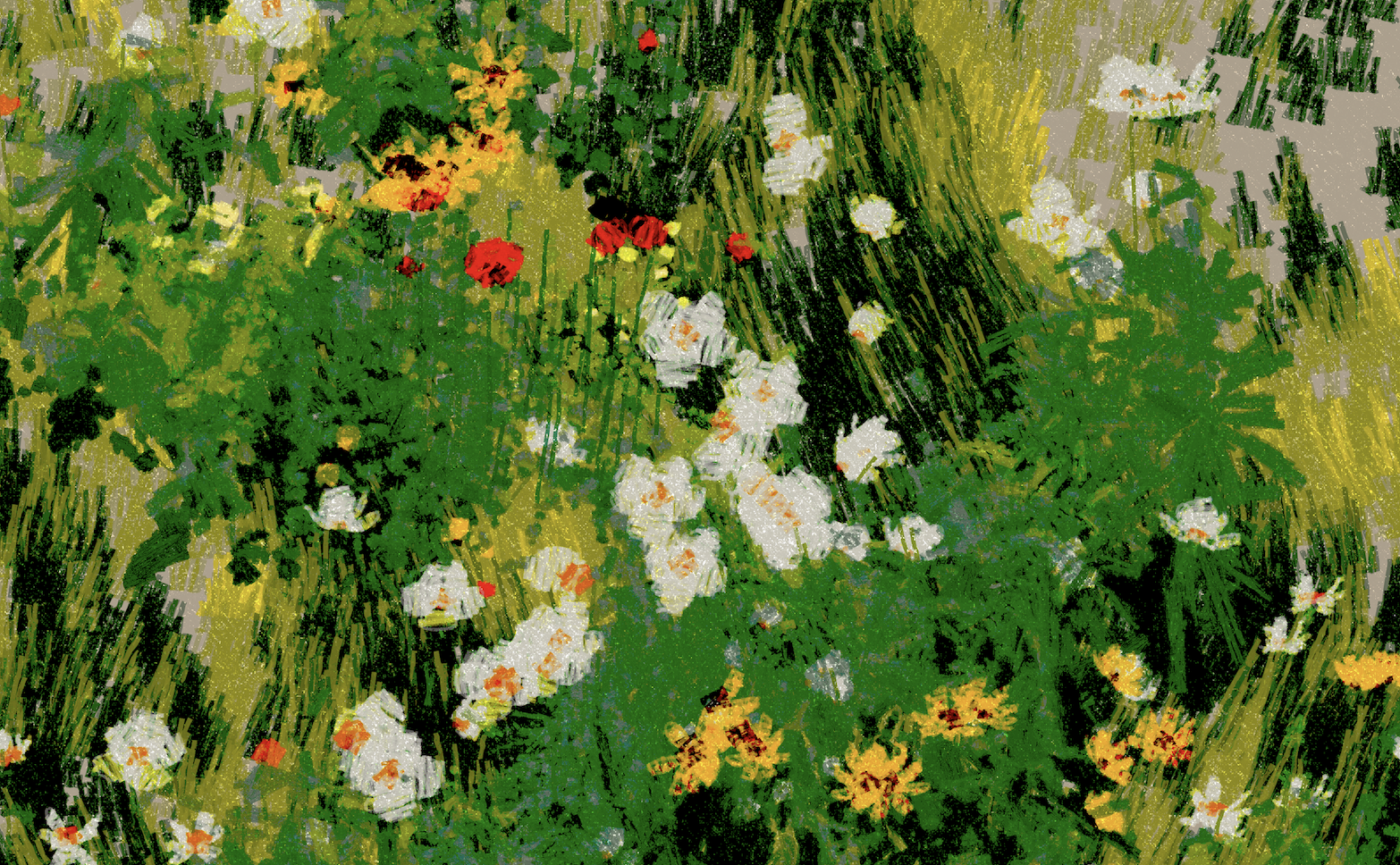
In 2023 he made Cantera, live-minted with Bright Moments, taking its title from the Spanish word for quarry and drawing on the Basque town of Gallarta, demolished to extract the iron ore beneath it. His 2024 series Barbarians, released on Verse, depicts monumental vaults and columns carved into the landscape alongside humbler wooden dwellings, leaving unclear which civilization came first.For the 2025 Cure³ exhibition raising funds for Parkinson's research, he made in osculari, inspired by inosculation, the botanical process by which branches from two trees grow together after their bark wears away through friction.His work has been shown at the National Museum in Warsaw and the Ars Electronica Festival, and two of his pieces, Cantera no. 7 and Bright Moments Finale #988, were auctioned at Christie's as part of the complete Bright Moments collection.,