Iñigo Bilbao (b. 1975) is a digital artist who works at the transductions between physical and digital environments, tracking how an object changes as it is transcribed from one to the other. Born in Oviedo, Spain, he lives in Barcelona and began his career experimenting with 3D printers before specializing in 3D scanning, using medical scanners, laser scanners and photogrammetry to capture and transform physical objects and places.
Since 2011, Bilbao has worked closely with Félix Luque Sánchez, co-authoring several projects, including Memory Lane (2015-2019) and Junkyard (2019), both later exhibited at MIMA Museum in Brussels.Memory Lane uses laser scanning to reproduce places from the two artists' childhoods as sculptures and audiovisual works, blending scanned environments with virtual replicas whose elements detach, dissolve and behave outside physical laws, turning the scenes into distorted, glorified memories.The piece was shown at Ars Electronica in Linz in 2015 and at the Scopitone festival in Nantes in 2016.,Junkyard, made with laser-scanned car wrecks, treats the accumulated debris of car culture as archaeological remains of a future undergirded by petroleum and rare-earth-mineral extraction, and premiered at Le Fresnoy, Studio national des arts contemporains.,
In X-Ray Memories (2021-ongoing), Bilbao X-rays toys and technological devices from his own childhood and youth, from a Commodore 64 to action figures, to record their internal structures. What began as an archive of obsolete technology became, in his words, “an X-ray of my childhood”, revealing the fragility of memory rather than the objects themselves.
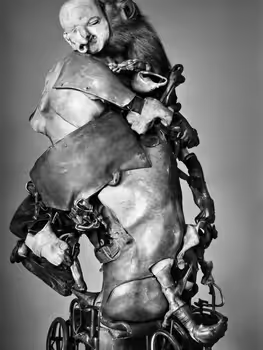
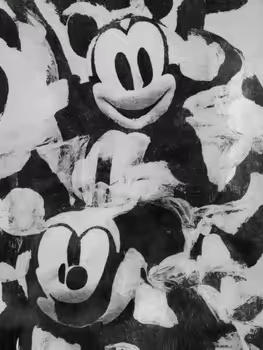
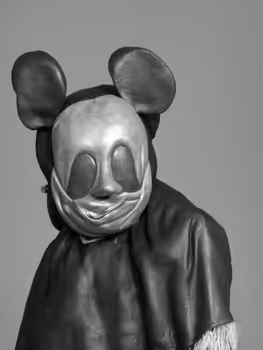
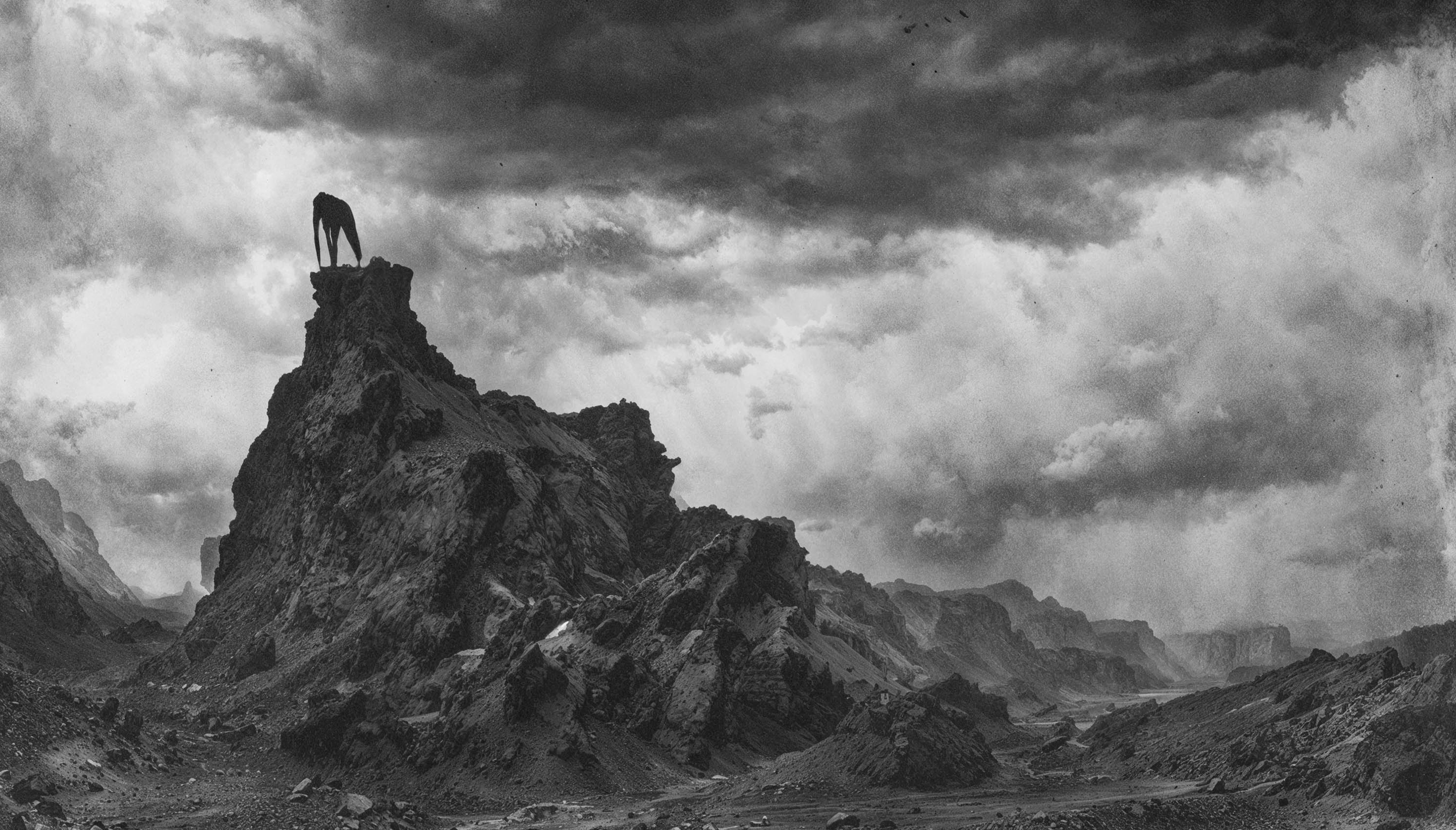
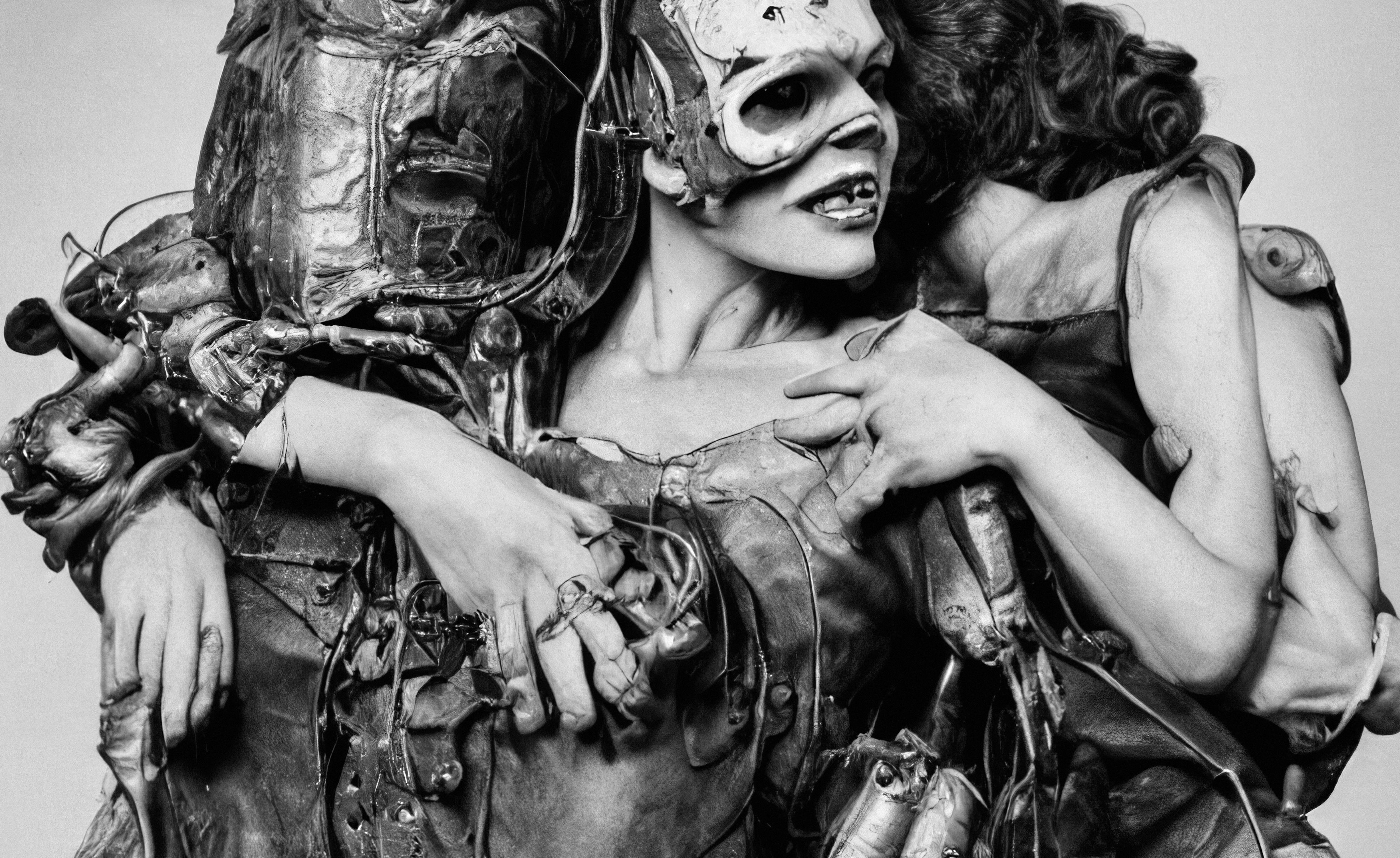
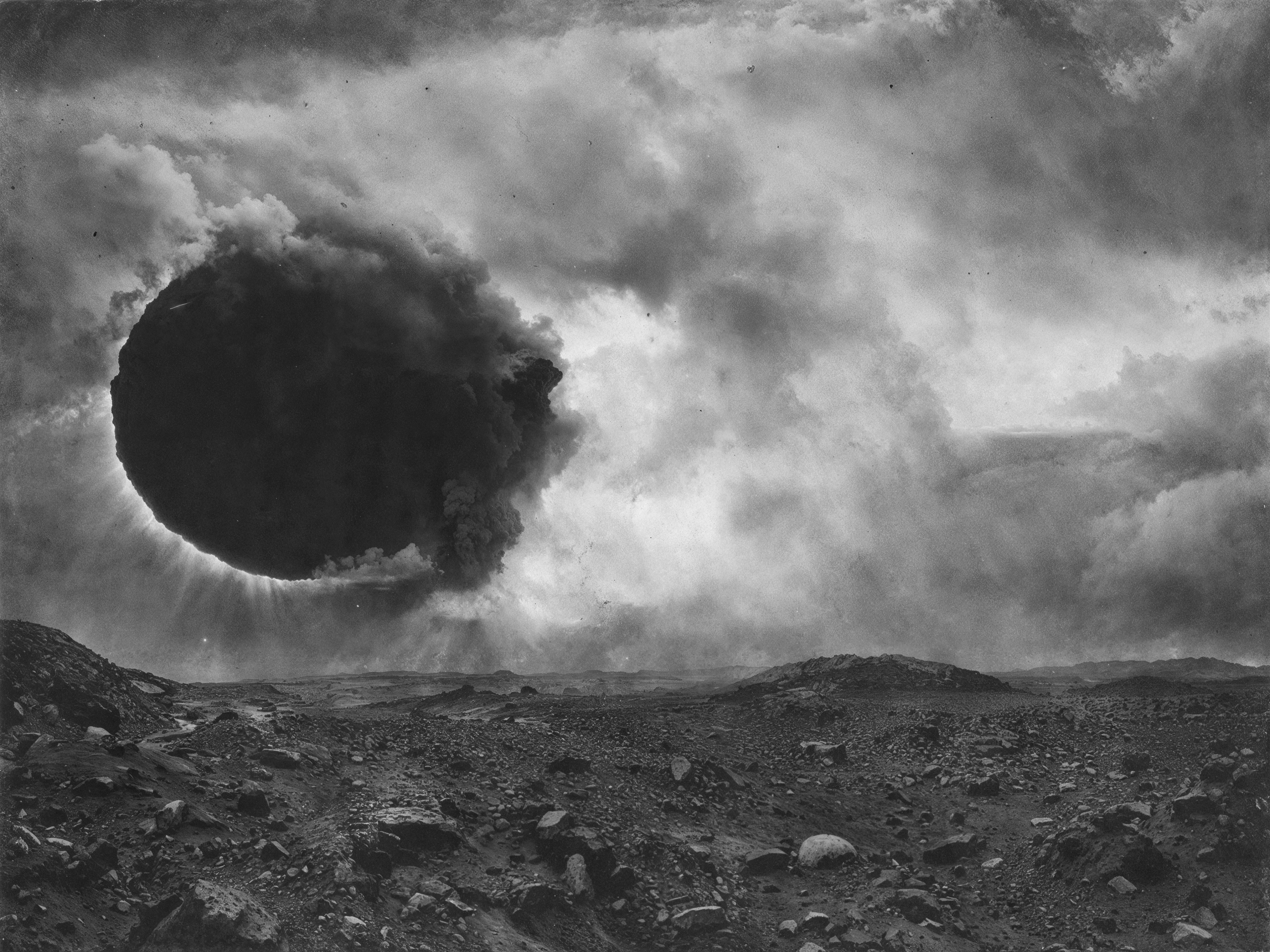
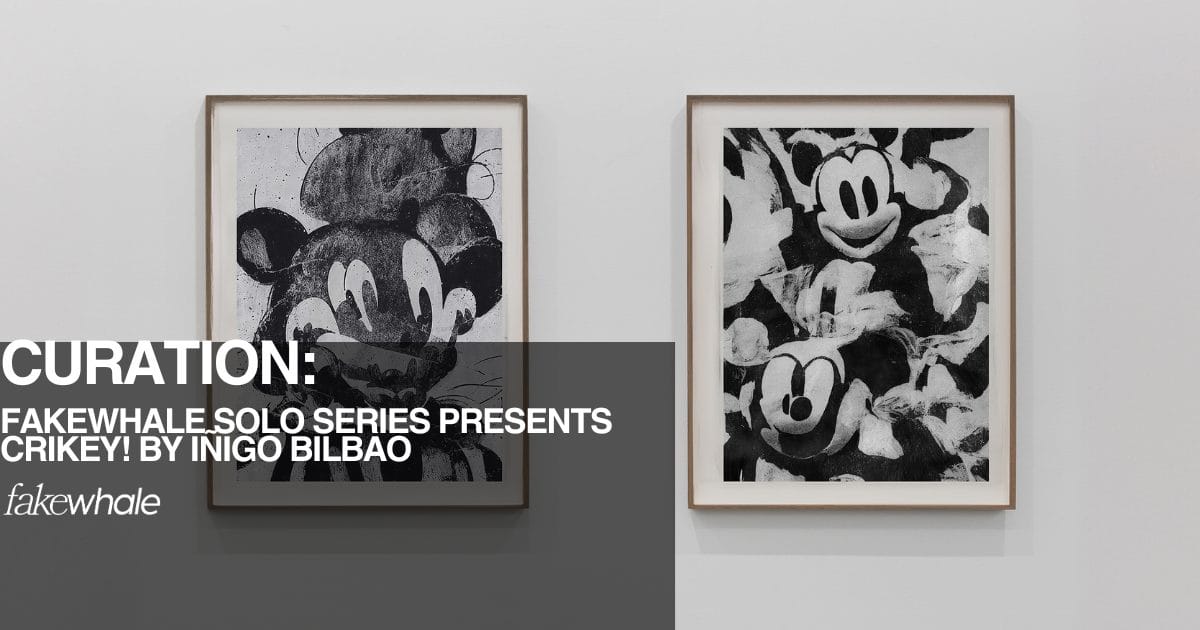
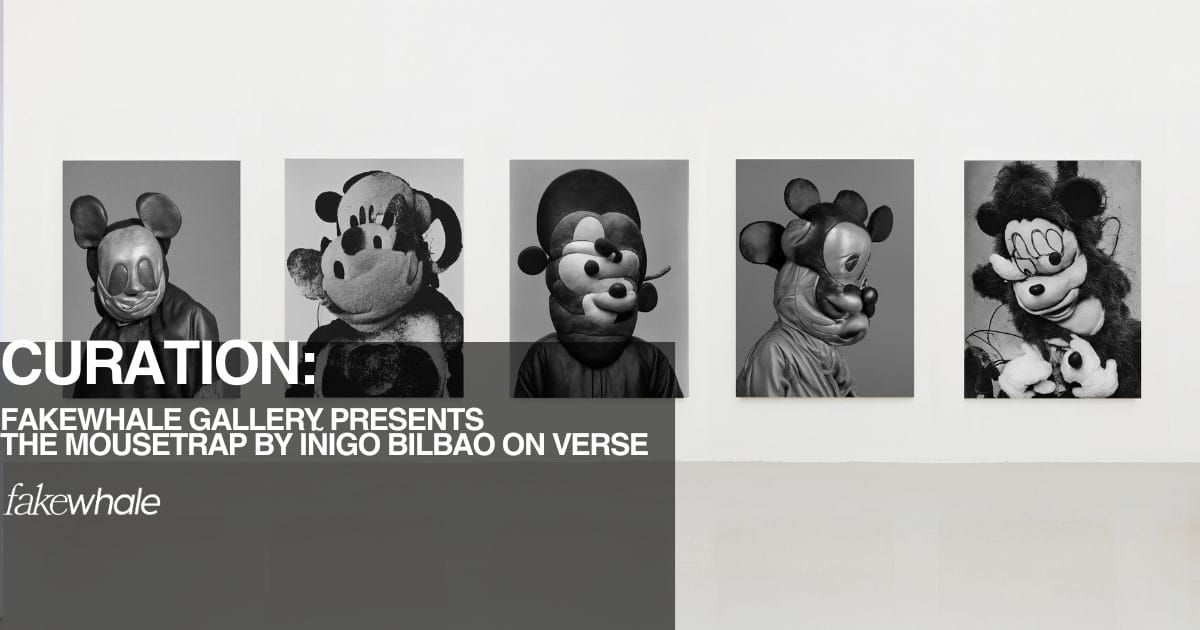
Bilbao's practice later shifted toward AI-generated imagery drawing on science fiction and horror.In Fluxus by Inigo Bilbao (2023), he fed the AI extensive, nonsensical prompts as a kind of shock therapy, an approach he linked to Nam June Paik's Fluxus-era gesture of placing a real cow's head at an exhibition entrance to jolt visitors out of complacency.The Dead Valley (2024), a generative collection of desolate, storm-wracked landscapes, draws on weird fiction by Ralph Adams Cram, Ambrose Bierce and Edgar Allan Poe to build an atmosphere of fear as an environmental presence.In Crikey! (2024) and The Mousetrap (2025), both released through Fakewhale, he feeds an iconic cartoon mouse into an algorithm that repeatedly deconstructs and reforms it, moving from cycles of destruction and rebirth in the first work to a suspended, unresolved mutation in the second.,In 2022, his work appeared in a group exhibition at Unpaired Gallery in Zug, released as NFTs through Kate Vass Galerie's K011.