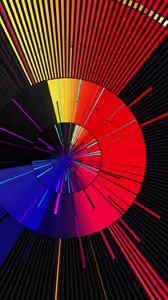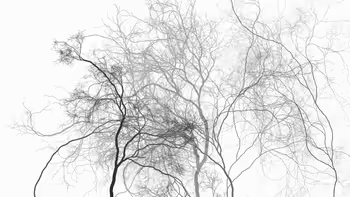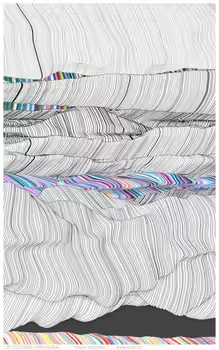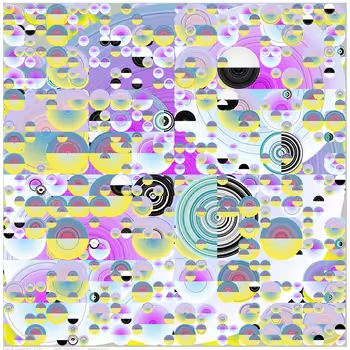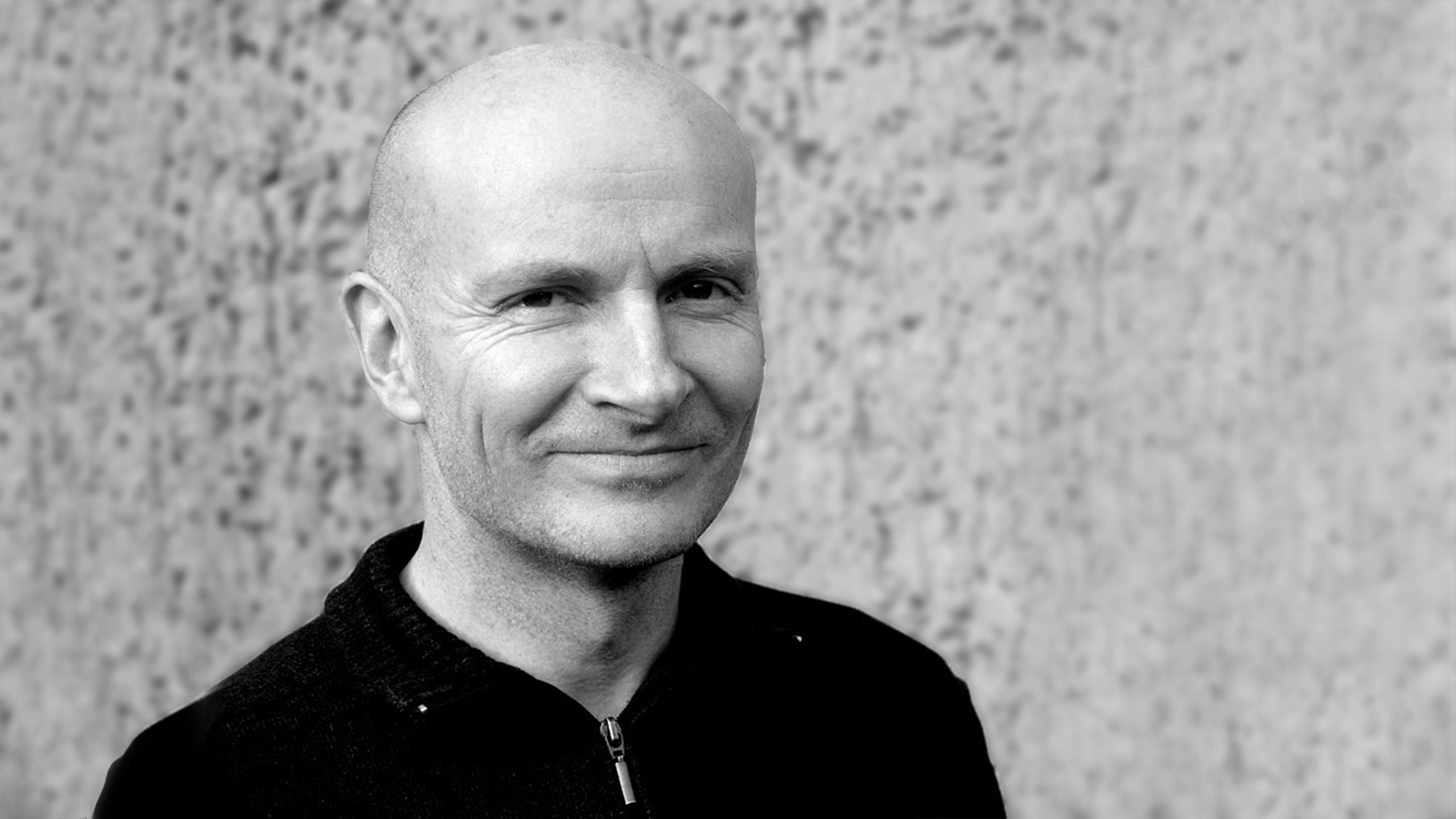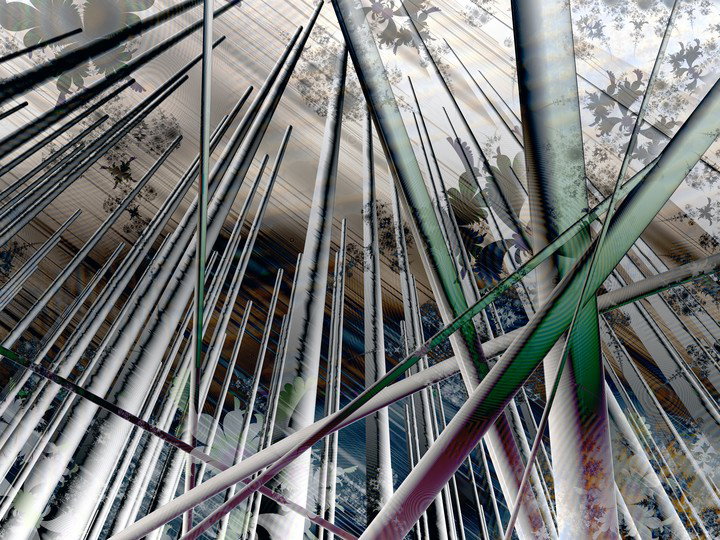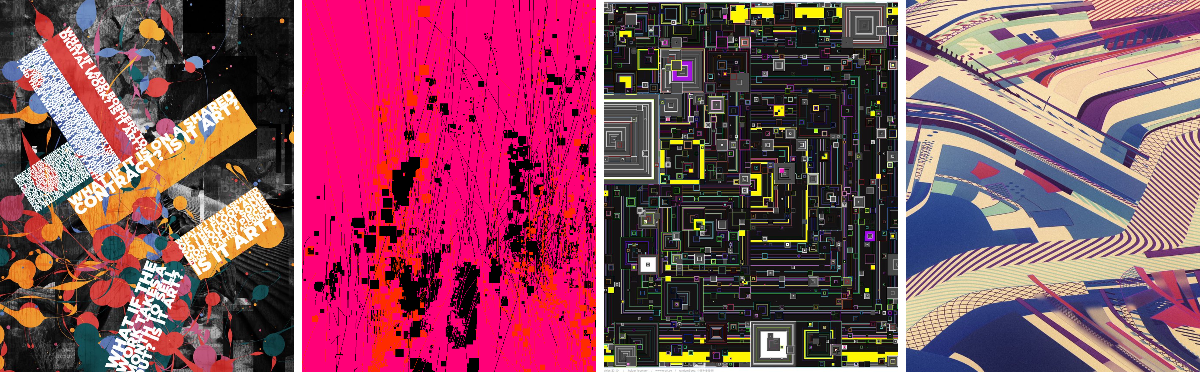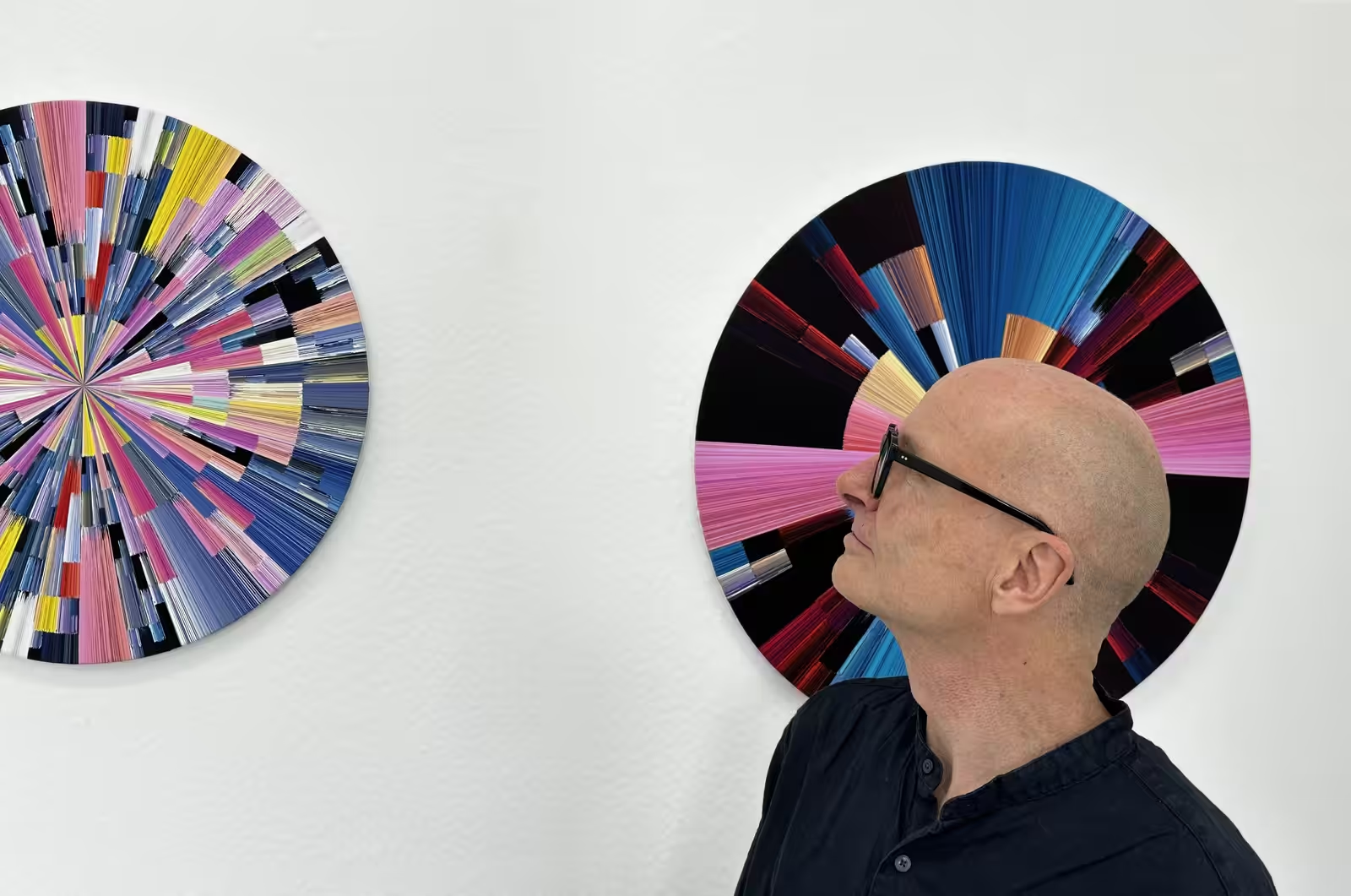
Holger Lippmann (German, b. 1960) makes generative digital paintings, writing his own software to translate landscapes, flowers and trees into abstract compositions built from circles, squares and lines. He calls himself a “code minimalist”, working with simple algorithmic principles rather than elaborate ones. Lippmann trained as a sculptor in Dresden before shifting to computer-based work after encountering fractal animations in a New York nightclub in the early 1990s.
Lippmann studied sculpture at the Kunstakademie Dresden under Klaus Schwabe, then continued at the Staatliche Akademie der Bildenden Künste Stuttgart and the Institut des Hautes Études en Arts Plastiques in Paris. An internship at the New York Institute of Technology's computer art department introduced him to digital tools, and he later trained in multimedia design at CIMdata Berlin. He began working with Macromedia Director and Flash before adopting the Processing programming language after a 2005 workshop by Marius Watz at Transmediale Berlin. Nature, and particularly Perlin-noise structures and recursive tree algorithms, became a central inspiration for the softly morphing, layered forms in his work. Since the mid-2000s his work has been shown at institutions including the Digital Art Museum Berlin, the ZKM Karlsruhe and the Kunstmuseum Heidenheim, and sold as fine art prints through LUMAS. He lives and works in Wandlitz, near Berlin.