Golan Levin (American, b. 1972) is an artist, educator and researcher who has worked in software art since 1995, building interactive systems that turn image, sound and gesture into live performance.,Early works such as Dialtones: A Telesymphony (2001), a concert performed through the choreographed dialing and ringing of audience members' mobile phones, established this interest in turning ordinary human input into collective sound and image.
Levin studied in the Aesthetics and Computation Group that John Maeda founded at the MIT Media Lab in the 1990s.He earned undergraduate and graduate degrees there before working for four years as an interaction designer and research scientist at Interval Research Corporation in Palo Alto.He later became Director of the Frank-Ratchye STUDIO for Creative Inquiry and a professor at Carnegie Mellon University.,
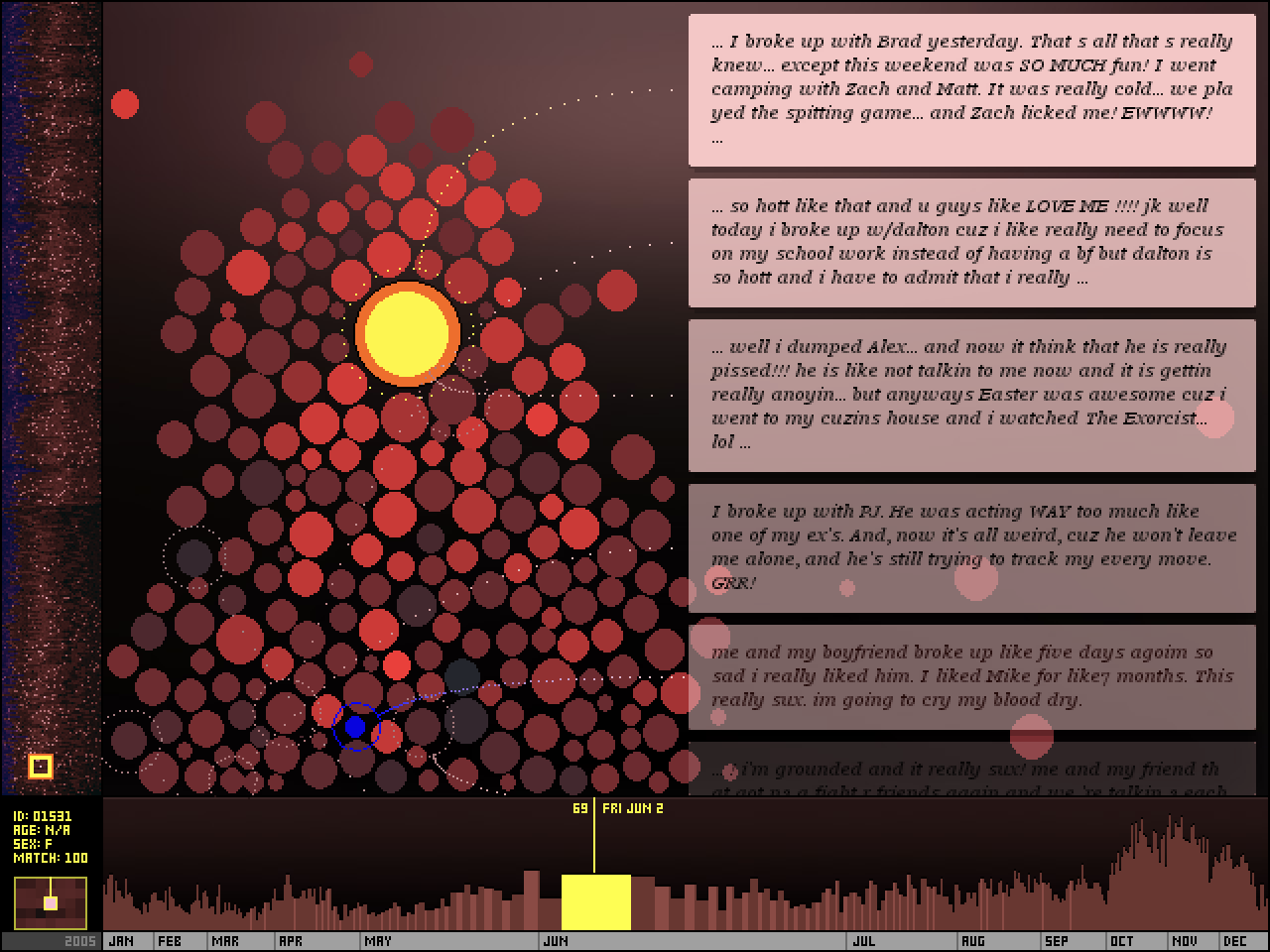
In 2006 he created The Dumpster, an interactive visualization built from real teenage breakup posts pulled from millions of blogs, commissioned by the Whitney Museum's artport in collaboration with Tate Online.Later robotic works such as Double-Taker (Snout) (2008) explored human gaze and body language through interactive machine vision.His work entered the permanent collections of the Museum of Modern Art, ZKM Karlsruhe and the Cooper-Hewitt Smithsonian Design Museum, and has been shown at the Whitney Biennial and Ars Electronica.
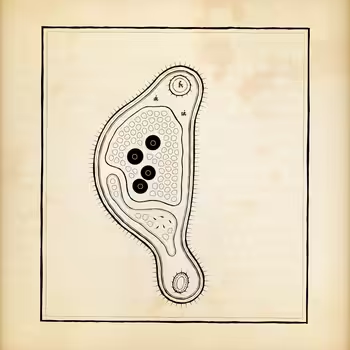
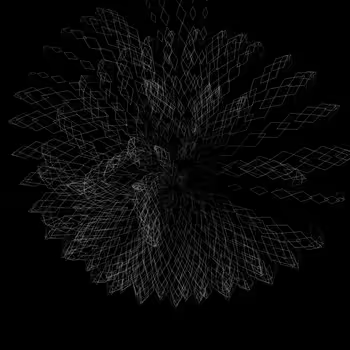
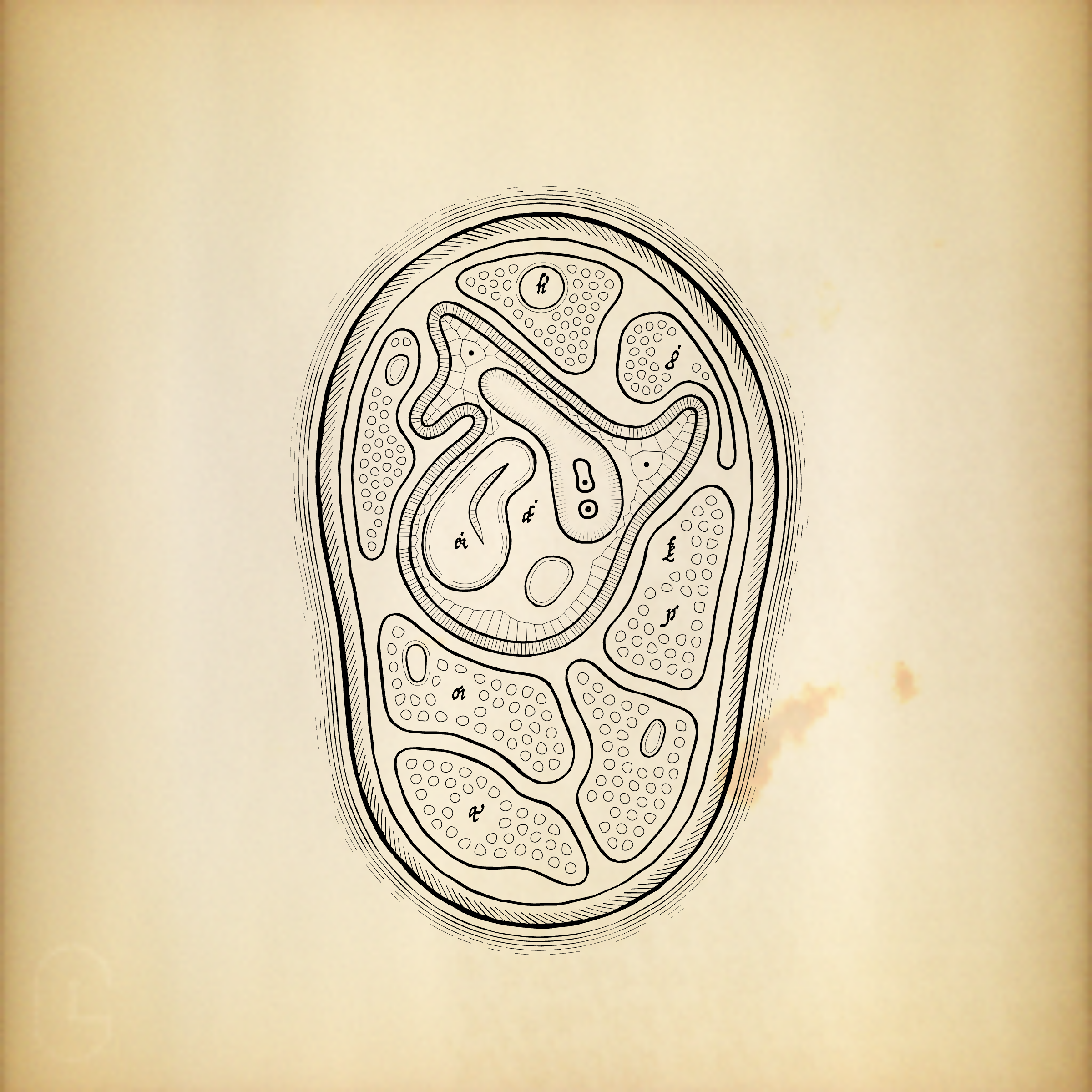
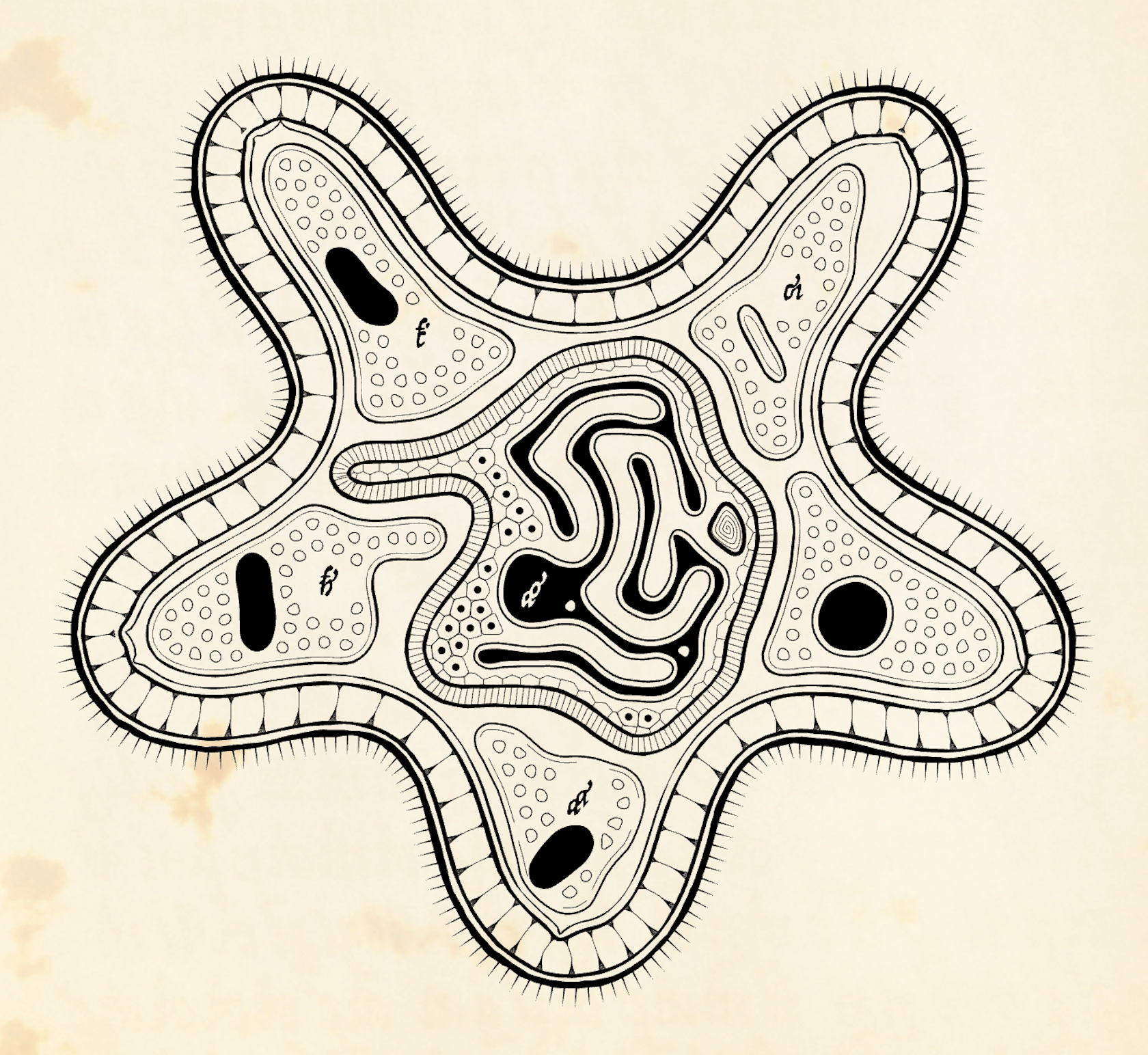
In 2023 he released Cytographia on Art Blocks Curated, a generative project built around an asemic writing system that grew out of a two-year exploration of blobs and artificial life.,In 2024 works including Ghost Pole Propagator III (2007), Zoofolia, drawn by a robot hand, and Meshy, which extrapolates images from a participant's hand gestures, were shown at Gazelli Art House's “Awaken, Metamagical Hands” in London. Of the shift toward NFT sales he said, “I prefer to think about the art itself, independent of its saleability, and I don't like the way that art warps itself to accommodate marketplaces.”