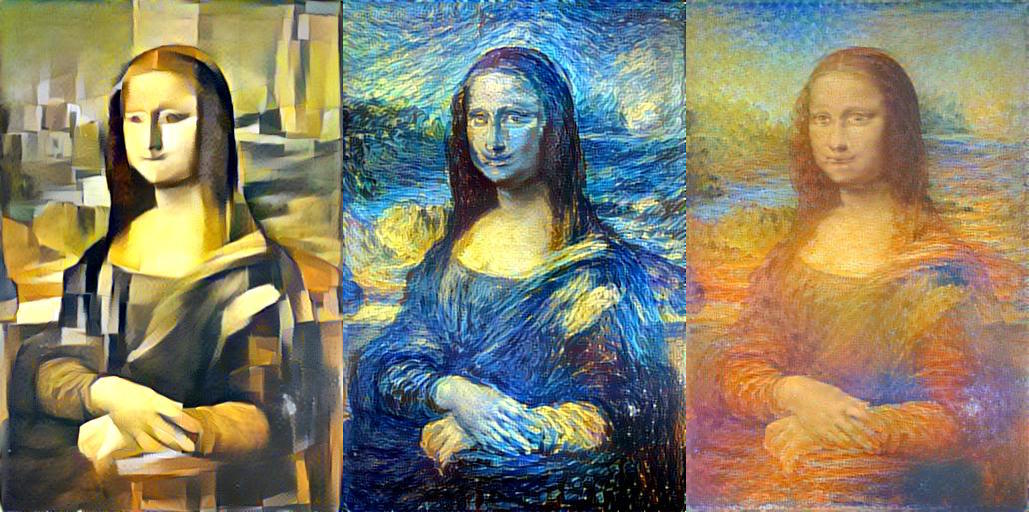
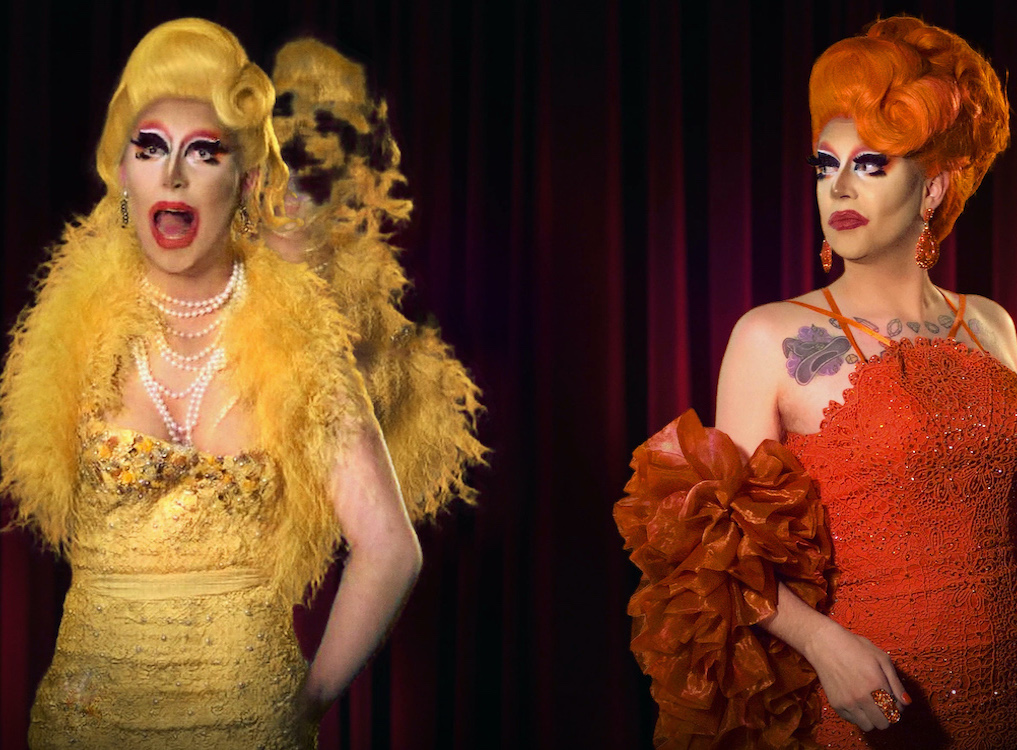
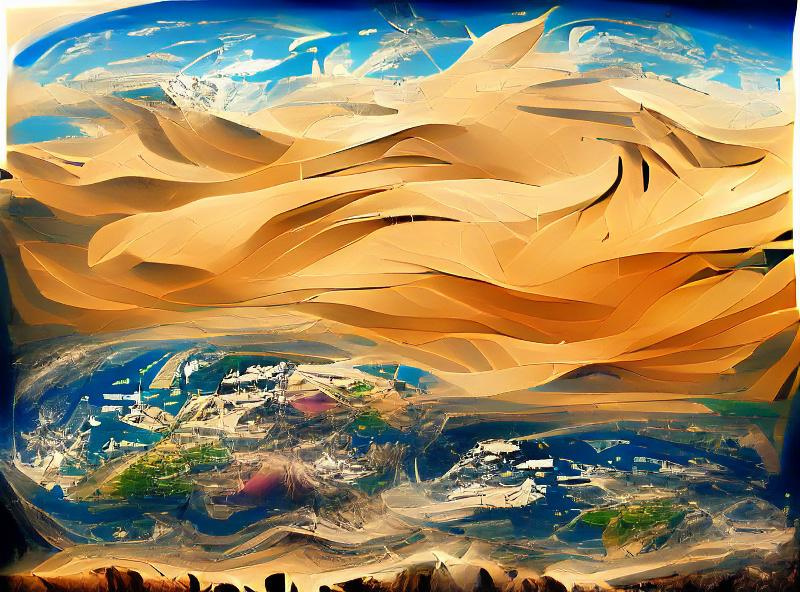
Gene Kogan (b. 1989) is an artist and engineer who works with artificial intelligence and generative systems, and has been a pioneer of AI art since 2015, working with early tools such as DeepDream, char-rnn and style transfer.,Originally trained as a machine learning engineer, he began teaching through ml4a, a free curriculum on machine learning for artists, and has since given more than 200 workshops popularizing generative AI.
His workshops introduced other artists to machine learning, including Sofia Crespo and, through the School of Machines, Making & Make-Believe in Berlin, Jake Elwes.,The founders of Runway were his students at NYU, and he became the company's first advisor. His work has been exhibited at Christie's, Ars Electronica, the Seoul Mediacity Biennale, the Ming Contemporary Art Museum and Fotomuseum Winterthur, among other institutions.He has also been credited with several early firsts in AI art, including GAN-based work, AI-generated video and interactive installations such as an “AI mirror”.
In 2017 Kogan conceived Abraham, an autonomous AI artist, on a flight home from the Eyeo Festival while reading about Ethereum, and first wrote about the project publicly in 2019.,He co-founded BrainDrops, a curated NFT platform for AI artists, and later co-founded Eden with Xander Steenbrugge, whom he met in 2020 at Mars College, an experimental pop-up village he helped build in the California desert.,,,Eden is a platform for developing AI agents that participate in the cultural economy, extending the logic Kogan first built for Abraham to a broader ecosystem of autonomous creative agents.
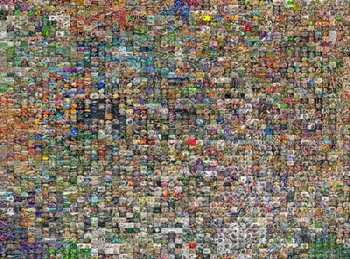
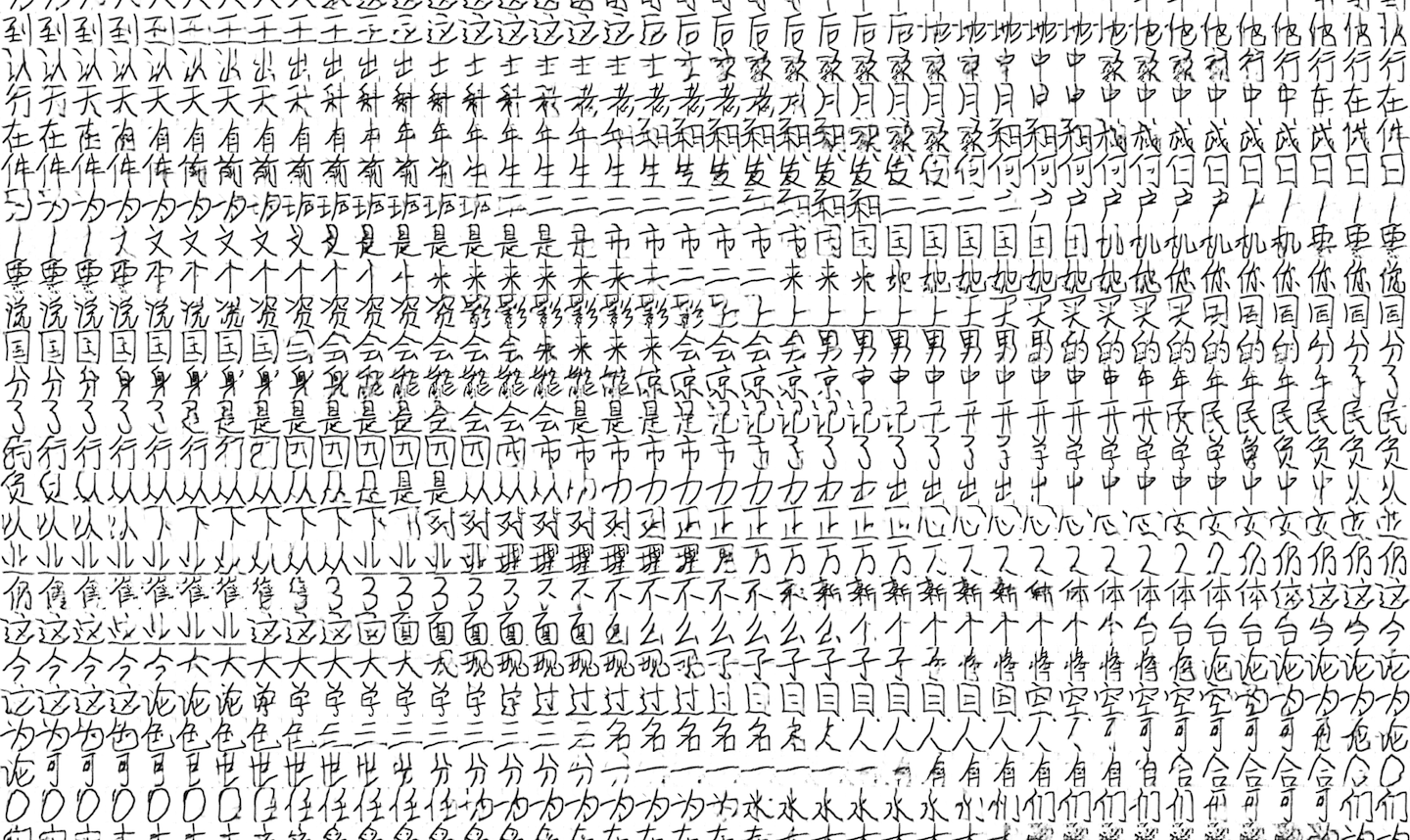
Abraham's First Works, a genesis collection of 2,500 images Abraham generated in 2021 from prompts submitted by its early community, was released through AUTOMATA in October 2025 to mark the start of a 13-year “covenant”: a daily practice in which Abraham drafts concepts, receives community feedback, and integrates what it learns, with the goal of achieving full autonomy by 2038.,Kogan's A Book from the Sky uses AI-assisted visual interpolation between Chinese radicals to show how small changes in written form encode language and culture.