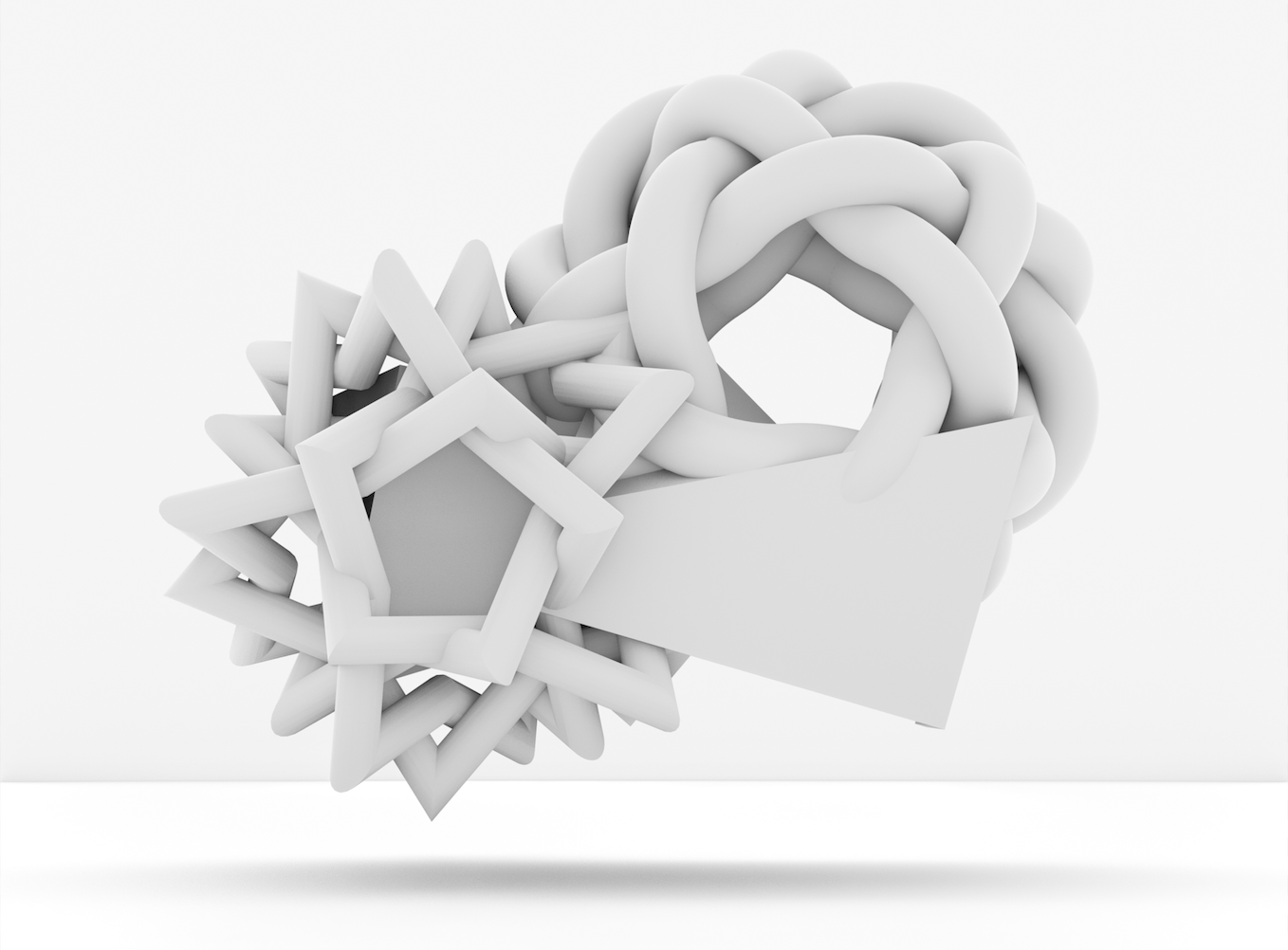
Frank Stella (American, 1936–2024) was a painter, sculptor and printmaker whose severe, geometric Black Paintings, begun in 1959, helped launch Minimalism.Over more than six decades his work moved from flat, hard-edged abstraction to monumental multicolored wall reliefs and architectural sculpture,,,and in 2022 he released Geometries, a series of computer-generated 3D forms issued as NFTs through ARSNL.,
Stella was born in Malden, Massachusetts, studied history at Princeton University, and moved to New York in 1958 after graduating.In 1959, at twenty-three, he began Black Paintings, canvases of uniform black stripes separated by bare, unpainted canvas and mounted on deep stretchers that let each work assert itself as a physical object.That year, four of the Black Paintings were shown at the Museum of Modern Art,and he joined the dealer Leo Castelli's gallery.Of the paintings, Stella said, “What you see is what you see”.He went on to have two retrospectives at MoMA, in 1970 and 1987, a distinction shared with only Jasper Johns among living American artists.
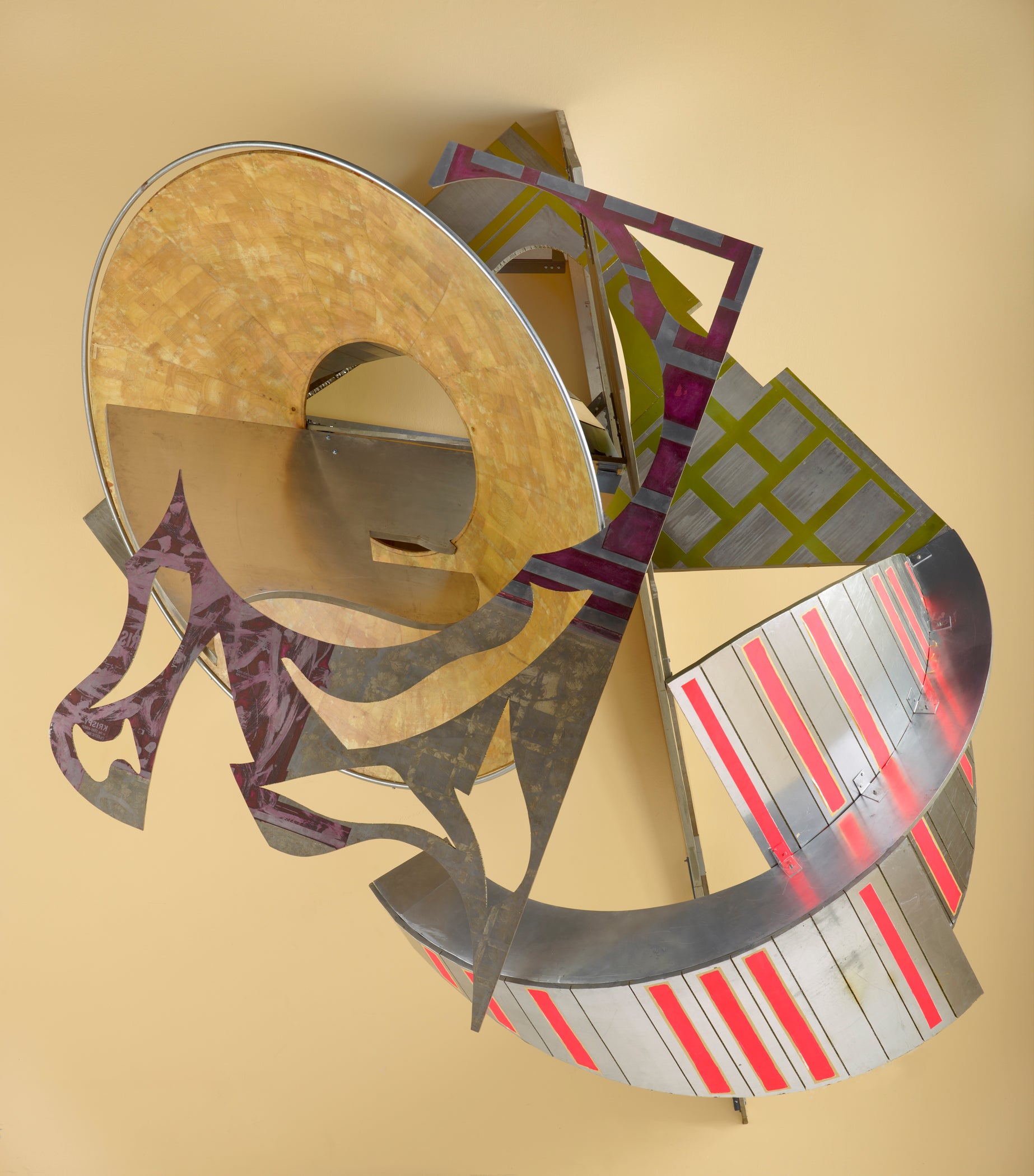
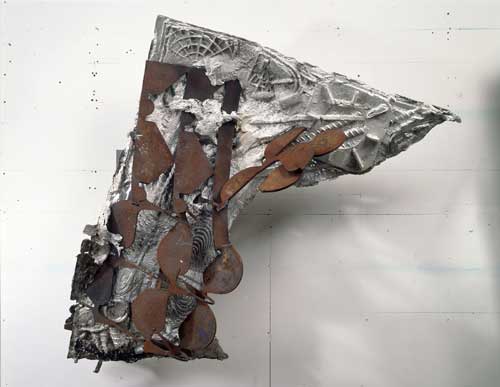
During the 1970s his work turned baroque, with curving forms, DayGlo colors and wall reliefs replacing the flat surfaces of the previous decade.In the 1980s he moved further from Minimalism into monumental, multicolored wall reliefs and sculptures, among them St. Michael's Counterguard (1984), a honeycomb aluminum construction acquired that year by the Los Angeles County Museum of Art.From the mid-1980s to the mid-1990s he made a large body of work responding to Herman Melville's novel Moby Dick.In the 1990s he also turned to fully three-dimensional sculpture and architecture, working at a scale that included a nine-meter sculpture commissioned by the National Gallery of Art and installed outside its East Building in January 2002.
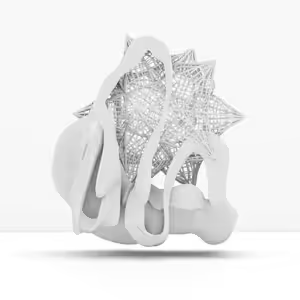
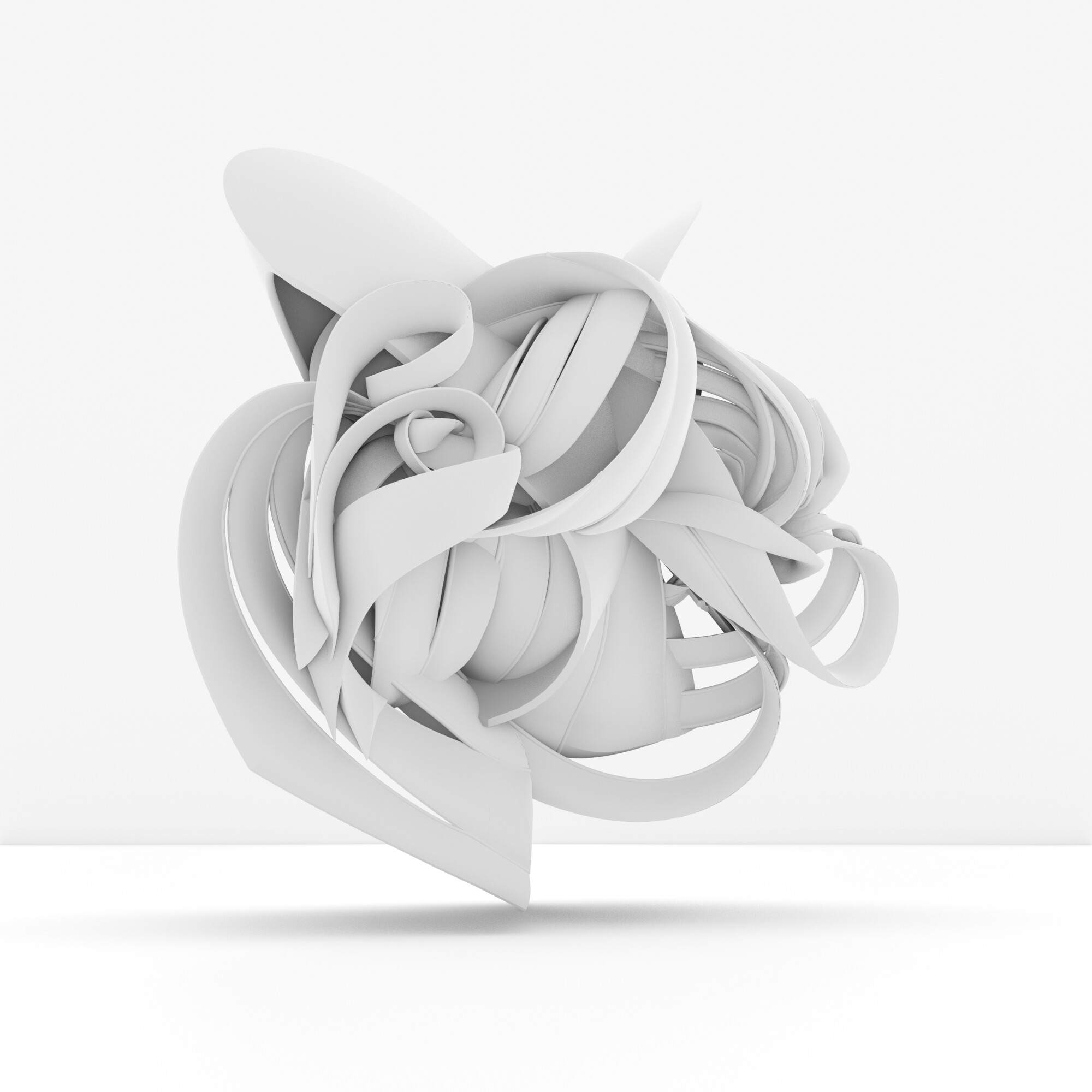
At 86, Stella released Geometries through ARSNL, the digital arm of the Artists Rights Society, a set of 22 three-dimensional forms rendered in whiteand generated using computer-aided design methods he had been developing since the early 1990s.The project drew on three decades of his own work with computer-aided design, extending a sixty-year engagement with painting and physical space. Collectors who acquired a Geometries NFT received the right to create derivative works and to 3D-print the piece, rights that transferred with the token to each new owner.Stella pursued the project partly to advance artists' rights to royalties, saying of the effort, “It will be wonderful if technology can give us what the government never would.”He received the National Medal of Arts in 2009and died on May 4, 2024.