Danielle King is an artist who uses AI image generation to create alternative art histories and explore memory, girlhood, and the duality of self.Her work often reworks figures from art history and revisits scenes from her own life, and she has also written about how AI art reproduces the male gaze.,
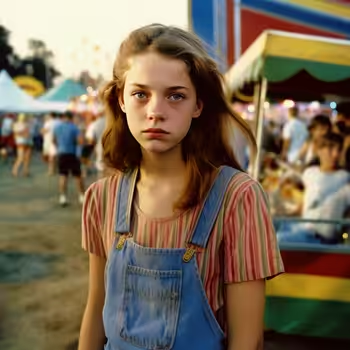
King studied studio art and art history at Harvard University, then spent eight years managing the Department of Painting and Sculpture at the Museum of Modern Art in New York after earning an MBA from the Yale School of Management.,She began collecting AI art in 2021 and started making her own work in 2022. She has credited the VerticalCrypto Art Residency with a turning point in her practice, saying it made her “take myself seriously as an artist again after putting it away in a closet to build a career and have a family”.In 2023 she released The Muses, her first long-form generative AI project, on the platform Emergent Properties, an edition of 500 pieces reimagining figures such as Alice Neel, Frida Kahlo, and Gustav Klimt.,She followed it that September with Artificial Childhood Memories, which reframes moments from her own youth using AI to reinterpret and fill gaps in memory.
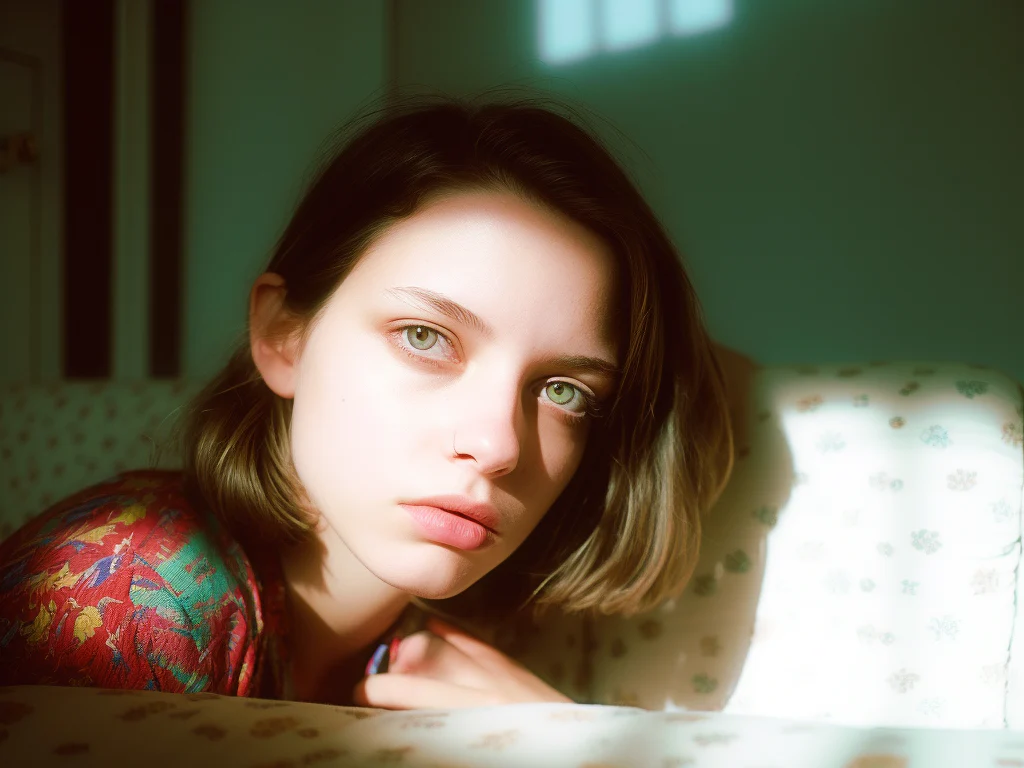
Her portraits of women, including those in Wunderkammer and Lonely Landscapes, often share a direct, largely unsmiling gaze. King has said she intends the expression to convey empowerment and agency and to defy expectations that women should appear more approachable.In 2023 she exhibited Artificial Polaroid #2 in “FEMGEN”, a gender-equity exhibition at Art Basel Miami Beach. She has called her participation there “one of the things I'm most proud of thus far in my Web3 journey”.
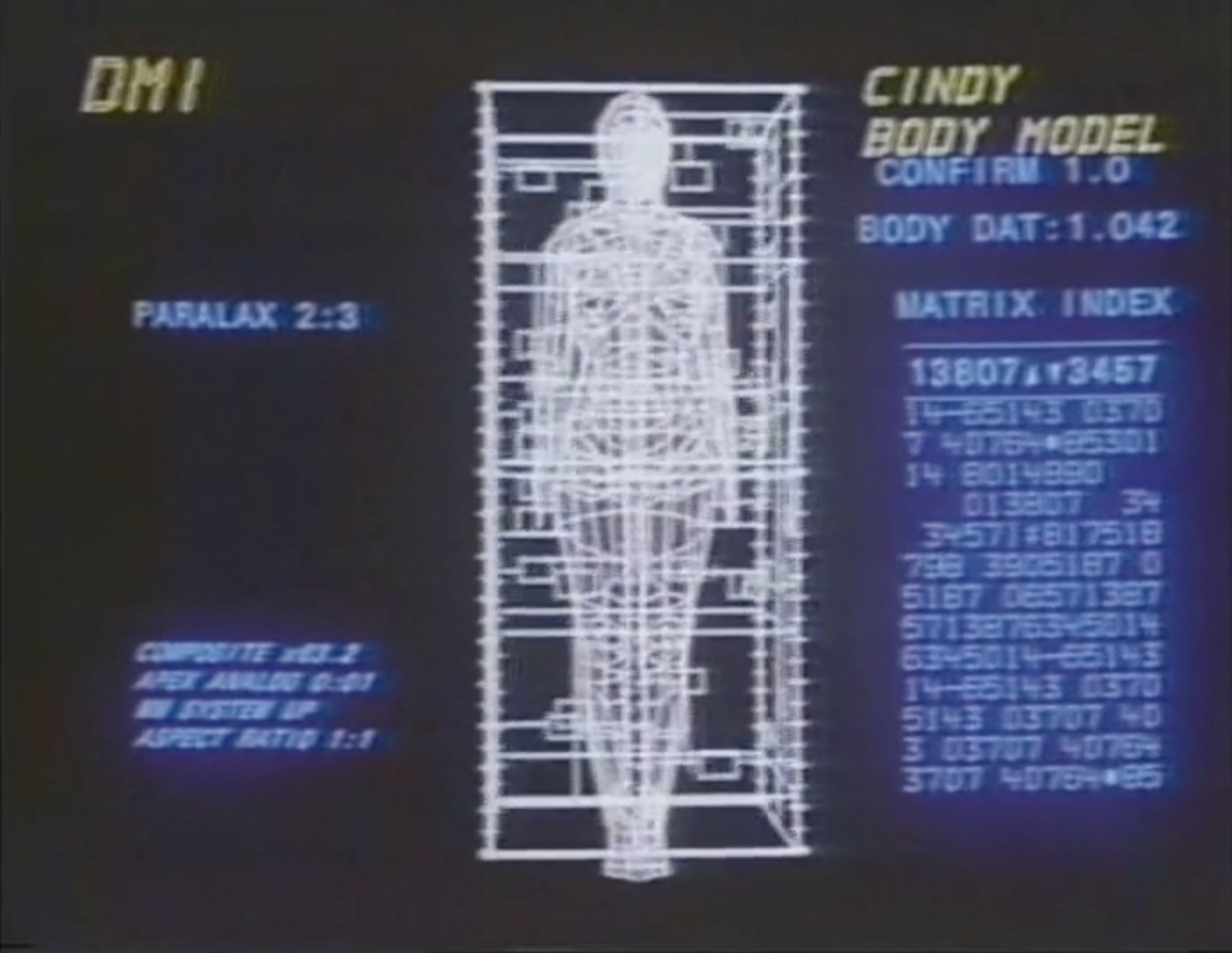
In a 2024 essay for Le Random, she traced what she calls the algorithmic gaze, the extension of the male gaze into AI-generated imagery, back to a 1967 computer-generated nude made at Bell Labs. She argued that AI art depicting sexualized, idealized young women sells more readily than more realistic or unconventional depictions of women, pointing to painter Francien Krieg's unflinching AI-assisted portraits of older women as an example that has largely gone unsold.