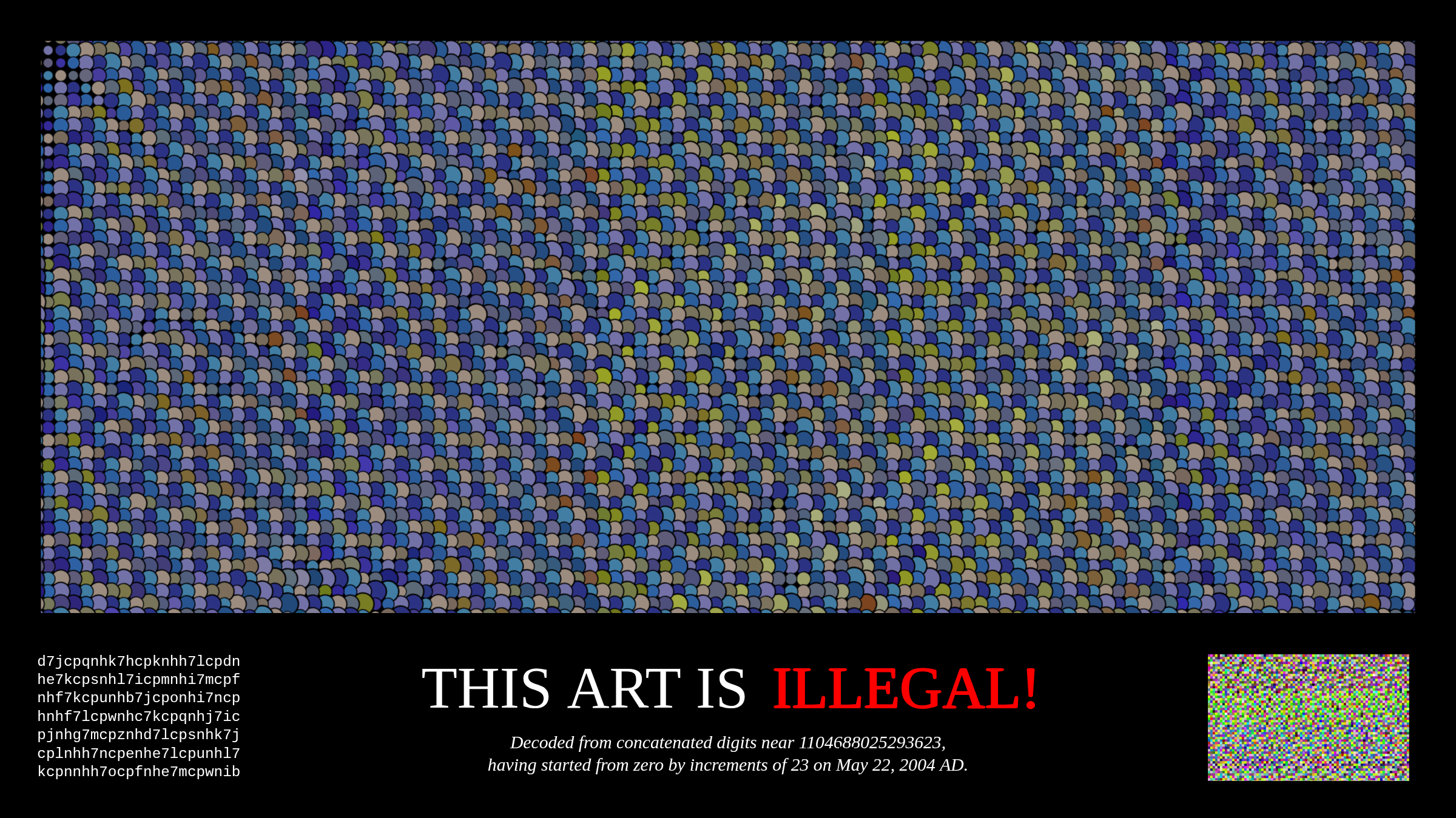
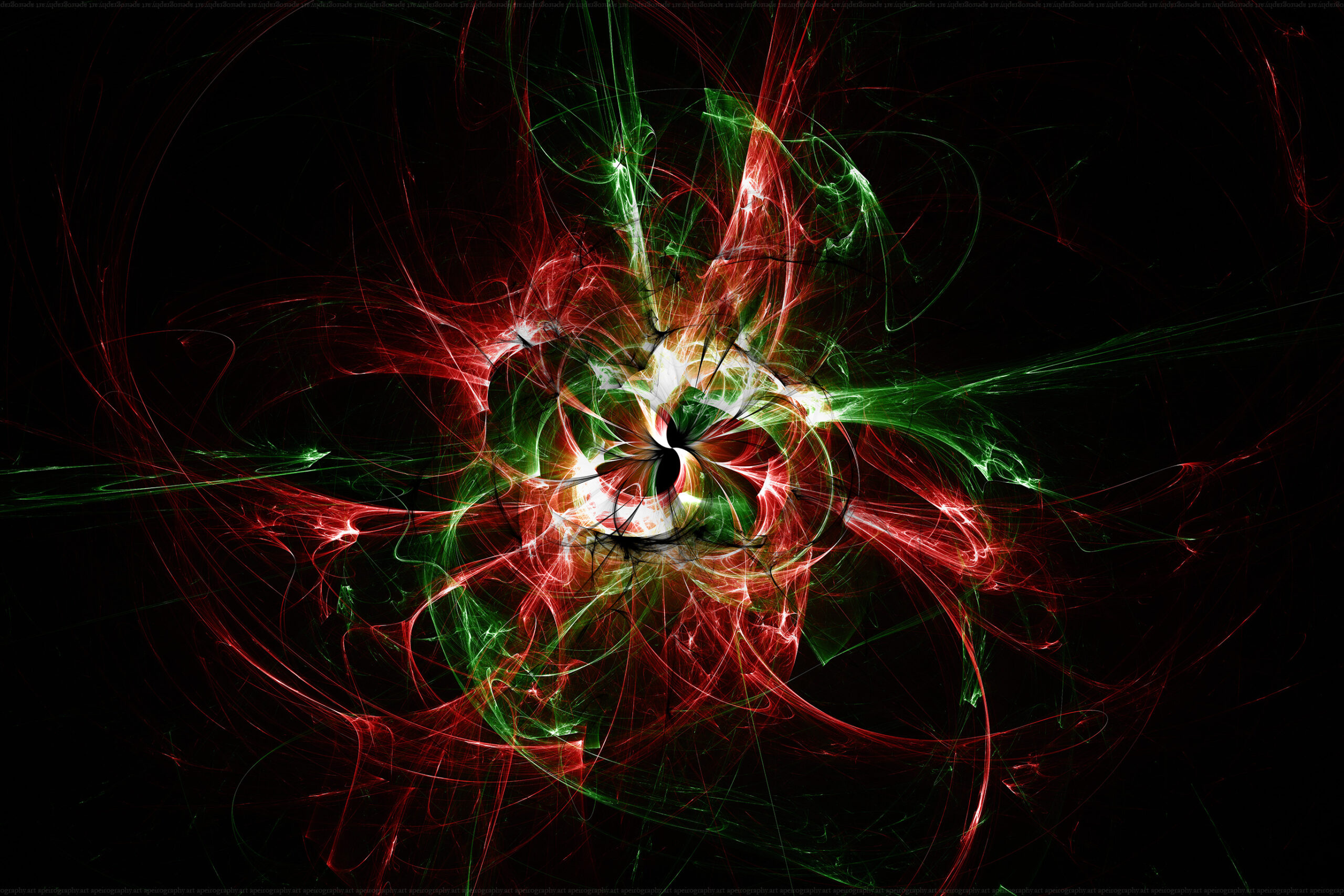
Daïm Aggott-Hönsch (Hungarian-Canadian, b. 1982) is a Toronto-based multidisciplinary artist whose practice, which he calls apeirography, uses custom-coded algorithms to reveal what he considers the timeless, independently existing structures of the mathematical realm.,,He studied as a child under the late Hungarian artist Jenő Zaszlavik in Szentendre, and turned to mathematical art around the birth of his second child, leading to his early Anthropobrots and Floromorphs.,
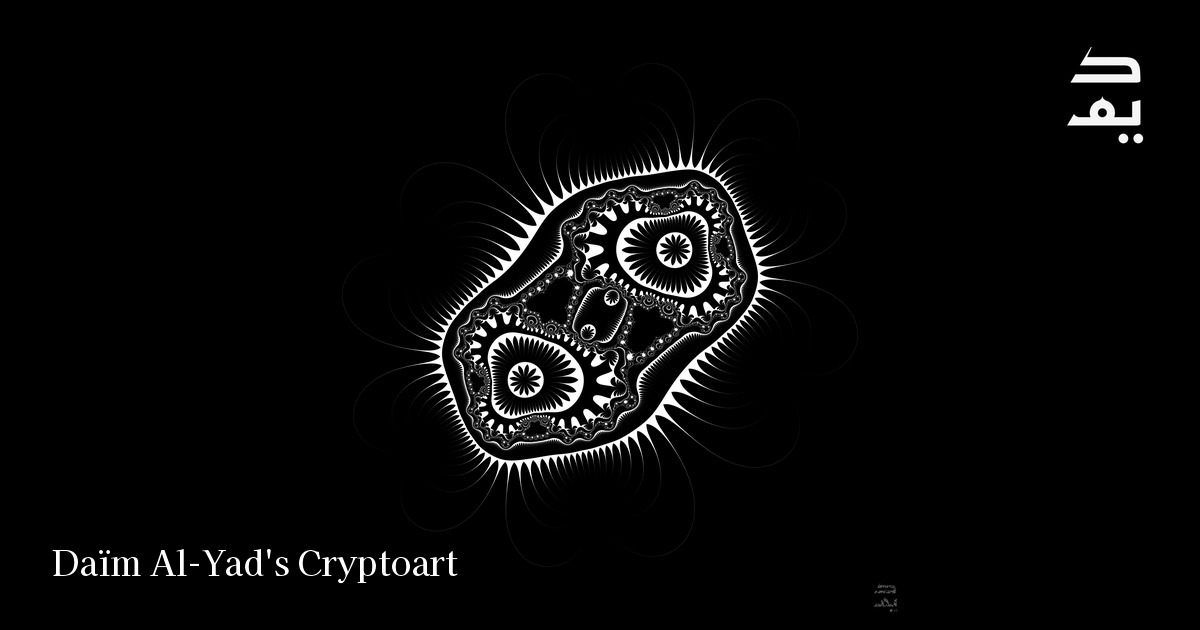
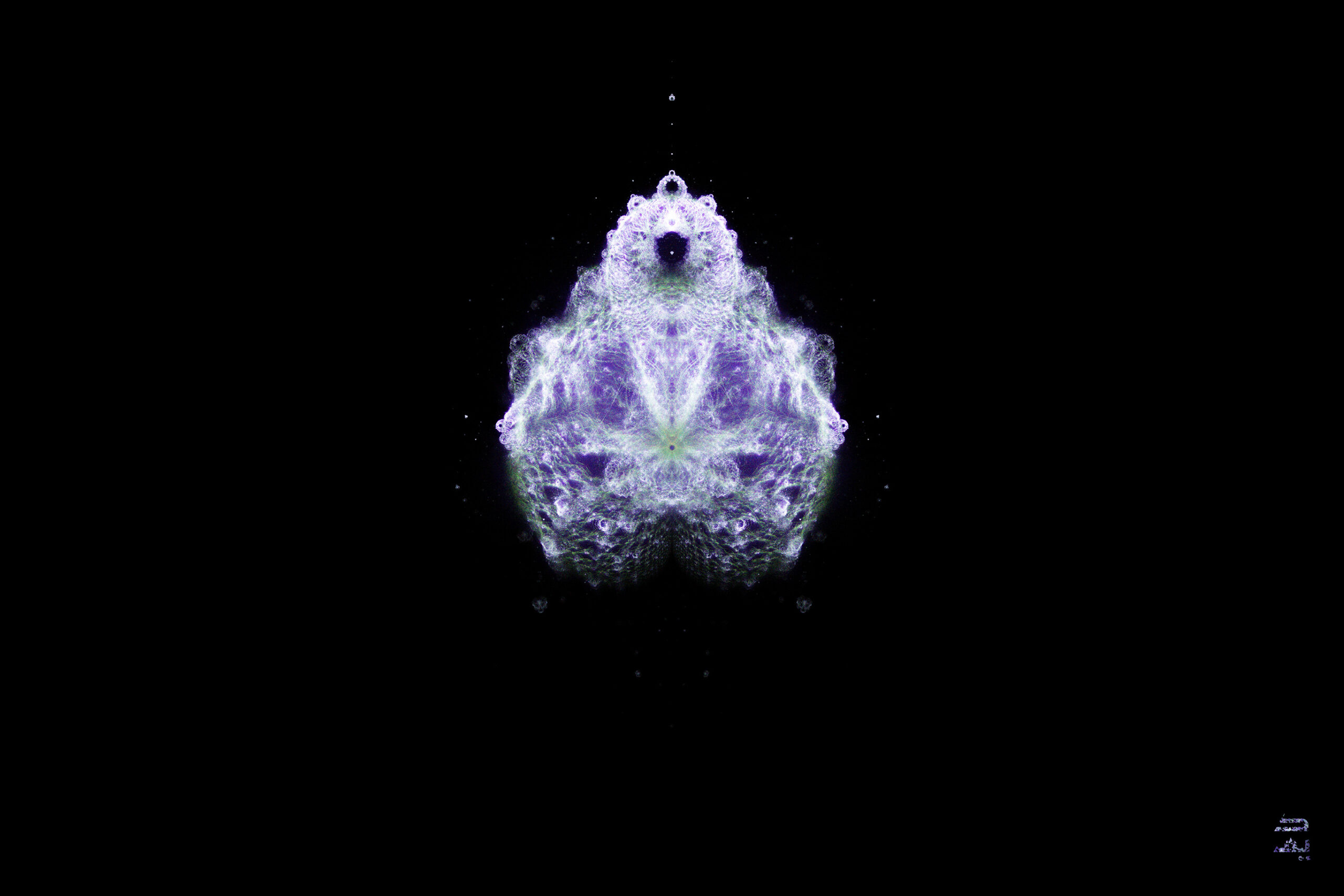
Anthropobrots are mathematically defined multisets of orbital waypoints drawn from specific points of the Mandelbrot set, coalescing into pareidolic, body-like figures related to but mathematically distinct from the popular Buddhabrot.Floromorphs, a class of Pickover biomorphs he discovered in 2015, take on rotationally symmetric, petalled forms, and were shown in his 2017 solo exhibition “Biomorphs: Microbes on the Complex Plane” at the Oakwood Village Library and Arts Centre in Toronto.In his 2016 manifesto, Aggott-Hönsch defined apeirography as “mathematical photography”, a documentary and representational art restricted to subjects that mathematically exist, rather than a free-form generative process.
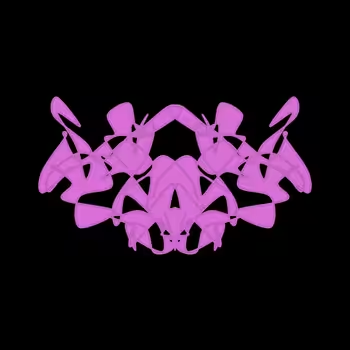
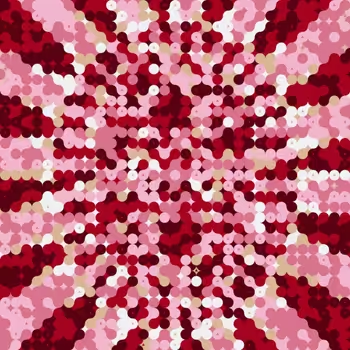
He entered the emerging crypto art scene in 2019, the same year his work was shown internationally for the first time at the Royal Cornwall Museum in Truro, UK, and began minting on SuperRare and KnownOrigin.In 2020 his series Cryptoblots, an exploration of pareidolia developed in dialogue with Snowfro during Art Blocks' early beta, launched as Art Blocks Curated #4.,Collectors have given individual pieces their own names, and Cryptoblot #240 took on particular significance for him after a collector pointed out its resemblance to a masked figure during the pandemic.Cryptoblots #1044 was included in Sotheby's 2021 “Natively Digital” sale alongside works by Snowfro and Dmitri Cherniak.,He released a second Art Blocks project, Thereidoscope, in 2022.
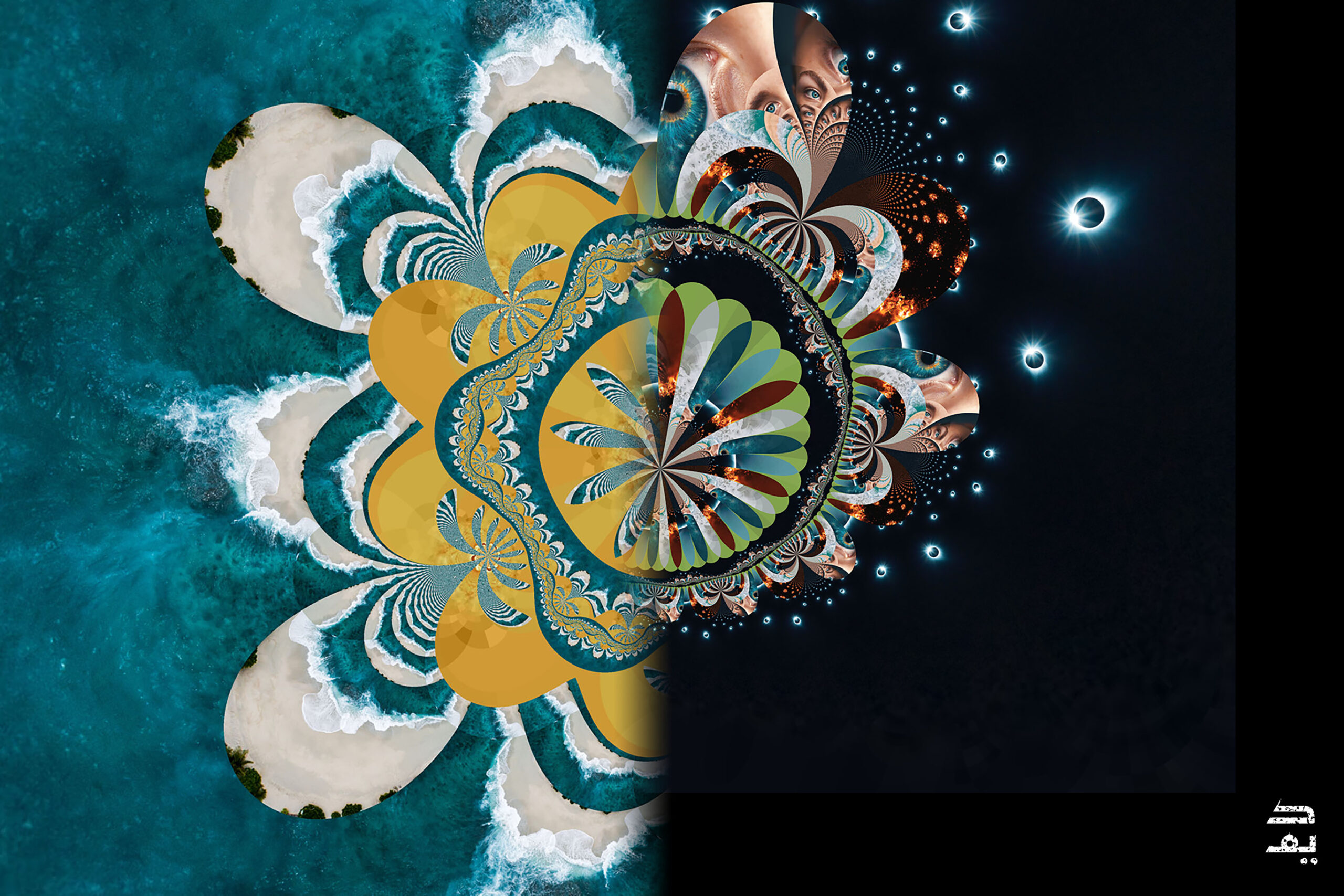
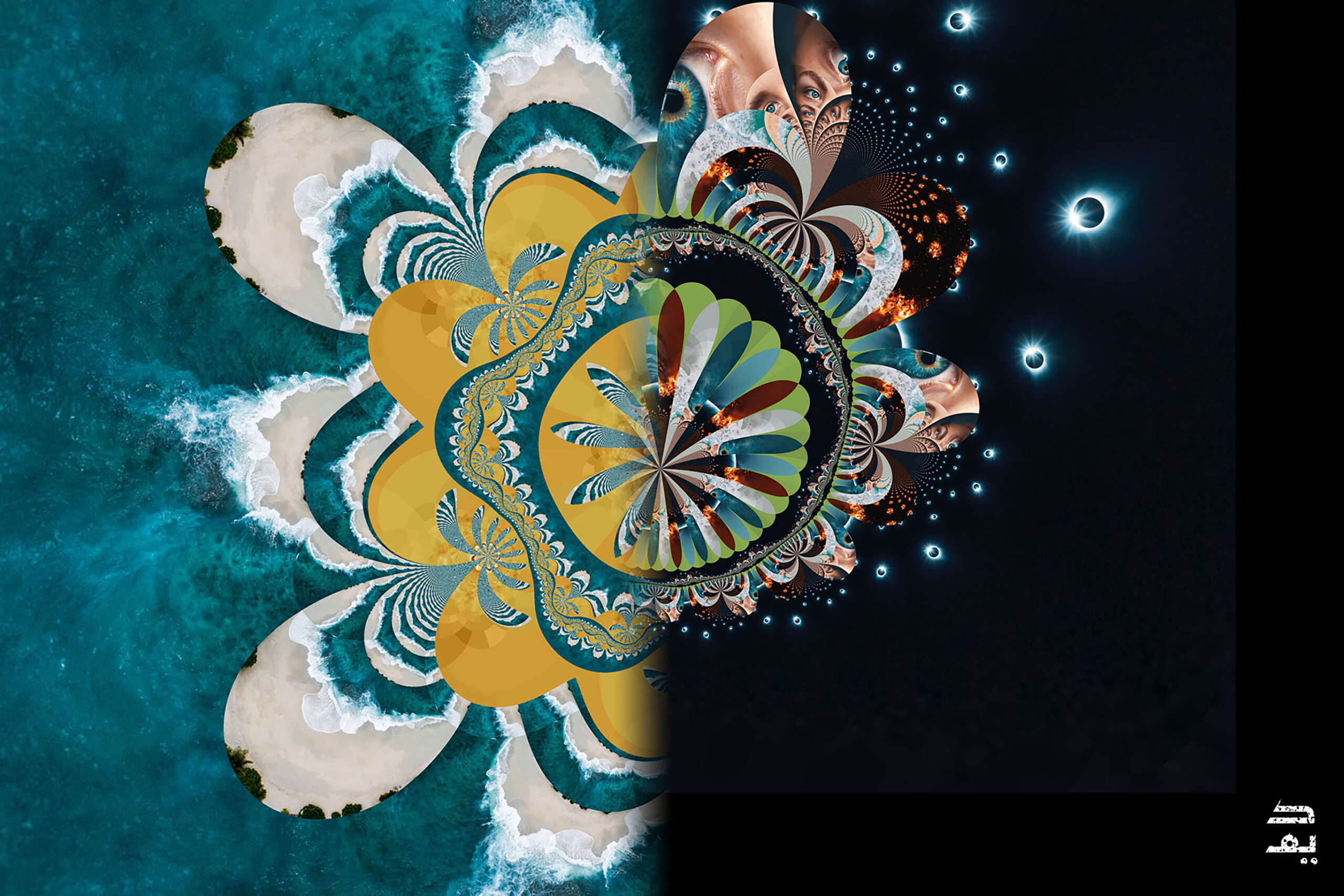
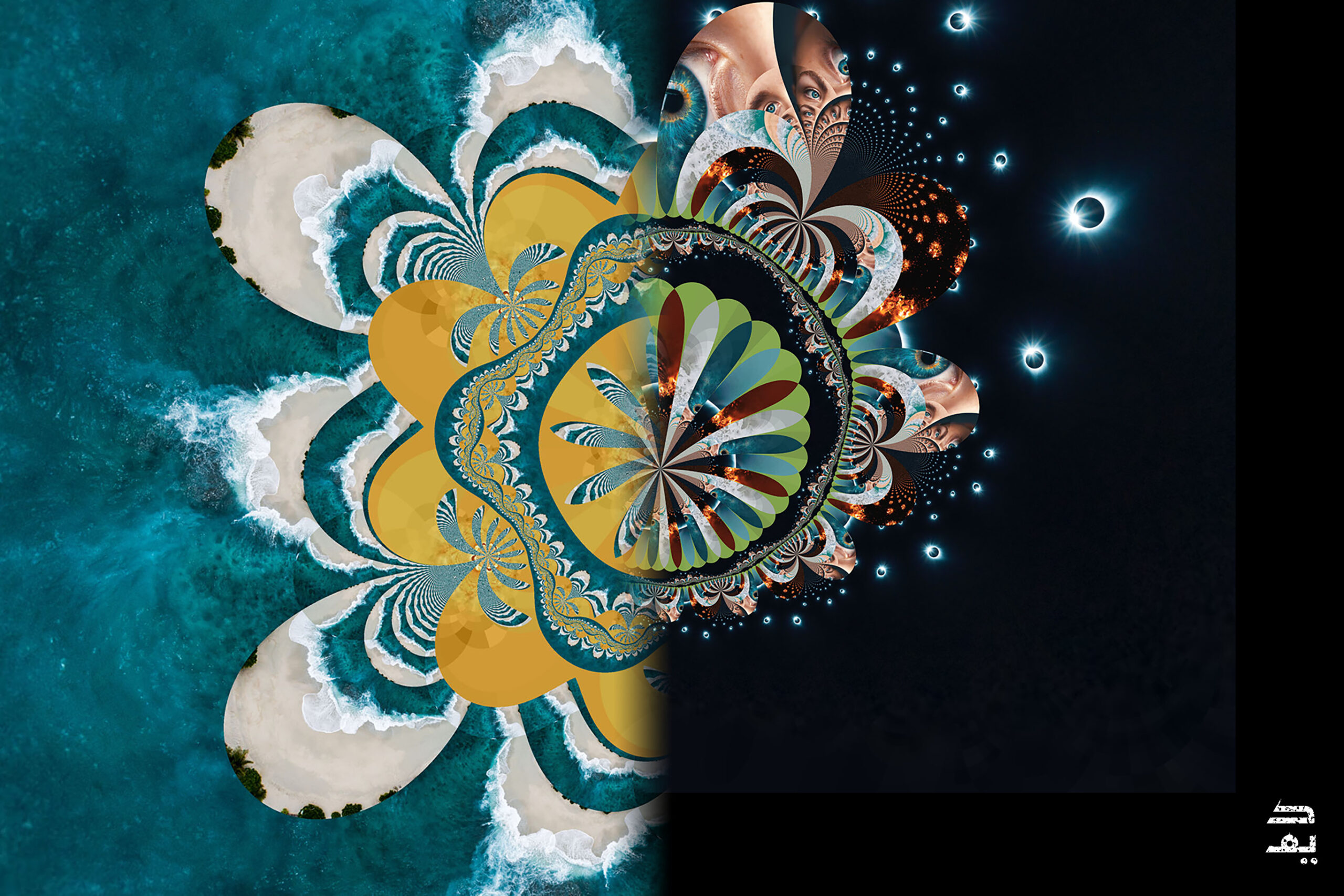
In 2016 he created Revolution, an apeirographic montage commemorating the 60th anniversary of Hungary's 1956 uprising, which was purchased by the Hungarian government after being shown at the Consulate General of Hungary in Toronto.His more recent work folds in AI and GAN-assisted imagery toward what he calls “critical mythographies” that interrogate contemporary narratives, shown internationally in Hungary in 2021, at the “Dakar Biennale” in Senegal in 2022, and in Japan in 2025.,