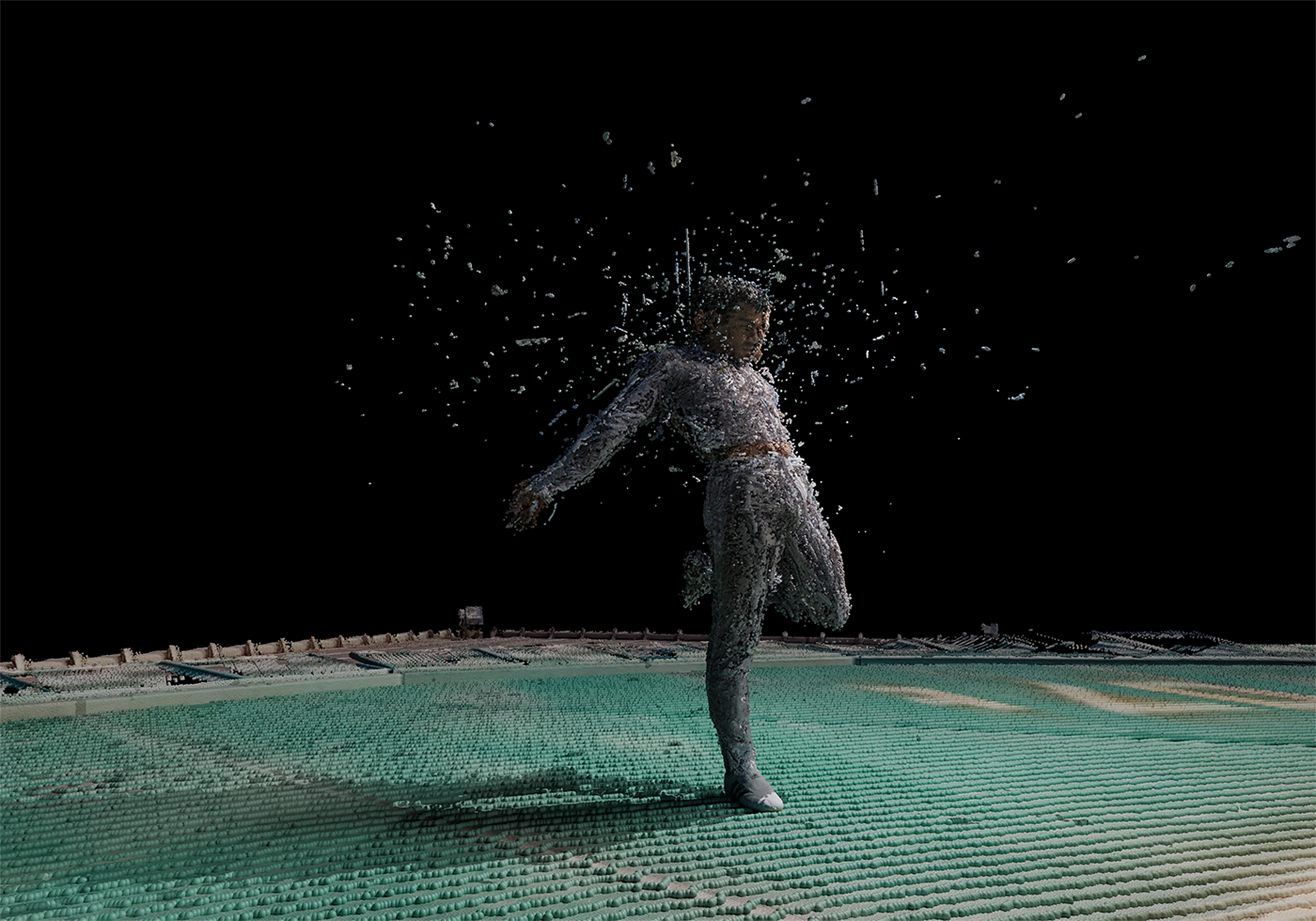
Clement Valla is an artist whose work examines how computers see, generate and reproduce images.,He collects images produced by mapping algorithmsand reconstructs museum objects and architectural fragments through photogrammetry and 3D scanning, exposing the computational systems behind them.,He lives and works between New York and Providence, Rhode Island.
In 2009 he had custom software recreate a Sol LeWitt drawing and posted its instructions to Amazon's Mechanical Turk service, so paid online workers redrew it for five cents each, in Sol LeWitt + Mechanical Turk.From 2011 he used the Mechanical Turk platform again for Seed Drawings, in which a single drawing was copied by a chain of workers, each paid five cents to redraw the previous worker's version, so the images mutated like a game of telephone.In 2012 he extracted the symbols that recurred most often across those copies into Mechanical Turk Alphabets, printed with a pen plotter.
Around the same time, Valla began collecting screenshots from Google Earth, drawn to moments where buildings and bridges appeared to float or invert because the aerial photography did not align with the underlying 3D terrain model. He treated the results as the logical outcome of Google's mapping system rather than as errors, publishing them as large-scale prints in The Universal Texture and, reworked as postcards and postcard racks, in Postcards from Google Earth.,Both series were shown in 2013 at Bitforms Gallery in New York in the group exhibition “PostPictures”, alongside work revisiting earlier traditions of appropriated and mass-media imagery.
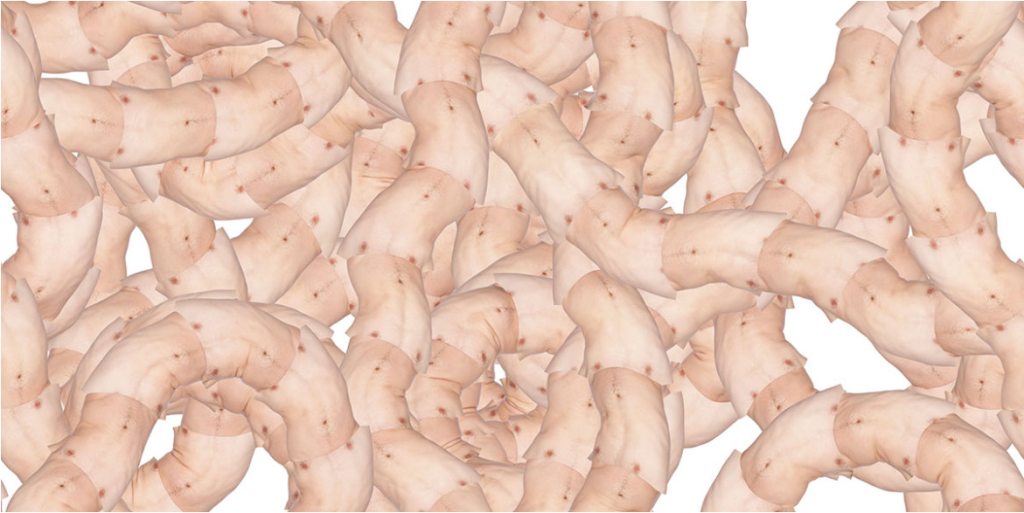
In Surface Survey, 2014, he collected the intermediate digital fragments produced when photogrammetry software converts photographs of objects at the Metropolitan Museum of Art into 3D models, presenting the resulting images and 3D-printed sculptures as an archaeology of the software's own process.The following year, in Surface Proxy, he applied the same process to Medieval French architectural fragments held in New York and Providence museum collections, wrapping inkjet prints of the scans around CNC-milled foam sculptures to blur the line between an image and the object it depicts.
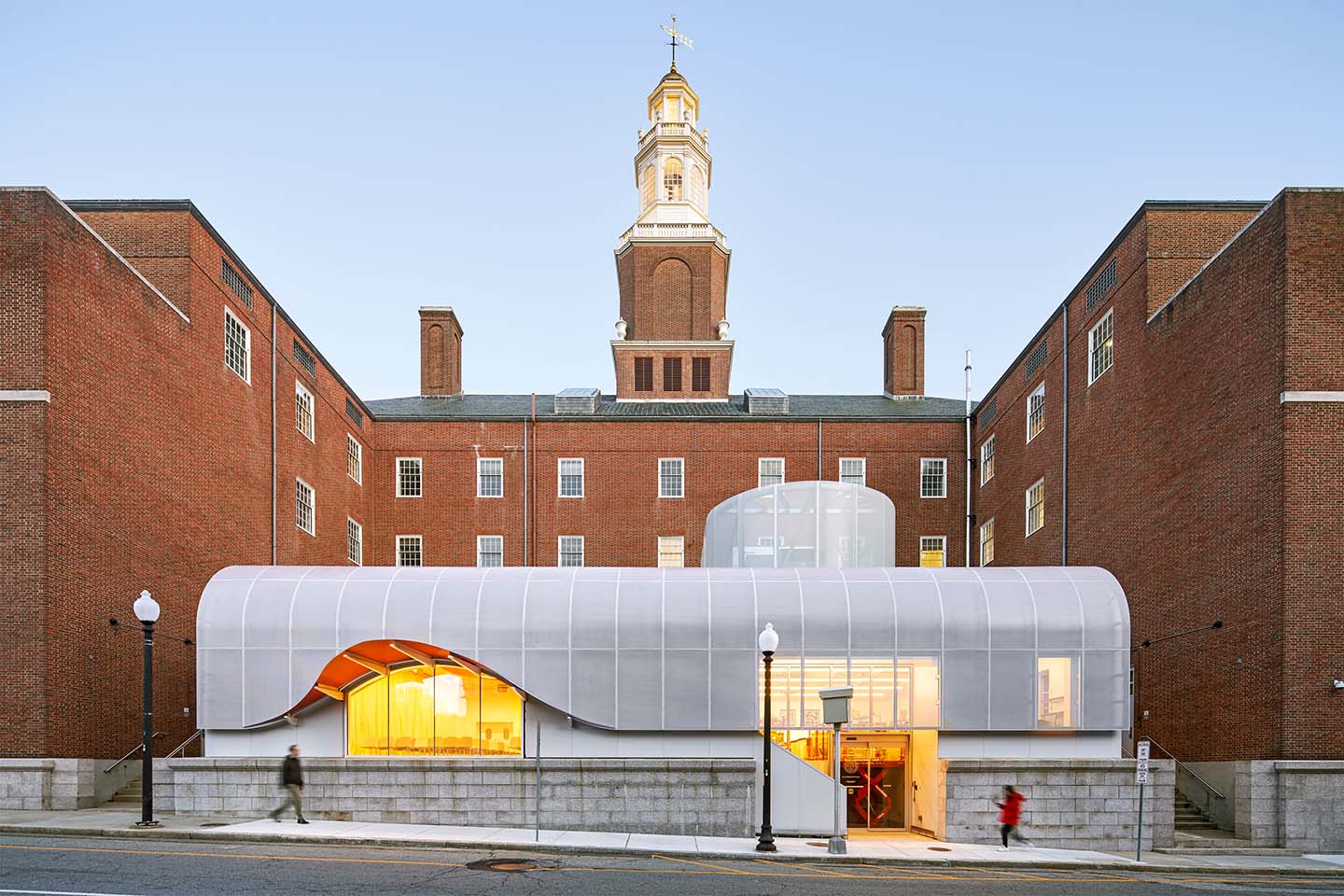
A longtime professor at the Rhode Island School of Design, Valla was a central advocate for its Computation, Technology and Culture department, launched in fall 2025 while he served as dean of Experimental and Foundation Studies.In 2025 Google Arts & Culture commissioned him alongside artists including Refik Anadol, Casey Reas and Trevor Paglen for “Art + AI”, which opened at the company's Gradient Canopy building in Mountain View, California, in January 2026.,