Casey Reas (American, b. 1972) is a software artist who writes custom code that generates images, prints, and installations, treating the system of instructions, not any single output, as the artwork.His practice draws on conceptual and instruction-based art, particularly the wall drawings of Sol LeWitt, treating written rules as central to the work.In 2001 he co-created the open-source programming language Processing with Ben Fry.,
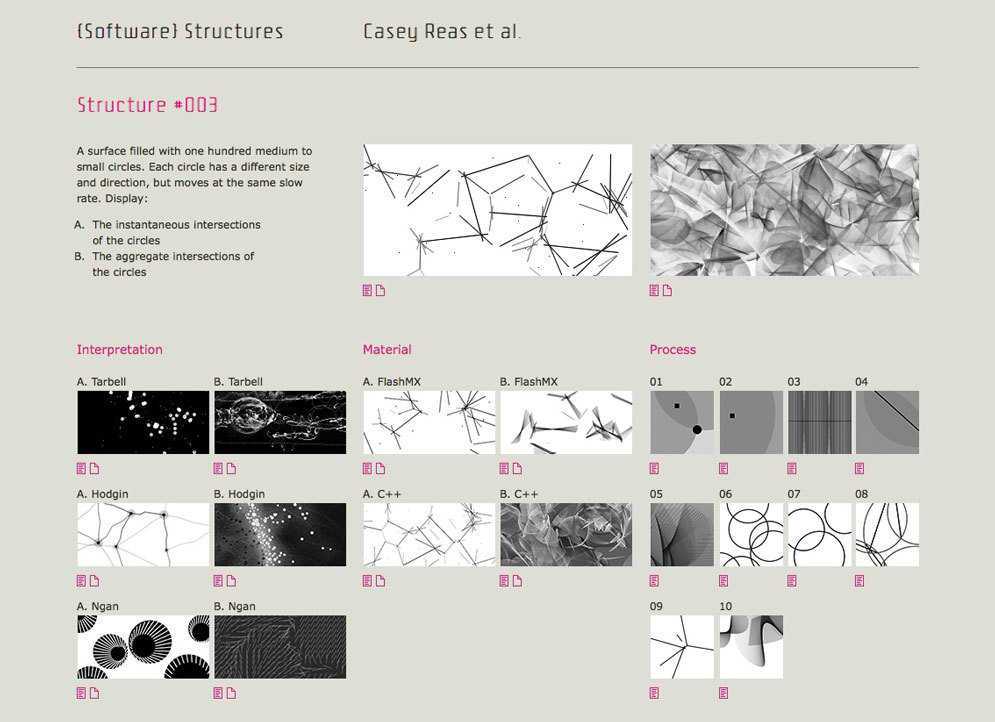
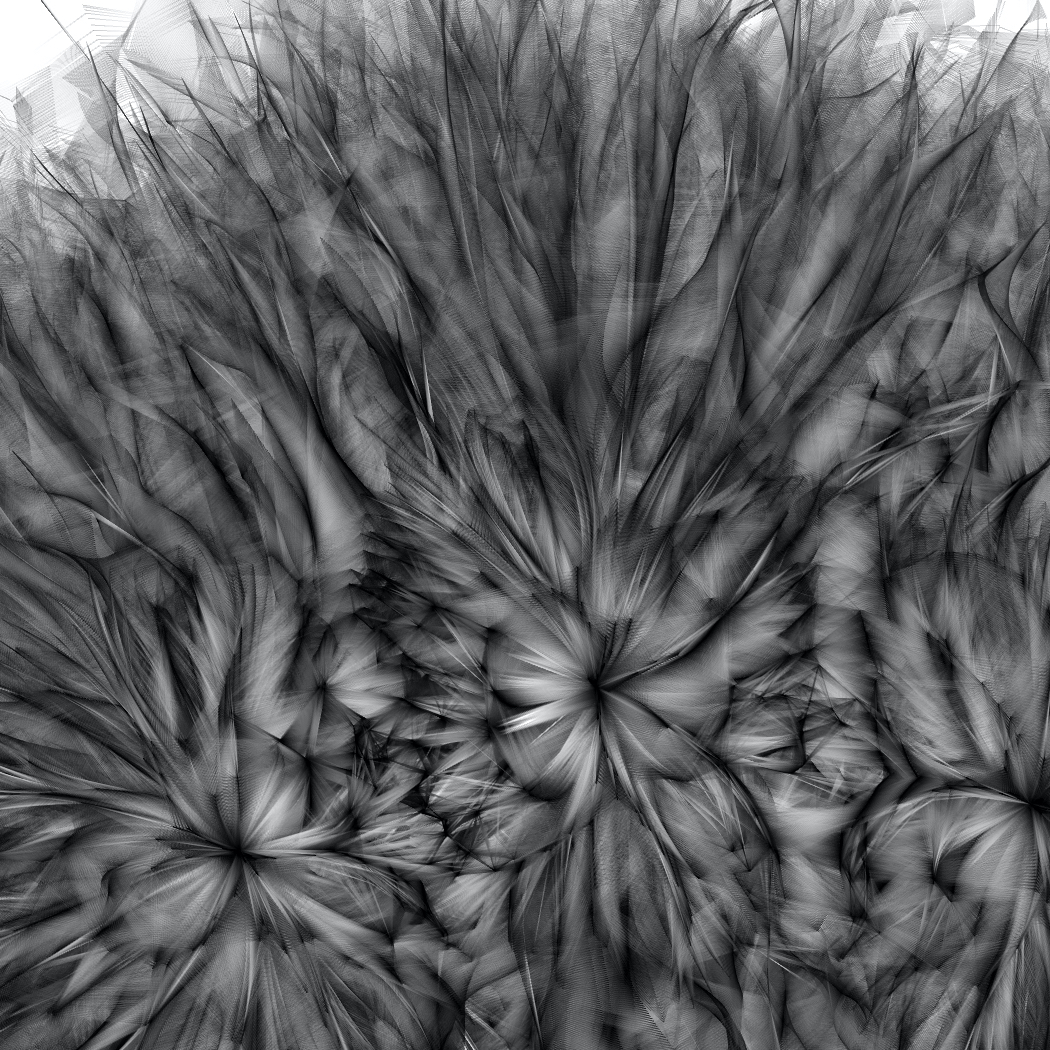
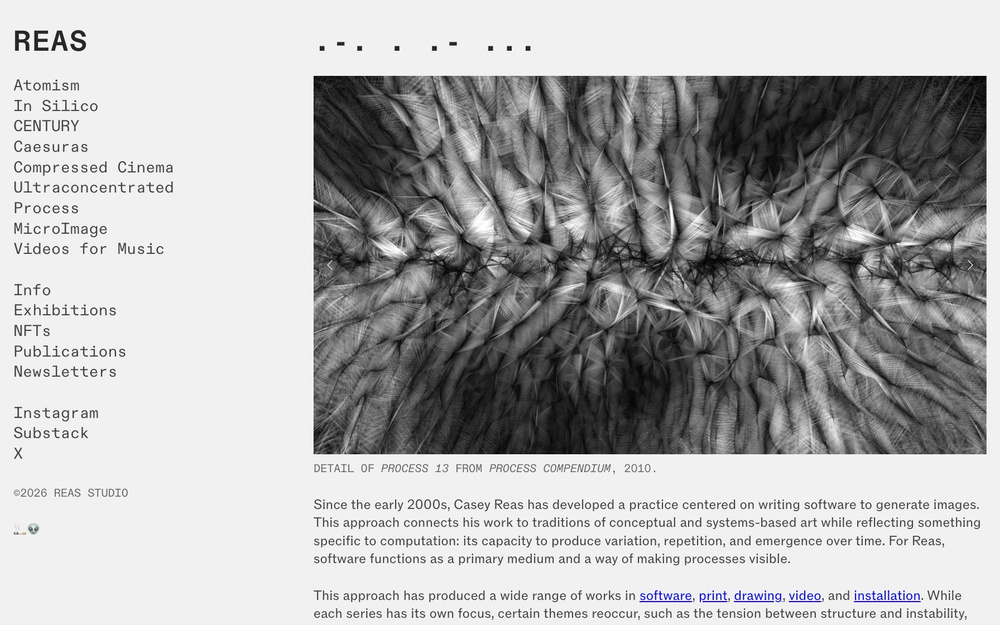
He moved to Los Angeles in 2003 to teach as a Professor of Design Media Arts at UCLA.In 2004 the Whitney Museum's artport commissioned Software Structures, for which Reas translated three of LeWitt's wall drawings into written rules after asking whether conceptual art's history was relevant to software as art.,Working with Jared Tarbell, Robert Hodgin, and William Ngan, he coded twenty-six software pieces from those rules, restoring the project in 2016 so it would run in current web browsers.From 2004 to 2014 he developed Process Compendium, defining Elements composed of Forms and Behaviors whose relationships he specified in text before coding them into drawing systems.,He has described the series as the first time he built an entire visual system from nothing, working on it intensively for seven years.
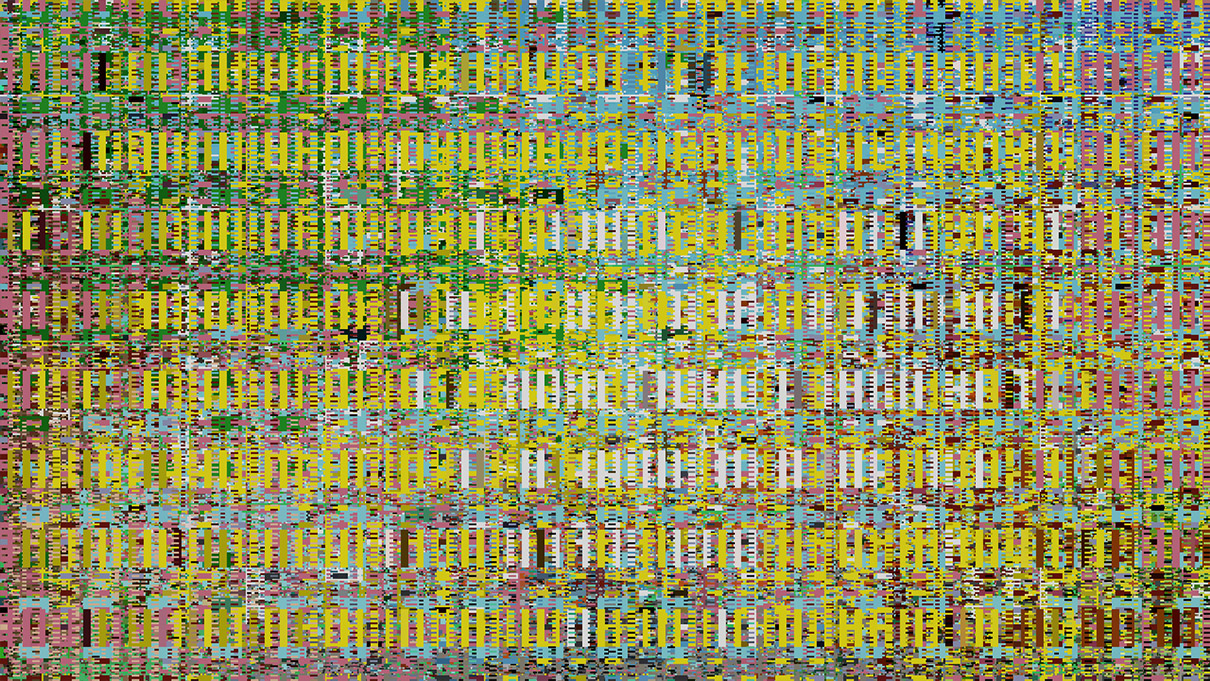
Beginning in 2012 with an exhibition at DAM Gallery Berlin, Reas developed CENTURY, an ongoing series reimagining the abstraction of artists such as Ellsworth Kelly, Jesús Rafael Soto, and Vera Molnár through generative software.In the same period he began algorithmically distorting broadcast television images into abstractions that keep traces of their source,a technique explored in the Ultraconcentrated series shown at bitforms gallery in New York in 2013.In 2014 Landmarks at the University of Texas at Austin commissioned A Mathematical Theory of Communication, a two-wall mural named after Claude Shannon's 1948 paper on information theory and developed from that same body of work.
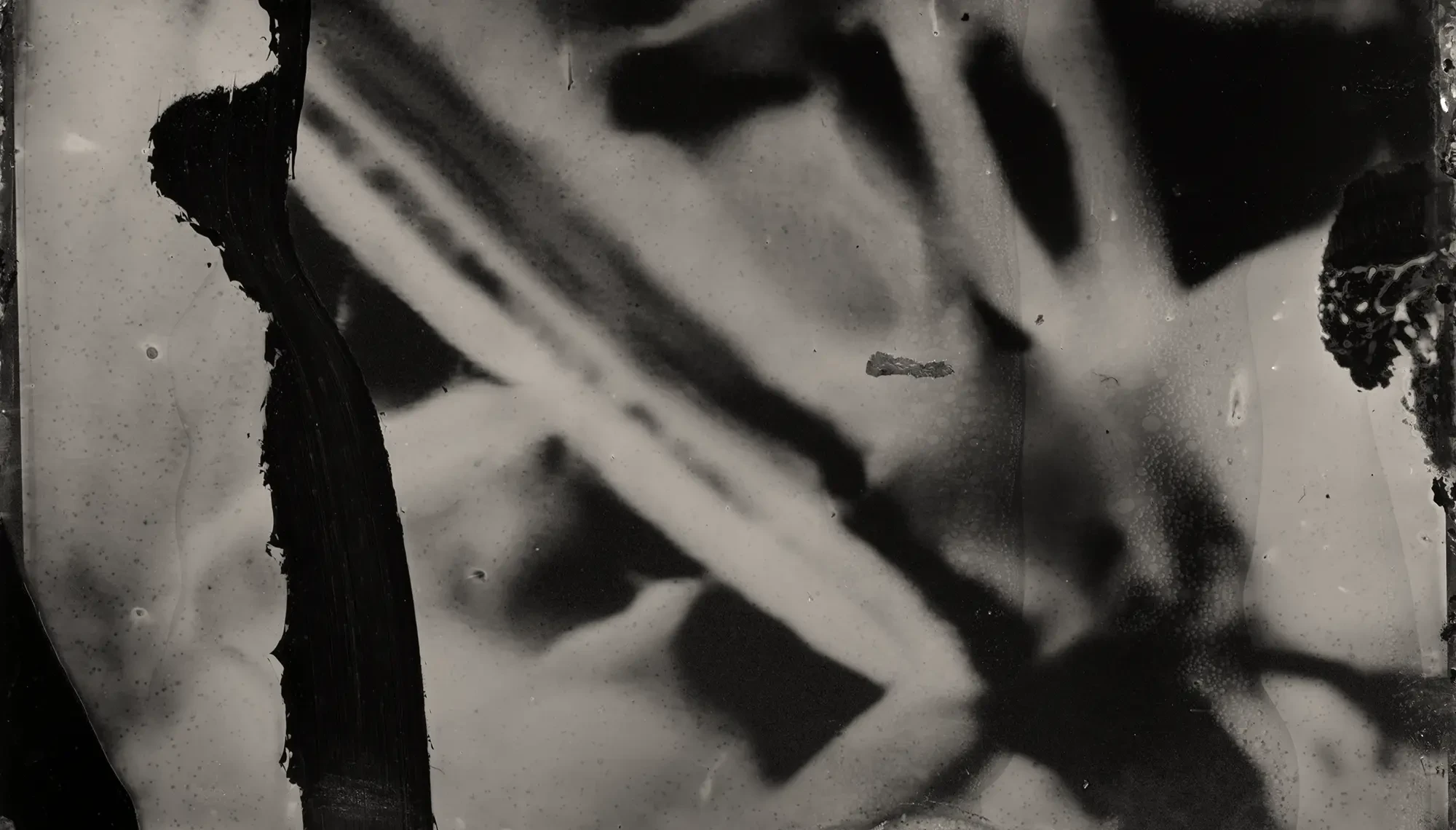
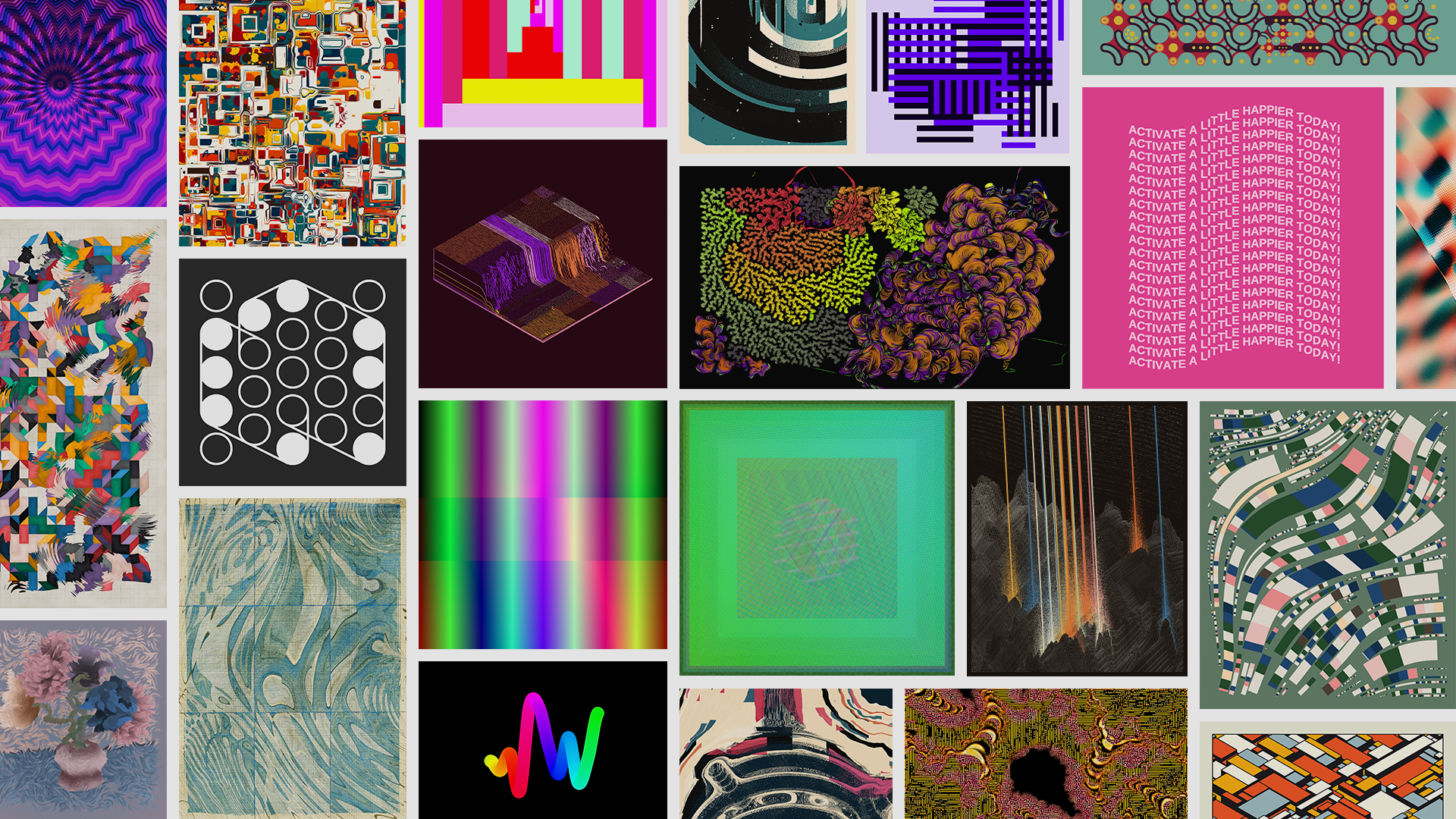
In 2020 Reas co-created Feral File,an online platform for exhibiting, selling, and collecting digital art.For the LACMA exhibition “Coded”, he made An Empty Room in 2023, responding to Victor Vasarely's unrealized 1971 proposal for a generative light installation there.,He extended that work into 923 Empty Rooms, a long-form generative collection released with Art Blocks and Bright Moments in 2023 whose 923 outputs combine six city-linked shapes and colors.,His 2024 solo exhibition with Unit London, “Wet and Saturated Process”, paired generative adversarial network images of foraged plants with wet-plate collodion prints made with Erika Weitz,,continuing into the ongoing In Silico series.