Beatriz Helena Ramos (Venezuelan, b. 1971) is a digital artist and entrepreneur who founded DADA.nyc, a visual conversation platform where members respond to each other's drawings, which grew into one of the earliest crypto art communities.,A self-described anarchist, Ramos has argued that NFTs traded crypto art's early utopian promise for market speculation, and has worked instead to build an alternative, equitable creative economy for artists.,
Ramos was born in Caracas, Venezuela, studied illustration at the Instituto de Diseño de Caracas, and ran a brick-and-mortar comic book store before moving to New York in 1996.,In New York she began working as a digital colourist on comics, and by 1997 was publishing editorial illustrations for The New York Times and had joined MTV Animation.She went on to work on animated series for Disney, MTV and Cartoon Network, including Teenage Mutant Ninja Turtles, before founding Dancing Diablo Studio, a Brooklyn animation and production company with a sister office in Caracas, in 2002. As its creative director, Ramos directed more than a hundred commercials and short films, and in 2009 the studio received Emmy recognition for its contribution to the Emmy-winning PBS series Between the Lions.
In 2012 Ramos was accepted into the Founder Institute startup incubator, and by the end of the program had founded DADA.nyc, a platform where members converse visually by responding to each other's drawings. She has said she created DADA because “there wasn't any space in the internet that was made in the artists' terms”.
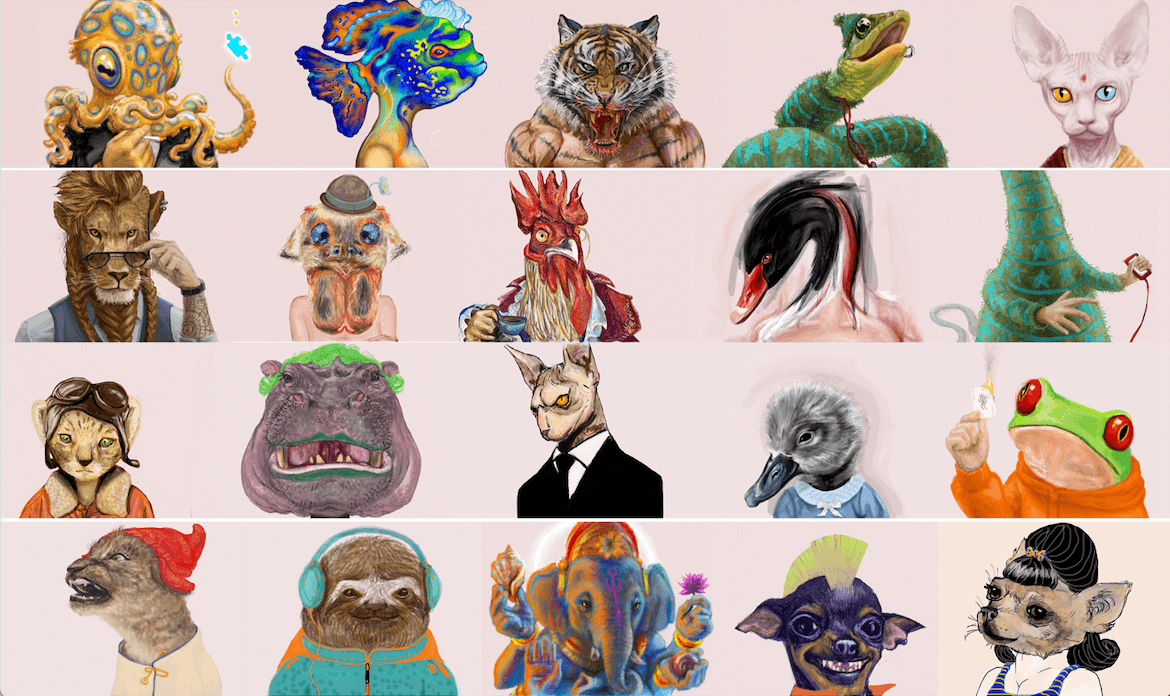
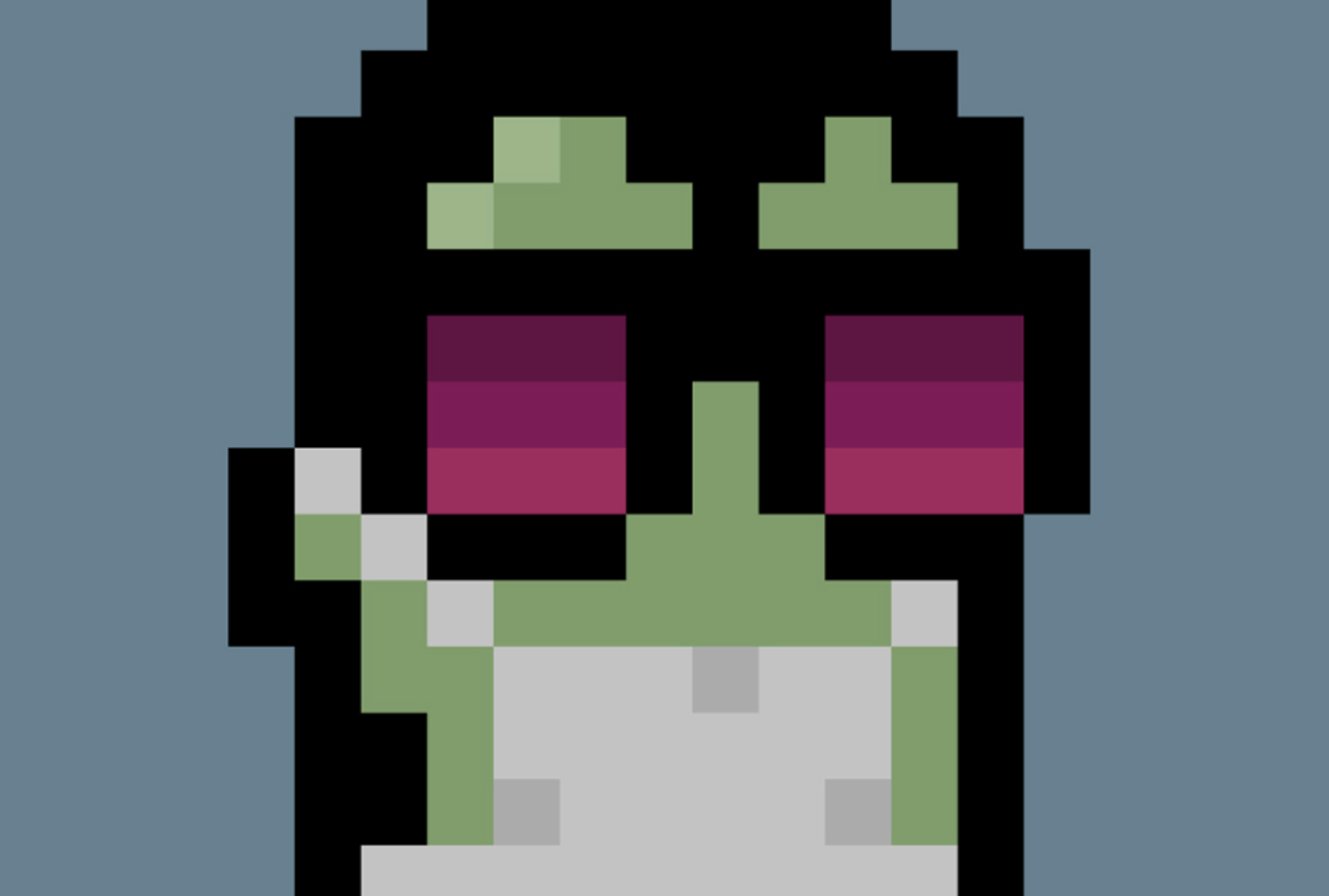
DADA released the collection Creeps and Weirdos in 2017, about a month before CryptoKitties launched.Ramos and DADA co-founder Judy Mam were present the following year at the Rare Art Festival in New York, where the auction of HOMERPEPE marked what Ramos has called the moment crypto art was born as a movement.,Looking back, Ramos has said the festival left a split legacy, catalysing the NFT movement's early creative ferment while also setting it on a path that became driven mostly by market speculation.
With Judy Mam, Ramos articulated The Invisible Economy in 2020, a model built on what they called a “radical separation of art and the market”, in which value created by the DADA community is shared collectively rather than distributed as individual payments. One outgrowth of the model is regrò, a program through which DADA channels funds to artist-farmers such as Serena Stelitano in Italy and Simon Wairiuko in Kenya who are developing regenerative land practices.