BCI Can Do Better is the working name of Nathan Copeland, a quadriplegic artist who creates his work using only brain signals captured through a brain-computer interface (BCI). A 2004 car accident left him quadriplegic, and for more than a decade he has used a brain-computer interface implanted as part of a research study at the University of Pittsburgh.
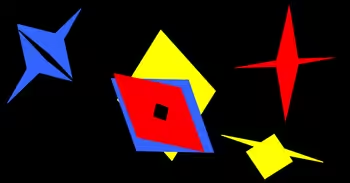
Four micro-electrode arrays implanted in his motor and sensory cortices let him control a robotic arm and receive sensory feedback, and he has also used the same system to operate a computer cursor for drawing programs and video games. During the COVID-19 quarantine he began exploring digital art through the interface, drawing what he calls “the first cat drawn using a brain-computer interface”, which he then sold as an NFT he describes as “the first NFT created and sold by a cyborg”.