Ann Hirsch (American, b. 1985) works across video, performance, and installation to examine how gender, sexuality, and identity are represented and performed online and in popular culture.,Her early practice moved from largely online work into durational performances, including gaining popularity as a YouTube “cam whore” and appearing on reality television, later deconstructed through further artworks and writing.She has been called “the godmother of internet girlhood”.
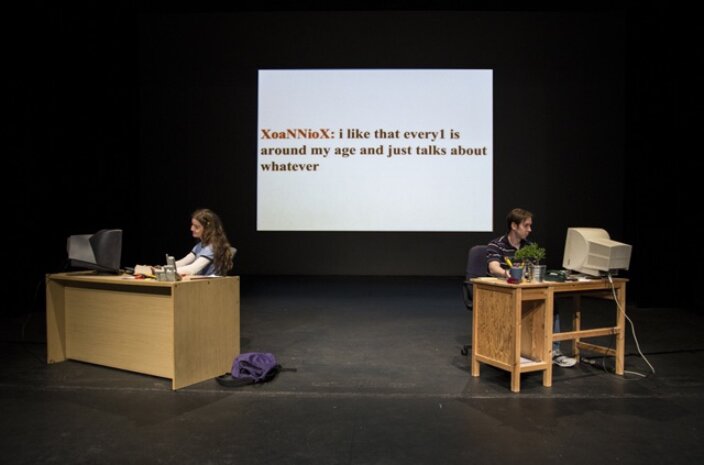
Hirsch's early work centers on three projects the artist has described as her own “greatest hits”: The Scandalishious Project (2008-09), Here for You (Or My Brief Love Affair with Frank Maresca) (2010), and Twelve (2013). For The Scandalishious Project, she posted more than 100 videos over two years to a YouTube channel as the character Caroline, combining the tropes of the geek, the oversharer, and the provocative dancer to undermine stereotypes of young women online. Here for You (Or My Brief Love Affair with Frank Maresca) was drawn from her 2010 appearance on a reality television show as one of fifteen women competing for a male contestant, a role she disrupted by performing an explicit rap song that got her removed from the show. Twelve, an interactive iPad application, narrates a twelve-year-old girl's online relationship with an older man, based on Hirsch's own adolescent experience in a mid-1990s chat room.
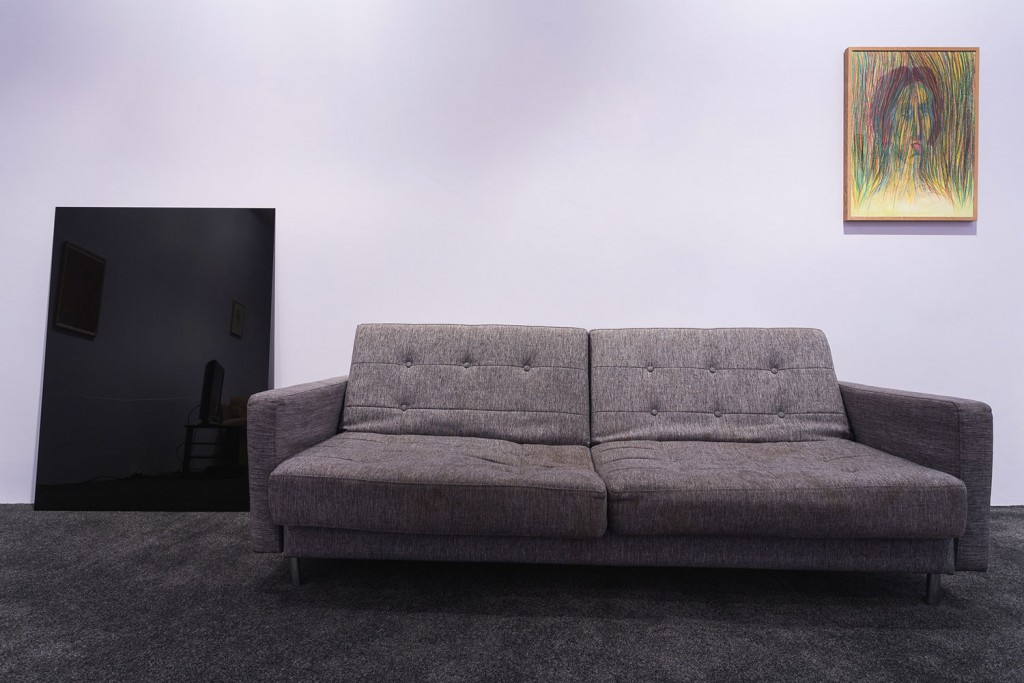
In 2014, her soft, stuffed-animal works Hypochondriac and Envy evoked student housing and screen-based friendships, shown the following year in the group show “Our House in the Middle of Your Street” at Life Gallery, London.She also contributed the two-channel video Dance party just us girls to “Body Anxiety”, an online exhibition curated by Leah Schrager and Jennifer Chan, pairing footage of a woman dancing with an image of moving genitalia rendered as a talking face.
With Maya Man, Hirsch has produced the GAN-processed collections Ugly Bitches (2023) and Little Darlings (2024). Both borrow the collaging instincts of trait-based collectible culture while refusing its trait logic. Ugly Bitches composites Bratz, Barbie, and internet-girlhood dolls against DALL-E-generated influencer backdrops, its deliberately “ugly” aesthetic conceived as a critique of collections such as World of Women that packaged femininity as a polished collectible virtue. Little Darlings runs a parallel game with masculinity, its Stable Diffusion-generated figurines posed in video-game and action-movie settings.Released as a 500-piece collection on Verse,Ugly Bitches layers its images with text drawn from Instagram comments, algorithmically bending saccharine praise into sideways insults.