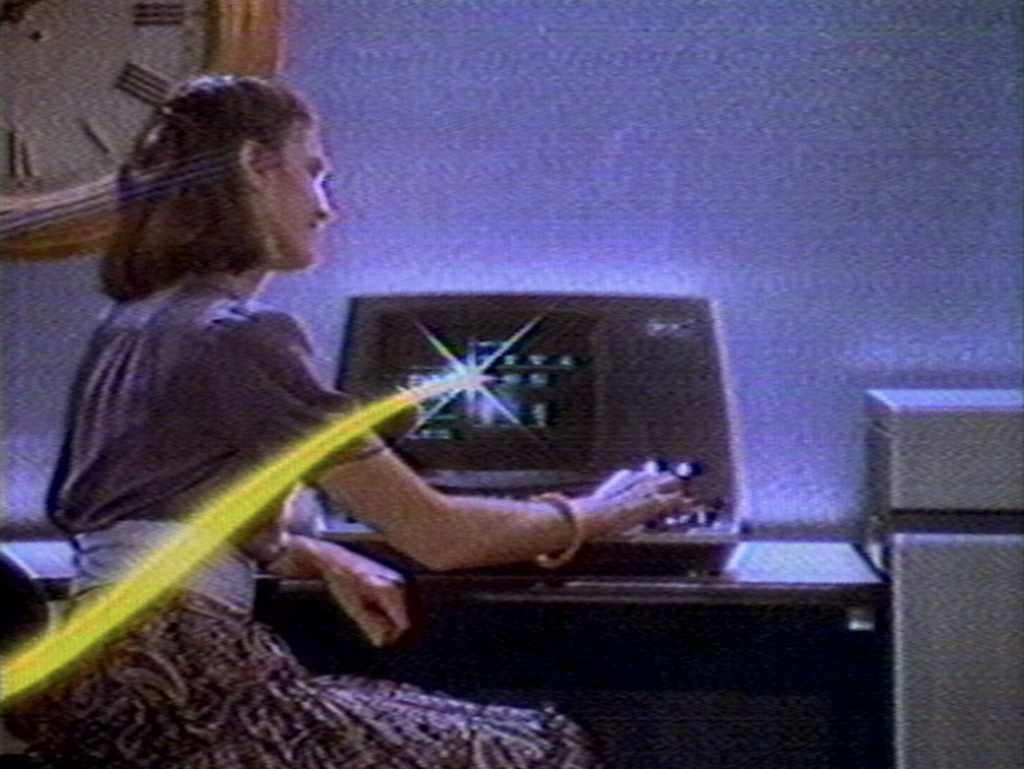
Analívia Cordeiro (Brazilian, b. 1954) pioneered computer-choreographed dance, using code to translate human movement since the early 1970s.Her 1973 work M 3x3, created on a PDP-11 computer at the State University of Campinas, is generally regarded as the first work of video art made in Brazil.,
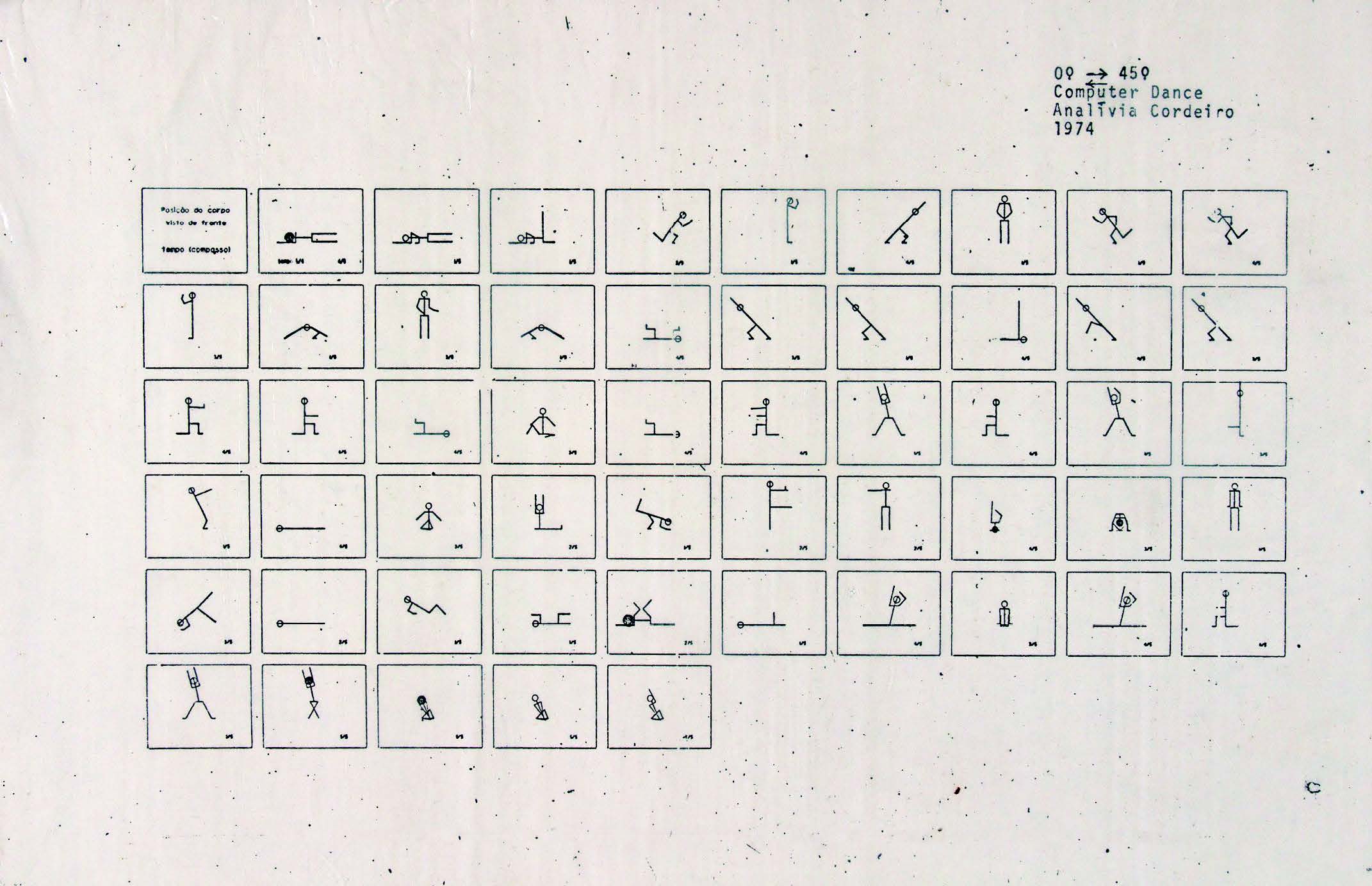
Her father, Waldemar Cordeiro, a leader of Brazil's concretist movement, showed her art and paintings from an early age.In 1971 the mathematician Vladimir Bonačić came to Brazil for the Arteônica exhibition organized by her father and taught Cordeiro, then 17, about using random choice in her work.In the 1980s and early 1990s, Cordeiro worked with the engineer Nilton Lobo to develop Nota-Anna, a notation system that registers the trajectory of body movement in space and time and displays it on screen.Her early trio of computer-choreographed works, M 3x3 (1973), 0=45 (1974), and Cambiantes (1976), were made against the backdrop of Brazil's military dictatorship.
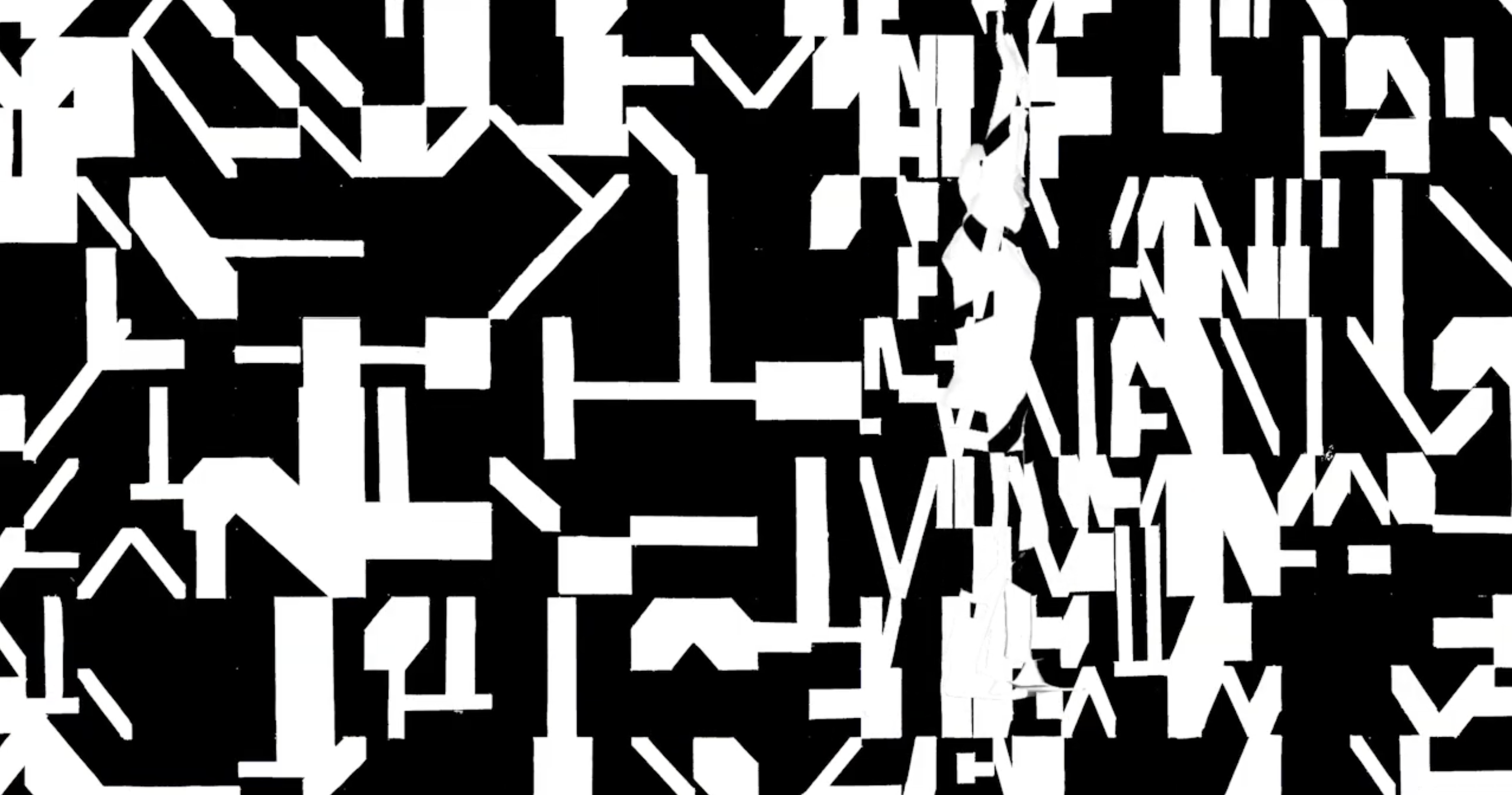
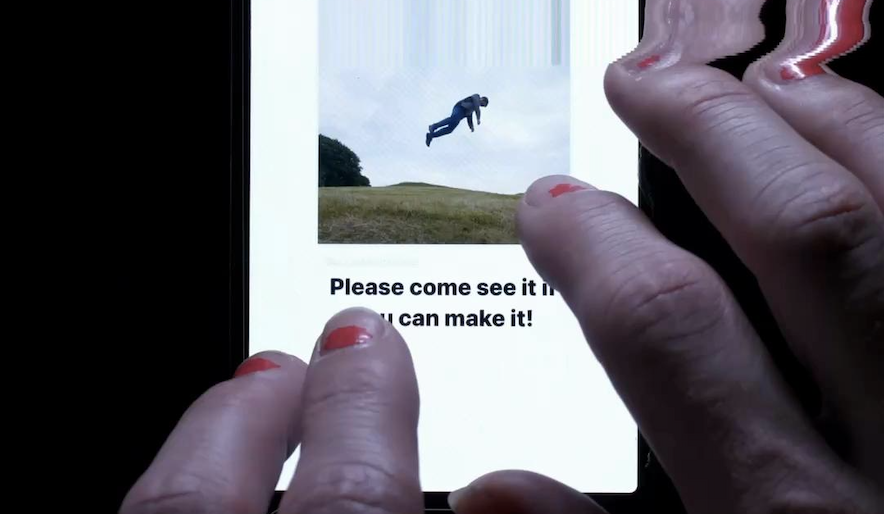
In 2007, Cordeiro made Unsquare Dance with the computer graphics researcher Luiz Velho at Rio de Janeiro's Instituto Nacional de Matemática Pura e Aplicada, controlling the color and shape of light projections through a dancer's movement.Following the rise of crypto art in the early 2020s, Cordeiro returned to prominence with MUTATIO (2024), a live installation made with Nilton Lobo that motion-captures a viewer's movement and arranges it on a randomized geometric structure.,At the fair, the poet Sasha Stiles wrote of “dancing with Analivia Cordeiro's interactive piece at the Objkt space”.In 2025, Cordeiro and Lobo launched BodyWays, an app that lets users capture their own movements and share them with customizable colors and backgrounds.Younger generative artists have drawn on this lineage: Operator's Art Blocks project Human Unreadable traces its roots partly to Cordeiro's computational choreography.
Cordeiro's early work was shown internationally, including at the 12th “Bienal de São Paulo” in 1973 and the Institute of Contemporary Arts in London in 1974. In 2015 she received the Premio ARCOmadrid/BEEP de Arte Electrónico for M 3x3.Her work has since appeared in the group shows “Radical Software: Women, Art & Computing 1960–1991” at Kunsthalle Wien and Mudam Luxembourg, and “Coded: Art Enters the Computer Age” at LACMA, where she performed.,In 2025, bitforms gallery presented “Freedom”, a solo survey of her five-decade practice spanning early computer notation, plotter programming, motion capture, and generative processes.That year her historic work also appeared alongside new pieces by younger artists in “FEMGEN” in Paris, exploring coded identity and femininity in a posthuman age.