Alkan Avcıoğlu (Turkish, b. 1982) is an AI post-photography artist whose work reduces crowds, screens and industrial landscapes to dense fields of data as a way of questioning photographic reality.,,Before turning fully to AI art in 2022, he built a multidisciplinary career spanning film criticism, film festival curation, DJing and movie poster design.
He holds a master's degree in Film Studies and pursued a doctoral program in Communication Sciences, lecturing on narratology while researching semiotics and art theory. He worked for more than fifteen years as a FIPRESCI member film critic, curated the Hidden Gems section of the Istanbul International Film Festival, and spent over a decade in theatrical distribution and film acquisitions.,Alongside this he worked as a DJ and composer of electronic music,,designed more than a hundred movie posters as a creative director,,and began making digital paintings in 1999, a practice that grew into thousands of works over the following two decades.
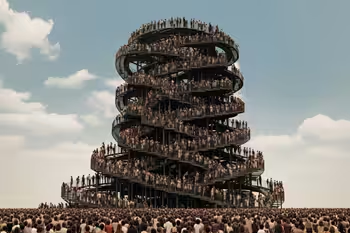
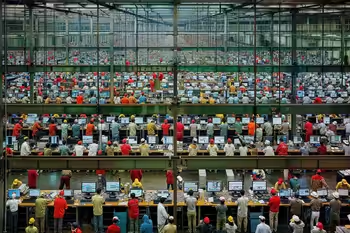
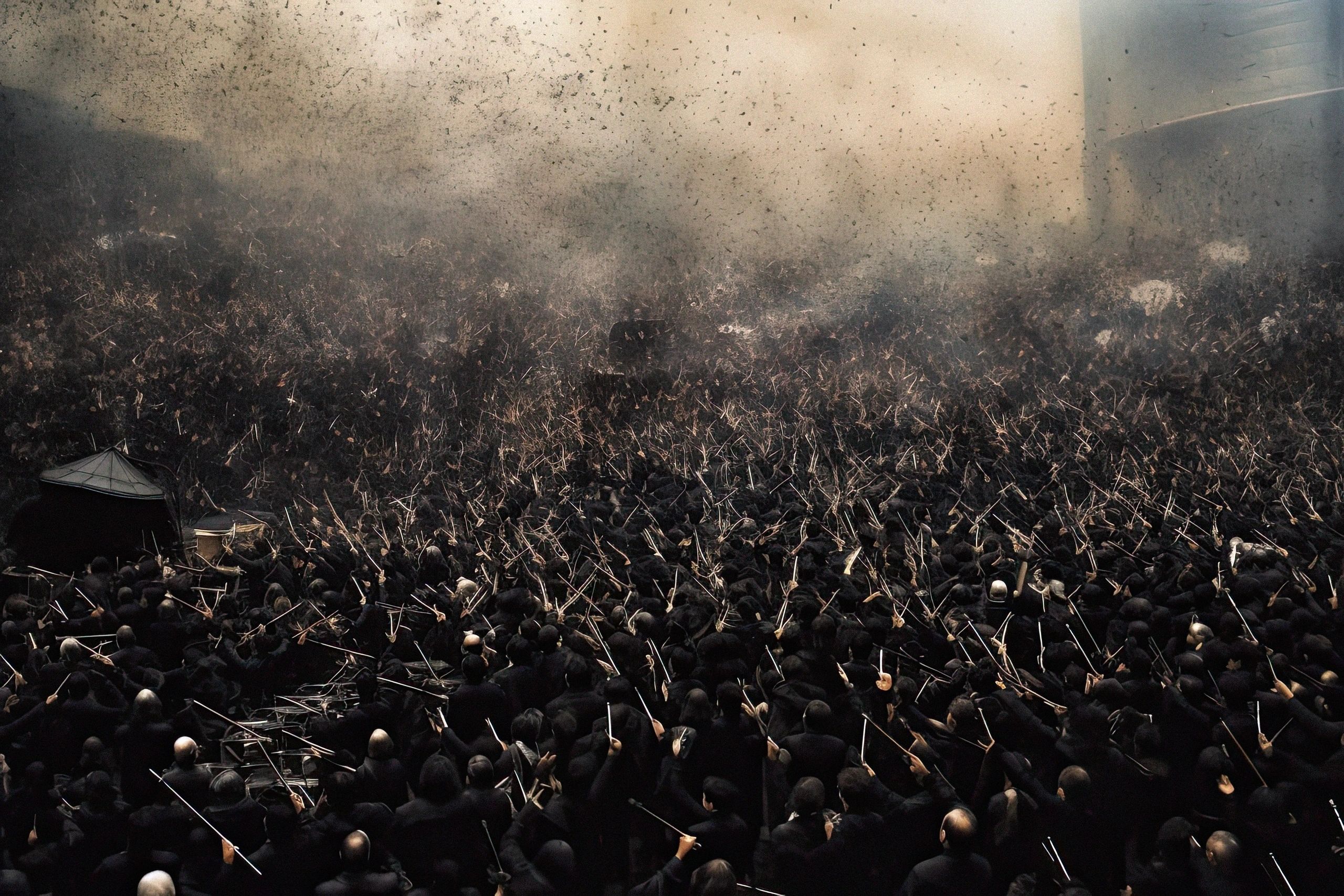
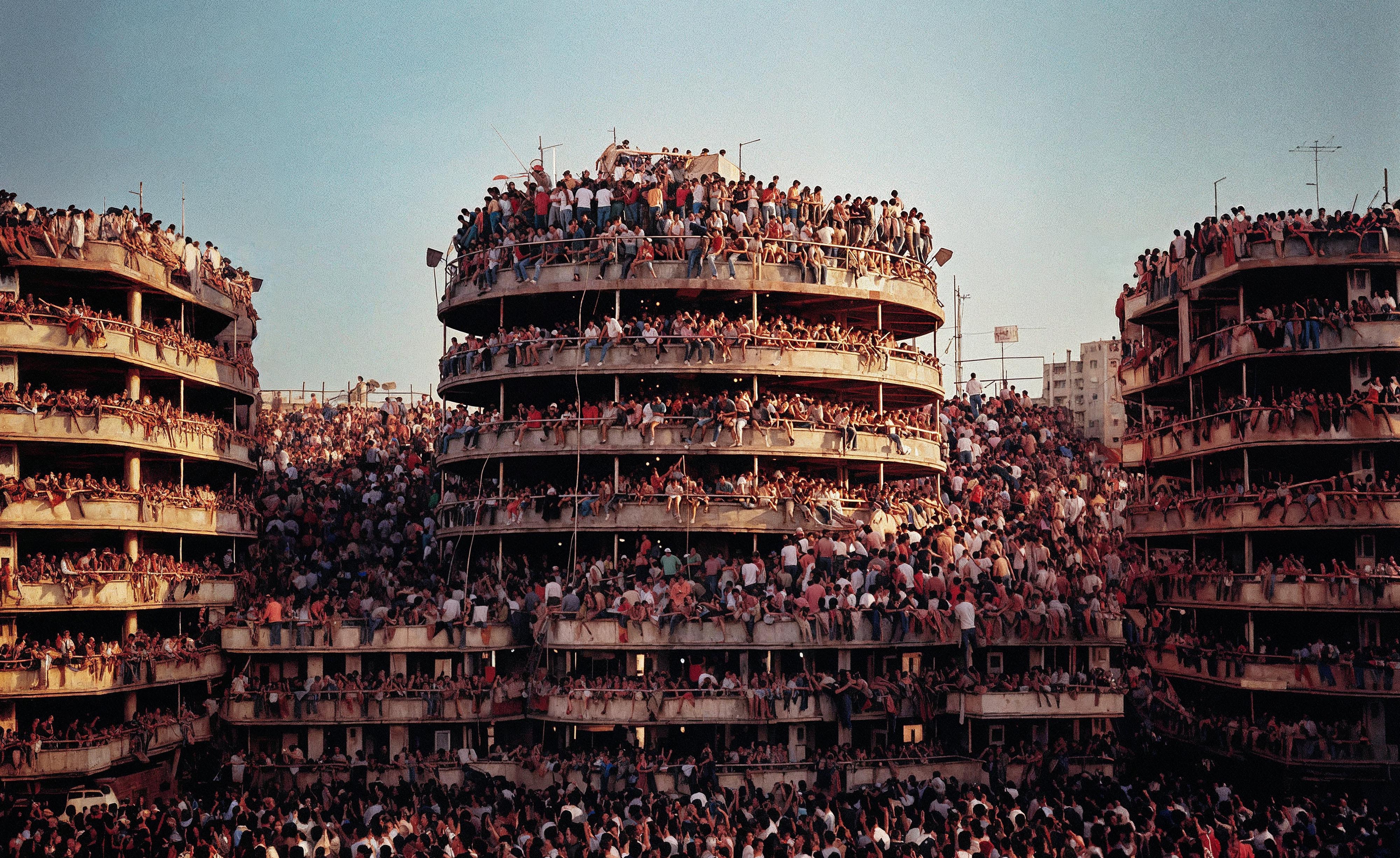
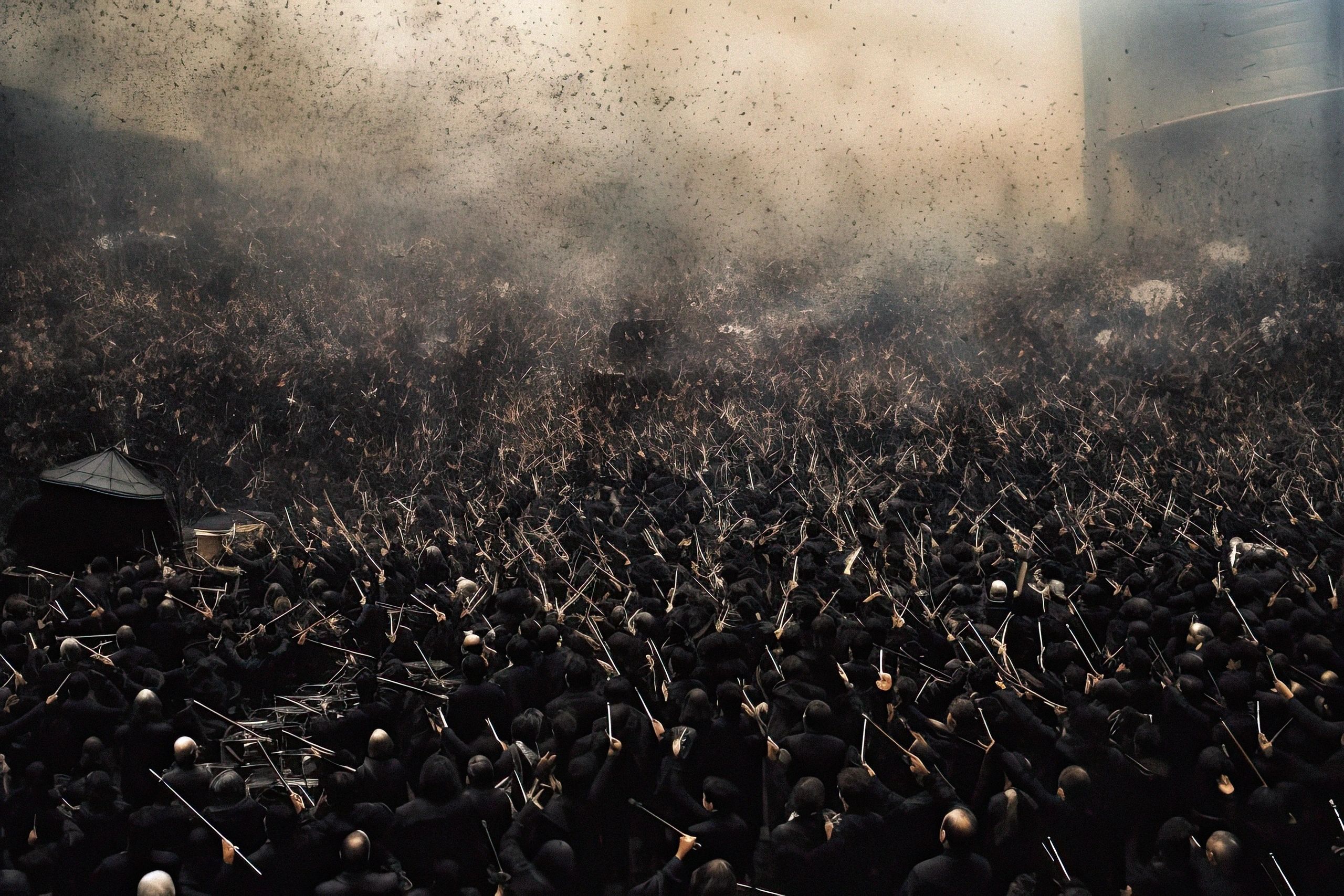
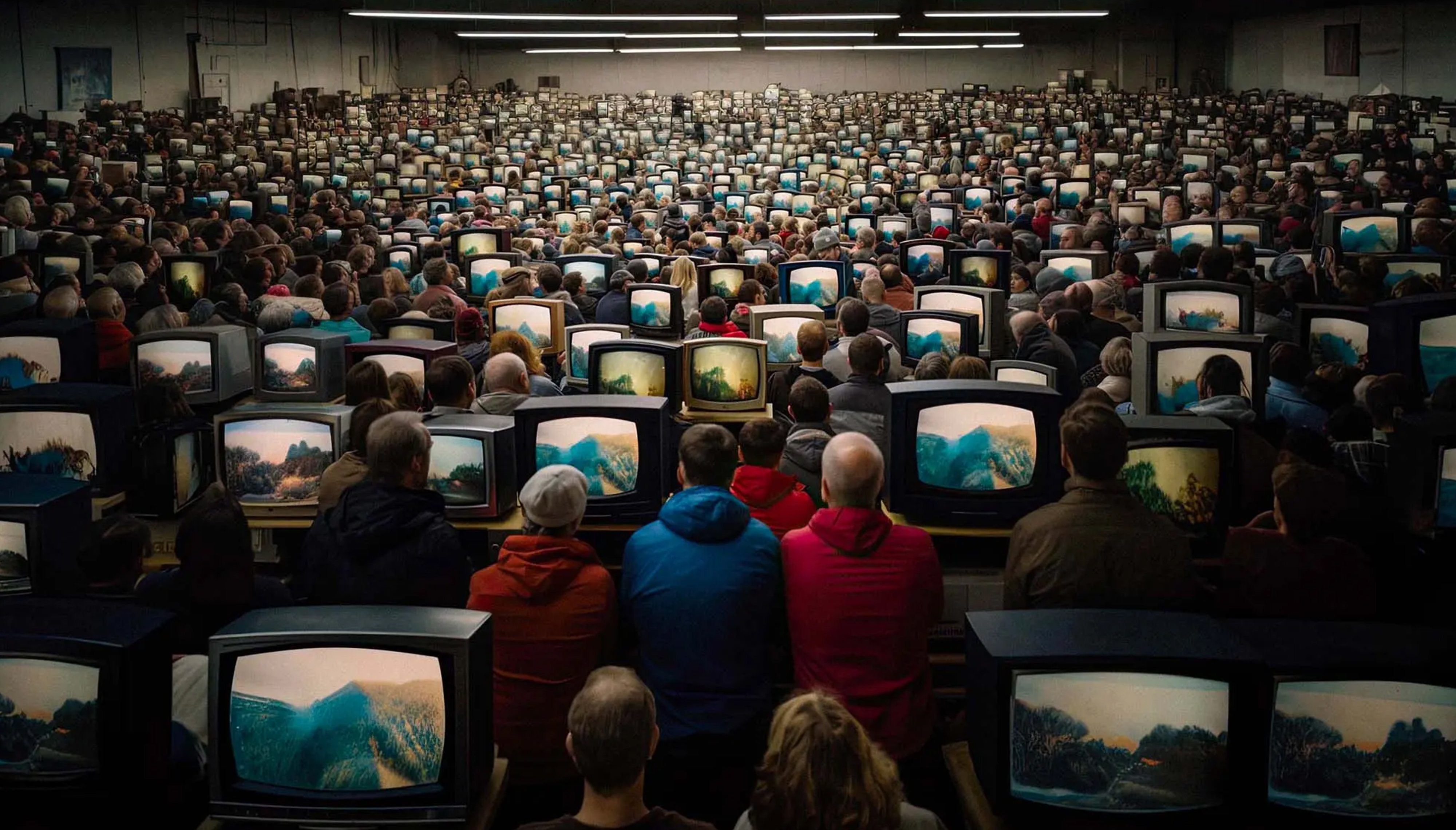
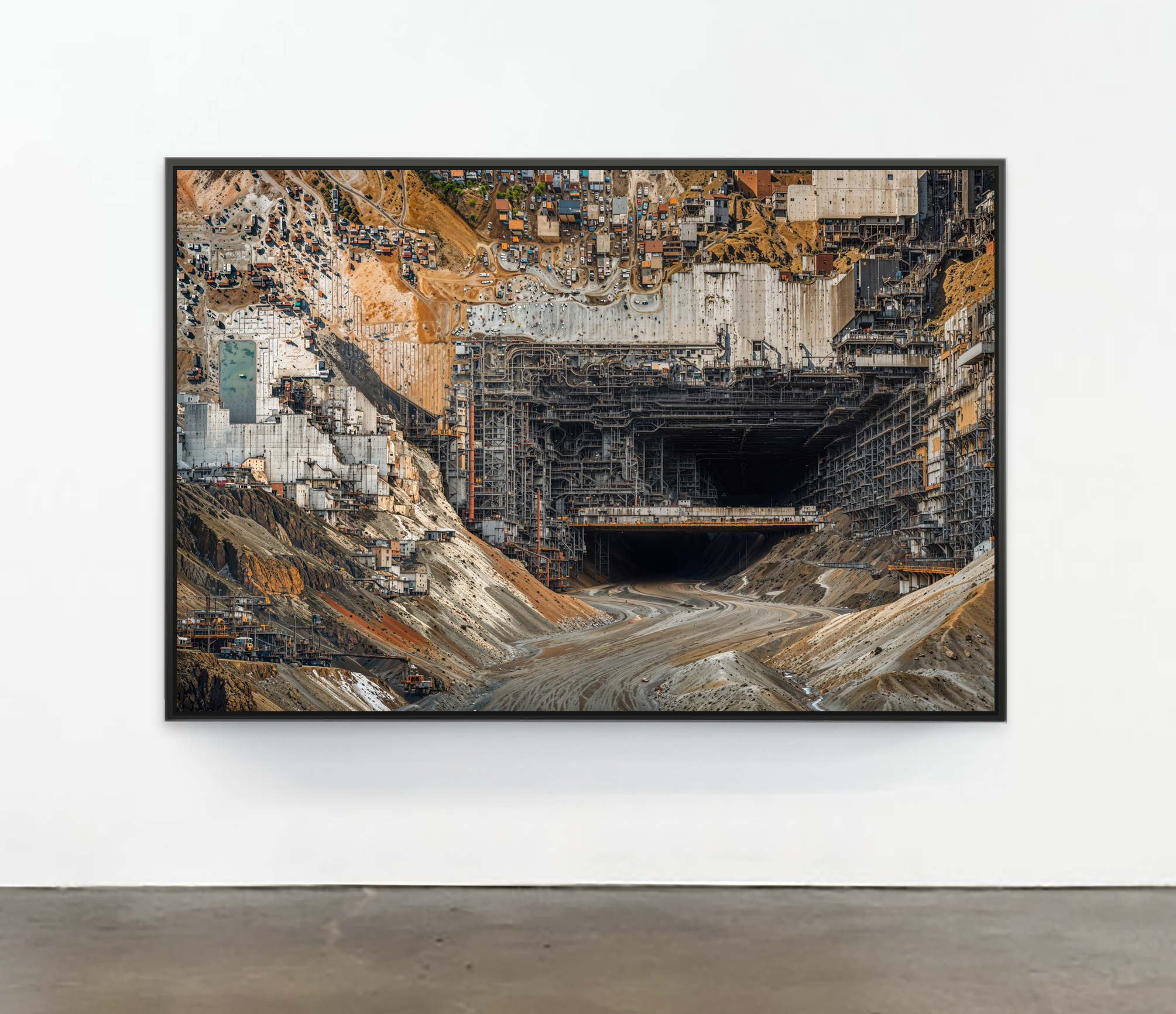
His 2023 collection Overpopulated Symphonies, 300 works released under Post Photographic Perspectives with Fellowship,,renders crowded urban scenes as fields of dots, using crowd density as a metaphor for the overload of information in daily life.A related 150-piece collection, All Watched Over By Machines Of Loving Grace, its title borrowed from the 1967 Richard Brautigan poem, revisits the visual language of industrial photography to critique a culture increasingly mediated by screens.In 2025 he collaborated with the photographer Edward Burtynsky on Hypertopographics, a series of pigment inkjet prints reinterpreting the New Topographics movement of landscape photography for an era of industrial scale and technological complexity,,shown at Heft gallery in New York as part of the exhibition “Truth or”.His work has been included in Christie's first AI-dedicated auctionand, as part of the Némo digital arts biennale, in the group exhibition “Dopamine” at Le Cube in Garges, France.That same year he also completed the documentary Post Truth, which he describes as the first fully AI-generated film to receive a theatrical release.