Aleksandra Jovanić is a Serbian artist and programmer who creates generative and interactive art exploring data visualization, optical illusions, and the human tendency to find patterns in random information.,Based in Belgrade, she holds a doctorate in digital arts and a degree in computer science, and teaches as an assistant professor at the University of Arts in Belgrade and the Faculty of Fine Arts.,
She studied computer science rather than art, then returned to visual work through web design before pursuing postgraduate studies in digital arts.In January 2021 she began focusing seriously on generative art and creative coding, after years of teaching Processing and physical interactivity,and started sharing her experiments regularly online.She names early generative artists such as Sol LeWitt, Vera Molnar, Manfred Mohr, and Bridget Riley among her influences.
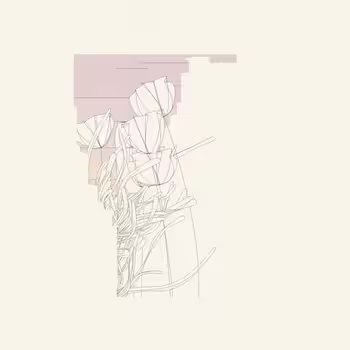
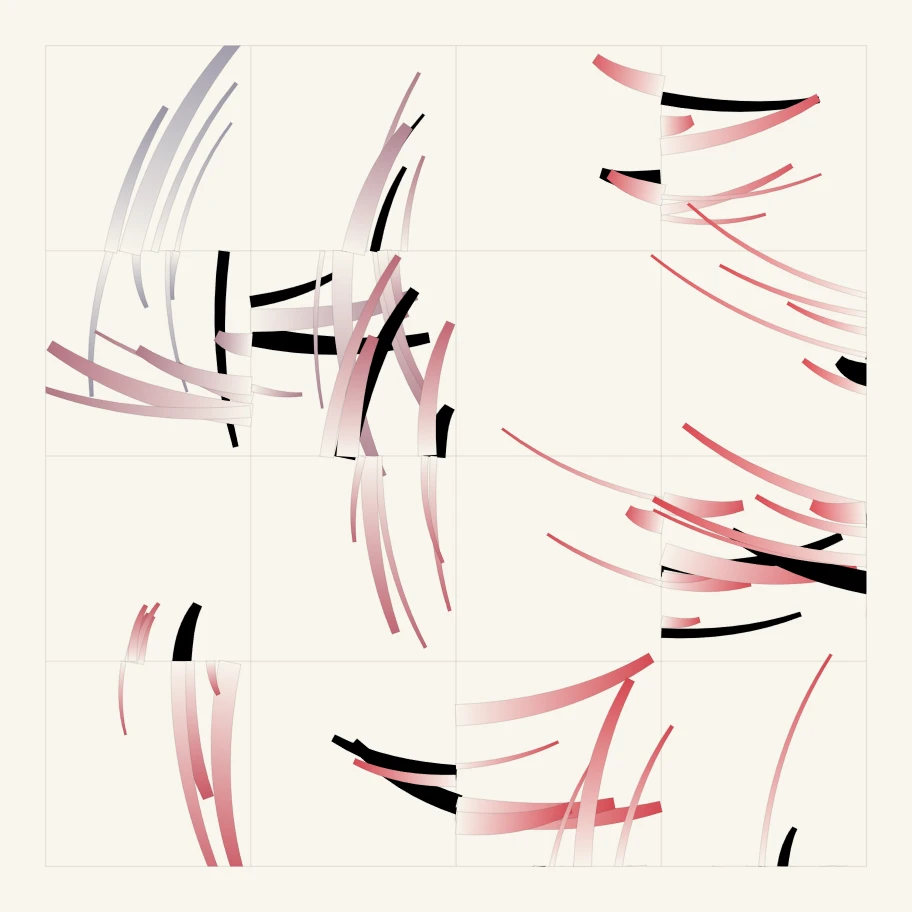
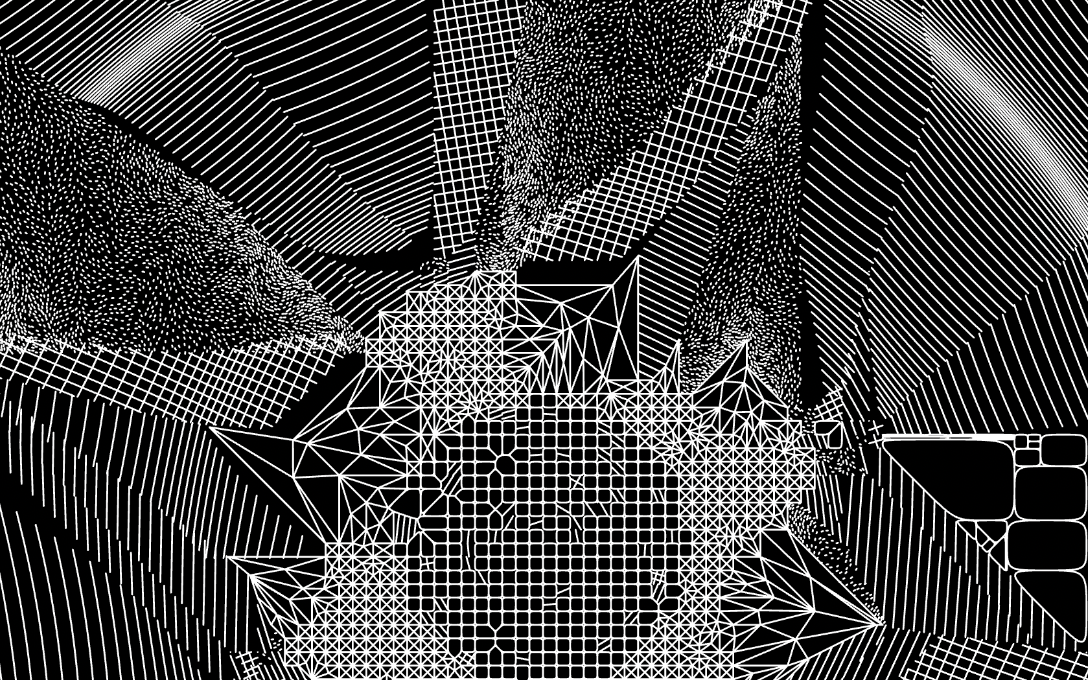
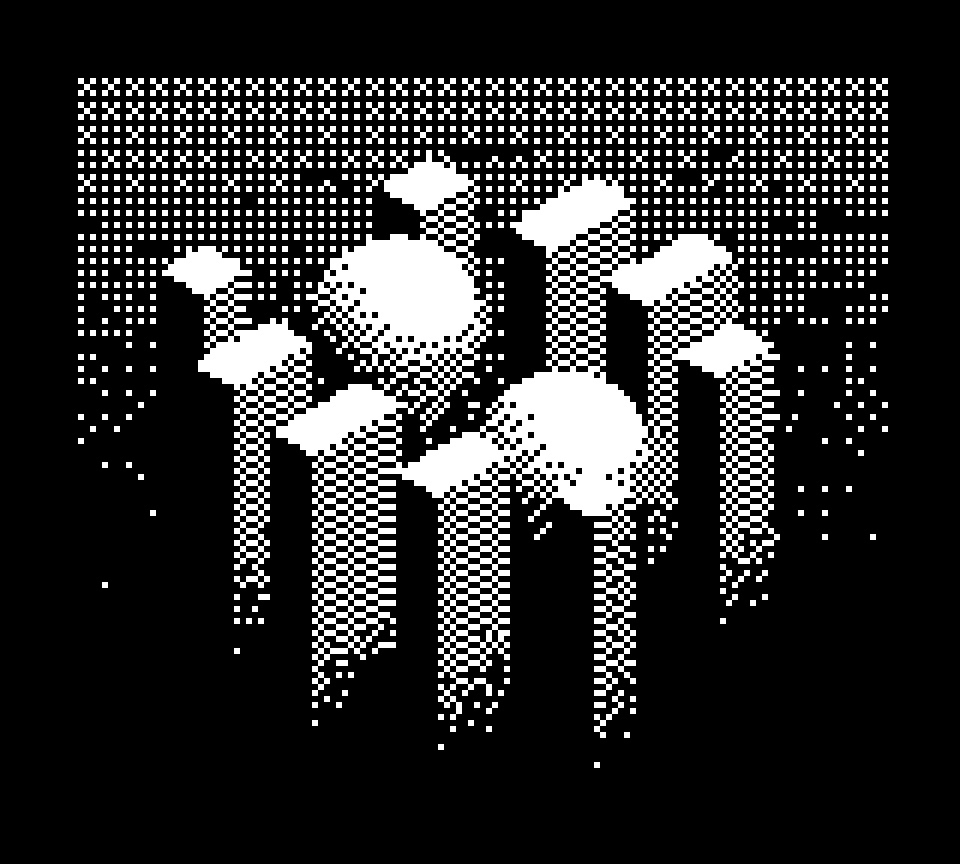
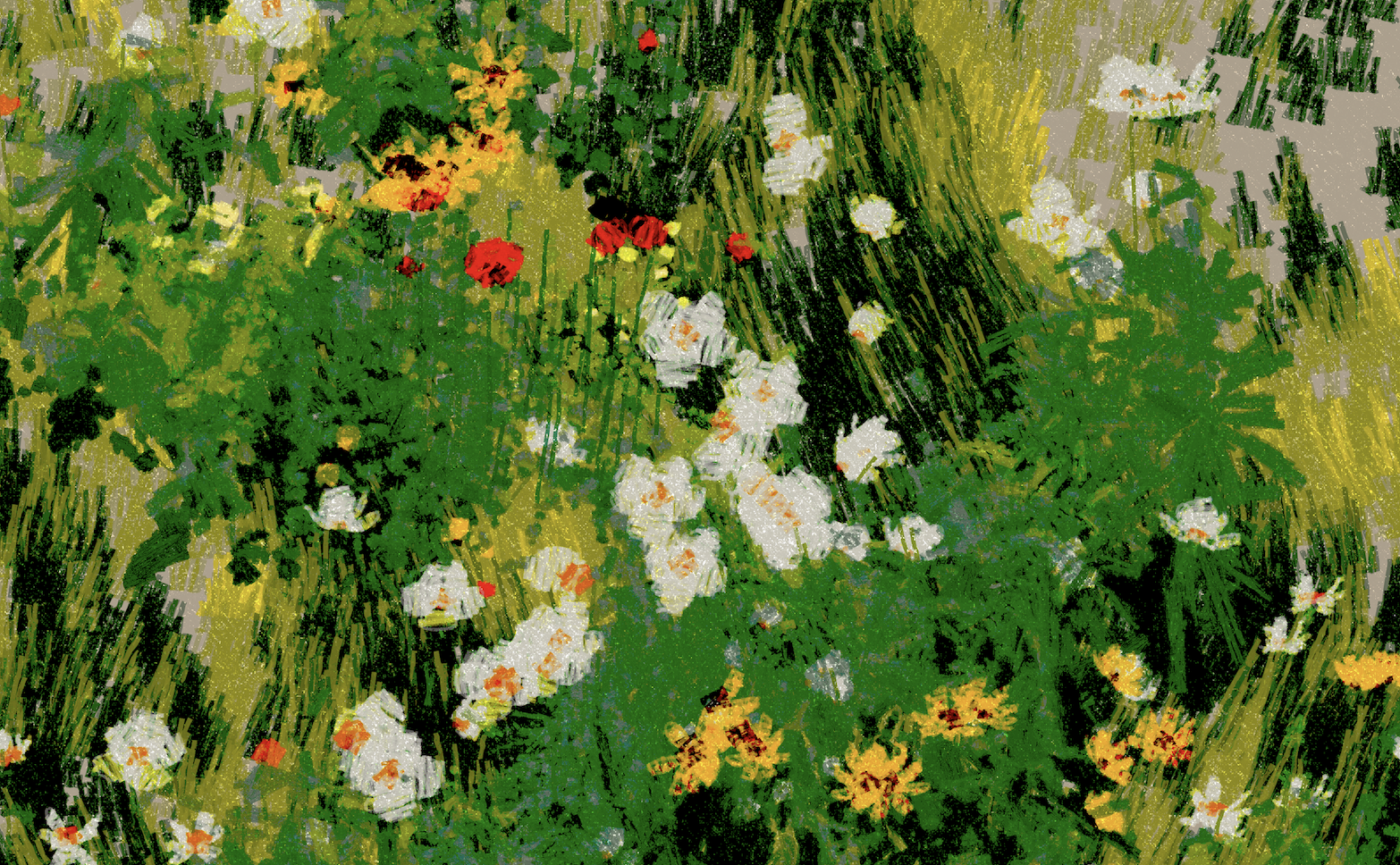
In 2021 she contributed to Feral File's “-GRAPH” with a plotter drawing exploring apophenia, the tendency to perceive meaning in random patterns. In 2023 she returned to the same themes with The Space in Between for Feral File's “+GRAPH”, a plotted drawing centered on negative space and plant-like forms, finished by hand with dry pastel.That year she also released her series Breathe for Unit London's “Building Blocks”, animating simple geometric forms into a continuous pulsing rhythm.Her generative work Finity Pool, shown in Unit London's “The Pixel Generation” in 2023, developed dithering techniques she first explored through knitting patterns.In 2023 her Glasshouse: Inat collection on Art Blocks paired generative glasshouse structures with wild plant forms as a metaphor for the Serbian concept of inat, proud defiance turned into resilience.Her solo exhibition “Latitudes”, curated by Kenza Zouari at MONO Tunis Gallery in October 2023 and released on highlight.xyz, followed traveling agents moving along parallel, non-intersecting paths.In 2025 she contributed The Anatomy of Reflection, the third work in her ongoing Anatomies series, to “Cure³”, a fundraising exhibition on fxhash for Parkinson's disease research.That year she was also paired with Processing pioneer Marius Watz for the Museum of the Moving Image's “Compositions in Code”, releasing her random-walk piece Returns alongside his Exploder on objkt.one.