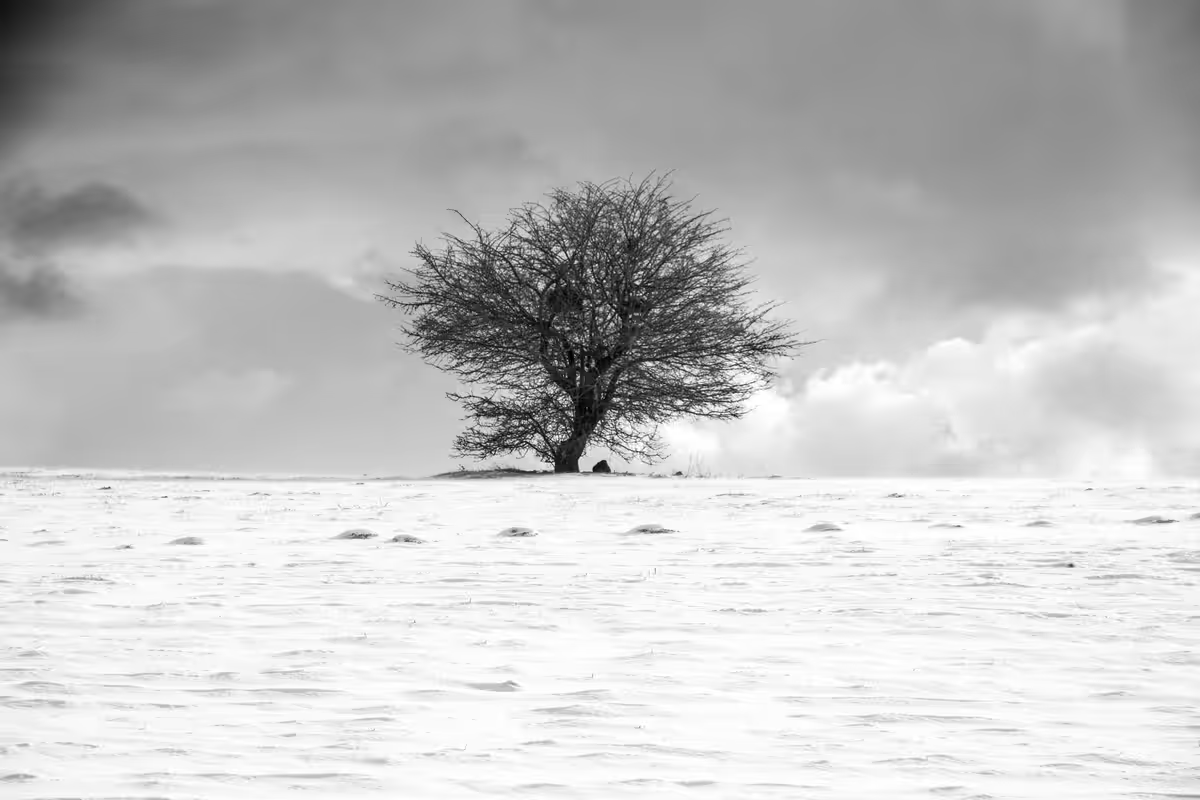
Observation: Love, Unsaid
There are forms of love that never learn the language of speech. They do not arrive loudly, nor do they demand recognition. They remain standing in silence, shaped by time, weathered by absence, yet unwavering in their decision to stay.
This is the kind of love that exists without witnesses. Not performative, not decorative — but persistent. It does not bloom to be admired; it endures to remember.
In the vastness of emptiness, love reveals its truest nature. Stripped of warmth, stripped of certainty, it becomes less about possession and more about presence. To remain is not always an act of hope — sometimes it is simply an act of fidelity to what once was, and what might never return.
There is romance in endurance. In standing alone without bitterness. In accepting cold not as an enemy, but as a condition of sincerity.
This love does not ask to be answered. It exists even if it is never chosen back. It survives in the quiet agreement between memory and time — an unspoken vow that says: I was here, and I did not leave.
Perhaps the purest loves are the ones that are never spoken aloud. They do not fade because they were never exposed. They remain — like a solitary presence in an endless landscape — holding meaning not through abundance, but through restraint.
And maybe love, at its most honest, is exactly this: to stay, without being asked, to endure, without being seen, and to exist — unsaid, yet undeniably real.