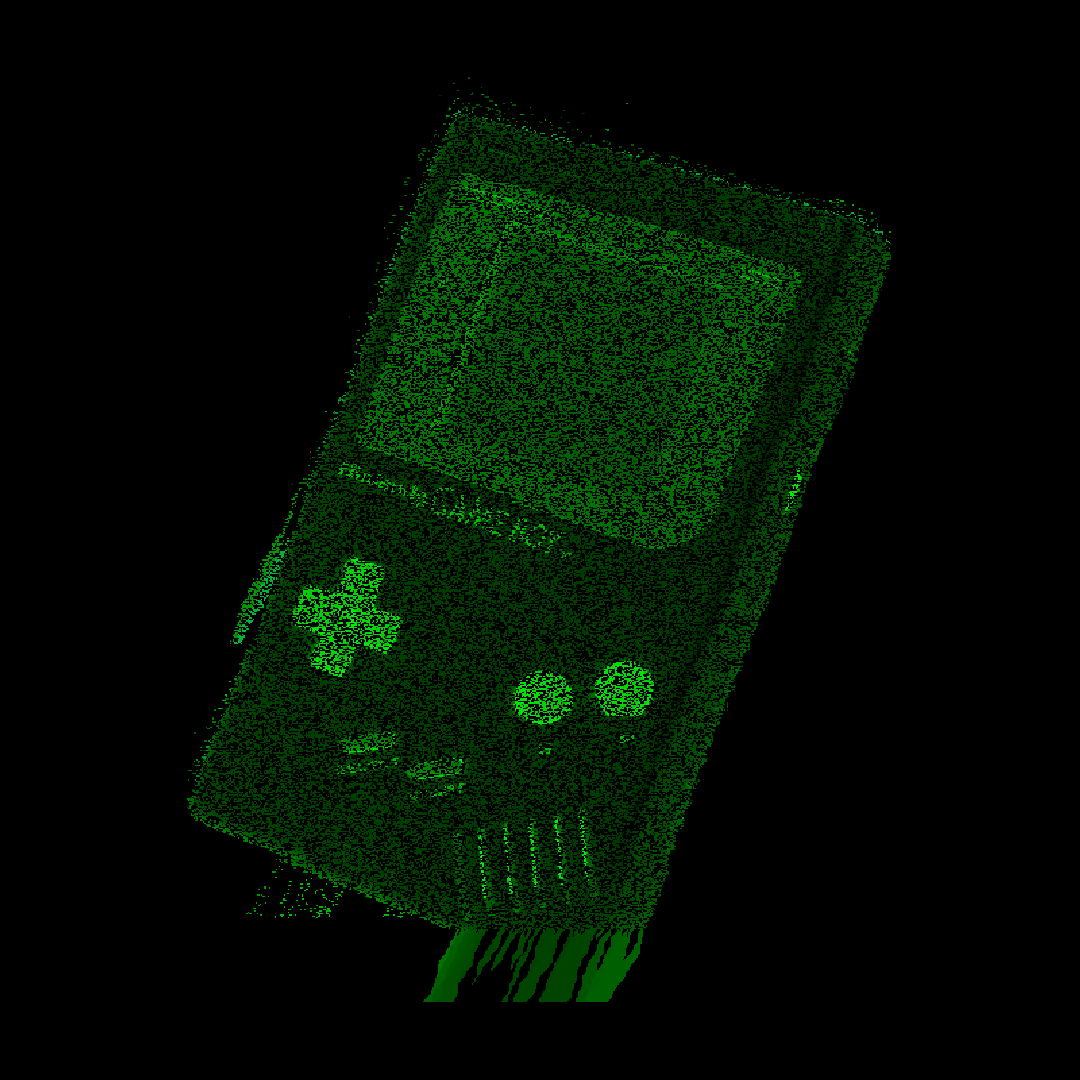
MEMORY-Malfunction: GAMEBOY-Genesis
On the street where I grew up, the asphalt was worn down, and it was almost always covered by the huge shadow of a tree that stretched from one side of the street to the other, making it the perfect spot for our games. Under that tree, our afternoons would fly by: soccer games with makeshift goals made from flip-flops, colorful kites slicing through the sky above, and the girls jumping rope. But one day, when I showed up, the scene was different. The game had stopped, the ball was resting by the sidewalk, and a curious silence hung in the air.
The flip-flops marking the goals were left in the middle of the street, as if they no longer mattered. Instead of the usual chaos, a group of kids was huddled around one of our friends, who was sitting on a pile of construction bricks, holding something in his hands, completely focused. That was the first time I ever saw a Game Boy. The green screen reflected a faint light, but it was magical enough to grab everyone’s attention. The game was Street Fighter II: Turbo, and the rule was simple: each person played one fight, then passed it to the next. I watched closely, heart racing, waiting for my turn. Some kids came by, peeked with curiosity, then went back to their games, but most of us stayed, totally mesmerized by the new toy.
When it was finally my turn, I felt butterflies in my stomach. I already had an SNES at home and thought I was pretty good at fighting games, but gaming was always a more solo thing for me. My mom rarely let me invite friends over to play, and sometimes I’d game with my dad. So this moment, outside, with the Game Boy being passed around, felt completely different. Being part of that group, sharing something so special with my friends, was new and exciting. We all waited our turn eagerly, and when we lost, it was a mix of frustration and determination to do better next time. The excitement hit differently when it was shared.
But it wasn’t just about the game. There, under the shade of that tree, we were a community, connected by more than just soccer or kites. The Game Boy became the centerpiece of our afternoons, something that brought us together, made us forget everything around us, and focus on that little screen. Every round made us cheer together, as if we were all playing at once. There were about ten of us, taking turns with the console, rooting for each other, laughing at every defeat, and celebrating every win.
Months later, after begging a lot, I got my own Game Boy, and with it came a link cable. That's when we really dove into moments of competition and connection. The thrill of linking two consoles and battling with my friends gave a whole new meaning to playing for me. The Game Boy was more than just a handheld console. It represented the chance to connect, to share an experience that used to be just between me and the living room TV. The street, which was already our stage for fun, became the perfect setting for this new form of play.
This experience deeply shaped the way I played video games. From that moment on, gaming stopped being a solo activity and became something to be shared. The time I spent on the street, passing the Game Boy around with my friends, made the concept of multiplayer central to me. The games I played most throughout my life were the ones that allowed for that interaction, the sharing of strategies, laughs, and rivalries. Ever since, I’ve always preferred games where the fun came from being with a group, whether it was through fierce competition or creative cooperation. After all, the best games were never about winning or losing, but about sharing the moment with someone else.
-- random pixel manipulation in p5.js canva 800x800px upscale to 1080x1080px 44 frames 5.31 MB