# 𝚖𝚒𝚛𝚊𝚌𝚕𝚎𝚐𝚛𝚊𝚙𝚑𝚒𝚌𝚊𝚛𝚝𝚜: fotografika 𒊹 ink womb
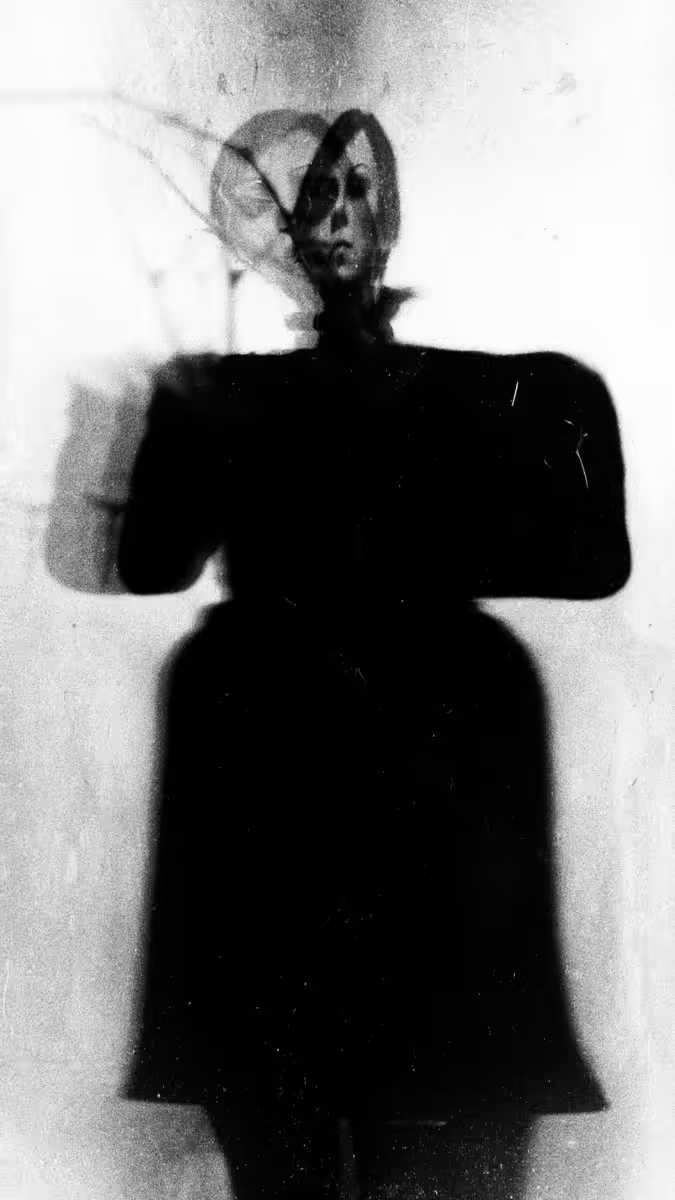
I am an immense cloud of ink—a shroud and shield, a dark and formless guardian that envelops my body, ready to cradle and protect the ember of new life. I dwell within my own flesh, where the mind speaks one tongue, cold and rational, yet the body whispers another, instinctive and untamed. Here, at the threshold of transformation, I stand between what was and what shall be, moving from sorrow into creation, from the wilderness of fear into the sanctuary of trust.
My body is no longer merely flesh—it is a sacred vessel, a temple of becoming, where life and art entwine in a divine alchemy. The ink flows, liquid yet inexorable, erasing the lines that defined me and sketching, in their place, the contours of what I am to become. It carries the echoes of memory, the quiet murmurs of loss and longing, but also the silent promise of renewal, a seed stirring in the dark.
Through shifting veils of ink and light, I chart this metamorphosis. Shadows blur, forms dissolve, contrasts rise and fall like the breath of creation itself. The past is a fading specter, the future a quickening presence, and I—standing at the liminal gate—am both the mother in her becoming and the artist in her resurrection.
Fotografika is a photography movement that views photography not just as a means of documenting reality but as a full-fledged artistic expression.
I work in this style. My black and white photographs with vintage aesthetics and textures are part of this movement. Painterly and Graphic Qualities – Images often resemble paintings or engravings. Composition, textures, and contrasts play a crucial role. Image Manipulation – Photographers in this style actively use retouching, collage, double exposure, and unconventional printing techniques (such as gum bichromate or salt printing). Subjectivity and Expressiveness – Instead of accurately reflecting reality, the emphasis is on emotions, atmosphere, and metaphors. Experiments with Materials – Alternative printing methods, manual interventions in images, and intentional damage to negatives are commonly used. Connection with Painting and Graphics – Photographers often draw inspiration from painting styles (such as Impressionism or Symbolism) and graphic techniques (like linocut or lithography).
This term was popular in the first half of the 20th century, especially in Poland and Eastern European countries. One of its key ideologists was Jan Bułhak, who promoted the idea of “photography as art” and called it “fotografika.”