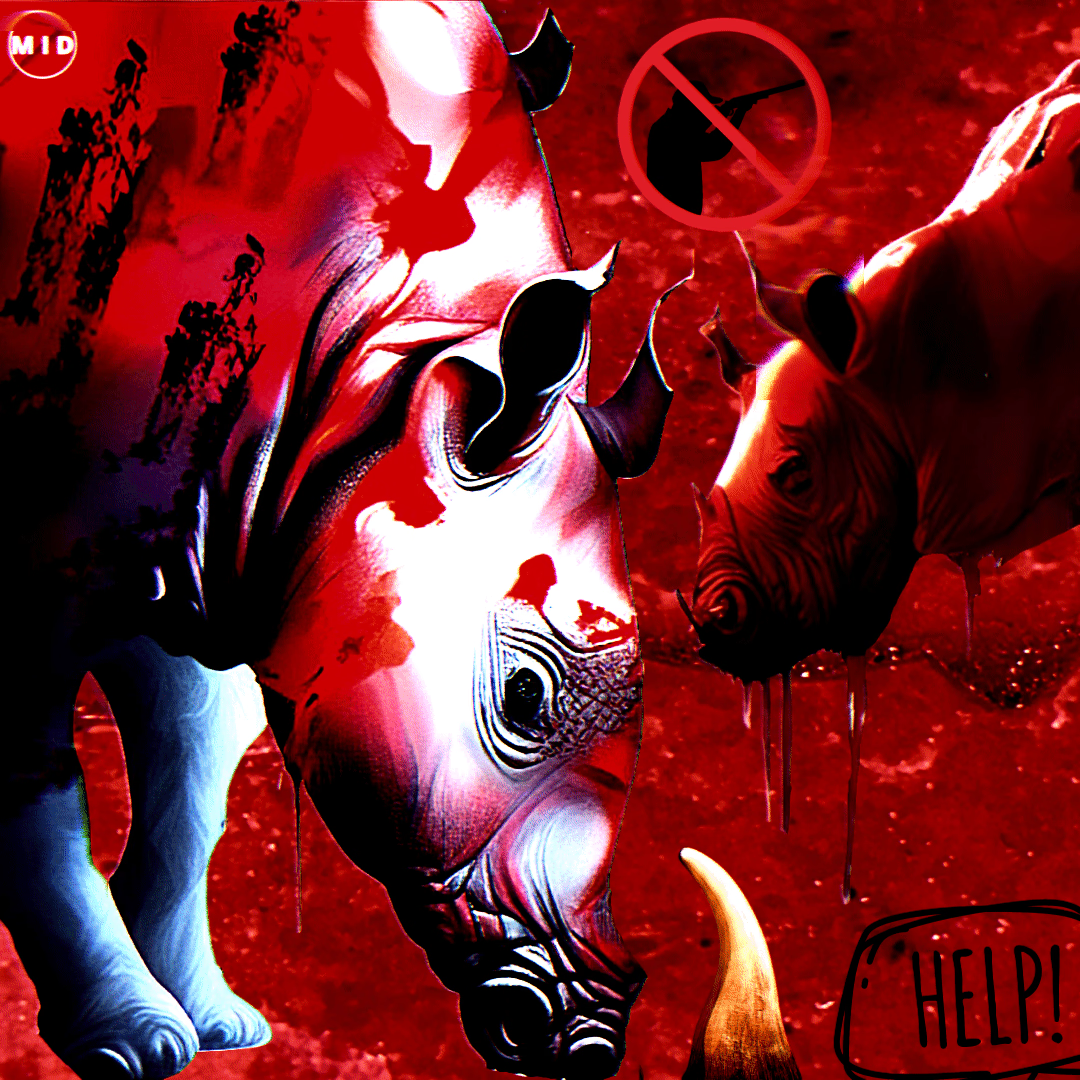
META IS DOPE: Adopt an Endangered Rhino (Help Stop Illegal Poaching)
Help STOP Illegal POACHING and TRADE (Adopt a Rhino Here: https://gifts.worldwildlife.org/gift-center/gifts/Species-Adoptions/Sumatran-Rhino.aspx) Poaching, driven by consumer demand for rhino horn primarily in Asia, poses the biggest threat to rhinos. Most of these horns find their way into the illegal market in Vietnam, where law enforcement is weak and criminal networks grind up the horns to sell for use in traditional medicines or sell them whole as a high-value gift item. China is also an important consumer market, where rhino horn enters art and antique markets and is sometimes acquired as an investment purchase. As the growing middle class in China and Vietnam become more affluent and can afford the high cost of rhino horn, they are driving up the demand on the international black market. Rhino poaching levels hit record highs in 2015, with poachers slaughtering at least 1,300 rhinos in Africa. Six hundred and ninety-one rhinos were poached in South Africa in 2017. That number slightly decreased in 2018 with 508 rhinos poached. ILLEGAL WILDLIFE TRADE Although international trade in rhino horn has been banned under the Convention on International Trade in Endangered Species of Fauna and Flora (CITES)—a global agreement between governments to follow the rules to monitor, regulate, or ban international trade in species under threat—since 1977, demand has remained high and continues to fuel rhino poaching in both Africa and Asia. Criminal syndicates link rhino horn source countries like South Africa with a series of transit points and smuggling channels to get the product to its final destination in Asia. The main markets are now in countries like Vietnam and China where rhino horn has become a party drug, a health supplement, and a hangover cure. In Vietnam, there is also a newly emerged belief that rhino horn cures cancer.