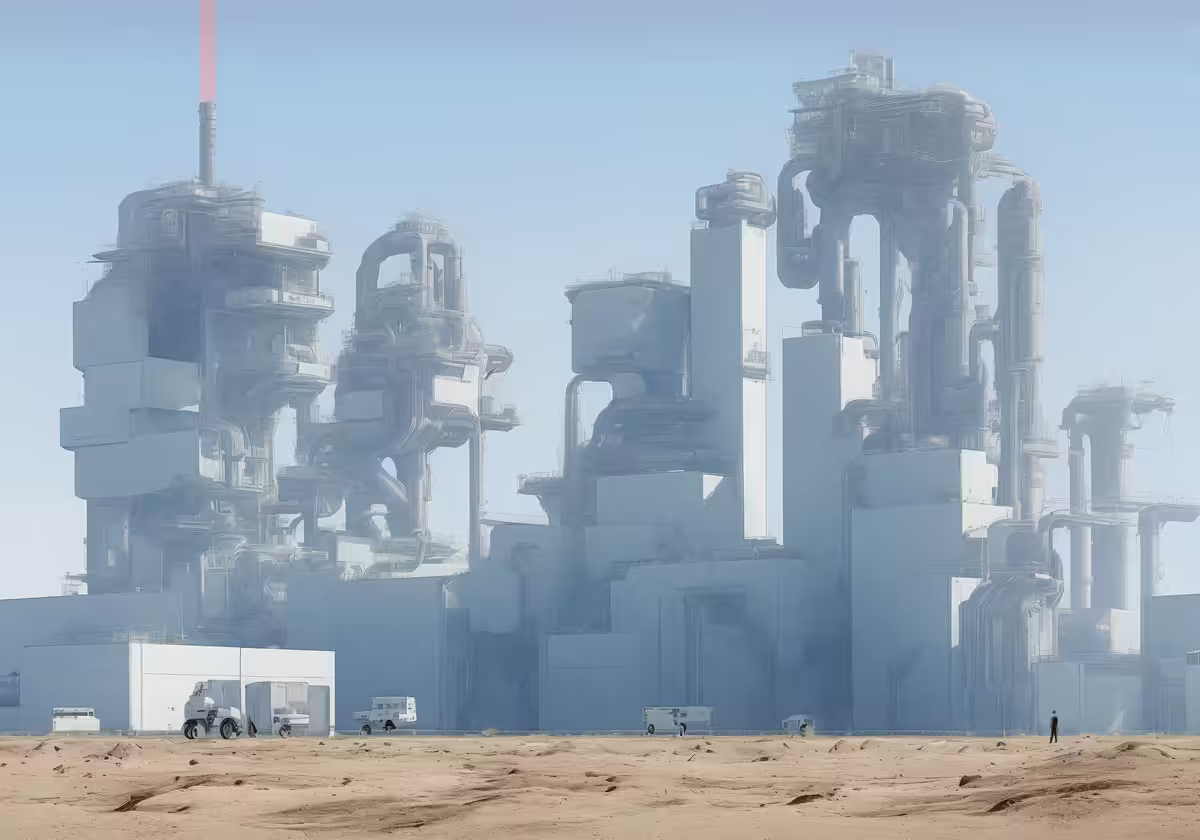
The Second Layer of The World: The Celestial Convergence Engine
"The Celestial Convergence Engine" is a technological wonder that harnesses the power of the cosmos to generate energy. By utilizing a network of satellites and advanced sensors, the device is able to align with and draw energy from celestial bodies like stars and planets. The result is a renewable source of energy that offers immense potential for powering the future.
While this technology is undoubtedly impressive, it raises important questions about the long-term impact of humanity's quest for energy. The use of satellites in space, for instance, carries the risk of creating debris that can impact the environment and other space missions. It is important to approach new technologies like "The Celestial Convergence Engine" with a sense of responsibility, considering not only their potential benefits, but also the potential environmental and ethical concerns they may raise.
From the series: The Second Layer of The World by Simone Pompei
"The Second Layer of the World" is an evocative series of artworks set in a distant future where humanity has been pushed to the brink of extinction. In this futuristic landscape, advanced machines and robotics have taken over the Earth's surface, depleting its resources and leaving the planet scarred and desolate. As a result, the few remaining humans have retreated to an elevated infrastructure, the titular "second layer," which is suspended above the ravaged Earth on towering pillars.
The series explores the stark contrast between the two worlds - the desolate, machine-dominated lower layer, and the upper layer, where humans strive to create a livable environment amidst the remnants of their past. The artworks depict haunting scenes of vast industrial complexes, energy-harvesting machines, and sprawling robotic networks that blanket the surface of the Earth, while also revealing glimpses of the second layer, where the last vestiges of humanity cling to survival.
Through a combination of powerful imagery and thought-provoking themes, "The Second Layer of the World" invites viewers to reflect on the potential consequences of unchecked technological advancement and the delicate balance between progress and preservation. The series serves as both a cautionary tale and a testament to the resilience of the human spirit, as humanity seeks to find its place in a world increasingly dominated by its own creations.